TL;DR

Get coffee and tea gear delivered free with Prime
- Fast, free delivery on millions of items
- Prime Video, Amazon Music and more included
- Member-only deals all year
Reusable coffee filters and espresso puck screens replace disposable brewing materials with durable parts, but they are not automatically greener: manufacturing, cleaning, lifespan, and how often you use them all matter. Choose food-contact-safe gear that fits your brewer, clean it after use, and keep using it long enough to make its upfront impact worthwhile.
A stainless-steel espresso screen looks almost too small to matter: a thin, bright disc that sits on top of your coffee puck. Yet small daily habits add up, and reusable filters and puck screens invite a useful question: does replacing a disposable item really make your coffee routine greener?
The honest answer depends on what you replace, how often you brew, how long the reusable part lasts, and how you clean it. A sturdy filter used every morning has a different story from a gadget that spends most of its life in a drawer. Here, you’ll see what these tools do, where their environmental benefits can come from, and what tradeoffs deserve a closer look.
You’ll also get a practical way to decide whether a reusable filter or puck screen fits your setup, plus straightforward cleaning and storage advice. The goal isn’t a guilt-free purchase. It’s a coffee routine that makes less waste without making your morning harder.
Count the disposable item a reusable filter or puck screen actually replaces; an added accessory does not automatically reduce waste.
Daily use and a long service life make a stronger case for reusable gear than occasional use does.
Check brewer compatibility and food-contact guidance before buying a filter or espresso screen.
Rinse after use, remove grounds and oils, dry reusable parts fully, and follow the maker’s cleaning instructions.
Choose based on taste and realistic upkeep as well as waste: the best reusable item is one you will keep using.
What Reusable Filters and Puck Screens Actually Do
Reusable coffee filters strain brewed coffee without being thrown away after one brew, while espresso puck screens are thin, perforated discs placed on top of a tamped coffee bed. Both can replace a single-use item in the right setup, but they do different jobs. A coffee filter holds back grounds as water passes through; a puck screen helps distribute water across the espresso puck and keeps grounds from sticking to the group head.
Think of a reusable filter as a small, washable sieve and a puck screen as a protective mesh lid. For example, a pour-over drinker might swap daily paper filters for a compatible metal filter, while an espresso drinker might add a screen above the coffee puck and rinse it after pulling a shot. A puck screen does not replace every espresso basket or paper brewing filter, so count only the disposable items it truly displaces.
That distinction matters in the sustainability debate. Calling every reusable accessory an eco-friendly alternative blurs the practical question: what would you have used instead? If you already brew with a metal basket and no disposable paper, adding a puck screen may improve your cleanup routine, but it does not automatically cut filter waste.
Materials vary. Reusable parts can be made from stainless steel, silicone, or other food-contact materials; the right choice depends on the brewer, the manufacturer’s care instructions, and the temperature the part will face. Check dimensions before buying: a screen that does not sit flat on your espresso puck can be frustrating, even if the material is durable.
Products Worth Considering

Breville Bambino Espresso Machine, Brushed Stainless Steel

Breville Smart Grinder Pro Conical Burr Coffee Grinder, Brushed Stainless Steel

KitchenAid KF6 Fully Automatic Espresso Machine, Porcelain White
As an affiliate, we earn on qualifying purchases.
When Reusables Can Cut Waste—and When They Don’t
Reusable coffee filters and puck screens reduce waste when they replace disposables repeatedly and stay in service long enough to offset their manufacture. The benefit is not magic built into stainless steel; it comes from avoiding a stream of single-use items. If you make one coffee each day with a paper filter, switching to a durable filter could prevent hundreds of paper filters from entering your household bin over a year.
But the comparison is more complicated than counting bin contents. A reusable item also takes materials, energy, and transport to make, and you may use water, soap, or electricity to clean it. Without a product-specific lifecycle assessment, it’s not responsible to claim a precise carbon saving or promise that every reusable option is better in every situation. Frequency and lifespan matter. A filter used daily for years has a stronger case than one used twice before being forgotten.
Consider two kitchens. One household brews coffee every morning and rinses a sturdy filter at the sink; another makes occasional pour-over coffee and uses a disposable filter only now and then. The first household displaces many more paper filters, so a reusable option is more likely to make sense. For the second, keeping the current routine may be the simpler choice.
According to the supplied research overview, lifecycle assessments compare impacts across production, use, and disposal, rather than focusing only on the waste you can see. That’s a helpful frame: a small compostable or recyclable item is not automatically impact-free, and a reusable product is not impact-free just because you can wash it. Use what you own, and favor durable gear that fits your habits.
Compare Paper Filters, Reusable Filters, and Puck Screens
Paper filters are simple and disposable, reusable filters trade convenience for repeated use, and puck screens are espresso accessories rather than universal filter replacements. Compare them by the job they do and the cleanup they require, not by the word “reusable” alone. The best choice depends on your brewing method, household routine, and tolerance for daily rinsing.
| Option | Typical role | Waste and care | Good fit when |
|---|---|---|---|
| Paper coffee filter | Holds grounds in many drip and pour-over brewers | One-use item; discard after brewing | You want quick cleanup and brew coffee occasionally |
| Reusable coffee filter | Filters grounds in a compatible brewer | Rinse and clean; manufacturing impact spread across repeated use | You brew often and will maintain it |
| Espresso puck screen | Sits on the tamped puck to help distribute water and keep the group head cleaner | Rinse after shots; check for trapped fines and oils | You make espresso and value easier cleanup |
The table also shows why the word “alternative” needs care. A puck screen is not a drop-in substitute for a paper cone filter; it belongs to a different brewing setup. If a paper filter already gives you the result you like, switching to metal may also change the cup’s texture, so the environmental choice can come with a taste tradeoff.
For example, a pour-over made with a reusable metal filter may let more oils and fine particles into the cup than paper does. Some people enjoy the fuller body; others prefer paper’s cleaner finish. Espresso screens can make group-head cleanup easier, but they add a part to wash. The right option is the one you will use consistently, clean properly, and keep for the long haul.
Choose a Reusable Filter or Puck Screen That Fits Your Routine
Choose reusable coffee gear by matching its size, material, care requirements, and brewing role to what you already own. A poorly fitting screen or awkward-to-clean filter often becomes clutter, which defeats the point of buying something meant to last. Check your brewer’s specifications and the product’s stated compatibility before you bring a new part home.
- Name the disposable item you’ll replace. If you cannot identify one, treat the purchase as a performance or convenience choice, not a waste-reduction win.
- Check fit and food-contact information. Confirm the dimensions, brewing method, and manufacturer’s instructions, especially for high-heat espresso use.
- Be realistic about maintenance. If you dislike rinsing coffee oils from a fine mesh, a paper filter may suit you better.
- Look for a durable, repairable routine. A simple part that you can clean and store safely may serve you longer than a complicated accessory.
Imagine you make two espresso drinks before work. A puck screen that fits your basket and rinses clean in seconds may slide naturally into that routine. If it needs fiddly scrubbing each morning, you may stop using it by Friday. That’s not a personal failing; it’s useful evidence that the product’s upkeep does not match your day.
Reusable filters and puck screens can be suitable for a frequent brewer who values lower disposable use and accepts routine cleaning. They may be less appealing if you brew rarely, need the fastest possible cleanup, or already use a low-waste setup. You can make a careful choice without buying every sustainability-minded accessory on the shelf.
Clean Reusable Coffee Gear Without Creating a Food-Safety Problem
Rinse reusable filters and puck screens after use, remove trapped grounds and oils, and follow the maker’s cleaning directions. Warm, damp coffee residue can collect in fine mesh, so a quick rinse is more than a cosmetic step. Food-contact gear should be clean before it touches your next brew, and you should never keep a dirty, wet screen sealed in a container.
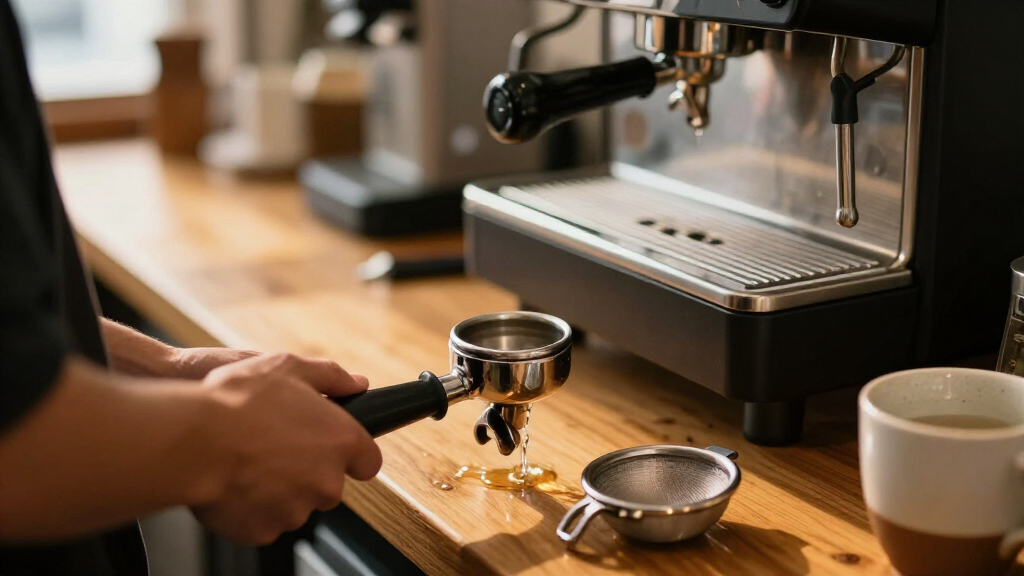
For a real morning example, tap the spent puck into the knock box, rinse the screen under running water, and check both sides for clinging grounds. Let the part dry fully in a clean place before storage. For a reusable coffee filter, empty the grounds promptly and rinse the mesh; an occasional deeper wash with a suitable mild detergent can help remove oily buildup, if the manufacturer allows it.
Do not assume every reusable part is dishwasher-safe or safe for vinegar, abrasive pads, or strong cleaners. Those can damage coatings, seals, or fine mesh. Follow the product’s care directions, and replace a part that cracks, corrodes, warps, or no longer cleans properly. Food-grade materials and regular cleaning help keep the tool suitable for daily use, but no material makes poor hygiene harmless.
Keep clean gear separate from used grounds and dirty cloths. If you make coffee in a shared kitchen, give the screen a dedicated clean place to dry rather than leaving it on a wet counter beside yesterday’s coffee sludge. Simple habits prevent stale odors and reduce the chance that old residue ends up in the next cup.
Know What Reusables Change in Your Cup and Your Budget
Reusable filters can change coffee texture, while reusable gear shifts some cost from repeated purchases to an upfront expense. Neither change is automatically good or bad. A metal coffee filter may let more oils and fine particles through than paper, producing a fuller-feeling cup; a paper filter can give you a cleaner, lighter result. The difference depends on the filter design, grind, and brewer.
That matters on a practical level. Suppose your regular pour-over tastes bright and clear with paper, and the first metal-filter brew feels heavier. You could adjust your grind or recipe, but you do not have to force yourself to like the result just to claim a greener routine. A sustainable habit that you resent may not last. You can also keep paper for particular coffees and use a reusable filter for everyday brews.
Costs follow the same pattern. A reusable filter or screen may cost more on day one, while disposable filters require repeat purchases. Your break-even point depends on local prices, how often you brew, and how long the reusable part lasts; without those details, a universal savings claim would be misleading. For a household brewing several cups daily, repeated disposable purchases add up faster than they do for a weekend brewer.
The phrase “sustainable choice” means a choice you can maintain, not simply one with an appealing label. Think of it like carrying a travel mug: it helps when you remember it and actually use it. Start with one replacement that suits your taste, then see whether it becomes part of your routine before buying more.
Make a Lower-Waste Coffee Routine Without Buying More Than You Need
The simplest lower-waste move is often to use your existing coffee gear well before adding another accessory. Reusable filters and puck screens can help, but each new item has its own material and cleaning footprint. First ask whether it replaces a disposable item, solves a real brewing problem, and fits your daily habits.
Try a one-week check. Notice how many paper filters you use, how often you make espresso, and whether cleanup already feels manageable. If your filter bin fills with paper each day, a compatible reusable filter may be worth testing. If your espresso machine’s group head stays clean and you do not use disposable screens, a puck screen may be useful for convenience but offers no direct reduction in those non-existent disposables.
You can also make small choices around the accessory. Use filters in the brewer they were designed for, avoid replacing a working part just because a newer material sounds greener, and clean reusable gear with a sensible amount of water and soap. Store it where it can dry, so you do not reach for a disposable substitute simply because the reusable one is damp or dirty.
Industry interest in durable materials and improved screen designs reflects a wider push toward less waste, but product claims still deserve a clear question: what is being replaced, and for how long? There is no need to chase a perfect setup. A well-used filter, a screen that earns its place, or a paper filter you continue to prefer can all be part of a thoughtful routine.
Frequently Asked Questions
Are reusable coffee filters always better for the environment?
No. Their environmental value depends on the materials and energy used to make them, how often you use them, how long they last, and how you clean them. A frequently used filter that replaces many disposable filters has a stronger case than a reusable item used only occasionally.
Does an espresso puck screen replace a paper coffee filter?
No. A puck screen sits on top of an espresso puck and is used with an espresso machine; a paper filter is used in compatible brewers to hold back coffee grounds. They perform different jobs, so count a puck screen as waste reduction only if it replaces a disposable item you would otherwise use.
How should I clean a reusable filter or puck screen?
Rinse it after brewing, clear away trapped grounds, and let it dry fully in a clean place. Follow the maker’s instructions for deeper cleaning, since dishwashers, vinegar, and abrasive pads may damage some materials or coatings.
Will a reusable coffee filter change the taste?
It can. Some metal filters let more oils and fine particles into the cup than paper filters, which can make the coffee feel fuller. Try a small amount of coffee before replacing your whole routine, since grind and brew method also affect the result.
How do I know if a puck screen fits my espresso machine?
Check the screen’s dimensions and the manufacturer’s compatibility information against your portafilter and basket. A screen that does not sit properly on the puck may be awkward to use, so do not assume one size fits every espresso setup.
Conclusion
Before buying reusable coffee gear, name the disposable item it will replace and ask whether you will use the new part often enough to make that swap stick. Then choose a compatible, food-safe option you can clean and store without hassle.
Less waste is built cup by cup. A well-used filter can earn its place on your counter; a neglected one is just another thing to wash around.