
TL;DR

Get coffee and tea gear delivered free with Prime
- Fast, free delivery on millions of items
- Prime Video, Amazon Music and more included
- Member-only deals all year
Used coffee grounds and plain paper filters can usually go into a home compost pile, where grounds count as a nitrogen-rich “green” and need dry, carbon-rich material for balance. Keep grounds out of thick layers on garden soil, don’t rely on them to acidify soil or repel pests, and check local rules before using a curbside organics bin. Store them briefly in a covered container and keep them away from pets and children because they can still contain caffeine.
Your morning espresso puck looks small, but a week of them can fill a jar—and plenty of online advice says to scatter them around plants, pour them down the drain, or toss them straight into compost. Some of that advice works with a little care; some can leave your soil crusted, your sink clogged, or your seedlings struggling.
Used coffee grounds are a small, regular household waste stream that can be reused in several practical ways. You’ll learn how to compost them, what to do with espresso pucks and paper filters, and why grounds aren’t a dependable fertilizer, soil acidifier, or pest repellent. The goal is simple: make a useful habit out of the grounds you have, without asking them to do more than they can.
Add used grounds to compost as a nitrogen-rich green, mixed with dry leaves, shredded cardboard, or another carbon-rich brown.
Plain paper filters and unwrapped espresso pucks can usually be composted, but check municipal collection rules.
Avoid thick layers of grounds on soil; fine grounds can compact when wet and restrict air and water movement.
Don’t rely on used grounds to acidify soil, fertilize plants by themselves, or reliably repel pests.
Store grounds briefly in a covered container, keep them away from pets and children, and avoid sending them down the drain.
A practical guide · Kitchen to compost
Compost, Coffee Pucks, and What to Do With Used Grounds
Turn a small daily waste stream into a useful habit. Learn how to compost grounds, pucks, and plain paper filters—and where popular garden advice falls short.
Brown in color.
Nitrogen-rich in the pile.
Five habits that make grounds useful
Small, mixed additions are easier to manage than one large dump. Let the pile’s texture and smell guide you.
Mix grounds with browns. Add dry leaves or shredded cardboard to keep the pile loose and aerated.
Plain paper can join. Remove plastic or metal parts; check local rules for collection bins.
Skip thick layers. Fine grounds may compact when wet, limiting air and water movement.
Don’t expect miracles. They are not a dependable acidifier, fertilizer, or pest repellent.
Store with care. Keep grounds away from drains, pets, and children.
Build a compost mix, not a coffee cake
A good pile stays moist but not waterlogged, with enough loose structure for air to move through.
Use a covered container
Hold grounds for a few days and empty it regularly, before they smell stale or grow mold.
Loosen pucks and filters
Crumble espresso pucks. Tear folded, uncoated paper filters into strips if they form a tight wad.
Scatter, then mix
Blend with dry leaves, plain shredded cardboard, or another accepted carbon-rich material.
Fluff if slick or packed
A damp, airy mix is on track. Sour smells or slippery layers call for more dry structure.
Used grounds, unwrapped espresso pucks, and plain uncoated paper filters generally suit a home compost pile. Remove non-compostable parts first.
There is no universal scoop count. A large leafy heap absorbs more than a small wet bin. Add grounds in modest, mixed amounts and check municipal rules.
Useful ingredient, unreliable cure-all
Spent grounds can be part of a broader soil-care routine. They cannot replace a soil test, balanced compost, or plant-specific care.
Small amounts, mixed in
Add modest quantities to finished compost or mix them with other organic material. Keep them away from seedlings.
Thick surface mulch
Fine grounds can crust or compact when wet, making it harder for air and water to reach roots.
Stand-alone fertilizer
Nutrient amounts and availability vary. Grounds are not a targeted feed for roses, tomatoes, or houseplants.
Soil acidifier or pest shield
Used grounds are often close to neutral; pest-repellent results are inconsistent. Test soil pH before changing it.
Other options, in modest amounts
Reuse depends on the material, the surface, and what local programs accept.
Common grounds questions
Keep the useful parts simple: compost with balance, garden with restraint, and verify local collection rules.
Green or brown in compost?
Generally a nitrogen-rich green, regardless of the grounds’ brown color.
Can espresso pucks be composted?
Yes. Break them apart so air can move around the compressed grounds.
Can paper filters go in?
Plain, uncoated filters usually can. Check collection rules and remove non-compostable parts.
Can grounds go down the disposal?
It is better not to make a habit of it; grounds can settle and contribute to buildup.
Are they safe around pets?
Keep them out of reach. Used grounds can still contain caffeine, which may be harmful if eaten in quantity.
Will they feed my houseplants?
They are not a special-purpose fertilizer. Use finished compost or a feed suited to the plant.
Use a covered container for a few days.
Break up clumps and separate filters.
Leaves or plain cardboard add structure.
Avoid one dense, wet coffee layer.
Fluff a slick or sour-smelling pile.
One small routine makes grounds easier to reuse: balance, airflow, and a quick check of local rules.
Put coffee grounds in compost with plenty of dry material
Used coffee grounds can go in a home compost pile, and composters generally treat them as a nitrogen-rich green material even though they look brown. Mix them with carbon-rich browns such as dry leaves, shredded cardboard, or small wood chips. That balance helps keep the pile loose enough for air and prevents a wet, packed layer.
Think about the day after you brew a few pots for guests: the grounds come out in a damp, fine-textured heap. If you tip the whole heap into one corner of a small compost bin, it can stick together like wet sand. Instead, scatter it through a handful of dry leaves or torn cardboard as you add it. The point is not a perfect recipe; it’s to avoid making a dense coffee mat.
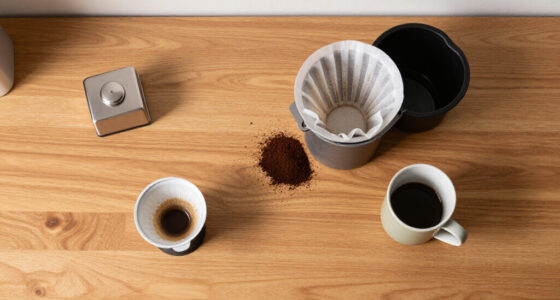
Plain paper filters can usually join the pile too, provided they’re uncoated and free of plastic or metal parts. Tear a filter into strips if it lands as a tight, wet bundle, then mix it into the browns. Local composting rules vary, so check before adding filters to a municipal collection even when your backyard pile accepts them.
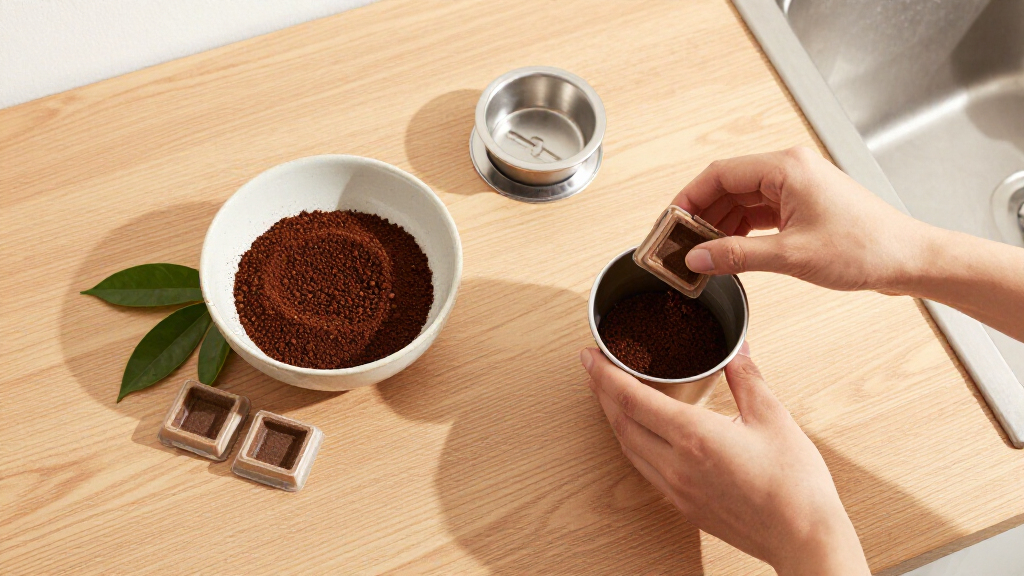
A coffee puck from an espresso machine is simply compressed used grounds. Knock it out of the basket and break it up in the pile so air can move around it. If you brew every day but compost only on weekends, keep the grounds in a covered container and empty it regularly; a week of damp grounds can grow mold or smell stale. Keep the container beyond the reach of pets and children, since the grounds may still contain caffeine.
Products Worth Considering

Breville Smart Grinder Pro Conical Burr Coffee Grinder, Brushed Stainless Steel

Le Creuset Signature Enameled Cast Iron Round Dutch Oven, 5.5 qt, Deep Teal

Traeger Pro 22 Wood Pellet Grill and Smoker, 572 sq. in.
As an affiliate, we earn on qualifying purchases.
Build a compost mix that doesn’t turn into a soggy coffee cake
To compost coffee grounds well, spread them through a varied mix of damp greens and dry browns rather than piling them in one spot. A balanced pile should feel moist, not waterlogged, and should have enough loose material for air to pass through. For a kitchen-scale batch, add a thin scattering of grounds, then cover or mix them with dry leaves or shredded cardboard.
- Collect briefly. Use a covered container for a few days and empty it before grounds turn moldy or unpleasant. Don’t leave it open where flies or pets can reach it.
- Break up clumps. Crumble espresso pucks and separate any paper filter that has stayed folded into a tight wad.
- Add dry browns. Mix in dry leaves, shredded plain cardboard, or another accepted carbon-rich material. Use more browns if the bin feels wet or smells sour.
- Check the texture. If the pile feels like a damp sponge and lets air through, you’re on the right track. If it’s slick and packed, fluff it with dry material.
For example, after brewing a full carafe, you might add the grounds and filter to a countertop container, then empty that container into the outdoor bin with a couple of handfuls of dry leaves. The leaves do more than hide the coffee: their coarse texture helps keep air pathways open. Small, mixed additions beat one big dump, especially in a compact bin or during rainy weather.
There’s no universal scoop count that suits every compost pile. A large, leafy heap can absorb more grounds than a small, wet bucket. Let the pile’s feel and smell guide you: a sharp, sour odor or a dense, slippery layer means it needs more dry structure and airflow, not another load of fine grounds.
Use grounds lightly in the garden, not as a thick mulch
Used coffee grounds are not a complete fertilizer, so don’t count on them to feed a plant by themselves. They contain some nutrients, but the amounts and availability vary. A thick surface layer can compact when wet and restrict the movement of air and water, which is the opposite of what roots need.
Imagine spreading a dark blanket of fine grounds around a tomato seedling after a rainy week. The surface may crust as it dries, while the damp layer underneath stays tight. Instead of helping the plant, it can make it harder for water and air to reach the soil. Keep grounds away from seedlings and avoid using them as a standalone mulch; add a modest amount to finished compost or mix a small quantity into soil with other organic material.
Garden advice often treats grounds as a special boost for roses, tomatoes, or houseplants. They are not a targeted feed for any of those. A tomato growing in a container, for instance, needs a growing medium and nutrient plan suited to container conditions; a sprinkle of grounds cannot replace that plan. Finished compost or a fertilizer labeled for the plant’s needs is a more dependable choice.
Use restraint and watch how your soil responds. If water beads or runs off a crusted patch, rake the surface gently and mix in coarser organic matter rather than adding more fine grounds. Used grounds can be part of a garden’s organic material, but they are not a magic ingredient. Think of them as one small ingredient in a broader soil-care routine.
Don’t count on coffee grounds to acidify soil or stop pests
Used coffee grounds usually cannot acidify garden soil reliably, and they are not a dependable way to repel slugs, cats, or insects. Brewing removes much of the coffee’s acidity, so spent grounds are often close to neutral. If you need to change soil pH, test the soil first and choose an amendment suited to the test result and the plant.
That matters if you’re growing a plant that prefers acidic conditions. A gardener might add grounds around a shrub expecting a lower soil pH, then see no change because the grounds are not a predictable pH treatment. A soil test gives you a measurement instead of a guess. Use the result to decide whether any amendment is needed, rather than treating the coffee pot as a soil-testing kit.
Claims about pest control also deserve a pause. Results from grounds as a barrier or repellent are inconsistent, and concentrated grounds can harm seedlings or inhibit plant growth. If slugs are chewing young leaves, for example, don’t rely on a ring of coffee grounds as your only defense. Choose a pest-control approach recommended for the specific problem, and check that it is suitable for your garden and local conditions.
Fresh coffee and used grounds are not interchangeable: brewing changes the grounds’ acidity and leaves some caffeine behind. Even spent grounds can be harmful to pets if eaten in quantity, so don’t spread them where animals might snack. The practical rule is straightforward: compost them in a balanced mix, use them sparingly in soil, and don’t treat internet garden tricks as proven results.
Choose the right second life for your grounds and espresso pucks
Composting is the most practical reuse for most households, but a worm bin, community garden, or local organics program may also accept coffee grounds. The best choice depends on what you have, how much you brew, and what your local collection rules allow. Some cafés, workplaces, and municipalities collect spent grounds for composting, anaerobic digestion, or other processing; accepted materials and availability differ by location.
| Option | Works well when | Watch out for |
|---|---|---|
| Home compost pile | You can mix grounds with leaves or shredded cardboard. | A large, wet clump can compact and limit airflow. |
| Worm bin | You add modest amounts alongside bedding. | Too many grounds can make the bin acidic or compacted. |
| Community or municipal collection | Your local program accepts grounds and the container or filter you use. | Rules vary; confirm what belongs in the bin. |
| Odor absorption or cleaning | You need a small amount for a limited, non-delicate task. | Grounds can stain or scratch delicate surfaces, and damp grounds can mold. |
For a worm bin, mix a modest amount into the bedding rather than pouring in a fresh puck every morning. If the bin starts to smell or the contents clump, pause the grounds and add dry bedding. A neighbor with a community garden might welcome a bucket of grounds, but ask first: the garden may have its own compost recipe or collection rules.
Some people use dry grounds to absorb odors or as a gritty cleaning aid. Keep those uses limited, and test a small hidden area before scrubbing anything delicate; the grains can scratch, and the dark color can stain. For curbside organics, check the local program’s instructions instead of assuming a filter or espresso puck is accepted. A reuse route only helps when it fits the system receiving it.
Keep grounds out of drains and away from curious pets
Don’t make the garbage disposal your regular coffee-ground route; grounds can settle and contribute to buildup. Compost them or put them in the correct waste stream for your area instead. A quick rinse after brewing may carry loose grains away, but washing a thick puck down the sink is a different matter.
Picture an espresso puck breaking apart in a drainpipe: the fine particles travel with water, then settle where the flow slows. One small amount may not cause an immediate problem, but repeated disposal can add to residue and clogs. Knock the puck into compost or a lined waste container, and wipe loose grounds into the bin before rinsing the basket or cup.
Storage deserves the same practical care. A lidded jar or food-safe container works for short-term collection, but empty it regularly rather than letting damp grounds sit for ages. If you notice a musty smell, visible mold, or a sticky, packed mass, don’t handle it as a fresh garden ingredient; empty the container according to local rules and wash it with hot, soapy water.
Keep used grounds out of reach of pets and children. “Used” does not mean caffeine-free, and eating a large quantity can be harmful. A curious dog may be drawn to the smell of an open countertop tub, especially after a busy brunch. Close the container, store it on a high shelf or in a secured cupboard, and clean up spills promptly.
Make a simple weekly plan for the grounds you actually produce
The easiest reuse plan is one you can repeat without storing grounds for too long. Pick a destination first: a home pile, a worm bin, a local collection program, or the appropriate waste bin. Then match your storage to that routine. A household that brews one espresso a day may empty a small covered tub twice a week; a busy office may need a labeled collection bucket and a regular pickup schedule.
Start with the simplest example: after breakfast, tap the espresso puck into a small compost caddy, crumble it, and add a handful of shredded cardboard when you empty the caddy. If your compost pile is already soggy, skip the extra grounds that day and add dry leaves instead. The goal is not to save every particle at any cost; it’s to send organic material somewhere useful without creating a damp, smelly container.
For an apartment with no outdoor compost, check whether the city accepts food scraps and coffee grounds, or ask a community garden if it wants them. Confirm the rules for filters, liners, and collection containers before dropping anything off. Some programs accept plain paper filters; others set narrower rules. Local instructions matter more than a generic label saying “compostable.”
Use the same modest approach in the garden. If you have a small amount, add it to compost rather than scattering a thick layer around plants. If you want to change soil pH or correct a nutrient problem, test the soil and use a suitable amendment or plant fertilizer. That keeps the useful habit—reusing grounds—separate from the exaggerated claim that coffee leftovers can solve every garden problem.
Frequently Asked Questions
Can I put coffee grounds in compost?
Yes. Mix grounds into a varied pile with dry leaves, shredded cardboard, or other carbon-rich material so they don’t form a dense, wet clump. Plain paper filters and espresso pucks can usually go in too, subject to local rules.
Are coffee grounds green or brown compost material?
Composters generally count coffee grounds as a nitrogen-rich green, even though they look brown. Balance them with carbon-rich browns such as dry leaves or shredded cardboard to keep the pile airy.
Do used coffee grounds make soil more acidic?
Not reliably. Brewing removes much of the coffee’s acidity, and used grounds are often close to neutral. Test your soil pH before trying to change it, then use an amendment suited to the result.
Can I put coffee grounds directly on my plants?
A small amount mixed into soil or compost may be fine, but avoid thick surface layers. Fine grounds can compact when wet and restrict air and water, and concentrated grounds can harm seedlings. They also don’t replace a balanced fertilizer plan.
Can coffee grounds go down the garbage disposal?
It’s better not to make that a habit. Grounds can settle and contribute to buildup, especially when you dispose of whole espresso pucks repeatedly. Compost them or use the correct local waste stream instead.
Are used coffee grounds safe for pets?
Keep them out of reach. Used grounds can still contain caffeine, which may be harmful if a pet eats a large amount. Store grounds in a covered, secured container and clean up spills promptly.
Can coffee grounds repel slugs or insects?
Evidence for grounds as a reliable pest repellent is limited or inconsistent. Don’t rely on them as your only protection, and avoid concentrated piles near seedlings, since they can harm plants or inhibit growth.
Conclusion
Give coffee grounds a second life, but keep their job modest: mix them into balanced compost, use them sparingly in the garden, and check local rules before putting them in an organics bin. Skip the thick mulch, the sink, and the promise of a miracle fertilizer.
A damp espresso puck can be the start of rich compost—not a crust over your seedlings. Add it to the right mix, and let the leaves do their quiet work.