
TL;DR

Get coffee and tea gear delivered free with Prime
- Fast, free delivery on millions of items
- Prime Video, Amazon Music and more included
- Member-only deals all year
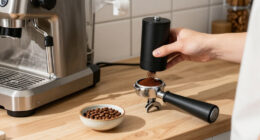
You can reduce coffee waste at home by buying only the beans you can use while they taste fresh, weighing each dose and espresso yield, and changing one brewing variable at a time. Store beans airtight and dry, keep your machine clean, and compost or reuse spent grounds where local rules allow; the puck itself is a normal part of making espresso.
A double espresso can disappear in two sips, but a week of failed shots can quietly empty your bean bag. For home espresso drinkers, the biggest waste often comes from small habits: guessing the dose, changing three settings at once, or buying more beans than the household can use while they taste fresh.
You don’t need a perfect, zero-waste coffee station to make a difference. You need a repeatable recipe, a storage routine, and a sensible plan for the grounds and drinks you don’t use. A scale and a notebook can do more for wasted coffee than a complicated gadget, much like a map helps you avoid circling the same block.
This guide shows you how to prevent avoidable waste, use leftover espresso safely, and deal with spent grounds without treating every puck as a failure. It also separates practical household steps from claims that sound greener than they are.
Start with a measured baseline, such as 18 g of coffee in and around 36 g of espresso out, then adjust to taste.
Record dose, yield, time, and one adjustment per test shot so a miss teaches you something.
Buy a quantity that matches your household’s brewing pace, and store beans airtight, dry, and away from heat and strong odors.
Use plain leftover espresso in a drink or recipe if it remains safe and palatable; refrigerate milk-based drinks promptly.
Compost spent grounds where accepted, but don’t pour them down the sink or apply thick layers directly to plants.
Stop wasting beans by making each shot a useful test
Coffee waste at home drops when every espresso shot tests one clear adjustment, rather than becoming an unpredictable experiment. Weigh your dose and yield, note the shot time, then change only one setting at a time; this lets you learn from a shot even when the flavor misses.
Start with a simple baseline: 18 g of coffee in and about 36 g of espresso out, a brew ratio near 1:2. That’s a starting point, not a rulebook. A darker roast, a light roast, or your own taste may call for a different yield, but you need a stable starting recipe before you can tell what helped.
For example, if your 18 g dose runs quickly and tastes sharp or sour, try a finer grind while keeping the dose and yield steady. If it drips slowly and tastes harsh, try a coarser grind. Write down the dose, yield, time, and change; otherwise, troubleshooting is like adjusting a radio while spinning the dial and forgetting where the station was.
- Weigh the dry dose into your basket and keep it consistent.
- Weigh the espresso in your cup so you know the actual yield.
- Record the shot time and taste, including whether it seemed sour, bitter, thin, or balanced.
- Change one variable, usually grind size, then pull another test shot.
Don’t chase a perfect number at the cost of drinking coffee you dislike. A scale reduces accidental over-dosing and gives you useful comparisons; it can’t make every bean taste the same. If you’re dialing in before breakfast, a small notebook or phone note saves both beans and patience on the next morning’s shot.
As an affiliate, we earn on qualifying purchases.
Buy only the beans your household can use while they’re fresh
Buy an amount they can use before the beans lose the aroma and flavor you bought them for. Whole beans generally hold their quality longer than ground coffee, but the pace of change varies with the roast, packaging, and storage, so there isn’t one universal deadline that fits every bag.
Use the roast date as a helpful clue, then pay attention to how the coffee smells and brews in your setup. If you make two drinks each morning and go through a bag quickly, a larger bag may suit you. If you pull espresso only on weekends, a smaller bag can mean less coffee sitting open for weeks while its aroma fades.
For instance, a household that makes one double shot a day uses roughly 18 g of beans daily with the example recipe above. At that pace, a 250 g bag represents about 14 doses before you account for dialing-in shots or other brewing. Do the same quick math for your routine instead of buying a big bag because the price per gram looks tempting.
Once opened, keep beans in an airtight, dry container away from heat, bright light, and strong odors. A cupboard away from the oven is usually more sensible than a sunny counter beside spices. Avoid opening a large container repeatedly if you’re storing beans for longer; each opening exposes them to air and humidity.
Freezing can help with longer storage if you divide beans into sealed, single-use portions and protect them from moisture and odor transfer. Let a sealed portion come to room temperature before opening it; opening cold beans can invite condensation. The refrigerator is usually a poor choice because moisture and food smells can follow beans like unwanted guests.
airtight coffee bean storage container
As an affiliate, we earn on qualifying purchases.
As an affiliate, we earn on qualifying purchases.
Use a simple routine to troubleshoot without pulling a pile of shots
Coffee waste at home falls when you diagnose a bad shot with a short routine instead of changing dose, grind, and yield all at once. Keep a stable dose, observe the pour and taste, and adjust one thing; that gives each test a job and makes the next shot easier to predict.
First, check the easy sources of inconsistency: did you weigh the dose, use the same basket, and start with beans stored properly? A grinder can retain older grounds, so the first dose after a setting change may not perfectly reflect the new grind. If your grinder retains coffee, allow for that behavior rather than assuming each adjustment reaches the basket instantly.
Next, use the shot as evidence. A fast, pale stream with a sour taste often points toward a grind that’s too coarse for your recipe; a very slow, harsh shot can point toward a grind that’s too fine. Those are clues, not laws: channeling, uneven distribution, bean age, or your chosen recipe can complicate the picture.
Imagine you pull a sour shot before work. Instead of grinding finer, adding two grams, and stopping the shot early, hold dose and yield steady and make one small grind change. If the next shot improves, you’ve learned something. If it doesn’t, return to your note and test the next likely cause without tossing several blind shots into the sink.
- Keep a baseline: record dose, yield, shot time, and grinder setting.
- Change one variable: don’t adjust dose and grind together.
- Taste before discarding: a slightly imperfect shot may work in an iced drink or milk drink.
- Clean when flavor turns stale: old oils and trapped grounds can make new coffee taste old.
Affordable scales and grinders with finer adjustments make repeatable brewing easier, but equipment alone won’t prevent waste. A careful routine matters more than a display full of numbers. If your beans have gone flat, a clever grind adjustment may change how they extract, but it cannot bring back aroma that has already faded.
reusable coffee grounds compost bin
As an affiliate, we earn on qualifying purchases.
As an affiliate, we earn on qualifying purchases.
Give leftover espresso a second life without taking food-safety risks
Leftover espresso can go into an iced drink, dessert, or sauce while it still tastes good and has been handled safely. Reusing it is a practical way to avoid pouring out a drink you don’t want, but it won’t repair stale beans or a badly extracted shot.
If you pull an extra shot by mistake, cool it promptly and use it in an iced coffee, a coffee-flavored dessert, or a recipe that calls for brewed coffee. You can also freeze plain espresso in small portions for later cooking or drinks. Label the portions so they don’t become mysterious brown cubes at the back of the freezer.
Say your second shot tastes a little too sharp to enjoy straight. It may still work over ice with milk, or in a dessert where coffee adds a roasted note. If it tastes unpleasant or smells off, discard it; hiding bad flavor under sugar doesn’t turn wasted coffee into a good cup.
Milk-based drinks need more care than plain espresso. Don’t leave a latte sitting at room temperature for an extended period; refrigerate it promptly if you plan to keep it, and use sensible food-safety practices. When you’re unsure how long a drink has been out, throwing it away is safer than trying to rescue it.
Keep the difference clear: using a drink you already made is a small household win, not a reason to brew extra coffee without a plan. The simplest strategy remains to make the amount you expect to drink. Leftover espresso is a useful backup, like saving yesterday’s roasted vegetables for lunch, but it works best when you handle it promptly and give it a specific next use.
As an affiliate, we earn on qualifying purchases.
Handle spent grounds without clogging pipes or overfeeding plants
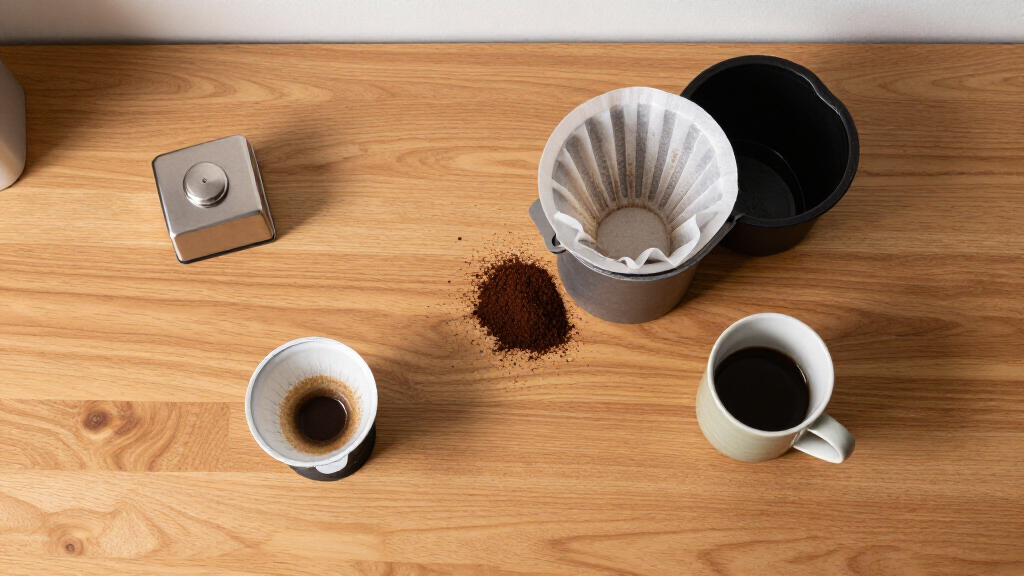
Spent espresso grounds are the ordinary residue of brewing, not proof that you wasted the coffee. Put them in a municipal food-waste stream or compost when your local program accepts them; avoid sending them down the sink, where grounds can collect with oils and other debris.
A puck still holds some flavor and liquid, but pulling another espresso from it usually makes a weak, unbalanced drink. It’s like squeezing a damp tea bag again and expecting the first cup’s brightness: you may get liquid, but not the same satisfying extraction. Composting or food-waste collection is usually a better destination than a second shot.
Grounds can join a compost pile in moderation, but they are not a complete fertilizer and don’t belong in thick layers around houseplants. A dense layer can compact, slow water movement, or affect soil conditions. If you add grounds to a garden, mix small amounts into an active compost system rather than spreading a fresh puck like a blanket over the soil.
For example, if your town collects food scraps, scrape the puck into the accepted bin and rinse the basket. If it doesn’t, check local composting guidance before assuming a home compost pile or a “compostable” package follows the same rules. Municipal acceptance varies, and some packaging needs industrial composting rather than a backyard pile.
Don’t treat coffee-ground reuse as a major climate fix. The more direct household win is usually preventing good beans from going stale or keeping failed shots to a minimum. Grounds are still worth handling thoughtfully, but they’re the end of the brewing process, not the main place to search for savings.
Clean your espresso setup so old coffee doesn’t spoil fresh beans
A clean espresso setup helps your next shot taste like the beans you chose, not like yesterday’s trapped coffee oils. Follow the manufacturer’s directions for baskets, shower screens, and grinder cleaning; stale residue can muddy flavor and lead you to discard coffee that was brewed with perfectly good beans.
After a brewing session, knock out the puck, rinse the basket and portafilter, and wipe away grounds before they dry into a dark crust. Clean the shower screen and other parts on the schedule your machine maker recommends. For a grinder, follow its own instructions rather than pouring water into parts that aren’t designed for it.
Here’s a familiar scenario: your beans smell sweet and fresh in the bag, but the shot has a rancid, dusty edge. You might blame the roast or change the grind five times. Yet old coffee oils in a basket or retained grounds in a grinder can be the real culprit; a cleaning check can save you from wasting beans on adjustments that never addressed the problem.
Maintenance doesn’t have to mean deep-cleaning after every espresso. A short rinse and wipe after use, plus regular cleaning as directed, makes the routine manageable. Think of it like washing a pan before burned sauce hardens: a minute now can prevent a much bigger chore later.
Use taste as a prompt, not as your only maintenance calendar. If flavors turn dull or stale, inspect the equipment and check whether grounds are lingering where they shouldn’t. Clean tools won’t fix old beans or a flawed recipe, but they remove one avoidable source of bad shots.
Choose low-waste packaging and storage that match your local options
Low-waste coffee choices work best when they fit your real routine and local collection rules. Reusable accessories, food-waste programs, and composting can help, but a package marked “compostable” may need an industrial facility rather than a home compost pile.
Check the instructions on a bag and your local waste service before sorting it. Labels can sound straightforward while the facilities needed to process that material aren’t available in your area. The same goes for recycling: the right bin depends on the material and local rules, not simply on a recycling symbol printed on the package.
Consider a household that buys beans in small bags because it has no access to a suitable packaging-recovery stream. That can still be a sensible choice if it prevents a large bag from going stale. Another household that uses beans quickly might reasonably prefer a larger bag, especially if it can store the beans well and its local program accepts the packaging.
Frozen portions offer another tool, especially if you buy more beans at once than you can use quickly. Divide beans into sealed, single-use portions, then avoid repeatedly thawing and refreezing the same supply. Moisture and odors can move in during careless handling, so portioning is more useful than tossing an opened bag into the freezer.
Reusable cups and accessories may reduce disposable items, but they aren’t a substitute for using coffee efficiently. Start with the waste you can prevent most reliably: buy a realistic quantity, dose accurately, and make each test shot informative. Think of packaging choices as the frame around the picture; the coffee you save from going stale is still the main image.
Frequently Asked Questions
How long do espresso beans stay fresh after opening?
There’s no single freshness deadline that suits every roast, bag, and storage setup. Use the roast date as a guide, store beans airtight and away from heat and light, and notice when their aroma or flavor changes.
If a bag tastes flatter over time, adjust your recipe if needed, but don’t expect brewing changes to bring back lost aroma.
Should I store espresso beans in the fridge or freezer?
The fridge is generally a poor place for beans because moisture and food odors can affect them. Freezing can work for longer storage when you seal beans in small, single-use portions.
Let a portion come to room temperature while it’s still sealed, then open it; this helps avoid condensation on the beans.
Why do I keep wasting shots while dialing in espresso?
Common causes include inconsistent dosing, changing several variables at once, stale beans, and grounds retained in the grinder. Weigh the dose and yield, note the shot time, and adjust just one variable per test.
A short record turns a sour or slow shot into useful information instead of a reason to repeat the same guess.
Can I pull another espresso shot from a used puck?
You can experiment, but a second extraction from the same puck is usually weak and unbalanced. It’s generally more useful to compost the spent grounds or put them in an accepted food-waste stream.
Don’t put espresso grounds down the sink; they can collect in plumbing, especially alongside oils and other debris.
Are coffee grounds good for plants?
Not automatically. You can add small amounts to compost, but thick layers of grounds may compact, interfere with water movement, or affect soil conditions.
Grounds aren’t a complete fertilizer, so check local composting guidance and avoid treating them as a direct replacement for plant care.
What should I do with espresso I don’t want to drink?
If plain espresso still tastes good, chill it for an iced drink, use it in a recipe, or freeze it in a labeled portion. Discard coffee that smells or tastes unpleasant rather than trying to hide it.
Refrigerate milk-based drinks promptly if you plan to keep them, and don’t leave them at room temperature for an extended period.
Conclusion
The easiest place to cut espresso waste is before the puck hits the knock box: buy a realistic amount, weigh your recipe, and make every adjustment deliberate. Keep beans dry and sealed, clean the parts that touch coffee, and send spent grounds to a suitable compost or food-waste stream when local rules allow.
Remember the simple baseline—18 g in, about 36 g out, one change at a time. A better morning shot starts with fewer guesses, not a bigger bin for the mistakes.
Halloween Picks
halloween
As an affiliate, we earn on qualifying purchases.