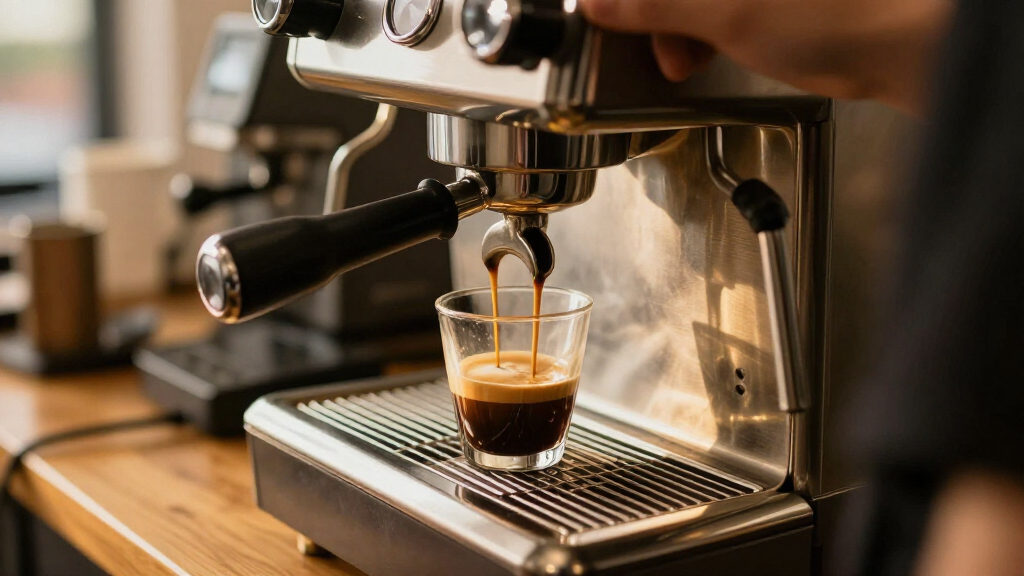
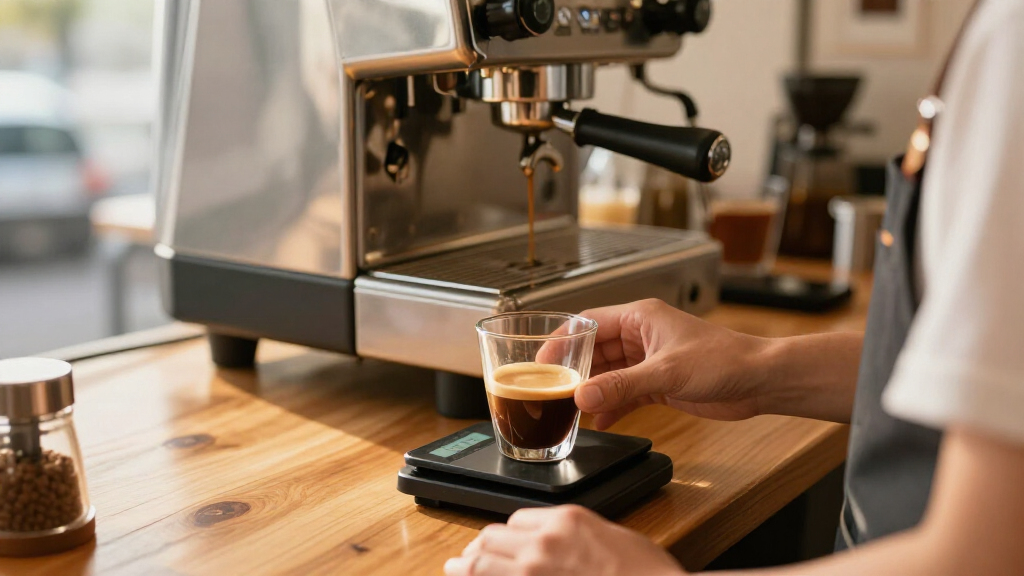
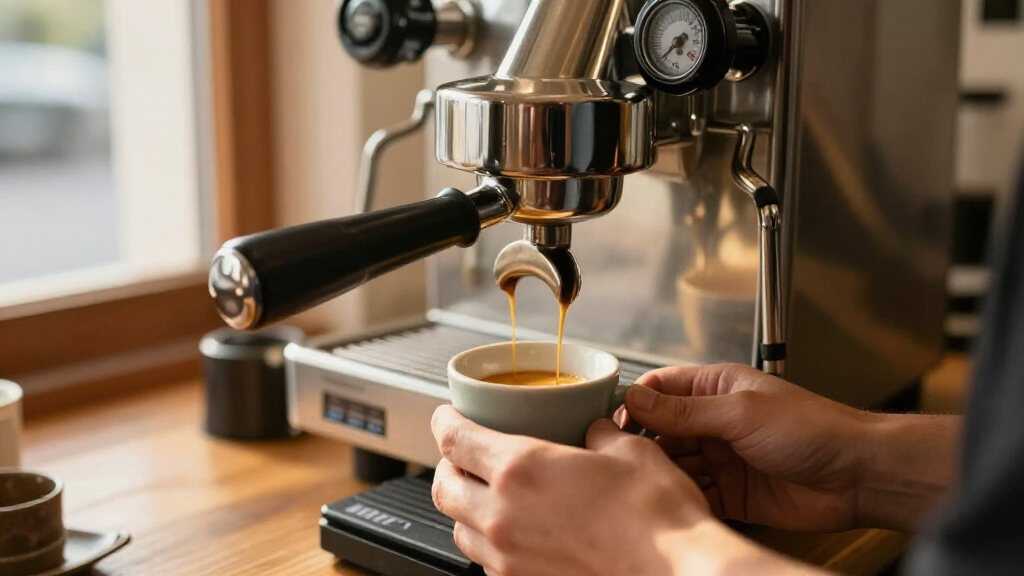
Learn why espresso chokes, how grind, dose, puck prep, and equipment restrict flow, and what to change for a balanced shot.
Browsing Category
Extraction Science
38 posts
Why Brew Temperature Changes Acidity and Bitterness
Learn how brew temperature shifts coffee’s acidity and bitterness, what to adjust when a cup tastes sour or harsh, and how to test temperatures at home.
Why Light Roasts Need More Heat, More Time, or More Patience
Learn why light-roast coffee can taste sour or thin, how heat and brew time affect extraction, and how to adjust your recipe without overdoing it.
The Hidden Role of Solubility in Espresso Flavor
Learn how solubility affects espresso flavor, why sour and bitter notes can coexist, and how to adjust your shot one variable at a time.
Why Finer Grinding Can Make Espresso Worse
Learn why finer espresso grounds can cause slow, harsh, uneven shots—and how to adjust your grind, recipe, and puck preparation.
The Sweet Spot in Espresso Extraction Is Smaller Than You Think
Learn why small changes in grind, yield, and puck prep can transform espresso—and how to find a balanced shot without chasing one perfect recipe.
The AI Barista That Can Spot Trouble but Still Miss the Sale
Firmulate’s AI models spotted crises but often missed the close. See what a live company experiment reveals, and how enterprises can test their own playbooks.
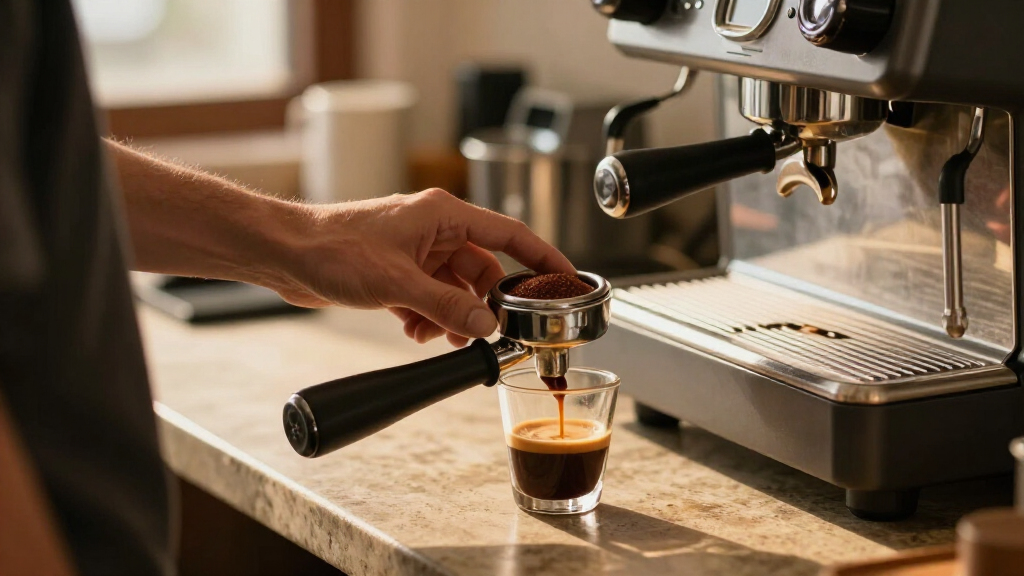
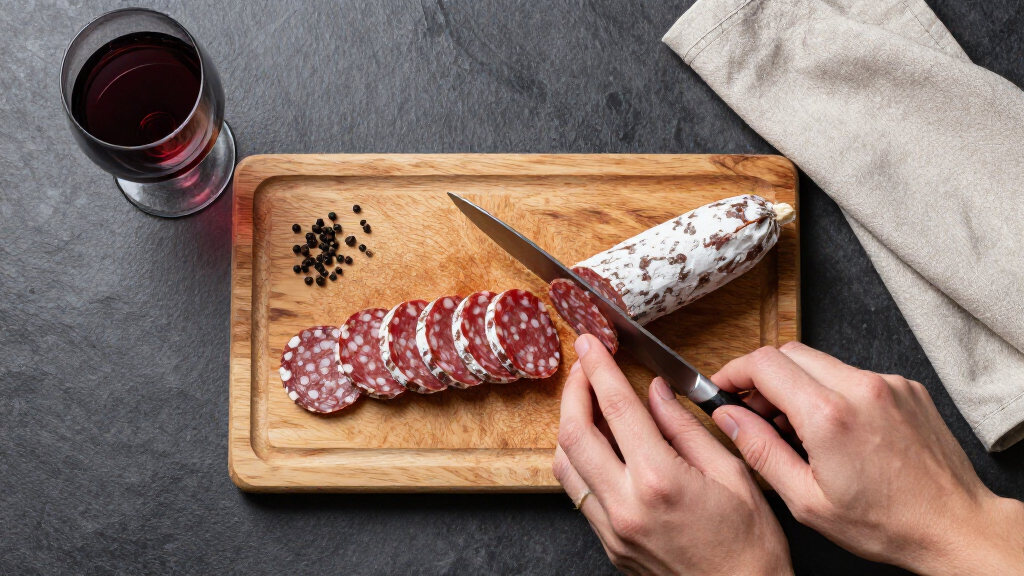
The Salami Shot Method: Taste Extraction One Slice at a Time
Learn the salami shot method: splitting an espresso into timed slices to taste extraction stages and dial in your grinder like a pro.
Why Shot Time Alone Does Not Tell the Whole Story
A 30-second espresso can taste sour, bitter, or balanced. Learn how dose, yield, grind, puck prep, and taste explain what time alone misses.
Flow Rate Explained: The Espresso Variable Hiding in Plain Sight
Flow rate quietly controls your espresso. Learn how to read it, measure it, and fix it — with real numbers and simple fixes you can try today.