
TL;DR

Get coffee and tea gear delivered free with Prime
- Fast, free delivery on millions of items
- Prime Video, Amazon Music and more included
- Member-only deals all year
Light-roast coffee can be harder to brew because its beans are often denser, less porous, and less soluble than darker-roast beans, so water may need more energy or contact time to extract their flavors. Start near boiling, adjust grind or brew time in small steps, and taste after each change; the goal is a sweet, balanced cup, not the hottest or longest brew.
A light roast can taste like lemon and honey one morning, then like a sharp, hollow sip of sourness the next. The difference may not be the beans. Light-roast coffee can resist extraction, so a familiar recipe that works beautifully for a darker roast may leave a lighter one tasting thin or unfinished.
Roasting changes a bean’s structure. Darker beans become more porous and brittle, while lightly roasted beans often keep more of their original density. That can make it harder for water to reach and dissolve their flavor compounds. The fix is not automatically “brew it hotter and longer”; temperature, grind, contact time, and water flow work together.
This guide shows you how to spot underextraction, when hotter water or extra brew time can help, and when those changes can make your cup worse. You’ll finish with a practical way to adjust one variable at a time, whether you’re making a careful pour-over before work or pulling a light-roast espresso on a weekend.
Light-roast beans are often denser and less porous, so a recipe built for dark roast may leave them thin or underextracted.
For many manual brews, water near 96–100°C (205–212°F) is a useful test when a cup tastes hollow or sharply sour, but it is not a universal rule.
Change one variable at a time: test temperature, grind, or contact time separately so you can tell what improved the cup.
A longer pour-over drawdown can signal clogging or uneven flow, not better extraction; check grind size and pouring technique.
Judge the full cup: bright acidity with sweetness can be balanced, while a dry or harsh finish may call for less extraction or more even flow.
Coffee / Extraction Field Guide
Why Light Roasts Need More Heat, More Time, or More Patience
Light-roast coffee can be dense, less porous, and slower to extract. Start with a repeatable recipe, make one small change, then taste for sweetness, balance, and finish.
Temperature, grind, contact time, and water flow work together. Let the cup guide the next move.
Extraction takes work
Roasting changes bean structure. Light roasts often retain more density; darker roasts become more porous and brittle, letting water reach soluble compounds more readily.
More compact
Water may have a harder time reaching and dissolving flavor compounds in a lightly roasted bean.
Thin or unfinished
Sour, salty, sharply acidic, or hollow flavors can point to underextraction—especially when sweetness and finish disappear.
Bright can be balanced
Lemon-like acidity with sweetness and a pleasant finish may be the coffee’s character. Acidity alone is not proof of a brewing problem.
Roast color is a clue, not a recipe. Origin, variety, processing, and roast profile all affect density and solubility, so two similarly light beans can brew quite differently.
Three levers, one cup
Heat, time, and grind can all increase extraction, but each changes the brew differently. Match the adjustment to the flavor you taste.
| Taste or signal | Try next | Watch for |
|---|---|---|
| Sharp, hollow, thin | Raise temperature modestly Try near 96–100°C for a manual brew. | Keep dose, grind, and pouring steady while comparing. |
| Still weak or underdeveloped | Grind a little finer More surface area can increase extraction. | A very fine grind can slow flow and contribute to uneven extraction. |
| Immersion tastes hollow | Add a little steep time Grounds remain surrounded by water. | Back off if the cup becomes rough, dry, or bitter. |
| Pour-over drawdown is unusually slow | Check grind, filter, and agitation Let the brew finish naturally. | A long drawdown can signal clogging or channeling, not useful even extraction. |
| Dry, harsh, or bitter finish | Back off extraction Try coarser grind, less time, or gentler agitation. | More heat or time may intensify the harshness. |
Make each brew teach you something
Change one variable at a time so you can tell which adjustment made the cup sweeter, clearer, or rougher.
Set a baseline
Keep dose, water amount, brewer, and pouring routine consistent.
Repeatable recipePick one lever
For a hollow cup, try a modest temperature increase; change nothing else.
One variableTaste the whole cup
Note sweetness, sharpness, body, and finish—not acidity by itself.
Full impressionKeep or reverse
If it improves, keep the change. If it turns dry or rough, back off.
Small next stepRead the direction, not just the clock
Brewing is a balance between access, contact, and flow. More time helps only when water reaches the grounds evenly.
From bean to better adjustment
Use the coffee’s structure as context, then let its taste decide whether to add or reduce extraction.
Why a light roast can taste sharp, thin, or unfinished
Light-roast coffee can be harder to brew than a dark roast because its beans are often denser and less porous, which makes it harder for water to extract flavor compounds. If your cup tastes thin, salty, sharply sour, or hollow, underextraction may be part of the problem. A real-world clue: the first sip seems lively, but the finish disappears before you can pick out sweetness.
Brewing extracts soluble compounds from ground coffee into water. Roasting changes how readily water can move through the bean and dissolve those compounds. Darker roasting makes beans more porous and brittle; light roasting preserves more of the bean’s structure. Think of it like steeping a tightly packed tea leaf versus a crumbly one: the water has more work to do before the cup opens up.
Still, acidity alone doesn’t prove underextraction. A naturally bright coffee can taste lemony or tart even when it is brewed well. The difference is the whole impression: a balanced light roast can pair clean acidity with sweetness and a pleasant finish, while an underextracted cup often feels pointed, weak, or unfinished. If a washed coffee tastes like a crisp green apple with a sweet finish, that brightness may be its character—not a reason to keep grinding finer.
Roast color is also an imperfect brewing instruction. Two beans that look similarly light can behave differently because origin, variety, processing, and roast profile all affect density and solubility. So treat “light roast” as a useful clue, not a recipe. Your palate is the final test, and the coffee in your mug matters more than the label on the bag.
Products Worth Considering

Instant Pot Pro 8 Qt 10-in-1 Electric Pressure Cooker, Black

Ninja Artisan 5-in-1 Portable Electric Pizza Oven, Blue & Gold

Breville Smart Grinder Pro Conical Burr Coffee Grinder, Brushed Stainless Steel
As an affiliate, we earn on qualifying purchases.
What hotter water changes—and when it helps
Hotter water generally extracts coffee compounds faster, so more heat can help a light roast taste fuller and sweeter. For many manual brews, 92–100°C (198–212°F) is a sensible starting range, with water near boiling—often around 96–100°C (205–212°F)—worth trying when the cup tastes sour or hollow. That’s a starting point, not a rule that every bean needs boiling water.
Imagine you brew the same light roast twice using the same dose and grind, but the first brew starts with water at 90°C and the second with water just off the boil. If the hotter cup has more body and a sweeter finish, heat was probably useful. If it turns rough, dry, or bitter, the extra heat may have pushed the brew too far—or exposed uneven extraction that temperature alone cannot fix.
Water temperature is only one part of the brew. Grind size and water flow shape how much contact the water has with the grounds, while water chemistry can affect how flavors come through. A temperature-controlled kettle makes comparisons easier, but you can also start with freshly boiled water and use it promptly. Small differences in pouring and timing matter, so keep your routine steady while you test.
Try changing temperature in modest steps rather than jumping between extremes. For example, if your usual recipe uses water at 92°C, move closer to 96°C and keep everything else the same. Take notes on sweetness, sharpness, and finish. The aim is a clearer, more satisfying cup—not a hotter brew for its own sake. If your current cup already tastes dry or harsh, adding more heat is unlikely to be the kindest next move.
When a longer brew helps—and when it only slows things down
More contact time can increase extraction when the water is moving through or sitting with the coffee evenly. That makes extra time a useful option for a light roast that tastes weak or underdeveloped. But a longer brew is not automatically a better brew: a slow pour-over drawdown can come from clogging or uneven water flow, not from useful, even extraction.
With immersion brewing, such as a French press, you can test a slightly longer steep because the grounds remain surrounded by water. If your usual steep is four minutes and the cup tastes hollow, add a little time and taste the difference. With pour-over, though, the total brew time is a clue rather than a goal. A drawdown that stretches far beyond your normal recipe may mean the grind is too fine, the filter is clogged, or heavy agitation has disturbed the bed.
Picture a pour-over where the water finds a narrow channel and rushes through it. Some grounds get plenty of contact; others barely get wet. The clock keeps ticking, but the cup can still contain both underextracted and overextracted flavors. Extending the brew may intensify the dry parts without fixing the thin ones. Evenness matters as much as duration.
Use time as a measured adjustment. Keep your dose, grind, and pouring pattern steady, then give an immersion brew a modest extra steep or let a pour-over finish naturally without repeatedly flooding it. If the result becomes sweeter and more complete, the added contact helped. If it tastes drying or rough, return to your previous time and look at grind, flow, and agitation instead of asking the brew to wait longer.
How to adjust your light-roast recipe without chasing your tail
To tune a light roast, change one brewing variable at a time and judge the cup after each change. This keeps you from raising the temperature, grinding finer, and extending the brew all at once, then having no idea which move helped. Start with a repeatable recipe, use taste as your feedback, and make small adjustments.
- Set a steady baseline. Keep your coffee dose, water amount, brewer, and pouring routine consistent. If yesterday’s cup used 15 grams of coffee and today’s uses 18, the comparison will be muddy.
- Try hotter water if the cup is thin or sharply sour. For a manual brew, water near 96°C can be a practical test. Keep the grind and timing unchanged.
- Grind a little finer if it still tastes hollow. Finer grounds expose more surface area to water and can increase extraction. Make a small adjustment, since too fine a grind can slow flow or clog a filter.
- Check contact time and flow. Add a little time to an immersion brew if needed. For pour-over, a slow drawdown is a reason to check grind and technique, not simply to celebrate a longer brew.
- Back off if the finish turns dry or harsh. Try a coarser grind, less agitation, or a shorter brew, then taste again.
Consider a weekday example: your light-roast pour-over tastes lemony but hollow, and finishes quickly. You raise the water temperature slightly while keeping everything else fixed. The next cup feels sweeter, so you keep that change and only then test a slightly finer grind. This one-variable approach turns brewing into a useful experiment instead of a string of guesses.
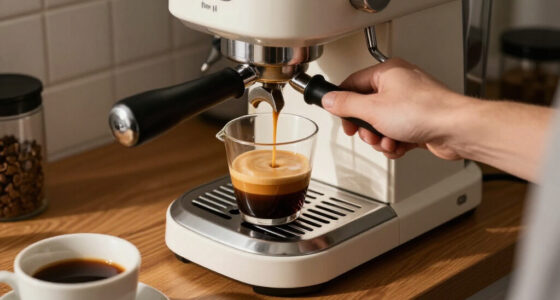
For espresso, the same logic applies, though the machine, grinder, basket, and coffee all affect the result. A light roast may respond to hotter water, a finer grind, or a longer ratio, but extending a shot can also make it dry or uneven. Change one setting at a time and taste the result. The best recipe is the one that suits that coffee and your equipment, not the one with the most elaborate numbers.
How to tell a bright cup from an underextracted one
A bright cup has clear acidity balanced by sweetness and a pleasant finish; an underextracted cup often tastes sharp, thin, salty, or unfinished. Don’t judge a light roast by sourness alone. Instead, notice whether the acidity feels like a clean, juicy fruit note or an abrupt edge that takes over the whole sip.
For example, a light coffee might remind you of a tart apple. If you can also taste honey-like sweetness and the flavor lingers cleanly, that brightness may be part of the coffee’s character. If the cup tastes more like an unripe apple—sharp at the front, hollow in the middle, and short on sweetness—your recipe may need more extraction. The comparison is simple: balanced acidity has company; underextraction leaves acidity on its own.
Dryness and bitterness tell a different story. If your tongue feels rough after each sip, or the finish tastes harsh and papery, you may have gone too far, or water may be passing unevenly through the grounds. In that case, pouring hotter water or letting the brew run longer may worsen the problem. A slightly coarser grind or gentler pouring can be a better test than adding still more heat.
Taste the coffee after it cools a little, too. Very hot coffee can hide some of its sweetness and make careful comparisons difficult. Give two test cups a few minutes, then check sweetness, body, and aftertaste. You do not need specialist tasting terms; you only need to ask whether the cup feels complete, pleasant, and balanced enough that you want another sip.
What uneven water flow does to your cup
Uneven water flow can leave some grounds underextracted and others overextracted in the same brew. That is why hotter water or more time may fail to improve a cup that tastes both sharp and dry. Even extraction depends on water reaching the coffee consistently, not simply on giving it more time to work.
In a pour-over, water can make a channel through the coffee bed, much like rain cutting a narrow path through loose soil. The grounds beside that path may see a rush of water, while dry pockets stay behind. A sudden, forceful pour or vigorous swirling can disturb the bed; a grind that is too fine can slow flow and encourage clogging. The result is a cup with competing flavors instead of a smooth, clear profile.
Try keeping your pouring gentle and steady. Wet the grounds evenly, then pour in a controlled way rather than blasting one spot with a thin stream. If your drawdown slows dramatically, test a slightly coarser grind or reduce agitation. A slow brew is not always a failure, but a sudden change in drawdown time is useful information. Compare it with your normal brew before making several adjustments.
This is where patience earns its keep. A new coffee may need a few consistent brews before you know whether the issue is temperature, grind, or technique. Record the recipe and one or two taste notes after each cup. If the coffee improves when you change one variable, keep that adjustment; if not, undo it and test another. Repeatable brewing gives you better answers than changing everything at once.
A quick comparison of the fixes that work best
The right adjustment depends on what your cup tastes like and how you brew it. Use hotter water, a finer grind, or more time when the cup seems underextracted; pull back or improve water flow when it tastes rough or dry. Match the change to the symptom instead of applying every fix at once.
| What you notice | First adjustment to test | What to watch for |
|---|---|---|
| Thin, hollow cup with sharp acidity | Raise water temperature modestly | Look for more sweetness, not just stronger sourness |
| Still weak after a temperature change | Grind slightly finer | Check that flow does not become very slow or clogged |
| Immersion coffee tastes unfinished | Extend steep time a little | Stop if the finish becomes dry or harsh |
| Pour-over drawdown suddenly drags | Try a coarser grind or gentler pouring | Do not assume extra time means better extraction |
| Dry, rough, or bitter finish | Reduce extraction or improve evenness | Test a coarser grind, less agitation, or shorter brew |
For instance, if your pour-over tastes sour and hollow but finishes in a normal time, hotter water may be a clean first test. If it already takes much longer than usual and tastes both sharp and dry, simply waiting longer is a poor bet; check your grind and water flow first. The table is a starting map, not a machine that diagnoses every bean.
Light roast is not one fixed brewing style. One coffee may open up with higher temperature, while another may need a different grind or a more even pour. Keep your dose and water amount steady while you test, and judge the cup as it cools. That simple habit lets you spot improvements without confusing a new recipe with a new coffee.
Frequently Asked Questions
Does light roast always need boiling water?
No. Water near boiling is a useful starting point for many light roasts, especially in manual brewing, but the best temperature depends on the coffee, recipe, and brewer. If your cup already tastes dry or harsh, hotter water may make it worse.
Why does my light roast taste sour?
It may be underextracted, especially if the cup also tastes thin, salty, or hollow. Try a small increase in water temperature or a slightly finer grind, changing only one variable at a time. Some coffees are naturally bright, so sourness by itself does not prove a brewing problem.
Should I grind light-roast coffee finer?
A slightly finer grind can help if your coffee tastes weak or unfinished because it exposes more surface area to the water. Adjust gradually: an overly fine grind can slow flow, clog a filter, or make extraction less even.
Is a longer brew always better for light roasts?
No. More contact time can increase extraction, but a slow pour-over caused by clogging or uneven flow may still produce an unbalanced cup. Try extra time only when the method and taste suggest it will help, and stop if the finish becomes dry or harsh.
Why is my light-roast pour-over drawdown slow?
A fine grind, excess fines, filter clogging, heavy agitation, or a deep coffee bed can all slow a pour-over. Try a slightly coarser grind or gentler pouring before treating the long drawdown as desirable. A slow brew can contain both underextracted and overextracted flavors if water moves unevenly.
Can a light roast taste sweet?
Yes. A well-brewed light roast can taste sweet, clear, and complex, with bright fruit notes and a clean finish. If it tastes hollow or sharply sour, adjust extraction; if it tastes rough or drying, reduce extraction or improve water flow.
Conclusion
When a light roast tastes hollow, start with hotter water or a slightly finer grind—but change one thing at a time. Give the cup a moment to cool, taste for sweetness as well as acidity, and let the finish guide your next move. More heat, more time, and more patience are tools, not commandments.
Your best light-roast brew is not the one that runs longest or steams hottest. It is the one that turns a sharp first sip into a clear, sweet cup you want to linger over.