TL;DR

Get coffee and tea gear delivered free with Prime
- Fast, free delivery on millions of items
- Prime Video, Amazon Music and more included
- Member-only deals all year
Espresso often starts pale, darkens as more coffee contributes to the flow, and turns blonde when the later liquid looks lighter and thinner. Roast, freshness, grind, distribution, recipe, and machine all affect the color, so blonding is a cue rather than a universal stop signal. Weigh your dose and output, track time, and taste the shot before changing your recipe.
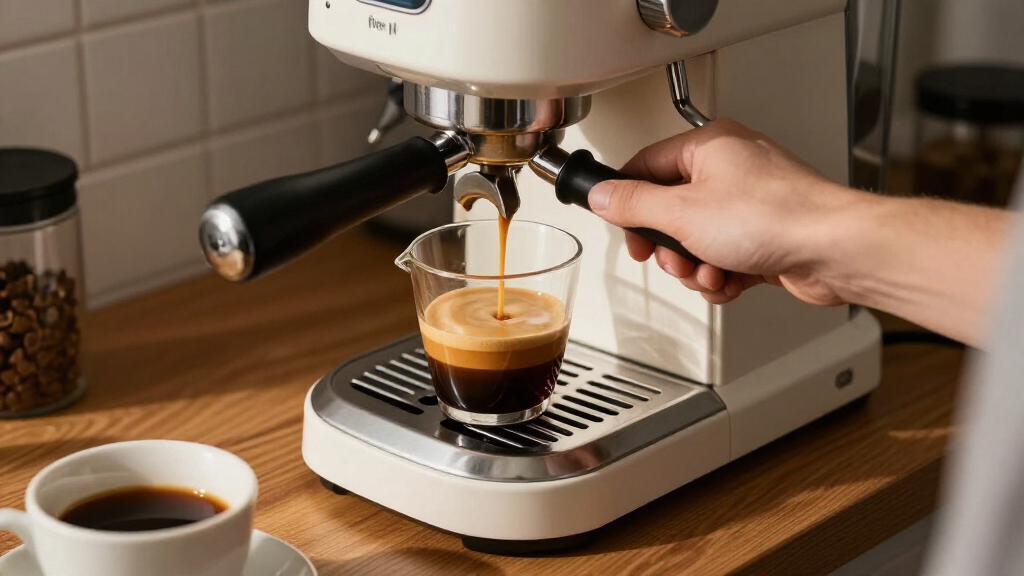
The first drops from your espresso machine can look like pale caramel, then the stream deepens to a glossy brown before fading toward blond. That shift is real, but it is not a built-in traffic light telling you exactly when to stop.
Espresso changes color as water moves through the coffee bed and carries different dissolved compounds and particles into your cup. Crema—the tan or reddish foam on top—also changes what you see. Together, these details make the pour worth watching, but not worth judging by color alone.
This guide explains why espresso starts pale, why it often darkens in the middle, and what blonding can—and cannot—tell you at the end. You’ll also get a simple way to compare shots using taste, time, and brew ratio, so your next adjustment comes from evidence rather than guesswork.
A pale start can reflect early flow and uneven saturation; it does not prove the whole shot is under-extracted.
The darker middle often reflects a fuller contribution from the coffee bed, while crema and roast also affect the visible shade.
Blonding marks a visual change in the late flow, not a universal signal to stop or a direct measure of over-extraction.
Record coffee dose, espresso output, and shot time, then taste before changing your recipe.
When a shot changes quickly, adjust one variable at a time and compare the result rather than chasing a particular color.
Why Espresso Starts Pale, Turns Dark, and Ends Blonde
The changing stream can offer clues about what is happening in the coffee bed. Read the color alongside flow, recipe, and taste—not as a traffic light with one universal stop point.
Three phases, one moving coffee bed
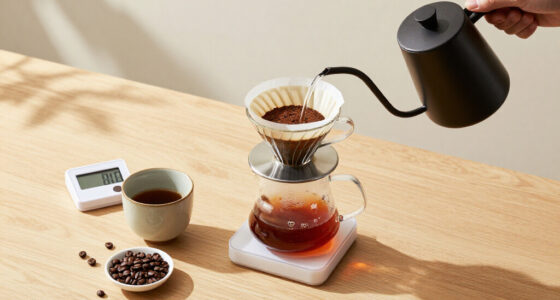
Water carries dissolved compounds and tiny particles through the grounds. The visible color shifts as flow and contribution from the bed change; crema adds its own tones.
Pale start
First drops can be relatively thin or pass through early paths before the bed is evenly contributing. A brief pale start alone does not diagnose the finished shot.
Darker middle
As more of the coffee bed contributes, the stream often looks more concentrated and brown. Suspended particles and crema also shape its apparent depth.
Blonde finish
Later liquid may look lighter and thinner. It can signal a change in the flow, but the color does not tell you by itself whether the shot is over-extracted.
Color has more than one cause
The same coffee can look different when its roast, preparation, recipe, or brewing conditions change. Crema forms as coffee gases—especially carbon dioxide—disperse through pressurized liquid; its color and persistence vary too.
Roast
Darker roasts often look deeper brown; lighter roasts can appear more amber.
Freshness
Fresh coffee can release more gas and produce a livelier crema cap.
Grind & dose
These shape resistance and influence how quickly the shot runs.
Distribution & tamp
Uneven puck preparation can encourage channeling through easier paths.
Ratio & shot length
A longer shot can include more pale, late-stage liquid in the cup.
Machine & basket
Pressure, temperature, basket shape, and flow control affect the pour.
What blonding can—and cannot—tell you
Late flow may taste thin, bitter, or dry when it adds little you want. But a pale stream can still produce a balanced cup, and a dark one can still taste sour or underdeveloped.
Notice the change
Pronounced blonding can mean the shot is nearing its end. Check whether the flow is fading and whether the taste remains pleasant.
Repeat, measure, taste
Track dose, output, and time with the same method. Taste for sour, sweet, bitter, thin, or dry qualities, then adjust one variable and compare.
Build evidence before changing the recipe
Use the same steps each time. Consistency makes it easier to tell whether a grind or yield adjustment actually improved the cup.
Weigh dose
Record the dry coffee, for example 18 g.
Weigh output
Choose a repeatable yield, such as 36 g.
Track time
Use the same start point for every shot.
Taste first
Note sweetness, sourness, bitterness, and texture.
Change one
Adjust grind or yield, then compare again.
Let the cup make the call
A 1:2 brew ratio is an example, not a rule for every coffee. Dose and output help you repeat the shot; taste tells you whether that recipe suits the coffee. Modern pressure- and flow-profiled machines can create different color patterns, so a fixed visual cutoff cannot fit every setup.
Ground coffee dose to espresso output. Record shot time too, then taste before changing the recipe.
Why Does Espresso Start Pale?
Espresso starts pale because the first drops can be relatively thin, and the coffee bed may not yet contribute evenly to the flow. As hot water under pressure enters finely ground coffee, it dissolves and carries out compounds; the first liquid can look light before more of the bed joins in. A pale start is a feature of the pour, not a diagnosis of the finished shot.
Think of the coffee bed like a dry sponge being wetted from one side. Until water spreads through the grounds, a few early paths may release liquid faster than the rest. If those paths move quickly, the first drops can be pale and watery-looking. An unevenly prepared puck can exaggerate that effect because water finds easier routes through the grounds instead of spreading evenly.
For example, you might see a light trickle appear at one edge of the basket before the center begins to flow. That can point to uneven saturation or channeling, but a brief pale beginning alone does not prove either problem. Look at the whole shot: does the stream gather evenly, and does the espresso taste balanced once you stir it?
Color as it changes also depends on the coffee and the room. A light roast may produce a lighter-looking pour than a dark roast, while a white cup makes the contrast easier to see than a dark ceramic one. So when it may look light, check your setup before treating that shade as a flaw. Take note of the flow, then taste the cup.
Products Worth Considering

Breville Smart Grinder Pro Conical Burr Coffee Grinder, Brushed Stainless Steel

Breville Bambino Espresso Machine, Brushed Stainless Steel

De'Longhi Dinamica Plus Fully Automatic Espresso Machine
As an affiliate, we earn on qualifying purchases.
Why Does the Middle of the Shot Turn Darker?
Espresso often changes from pale to dark as more of the coffee bed contributes to the stream. Once water moves through a broader portion of the puck, the liquid can carry a more concentrated mix of dissolved coffee compounds and suspended particles. That fuller-looking middle flow often appears darker and richer than the first drops.
The change is a little like adding more color to a glass of water: the appearance shifts as the mixture changes. But espresso is more complicated than a simple dye. Its appearance also comes from tiny coffee particles and crema, which forms when gases released by coffee—especially carbon dioxide—disperse through the pressurized liquid.
Crema can look golden, hazelnut-brown, or reddish, and it can affect the apparent color of the shot. Freshness, roast, and brewing conditions all influence how much foam forms and how long it lasts. A fresh coffee may produce a lively cap of crema, while a coffee that has rested longer may show less. Neither appearance gives you a complete reading of flavor.
Imagine two shots made with the same recipe: one from a dark roast and one from a lighter roast. The dark roast may look deeper brown in the cup, while the lighter roast may look more amber, even if both shots flow steadily and taste pleasant. A dark stream is not proof of good extraction, just as a lighter stream is not proof of a bad one. Use the middle color as context, then check your recipe and taste.
What Does It Mean When the Flow Turns Pale?
Espresso ends blonde when the later flow looks lighter, often thinner, than the darker middle of the shot. This stage is called blonding, and it can signal that the character of the liquid coming through the coffee bed has shifted. It offers a useful visual clue that the shot is nearing its end, but it does not tell you by itself whether the espresso is over-extracted.
As brewing continues, later liquid may contain fewer of the compounds that give the earlier flow its dark appearance. If you keep running the shot, the cup can gain volume while the added liquid tastes thin, bitter, or drying. That is why some baristas stop when blonding becomes pronounced—especially when the flavor is already fading.
Still, blonding has no universal cutoff. A pale flow may taste balanced in one recipe and watery in another. Roast, shot length, machine settings, cup color, and lighting can all change what you see. Modern machines that vary pressure or flow during brewing can produce a different color pattern from a steady-pressure shot, even with the same coffee.
For a practical example, suppose your espresso turns blonde at 28 seconds and tastes sweet, rounded, and clean. There is no need to stop earlier just because the stream changed color. If it turns pale at 20 seconds and tastes sharp or thin, investigate the grind, puck preparation, and output instead. Blonding is a cue to taste and measure, not a command to cut the flow.
Which Clues Are More Reliable Than Espresso Color?
Color alone cannot tell you whether espresso is well extracted; taste, measured output, and shot time make a more useful set of clues. A shot that looks dark can taste sour and underdeveloped, while a blonde-looking pour can still produce a balanced cup. Your palate gives you the result that matters: the flavor in the cup.
Start with a repeatable recipe. Weigh the dry coffee dose and the espresso output, then record how long the shot takes. For example, if you use 18 grams of ground coffee and collect 36 grams of espresso, you have a 1:2 brew ratio. That ratio is a starting point, not a rule for every coffee; changing the dose or output changes the strength and taste.
Use the following sequence when you want to judge a new shot without letting color boss you around:
- Weigh the dose. Record the dry coffee going into the basket, such as 18 grams.
- Weigh the output. Stop at a repeatable target, such as 36 grams, and note the result.
- Track the time. Start timing when the pump begins or use the same timing method each time.
- Taste before adjusting. Note whether the espresso tastes sour, sweet, bitter, thin, or dry.
- Change one variable. Adjust grind size or yield, then compare another shot.
This gives you a fair comparison. If one shot runs faster than your usual recipe and tastes sharp, grind a little finer and see what changes. If it runs longer and tastes harsh or drying, adjust the grind or yield in the other direction. One change at a time helps you connect cause and effect instead of chasing a different color with every shot.
What Makes Espresso Blond Faster—or Stay Dark Longer?
Grind, dose, puck preparation, roast, and shot length all affect how quickly espresso changes color. The same coffee can look different when you change the recipe, and the same shade can mean different things on different machines. Treat appearance as the result of several interacting choices, not a fixed reading on a dial.
A grind that is too coarse can let water rush through quickly, while a small dose may leave a shorter or less resistant coffee bed. Uneven distribution and tamping can create channels where water takes the easiest path. If your espresso turns blonde unusually early and the shot also runs fast, these are reasonable places to investigate. A fast pale stream alone, however, does not identify the exact cause.
Freshness matters too. Freshly roasted coffee releases more gas, which can create more crema, and very fresh beans can be harder to extract evenly. Roast level also affects appearance: darker roasts often make darker-looking espresso, while lighter roasts may appear brighter. A long shot may include more pale late-stage liquid; a shorter shot may stop before that color change becomes obvious.
Consider a morning when you switch from an older dark roast to a recently roasted light coffee but keep your usual grind and dose. The new coffee may show a different crema and turn pale at a different point. Instead of assuming the machine has gone wrong, weigh the shot, taste it, and adjust one variable. Machine pressure, temperature, basket shape, and flow control can also shift the result, so a recipe that works on one setup may need tuning on another.
How Can You Decide Whether to Stop at Blonding?
Stop a shot when its measured yield and taste suit your recipe, not simply when the stream turns blonde. Blonding becomes useful when it lines up with a flavor change: the espresso starts tasting thin, excessively bitter, or dry. If the color shifts but the cup remains balanced, that change alone is not a reason to stop early.
Try a simple side-by-side test with one coffee. Pull one shot to your usual target weight, then pull a second shot a little longer, keeping the dose and grind the same. Taste both after they cool slightly. If the longer shot adds a hollow, drying finish, the extra late-stage liquid may not suit your taste. If it adds sweetness or brings the cup into balance, you may prefer the longer yield.
Keep the test controlled. Use the same cup type, espresso dose, and preparation method, and write down the output and time. A difference of even a few grams can change the drink, so a scale helps you compare what actually happened rather than relying on the length of the stream. The machine’s pour can look dramatic while the scale quietly reveals that both shots produced almost the same amount.
For example, if your 18-gram dose tastes balanced at 36 grams but turns dry at 42 grams, try stopping closer to the first yield. If it tastes sour at 36 grams and becomes sweeter at 40 grams, the extra output may help. Let flavor settle the question, and use blonding as a prompt to pay attention. There is no accepted blonding point that fits every bean, recipe, and machine.
Frequently Asked Questions
Is blonding a sign that espresso is over-extracted?
Not by itself. Blonding often happens late in a shot, but over-extraction is judged by the flavor. If the espresso tastes harsh, very bitter, or drying, the yield may be too long for your recipe; a pale stream that tastes balanced does not need to be cut short just because of its color.
Should I stop my espresso as soon as it turns blonde?
No—use blonding as a cue, not a fixed stop signal. Check your output weight and taste the shot. If the late liquid makes the espresso thin or unpleasant, try stopping earlier; if the drink stays balanced, the color change alone is not a reason to stop.
Why does my espresso turn blonde very quickly?
A fast, early color change can accompany a fast-running shot. A coarse grind, low dose, uneven distribution, or channeling may let water move through the puck too quickly. Record the time and output, inspect your puck preparation, and change one variable at a time so you can find the cause.
Why does my espresso stay dark?
A dark stream can come from the coffee or the way you brew it. Darker roasts, shorter shots, machine settings, and lighting can all keep the flow looking deep brown. Darkness does not prove that the espresso is better extracted; taste and measured recipe are more useful checks.
Does pale espresso mean the coffee is under-extracted?
No, pale color alone does not measure extraction. Espresso can look pale at the start or during the late flow for different reasons. Under-extraction is better assessed through the recipe and taste; a sour, sharp, or thin cup can be a clue, but color by itself cannot confirm it.
What is the difference between blonding and crema?
Blonding describes a lighter-looking espresso flow as the shot progresses. Crema is the foam that collects on top, formed when gases such as carbon dioxide disperse through pressurized coffee. Crema affects the shot’s appearance, but it is not the same thing as the color change in the stream.
Conclusion
Watch the stream, but let taste and measured output make the final call. A pale beginning, a dark middle, and a blonde finish can help you notice how a shot develops, yet the same colors can lead to different cups depending on the coffee and recipe.
Next time you pull espresso, weigh the dose and yield, note the time, and taste before you change anything. The stream tells a story; your cup delivers the ending.