TL;DR
Remineralization filters pass purified or low-mineral water through mineral media to add selected minerals, often including calcium, magnesium, or bicarbonate. They can help you tune flavor when you start with reverse-osmosis or distilled water, but TDS alone cannot show whether the water suits your coffee or machine; check the mineral profile, follow the brewer maker’s water guidance, and compare cups under consistent brewing conditions.
Your coffee can taste sharp and hollow even when the beans are fresh and your grinder is behaving. One reason may be the water: reverse osmosis can strip away most dissolved minerals, leaving little behind to shape extraction. A remineralization filter is designed to put selected minerals back into coffee water, but the number on a TDS meter will not tell you the whole story.

Get coffee and tea gear delivered free with Prime
- Fast, free delivery on millions of items
- Prime Video, Amazon Music and more included
- Member-only deals all year
This guide explains what hardness, alkalinity, and TDS mean at the kitchen counter; when a mineral cartridge can help; and what to check before connecting one to a brewer. You’ll also get a practical comparison method, machine-care pointers, and ways to tell whether a change improved the cup. The goal is simple: water that tastes good with your coffee and fits your equipment’s requirements.
A remineralization cartridge adds selected minerals to purified or low-mineral water; cartridges differ in media and output.
Hardness and alkalinity affect coffee in different ways, so TDS alone cannot describe a useful brewing profile.
Check your starting water and brewer’s specifications before adding minerals, especially for an espresso machine.
Compare water samples with the same coffee dose, grind, temperature, and brewing method to judge flavor fairly.
Follow the cartridge maker’s capacity and replacement guidance; a single TDS reading or taste test cannot confirm cartridge life.
Remineralization filters for better coffee water
These filters add selected minerals to purified or low-mineral water. The right profile can shape flavor while helping your water fit your brewer.
What minerals change
Hardness and alkalinity affect the cup in different ways.
Calcium and magnesium
These minerals influence extraction and taste. Excessive hardness can encourage scale.
Acid buffering
Often supplied by bicarbonate, alkalinity affects perceived brightness. Too much can make coffee seem flat.
A total, not a profile
TDS measures dissolved material but does not identify it. Two waters with the same reading can behave differently.
Choose for your water and brewer
A cartridge designed for RO water may not behave predictably with already mineralized tap water.
Look for hardness and alkalinity details, not just a promise to raise TDS.
Follow the brewer maker’s water requirements, especially for boilers and espresso machines.
Cartridge or measured recipe?
Both approaches can add minerals to purified water, with different levels of convenience and control.
- Adds minerals as water flows
- Output and capacity vary by design
- Follow replacement guidance
- Let you adjust a water recipe
- Require measuring and preparation
- Can suit different coffees or brew methods
Compare cups fairly
Keep the coffee recipe steady so water is the meaningful difference.
- Use the same beans, dose, grind, temperature, and brewing method.
- Note sweetness, acidity, body, and any dull or bitter finish.
- Use TDS as one tracking clue; a reading alone cannot confirm the mineral profile or cartridge life.
What a remineralization filter adds to your coffee water
A remineralization filter passes purified or low-mineral water through media that releases selected dissolved minerals. Depending on the cartridge, it may add calcium, magnesium, bicarbonate, or a blend of ions. If you make coffee with RO water that tastes thin or sharply sour, a mineral stage may give you a more useful starting point for brewing.
Think of coffee water as a mixing board: minerals adjust how the cup’s flavors come through, while the beans and recipe supply the music. A cartridge can shift that balance, but it cannot rescue stale coffee or a badly uneven grind. Cartridges also differ in media, flow rate, capacity, and intended use, so “remineralization” does not describe one standard output.
For example, a home brewer who feeds an RO system into a filter may want the filter to add a repeatable mineral profile without measuring salts for every jug. A different brewer may prefer mineral packets because they can change the recipe for a pour-over one day and espresso the next. Convenience and control trade places: a cartridge treats water as it flows, while packets ask you to measure and mix.
Labels can help you understand what a cartridge is meant to do, but claims alone do not prove its water profile. Look for stated hardness and alkalinity, not just a promise to raise TDS. The key question is whether the output fits your coffee and brewer, and whether it stays consistent as the media is used.
Products Worth Considering

Traeger Pro 22 Wood Pellet Grill & Smoker

KitchenAid Classic Series 4.5 Quart Tilt-Head Stand Mixer, Onyx Black

Weber Lumin Portable Electric Grill, Black
As an affiliate, we earn on qualifying purchases.
Why hardness and alkalinity change the flavor in your cup
Remineralization filters add selected minerals to low-mineral water because hardness and alkalinity affect different parts of the brew. Hardness mainly reflects dissolved calcium and magnesium, while alkalinity—often supplied by bicarbonate—buffers acids. For coffee, the balance matters: water with little mineral content can taste thin or sharply sour, while high hardness or alkalinity can make a cup seem flat.
Picture a bright light behind a stained-glass window. A little buffering can soften the sharpest edges without hiding the colors; too much can wash out the detail. That is a useful way to think about alkalinity and acidity in a cup, though your beans, roast, grinder, and brew method all influence the final result. It is not a promise that one mineral blend makes every coffee taste better.
Imagine brewing the same light-roast coffee with straight RO water and with water treated by a cartridge. If the RO cup tastes thin and aggressively tart, the remineralized version may feel rounder or more balanced. If the treated cup loses the lively citrus character you enjoy, the new profile may be too far from your preference or may simply suit that coffee less well.
When you compare cups, keep the dose, grind, water temperature, and brew method steady. Otherwise, a finer grind or a different pour can change extraction enough to distract from the water difference. Treat tasting as a small, repeatable experiment: note sweetness, acidity, body, and any dull or bitter finish instead of relying on a vague “better” impression.
Why the TDS number cannot tell you if your water suits coffee
TDS is an estimate of the total concentration of dissolved substances; it does not identify which substances are in the water. Two samples can show the same TDS and contain different amounts of calcium, magnesium, bicarbonate, or other ions. That is why a single meter reading cannot certify that your coffee water has the flavor balance or machine compatibility you need.
Think of TDS like the total weight of a grocery bag: it tells you how much is inside, but not whether it holds apples, flour, or coffee beans. A meter is still handy for tracking changes. If treated water’s reading shifts over time, that may prompt you to check the cartridge or compare another sample, but the reading cannot explain what caused the change.
For instance, a café might record the output of a new cartridge at installation and again later, using the same meter and sampling method. A stable reading can be reassuring as one piece of information, but it does not prove the mineral blend remains ideal. A water test that separates hardness and alkalinity gives more useful detail when you need to understand the profile.
pH alone is also a poor recipe for coffee water. It describes how acidic or alkaline water measures at that moment, while alkalinity tells you more about its capacity to buffer acids. If your cup tastes dull despite a seemingly tidy pH or TDS number, look at the water composition and brew variables together rather than chasing one number.
How to choose a filter that fits your water and brewer
Choose a remineralization filter by checking your source water, the cartridge’s stated output, and your brewer’s water guidance. A cartridge meant for RO water may behave unpredictably on already mineralized tap water, and a cartridge for drinking-water taste may not offer coffee-specific control. Start with what is in your water now, then compare that with what the filter is meant to add.
Here’s a practical scenario: you install RO at home because your tap water leaves scale in a kettle. Before adding a cartridge, you check whether the filter maker describes a profile for RO output and whether your espresso-machine manual sets water limits. That few-minute check can prevent you from treating a setup meant for one kind of water as a universal solution.
Use this checklist before you buy or connect a cartridge:
- Identify the starting water. Find out whether you use RO, distilled, or tap water, and check its existing mineral content when possible.
- Read the stated profile. Look for hardness and alkalinity information; TDS alone leaves out important details.
- Confirm intended use and fit. Check connection, flow, and compatibility with your filtration system.
- Check capacity and replacement guidance. Cartridge performance can depend on volume treated, flow, and starting water.
- Follow brewer specifications. Taste preferences do not override the water limits in your espresso machine or brewer manual.
Some brewers want less adjustment and value a cartridge that treats water automatically. Others enjoy the control of concentrates or packets, which let them make a measured recipe from RO or distilled water. If you are comparing options, a guide to remineralization filters for espresso can help you see which features are worth checking, but verify the output and compatibility for your own setup.
How to compare remineralized water without changing your coffee recipe
You can tell whether remineralized water suits a coffee by brewing a controlled comparison with the same beans, dose, grind, and method. Water is only one variable in the cup, so change it while keeping the others steady. This simple test gives your palate a fairer chance to notice whether sweetness, body, acidity, or aftertaste changed.
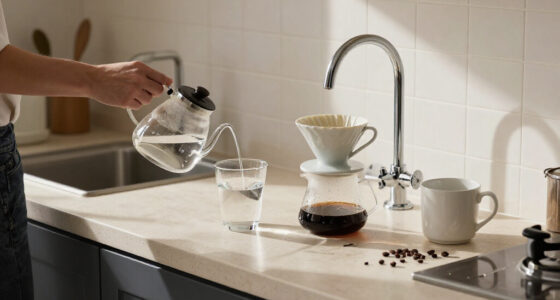
Try this on a quiet morning with one bag of coffee and two small brews. Label the cups A and B before tasting if someone can help; that way you focus on the cup rather than the water story in your head. A light roast may reveal changes in bright acidity clearly, while a chocolatey medium roast may make differences in body easier to notice.
- Prepare two water samples: your current brewing water and the remineralized water.
- Use the same coffee dose, grind setting, brewer, and water temperature for each cup.
- Brew each cup as closely as possible to the same timing and pouring pattern.
- Taste both after they cool slightly, then write down the flavor and texture differences.
- Repeat the comparison on another day before deciding that a water change is a keeper.
For example, if the treated cup has a softer, rounder finish but hides the lemony notes you like, you have learned something useful even if you prefer the original. If the cups taste alike, the filter may offer little benefit for that coffee, or other brewing variables may matter more. Keep notes on the water and coffee together so you can revisit the result when you open a new bag.
How to protect your espresso machine from scale
Minerals that help your coffee taste lively can also contribute to scale inside a machine, so remineralized water still needs to fit the brewer maker’s specifications. Scale can build where water heats, especially inside boilers and other hot-water paths. A filter designed to add minerals is not automatically a scale-control device, and good taste does not prove the water is safe for every espresso machine.
Imagine a machine that makes a silky shot every morning but starts heating slowly after months of use. Scale is one possible cause, and the water profile is one detail to review alongside maintenance and service history. The example is a reminder to treat flavor and machine care as linked questions, not to assume that a pleasant cup tells you what is happening inside the boiler.
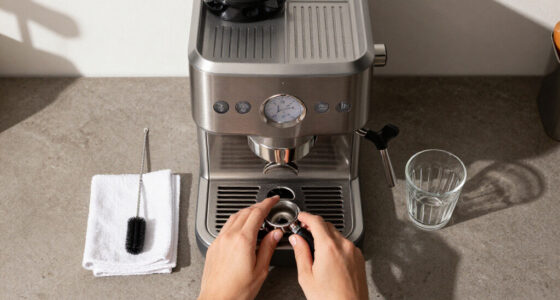
Check the manual for water requirements before changing a machine’s supply. If you have a plumbed-in system, confirm that the filter and flow arrangement match the equipment. For a countertop brewer, follow the manufacturer’s descaling and cleaning instructions; do not use a generic schedule or household remedy that conflicts with its directions.
Water treatment also does not replace ordinary food and equipment hygiene. Store water in a clean, covered container, avoid leaving it warm for long stretches, and follow the filter maker’s instructions for cartridge handling and replacement. If the water smells unusual, the cartridge is damaged, or the machine shows a service warning, stop and investigate before continuing to brew.
When a cartridge makes sense—and when another method may suit you
A remineralization cartridge makes sense when you start with purified or low-mineral water and want a convenient way to add a repeatable mineral profile. It may be unnecessary on tap water that already has substantial hardness or alkalinity. Adding minerals without knowing what is there can push the profile in an unwanted direction and raise scale risk.
Think of the options as different kitchen tools. A cartridge is like a faucet-side seasoning step: quick and easy, but the recipe is largely set by the media. Mineral packets or concentrates are more like measuring spices into a pot; you have more control, but you need to measure and mix each batch with care.
A home brewer who makes the same espresso every day may value a cartridge’s convenience. A hobbyist who switches between a floral pour-over and a concentrated espresso may prefer to make separate batches from distilled or RO water, adjusting the recipe by method. Neither approach guarantees a better cup; the right fit depends on your starting water, how much control you want, and the storage or preparation work you are willing to do.
Distilled water can be a useful starting point for a deliberate recipe, but straight distilled water may taste unbalanced, and some equipment requires water within specific mineral limits. A water softener is different again: it is generally designed to reduce hardness, often through ion exchange, while a remineralization filter adds minerals after purification. Knowing that distinction helps you avoid expecting one treatment to do the other’s job.
Frequently Asked Questions
Will a remineralization filter always make coffee taste better?
No. It can improve coffee brewed with very low-mineral water, but flavor depends on the beans, recipe, brewer, and your preferences. Compare the same coffee with both waters before deciding whether the change helps.
Can I use remineralized water in an espresso machine?
Often, but check the machine maker’s water requirements first. Water can taste good and still contribute to scale, so make sure the filter’s output suits the machine and follow its maintenance instructions.
Does a TDS meter tell me if my coffee water is good?
Not on its own. It estimates total dissolved material but cannot distinguish calcium, magnesium, bicarbonate, or other ions. Use it to track changes, not as a full mineral profile or a guarantee of good flavor.
Can I remineralize tap water?
You can, but first find out what the tap water already contains. If it has substantial hardness or alkalinity, adding more minerals may be unnecessary and could increase scale risk.
How often should I replace a remineralization cartridge?
Follow the maker’s stated capacity and replacement schedule. Output can vary with starting water, flow, and the amount treated, so a single taste or TDS reading does not reliably tell you when the cartridge is spent.
Are mineral packets different from a filter cartridge?
Yes. A cartridge treats water as it flows and offers convenience, while packets or concentrates let you measure a recipe for a batch of water. Packets give you more control but require accurate mixing and clean storage.
Conclusion
Use a remineralization filter as a way to tune low-mineral water, not as a promise of better coffee. Check what it adds, match the output to your brewer’s water guidance, and compare cups with the recipe held steady.
When the water fits the machine and the cup tastes balanced to you, keep the recipe. Let the minerals do their quiet work behind the scenes, like a steady hand setting the stage for the coffee to shine.