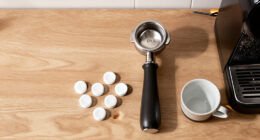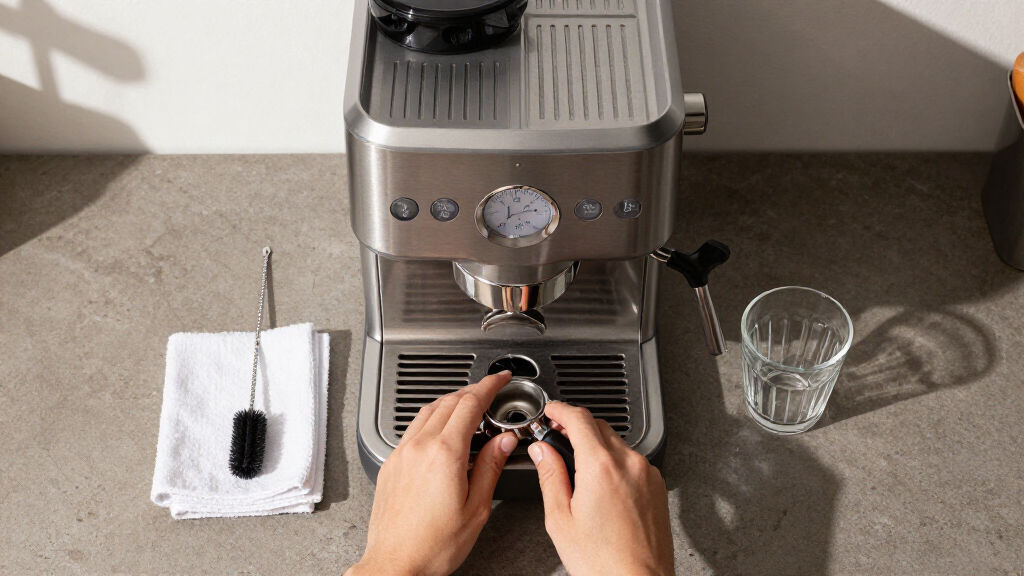

TL;DR
Clean the parts that touch coffee or milk after each use, then tidy the group area and removable parts daily. Clean baskets and backflush only as your machine allows; descale according to its instructions, water conditions, and service prompts rather than a universal calendar.
A forgotten milk streak can turn a sweet cappuccino into a sour one by tomorrow morning. The good news: you don’t need to take your espresso machine apart after every coffee. A few quick habits handle fresh grounds and milk, while less frequent maintenance tackles buildup inside the machine.
This guide gives you a practical routine for after each shot, at the end of the day, and during periodic maintenance. You’ll also see why your machine’s manual should set the rules for backflushing and descaling.
After every shot, knock out the puck and rinse the basket and portafilter.
After steaming milk, wipe the wand immediately and briefly purge it.
Clean the group area daily; clean baskets and backflush only as your machine’s manual allows.
Descale according to your machine’s instructions, water conditions, and service indicators—not a universal calendar.
Maintain the grinder separately, since espresso-machine cleaning won’t remove its old grounds and oils.
How Often Should You Clean an Espresso Machine?
You don’t need to take your machine apart after every coffee. A few quick habits handle fresh grounds and milk, while less frequent maintenance tackles buildup inside the machine — and a forgotten milk streak can turn a sweet cappuccino into a sour one by tomorrow morning.
A simple routine after each shot and each day
Small, frequent cleaning prevents residue from drying into stubborn buildup without making every espresso a maintenance project. Follow the manufacturer’s directions for removable parts — and don’t put a component in the dishwasher unless the manual says it is dishwasher-safe.
Clear the puck
- Knock out the puck immediately.
- Rinse the portafilter and basket.
- Wipe the basket dry before the next use.
Wipe & purge the wand
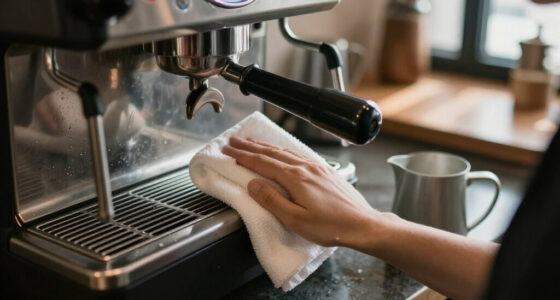
- Wipe the wand promptly with a clean, damp cloth.
- Briefly purge to clear milk from the tip.
- Keep the wand cloth separate from other cleaning cloths.
Tidy the group area
- Clean the group head and shower screen as the manual directs.
- Brush grounds from the group gasket.
- Wash milk-contact parts; rinse the drip tray and water tank.
What belongs in weekly and occasional care
A busy household making several drinks a day may need more frequent care than someone pulling one weekend shot. Deeper maintenance follows your machine’s instructions — never a universal calendar.
| When | Typical task | What to check |
|---|---|---|
| After each shot | Empty puck; rinse basket and portafilter | Fresh grounds or oils left behind |
| After steaming milk | Wipe and briefly purge the steam wand | Milk residue around the tip |
| Daily | Clean the group area; rinse the drip tray | Grounds near the gasket; standing water |
| Weekly / as directed | Clean baskets; backflush only if supported | Buildup on the screen, gasket, or wand tip |
| As indicated | Descale or replace water filters | Alerts, water hardness, service instructions |
Cleaning removes
Coffee oils, grounds, and milk residue from every part that touches your drink — the portafilter, basket, group area, and steam wand.
Oils · Grounds · MilkDescaling targets
Mineral deposits inside the water circuit. A clean portafilter won’t remove scale from a boiler — and a descaling cycle won’t wash milk from a wand.
Mineral scale onlyHandle with care: Some machines require a specific descaling product; others advise against user descaling entirely. Treating vinegar as a universal fix can leave unwanted residue or harm parts — check the manual before pouring anything into the tank.
Catch flavor and flow problems before they grow
A shot that suddenly tastes stale with fresh beans? Check for old coffee oils on the basket, portafilter, and shower screen before blaming the beans. If flow stays slow after cleaning, consult your machine’s troubleshooting guidance.
Bitter or rancid flavors
Old coffee oils coating coffee-contact parts.
Visible residue
Buildup on the screen, gasket, or steam-wand tip.
Reduced flow
Partially blocked shower screen or basket.
Clogged steam tip
Dried milk residue — wipe and purge immediately.
Maintenance alert
Follow the manual; it may name a product or recommend service.
Effort vs. Frequency
From fresh grounds to deep maintenance
Quick answers
Clean after every use?
Yes — for parts that collect fresh grounds or milk. A full deep clean is not needed after every shot.
How often to backflush?
Follow the manufacturer’s schedule and confirm your machine supports it. Detergent backflushing isn’t right for every model.
Dish soap or vinegar?
Use products only where the manual permits. Household cleaners and vinegar may leave residues or harm parts.
How often should you clean an espresso machine?
Clean coffee and milk contact points after each use, give the group area and removable parts a tidy at day’s end, and reserve deeper cleaning for the schedule your machine permits. That rhythm keeps fresh residue from drying into stubborn buildup without making every espresso a maintenance project.
For example, after a morning shot, knock out the puck and rinse the basket. If you steam milk for a latte, wipe and briefly purge the wand right away; dried milk can cling like glue. At night, clean the group area and wash any milk-contact parts you used.
How often should you clean an espresso machine beyond those quick tasks? That depends on its design, how many drinks you make, and the maker’s directions. A busy household using the machine several times a day may need more frequent care than someone pulling one weekend shot.
Small, frequent cleaning prevents residue from building up; deeper maintenance follows your machine’s instructions.
Use this simple routine after each shot and each day
How often should you clean an espresso machine during everyday use? After every shot, clear the puck and rinse coffee-contact parts; after steaming, wipe and briefly purge the wand. At day’s end, clean the group area, brush grounds from the gasket, and rinse or wash the parts that need it.
- After each shot: Knock out the puck, rinse the portafilter and basket, and wipe the basket dry before the next use.
- After steaming milk: Wipe the wand promptly with a clean, damp cloth, then briefly purge it to clear milk from the tip. Keep the cloth you use for the wand separate from your other cleaning cloths.
- At day’s end: Clean the group head and shower screen area as the manual directs. Brush loose grounds from around the group gasket, then rinse the drip tray and water tank as needed.
- Wash milk-contact parts: Clean pitchers and any removable milk-contact components with warm water and an appropriate cleaner. Rinse thoroughly, and let parts dry before storing.
Here’s what that looks like in a real kitchen: you pull two shots for breakfast, rinse the basket between them, then steam milk for a cappuccino. One quick wipe and purge handles the wand; a short brush around the group gasket at night catches the stray grounds you missed during the rush.
This a practical routine should take only a few minutes once it becomes familiar. Follow the manufacturer’s directions for removable parts, and don’t put a component in a dishwasher unless the manual says it is dishwasher-safe.
See what belongs in your weekly and occasional care
How often should you clean an espresso machine’s removable parts? Clean baskets and other removable coffee-contact parts weekly or at the interval the manufacturer recommends, and check the shower screen, group gasket, and steam-wand tip for buildup. Backflush only if your model supports the procedure.
| When | Typical task | What to check |
|---|---|---|
| After each shot | Empty puck; rinse basket and portafilter | Fresh grounds or oils left behind |
| After steaming milk | Wipe and briefly purge the steam wand | Milk residue around the tip |
| Daily | Clean the group area; rinse the drip tray as needed | Grounds near the gasket; standing water |
| Weekly or as directed | Clean baskets; backflush only if supported | Buildup on the screen, gasket, or wand tip |
| As indicated by the machine or manual | Descale or replace water filters | Alerts, water hardness, and service instructions |
For removable baskets, use an appropriate espresso-machine cleaner if the manual permits it, then rinse thoroughly. A 15-minute soak may suit some cleaning products, but the product and machine instructions set the time—don’t assume every part can soak safely.
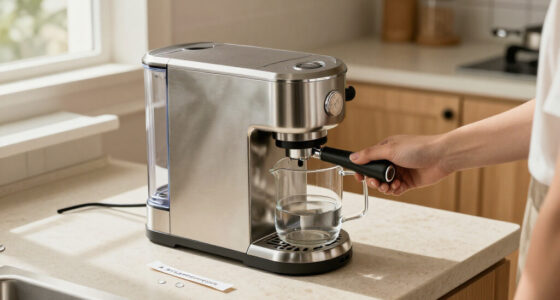
If your machine allows backflushing, use a blind basket and follow the maker’s steps. Water-only backflushing is often used for routine cleaning, while detergent backflushing belongs only at the frequency and in the manner the manufacturer specifies. Some home machines should not be backflushed at all.
Say your machine manual permits weekly water-only backflushing and less frequent detergent cleaning. Keep those tasks separate on your calendar; using detergent every week just because another machine allows it could be the wrong routine for yours.
Know why descaling needs a machine-specific schedule
Descaling frequency depends on your water hardness, filtration, machine design, and usage, so there is no reliable monthly or yearly rule for every espresso machine. Follow the manual and any service indicator, especially when it names a specific descaling product or recommends professional service.
How often should you descale if you use filtered water? The filter may reduce mineral deposits, but it doesn’t automatically remove the need for maintenance or override the machine’s instructions. Water with a lot of minerals can contribute to scale, while water that falls outside the maker’s specifications can affect taste or damage equipment.
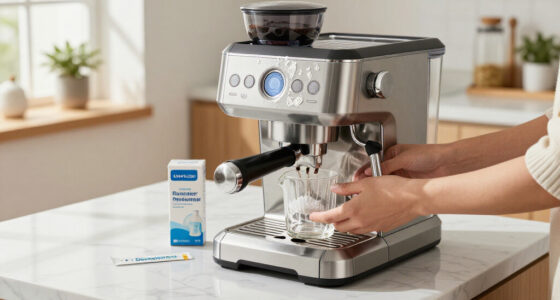
Imagine your machine displays a maintenance alert after months of daily use. Check the manual before pouring anything into the tank: one model may call for a specific product, while another may discourage user descaling and recommend service. Treating vinegar as a universal fix can leave unwanted residue or harm parts.
Keep this distinction clear: cleaning removes coffee oils, grounds, and milk residue; descaling targets mineral deposits inside the water circuit. A clean portafilter won’t remove scale from a boiler, and a descaling cycle won’t wash milk from a steam wand.
Catch flavor and flow problems before they grow
Regular cleaning helps keep coffee oils, grounds, and milk residue from affecting flavor or interfering with water flow. Bitter or rancid flavors, visible residue, reduced flow, a clogged steam tip, or a maintenance alert can all point to a cleaning or service need, though none replaces the schedule in your manual.
Take a shot that suddenly tastes stale even though you bought fresh beans. Check for old coffee oils on the basket, portafilter, and shower screen area before blaming the beans. If the shot still runs slowly after those parts are clean, consult your machine’s troubleshooting guidance.
Milk needs its own attention because residue can clog the steam-wand tip and becomes unhygienic if left behind. Wipe and briefly purge after every steaming session, even if the machine has an automatic cleaning program. A quick wipe now is easier than trying to scrape a crusted ring off the wand tomorrow.
Cleaning can’t fix every performance problem: persistent slow flow, leaks, or an alert that remains after the prescribed care may call for professional service. Stop and check the manual instead of taking apart pressurized or electrical components without guidance.
Keep the grinder and cleaning products in their own routine
How often should you clean an espresso machine when the coffee still tastes stale? Check the grinder, too: machine cleaning won’t remove old grounds and oils trapped there. Brush and maintain the grinder according to its own instructions, since grinders and espresso machines have different cleaning needs.
For example, you rinse the basket and wipe the group area, but the next shot still tastes flat. A brush around the grinder’s accessible coffee path may reveal a pocket of old grounds that the machine routine couldn’t reach. Follow the grinder manual for any deeper cleaning.
Use dish soap, espresso detergent, and descaler only where the relevant manual allows them. Rinse cleaned coffee-contact parts thoroughly so cleaner residue doesn’t end up in your next drink. Vinegar is not a universal descaler, and household products may not suit every finish or internal component.
Some machines include reminders or a cleaning cycle, which can make maintenance easier. Those features don’t replace wiping the wand, rinsing the portafilter, or cleaning the drip tray; the mess you can see still needs your attention.
Frequently Asked Questions
Do I need to clean my espresso machine after every use?
Yes, for the parts that collect fresh grounds or milk: empty the puck, rinse the basket and portafilter, and wipe and briefly purge the wand after steaming. You don’t need to do a full deep clean after every shot.
How often should I backflush my espresso machine?
Check first that your machine supports backflushing, then follow its manual for frequency and method. Some machines should not be backflushed, and detergent backflushing isn’t right for every model.
Can I use dish soap or vinegar to clean or descale it?
Use dish soap or other cleaners only where your manual permits them, and rinse parts thoroughly. Vinegar is not a universal descaler; some machines require a specific product or professional service.
How often should I descale an espresso machine?
It depends on your water, usage, filtration, and machine design. Follow the manual and service alerts rather than assuming a monthly or annual schedule fits your setup.
Does a self-cleaning cycle clean every part?
No. A cleaning program may handle internal pathways, but you still need to clean removable parts and wipe and purge the steam wand. Check your manual to see exactly what the cycle covers.
Conclusion
Build your routine around two habits: clean fresh coffee and milk residue right away, then let your machine’s manual set the timing for backflushing and descaling. Do those small jobs consistently, and your next shot is less likely to taste like yesterday’s leftovers.