
TL;DR

Get coffee and tea gear delivered free with Prime
- Fast, free delivery on millions of items
- Prime Video, Amazon Music and more included
- Member-only deals all year
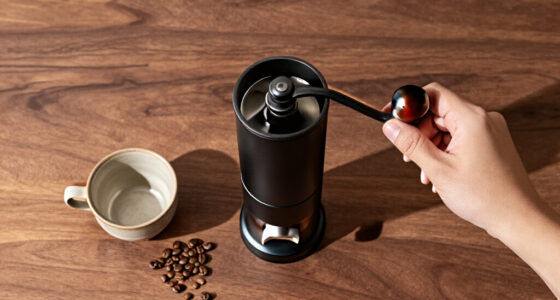
Retention in coffee grinders is the amount of grounds left inside after grinding, impacting flavor and hygiene. Regular cleaning, choosing low-retention models, and proper techniques can significantly reduce this old, unseen problem.
Ever poured a fresh shot of espresso or brewed a perfect pour-over, only to taste a faint stale note? That’s often caused by something sneaky: grounds left behind in your grinder. This invisible residue, known as retention, quietly undermines flavor purity, hygiene, and cost efficiency. Yet, many baristas and home brewers overlook it completely. In this guide, you’ll learn why retention happens, how it affects your coffee, and what you can do to keep old grounds from sneaking into your perfect cup.
Think of retention as the silent accomplice in your coffee routine — almost invisible but with a real impact. We’ll explore recent innovations, simple tips, and common questions to arm you with the knowledge to fight this old grounds problem that nobody sees but everyone should address.
Retention rates can range from 1-2% to over 10%, impacting flavor and waste.
Design features like smooth chambers, static reduction, and easy disassembly help reduce grounds sticking.
Regular, thorough cleaning is essential to prevent stale flavors and hygiene issues.
Finer grinds tend to cling more, increasing retention; choose your grind size wisely.
Static electricity plays a surprising role in grounds retention; neutralize it with damp cloths or static-reducing features.
What is coffee grounds retention, and why should you care?
Retention is the amount of coffee that stays trapped inside your grinder after you finish grinding. It’s like crumbs stuck in a toaster — no matter how clean you think it is, some bits always linger. This leftover coffee can cause flavor problems, waste, and hygiene issues. For example, if you switch beans without cleaning, the old grounds can mingle with new ones, muddying the flavor profile.
Imagine brewing a fresh shot, only to taste a dull, stale note. That’s often the old grounds’ fault. Even tiny amounts — just 1-2% of your dose — can subtly influence taste, especially in delicate brews like espresso. The significance of this retention becomes clearer when you realize that over time, these residual grounds can accumulate, leading to inconsistent flavors and potential health risks if they harbor mold or bacteria. Understanding retention helps you appreciate the importance of routine cleaning and equipment choice, as it directly impacts your coffee’s purity, safety, and overall quality.
This old grounds problem isn’t just about waste; it’s about flavor integrity and health. It’s a problem you might not see, but it’s one you definitely taste.
As an affiliate, we earn on qualifying purchases.
How much retention is normal, and what design features reduce it?
Retention rates vary widely depending on your grinder’s design. Some models keep as little as 1-2% of the dose, while others trap over 10%. While a small percentage might seem negligible, in practice, this can translate to significant leftover coffee—especially with frequent use or large doses, leading to flavor carryover or waste. For instance, a 20-gram dose with 10% retention leaves 2 grams of old grounds, which can impact subsequent brews or espresso shots, causing muddiness or off-flavors. Over days or weeks, this residual buildup can distort your intended flavor profile and reduce consistency.
Design features matter greatly in managing retention. For example, conical burrs are often associated with higher retention due to their geometry, but innovations like optimized burr shape and chamber design can mitigate this. Smooth, rounded chambers facilitate easier grounds flow, minimizing leftover pockets. Non-stick coatings or materials with low static properties reduce grounds sticking stubbornly. Additionally, adjustable burrs allow users to fine-tune grind consistency, which can influence static and retention. Finer grinds tend to cling more because of static and increased surface area, but adjustable settings can help control this. Recognizing these tradeoffs allows you to select or modify equipment to strike a balance between grind quality and retention, ultimately impacting flavor clarity and waste reduction.
Manufacturers increasingly incorporate these features to improve performance. For example, some high-end grinders now include low-retention chambers or dynamic airflow designs that help grounds exit more efficiently, enhancing flavor purity and simplifying cleaning routines.
automatic coffee grinder cleaning brush
As an affiliate, we earn on qualifying purchases.
As an affiliate, we earn on qualifying purchases.
The real cost of old grounds—flavor, hygiene, and waste
Old grounds inside your grinder don’t just sit there—they influence your coffee in surprising ways. First, flavor. Residual stale grounds can impart dull, sour, or off-flavors, especially in espresso, where clarity and brightness matter. Even tiny amounts can muddy the taste, diminishing the overall sensory experience and consistency. This can lead to a cycle of overcompensation—using more coffee or adjusting grind settings—trying to mask flavor defects caused by old grounds, which in turn increases waste and cost.
Next is hygiene. If you ignore cleaning, these grounds can ferment or grow mold, especially in humid environments. This isn’t just gross; it can pose health risks over time, such as allergic reactions or microbial contamination. Plus, leftover grounds waste your money. If you’re brewing daily, those tiny 1-2 grams add up quickly—potentially throwing away a few dollars’ worth of coffee each month. This hidden waste not only affects your budget but also contributes to environmental waste and unnecessary resource use.
So, retention isn’t just a minor annoyance. It’s a hidden cost—draining flavor, risking health, and increasing expenses. Recognizing this helps you see the value in regular cleaning and better grinder choices, which can ultimately save money, improve safety, and elevate your coffee experience.
As an affiliate, we earn on qualifying purchases.
Simple tips to beat the old grounds ghost
Feeling overwhelmed? Don’t be. Here are five straightforward ways to keep old grounds from sneaking into your brew, along with the reasoning behind each:
- Clean regularly: Brush out your grinder daily if you use it often. Regular cleaning prevents the buildup of stale grounds that can affect flavor and hygiene. Deep cleaning with tablets or compressed air weekly removes residual oils and stubborn particles, maintaining a fresh environment inside your grinder, which directly benefits flavor clarity and safety.
- Choose low-retention models: Invest in grinders with smooth chambers, rounded geometries, and static-reducing features. These design elements help grounds flow out efficiently, reducing leftover pockets and static cling, thereby maintaining consistency and reducing cleaning frequency.
- Grind in smaller batches: Rather than grinding a large amount for the week, do smaller doses. This minimizes the amount of residual grounds left in the chamber, keeping flavor fresher and reducing waste buildup over time.
- Disassemble and inspect: Periodically take apart your grinder to remove stubborn grounds hiding in corners or crevices. This practice physically removes potential sources of stale or contaminated grounds, ensuring better hygiene and flavor integrity.
- Switch beans carefully: When changing varieties, purge the grinder with a small batch of beans or clean thoroughly. This prevents flavor crossover and reduces the chance of old grounds affecting the new beans’ profile, maintaining consistency and freshness.
Imagine a barista swiftly brushing out her grinder between espresso pulls. That simple act, backed by understanding why it matters, keeps her shots tasting bright and fresh. Small habits like these, when understood, become powerful tools for improving every cup.
As an affiliate, we earn on qualifying purchases.
What to look for in a grinder to minimize old grounds?
Not all grinders are created equal when it comes to retention. If you want to keep old grounds away, look for these features:
- Low-retention chamber: Rounded, smooth chambers prevent grounds from sticking, facilitating easier cleaning and less buildup over time, which directly impacts flavor purity.
- Adjustable burrs: Allows you to fine-tune grind size and static levels, helping to reduce static cling and excess retention, ensuring cleaner, more consistent grounds.
- Easy disassembly: Simpler cleaning means less old grounds hiding in hard-to-reach spots, making routine maintenance more effective and less time-consuming.
- Non-stick coatings: Surfaces that repel grounds help keep things clean, reducing static and residual buildup that can affect flavor and hygiene.
- Static reduction technology: Some grinders incorporate ionized chambers or anti-static features that neutralize static charges, preventing grounds from clinging stubbornly and reducing cleaning effort.
For example, a commercial barista might choose a grinder with a quick-release chamber and anti-static features to keep flavor pure and cleaning quick, directly translating to better taste and efficiency.
Static electricity and grounds: the unlikely enemy
Static electricity isn’t just a nuisance—it’s a hidden culprit in grounds retention. When you grind beans, static charges build up due to friction and dry conditions, causing grounds to cling stubbornly to chamber walls and burrs. This static cling makes cleaning more laborious, increases waste, and can cause uneven grind distribution. The static effect becomes more pronounced with finer grinds and in dry environments, compounding the problem.
Imagine pouring a fresh batch of beans into your grinder, only to see a cloud of static-charged grounds sticking to every surface. This not only hampers cleaning but also leads to residual grounds remaining in the chamber, contributing to flavor contamination and inconsistency. The solution involves neutralizing static—using anti-static tools or sprays, humidifying the environment, or choosing grinders with static-reducing features. Sometimes, a simple wipe with a damp cloth inside the chamber after grinding can effectively neutralize charges, making grounds easier to remove and reducing retention-related flavor carryover.
Cleaning routines that really cut down on old grounds
Deep cleaning isn’t just for aesthetics—it’s your best defense against retention. Here’s a routine that addresses the root causes of stale grounds and static buildup:
- Daily: Brush out the chamber and burrs with a dedicated cleaning brush. This removes loose grounds and oils that can contribute to static and flavor deterioration.
- Weekly: Disassemble the grinder and clean all parts with a grinder cleaning tablet or compressed air. This thorough cleaning removes residual oils, static buildup, and stubborn grounds, maintaining optimal flow and flavor integrity.
- Monthly: Use a cleaning solution designed for coffee equipment to remove oils and residual grounds that can harbor mold or bacteria, ensuring health safety and taste purity.
For example, a barista at a busy cafe might dedicate five minutes daily to brushing, plus a deep clean on slow days. This routine significantly reduces retention, keeps the grinder functioning smoothly, and guarantees every shot tastes as fresh as the first.
Frequently Asked Questions
How often should I clean my grinder to prevent retention?
For regular home use, cleaning every 1-2 weeks is ideal. If you switch beans often or notice flavor issues, clean more frequently. Daily brushing can keep grounds from building up and affecting your brew.
Can static electricity really cause grounds to stick? How do I fix it?
Yes, static charges can cause grounds to cling stubbornly inside your grinder. Wiping the chamber with a damp cloth or using anti-static accessories can neutralize static buildup, making cleaning easier and reducing retention.
Are high-end grinders better at reducing grounds retention?
Generally, yes. Many premium models incorporate design features like smoother chambers, static reduction, and easy disassembly, all aimed at minimizing leftover grounds and maximizing flavor clarity.
What’s a quick way to check if my grinder has too much retention?
Try grinding a small batch of beans, then disassemble and weigh the leftover grounds. If it’s more than 1-2% of your dose, you might want to clean more or consider a different grinder with better design features.
Does grind size affect retention?
Yes, finer grinds tend to stick more due to static and surface area. Adjusting the grind to slightly coarser settings or using static-reducing features can help keep retention low.
Conclusion
Retention in coffee grinders is a quiet problem, but one that quietly sabotages your best brew. With better design choices and consistent cleaning, you can keep old grounds from corrupting your flavor and wasting your coffee. Think of it like sweeping away the crumbs — small effort, big flavor payoff.
Next time you grind, remember: a quick clean can be the difference between a dull, stale cup and a bright, vibrant one. Your palate — and your wallet — will thank you for it.
Halloween Picks
halloween
As an affiliate, we earn on qualifying purchases.