TL;DR

Get coffee and tea gear delivered free with Prime
- Fast, free delivery on millions of items
- Prime Video, Amazon Music and more included
- Member-only deals all year
A stepless grinder lets you adjust the distance between its burrs continuously, which makes it easier to fine-tune espresso when a small grind change affects water flow and taste. Make modest changes while keeping dose and yield steady, then judge both the shot and its flavor; burr quality, stability, and repeatability still matter more than the adjustment label alone.
A shot can go from syrupy and sweet to thin and sharp with what feels like a tiny twist of the grinder dial. Espresso packs a lot of coffee into a small puck, so a small shift in grind size can change how much resistance the puck gives the water.
A stepless grinder lets you adjust the distance between its burrs continuously, rather than choosing among preset steps. That fine control can help when you’re dialing in a new bag, but it does not make every grinder precise or every shot better. The burrs, grinder’s stability, puck preparation, and your recipe all have a say.
Here, you’ll learn what those small adjustments actually do, how to make them without changing several variables at once, and when a stepped grinder can serve you just as well. Think of the dial as a volume control for flow: useful, but only if you listen to the cup.
A stepless grinder adjusts burr spacing continuously, so you can make a change between fixed clicks.
Move finer to usually slow a fast shot and coarser to usually speed a slow one; taste the result as well as watching flow.
Keep dose and beverage yield steady while dialing in so you can judge the grind change.
Retained grounds can make the first shot after an adjustment misleading; a small purge may help but uses coffee.
Burr quality, alignment, stability, and repeatability matter more than whether a grinder is labeled stepless.
Stepless Grinders: Why Tiny Adjustments Matter for Espresso
A small turn of the grinder dial can shift espresso from slow and harsh to fast and sharp. Stepless control gives you room to fine-tune the flow—while the burrs, puck preparation, and recipe still shape what lands in the cup.
“The dial is a control for flow. The cup tells you whether it helped.”
Change one variable, then assess both shot behavior and flavor.
Fine control, not a quality guarantee
A stepless grinder moves burr spacing through a continuous range instead of selecting a preset click. That can help you land between settings when a coffee is close to tasting right.
Burr spacing
The dial moves the burrs closer together or farther apart. This changes grind size, which generally changes how much the coffee puck resists water.
Room between clicks
A small adjustment may help when a shot runs just a little too quickly or slowly, or when a new bag calls for a different setting.
Precision depends on more
Adjustment style alone does not make grounds consistent. Burr quality and alignment, mechanical stability, and repeatability matter too.
Shot too fast?
Try a modest move finer. Finer grounds generally increase resistance and may slow water through the puck.
Shot too slow?
Try a modest move coarser. Coarser grounds generally reduce resistance and may speed the flow.
Read the whole shot. A fast or slow stream can offer a clue, but dose, yield, coffee age, water, puck preparation, and machine settings also affect the result. Taste is the final judge.
Dial in with small, deliberate moves
Hold your recipe steady, make one grind adjustment, and compare the next shot. A short log can help you find a useful setting again.
Set a recipe
Choose a dose and beverage yield you can repeat.
Observe
Note the flow and whether the cup tastes sharp, sweet, thin, or harsh.
Adjust grind
Make one modest move in the direction the shot suggests.
Repeat puck prep
Keep dose, tamp, and yield consistent for the next shot.
Compare & log
Judge flow and flavor. Record the setting and what changed.
Stepless or stepped?
Either can make excellent espresso. The better fit depends on how often you switch coffees and whether the grinder’s available settings land in a tasty range.
| What matters | Stepless grinder | Stepped grinder |
|---|---|---|
| Adjustment | Continuous movement; useful for fine tuning | Fixed positions; increment size varies |
| Returning to a setting | May benefit from a written reference or dial marker | Clicks can make a setting easy to find again |
| Often suits | Frequent bean changes or narrow dialing adjustments | Simple routines and clear, repeatable steps |
| Does not promise | Consistent grounds or quality on its own | That every click is too large for espresso |
Compare burr quality and alignment, stability, retention, adjustment visibility, and whether the setting shifts during grinding. A well-designed stepped grinder can offer all the control your routine needs.
Small habits, clearer feedback
Grind changes can take a little coffee and care to evaluate. Keep the routine consistent, and follow the manufacturer’s guidance for your grinder.
Account for retained grounds
The first shot may include coffee from the previous setting. A small, consistent purge or test dose can make the change easier to assess, though it uses coffee.
Keep a setting reference
Record the dial position, coffee, recipe, and result. Continuous adjustment can be harder to return to without a note or marker.
Follow grinder instructions
On some designs, moving finer while burrs spin can stress the burrs or motor. Use the adjustment method recommended by the manufacturer.
From dial movement to flavor
Grind is one part of the chain. A repeatable recipe helps you see its influence, while taste helps you decide whether the cup improved.
What a Stepless Grinder Lets You Change
A stepless grinder lets you move the burrs closer together or farther apart without fixed click positions. That continuous range gives you room to make a very small adjustment when a shot runs a little too quickly or slowly. The dial is a control for burr spacing, not a direct promise of a particular particle size or shot time.
Imagine tuning a radio between stations: a stepped dial jumps from one marked point to the next, while a stepless dial lets you settle between them. That analogy helps explain the freedom, but coffee isn’t a radio signal; a tiny dial movement may have a different effect from one grinder to another. Markings are usually reference points unless the manufacturer specifies what they measure.
Say you buy a fresh bag and your usual setting produces a fast, sharp shot. A stepless collar may let you creep finer in small increments, instead of jumping to a step that slows the flow too much. Some grinders use collars, worm gears, or other fine-control mechanisms, so the feel and ease of repeating a setting vary.
Stepless describes the adjustment method, not burr quality or grind consistency. A precise mechanism can make fine tuning easier, but the grinder still needs stable construction and well-aligned burrs to produce a consistent grind.
As an affiliate, we earn on qualifying purchases.
Why Tiny Changes Can Transform an Espresso Shot
Stepless grinders help you make small changes to flow because finer grounds generally increase resistance in the coffee puck, while coarser grounds generally reduce it. A puck that resists water more often slows a shot; one that resists it less often lets water pass faster. Small grind changes can matter for espresso because the brewing process leaves little room for error.
If your 18-gram dose and usual yield produce a shot that gushes into the cup, a modest move finer may slow the flow. If the shot crawls and tastes harsh, a modest move coarser may help. These are clues, not guarantees: dose, yield, coffee age, water, puck preparation, and machine settings also influence what you taste.
Why not just chase a target shot time? Because time is a useful clue, not a flavor score. Two shots can take the same number of seconds and taste different. Keep your recipe steady while you adjust, and use both flow and flavor to decide whether a change helped.
A sour, weak shot may point to fast flow or uneven extraction, while bitterness or harshness may accompany a shot that runs too slowly. But taste is the final judge. As with adjusting a shower tap, you change one control, wait for the water to respond, and feel whether the result suits you.
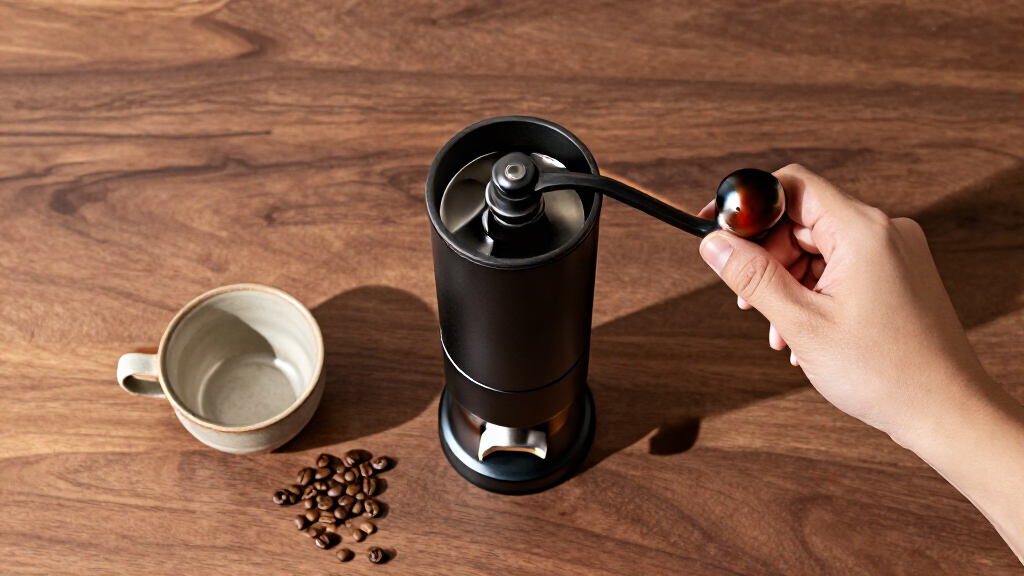
precision coffee grinder for espresso
As an affiliate, we earn on qualifying purchases.
As an affiliate, we earn on qualifying purchases.
How to Dial In Espresso with Small, Repeatable Moves
To dial in espresso, keep your dose and beverage yield steady, make one modest grind adjustment, then compare the next shot’s flow and taste with the last one. That simple routine helps you see what the grind change did. It also keeps a disappointing cup from turning into a guessing game.
- Pick a repeatable recipe. For example, use 18 grams of coffee and aim for 36 grams in the cup. The ratio gives you a clear starting point, even if you later prefer a shorter or longer shot.
- Watch and taste the first shot. Note whether the stream runs quickly, drips slowly, or tastes sharp, thin, sweet, or harsh. Write down the setting and result.
- Change only the grind. If flow is too fast, make a small move finer; if it is too slow, try a small move coarser. The amount of movement depends on the grinder.
- Prepare the next puck the same way. Keep dose, tamp, and yield consistent, then compare the shot. If needed, repeat with another small move.
For example, if you change both the grind and dose to fix a fast shot, you won’t know which change slowed it. A short log such as “Tuesday, new bag, slightly finer, sweeter and slower” helps you find your way back. Follow the grinder manual when adjusting; on some designs, moving finer while burrs spin can stress the burrs or motor.
As an affiliate, we earn on qualifying purchases.
When Stepless Beats Stepped—and When It Doesn’t
Stepless adjustment is useful when your coffee needs a setting between two fixed clicks, but it doesn’t guarantee a better espresso. A stepped grinder with sufficiently small increments can offer all the control you need, especially if you use one coffee and one recipe most days. The best fit depends on how often you change beans and how easy the setting is to repeat.
| What matters | Stepless grinder | Stepped grinder |
|---|---|---|
| Adjustment | Continuous movement, often useful for fine tuning | Fixed positions; increment size varies |
| Returning to a setting | May need a written reference or dial marker | Clicks can make a setting easy to find again |
| Best fit | Frequent bean changes or narrow dialing adjustments | Simple routines and clear repeatable steps |
| What it cannot promise | Consistent grounds or quality on its own | That every click is too large for espresso |
Imagine switching from a light roast to a darker one in the same morning. If the new coffee needs an in-between setting, continuous adjustment can save you from choosing between a shot that gushes and one that stalls. But if your stepped grinder’s increments already land you in a tasty range, a different mechanism may add little to your routine.
Compare more than the label: look at burr quality and alignment, mechanical stability, adjustment visibility, retention, and whether the setting shifts during grinding. A good stepped grinder can beat a poorly made stepless one in day-to-day ease and results.
adjustable coffee grinder for fine tuning
As an affiliate, we earn on qualifying purchases.
As an affiliate, we earn on qualifying purchases.
Make Adjustments Without Wasting Coffee or Losing Your Setting
After you change a grinder setting, the first shot may still include coffee retained from the previous setting. That old ground coffee can blur the effect of your adjustment, so the result may not match what you expected. A small test dose or a consistent purge can help clear the path, though purging uses coffee.
Suppose you move finer, grind your usual dose, and the shot still runs fast. You may have changed the burr spacing but also pulled grounds left behind from the coarser setting. Before making another big move, consider retention and repeat the next shot with the same routine. How much coffee a grinder holds depends on its design and workflow.
Stepless settings can also be hard to return to if the dial has few clear marks. Keep a brief note of your reference point, coffee, and result. “House espresso: collar at 8 o’clock, 18 in, 36 out, sweet at 30 seconds” gives you a starting place, not a guarantee; a new bag or aging beans may behave differently.
Follow the manufacturer’s instructions before adjusting, especially when moving finer. Some grinders recommend changing the setting only while the burrs are turning. Use small moves, consistent preparation, and a written reference to keep changes manageable.
What the Grinder Dial Can’t Fix
A stepless dial can fine-tune burr spacing, but it cannot fix every cause of a disappointing espresso. Uneven puck preparation, an inconsistent dose, changing yield, poor burr alignment, or unstable grinder parts may all affect the cup. If the stream sprays or channels, turning the dial may change the speed without fixing the uneven path through the puck.
Think of the grinder as one instrument in a small band: a precise dial can play its part, but the machine, coffee, water, and puck preparation still have to work together. For example, if an 18-gram dose changes from day to day, a grind adjustment may seem to solve a flow problem that came from using a different amount of coffee. Repeatability starts with measuring what goes in and what comes out.
Beans change as they age and react to storage and the room around them, so a setting that tasted balanced yesterday may need a small nudge today. Make the adjustment after tasting rather than assuming the old dial position remains right. If you experiment with pressure profiles, remember that pressure settings can also change how a shot flows; a grinder tweak is only one part of the picture.
Stepless control gives you finer choices, not automatic consistency. Burrs, alignment, grinder condition, and puck preparation still shape the grounds and the shot. Good espresso comes from controlling the whole routine, one variable at a time.
Frequently Asked Questions
What does “stepless” mean on a coffee grinder?
A stepless grinder lets you adjust burr spacing continuously rather than selecting from fixed click positions. That gives you room to make finer changes while dialing in espresso.
Is a stepless grinder better for espresso?
It can make fine tuning easier, especially if you change coffees often or your shot needs a setting between two clicks. Grinder stability, burr quality, and repeatability still matter more than the label alone.
Do I need a stepless grinder to make good espresso?
No. A stepped grinder can make good espresso when its increments are small enough for your coffee and recipe. Try dialing in your usual beans before deciding the steps limit your results.
Should I grind finer or coarser if my espresso runs too fast?
A modest move finer will usually increase resistance and slow the flow. Keep your dose and yield steady, prepare the puck the same way, then taste the next shot before changing anything else.
Why did my shot barely change after I adjusted the grinder?
Retained grounds from the previous setting may still be in the grinder, or the adjustment may have been too small to create an obvious difference. Try a consistent small purge if appropriate for your workflow, then repeat the shot under the same recipe.
Can I change grinder settings while it is running?
It depends on the grinder. Some manufacturers recommend adjusting finer only while the burrs are turning, so check your manual before changing settings.
Conclusion
Use a stepless grinder’s fine control to make one small change at a time, then judge the shot by both its flow and its taste. Keep your dose and yield steady, and record settings when you want to return to a familiar coffee.
The dial is a trim tab on a fast-moving boat: a small turn can change your course, but you still have to watch the water. Start with the cup in front of you.
Halloween Picks
halloween
As an affiliate, we earn on qualifying purchases.