
TL;DR

Get coffee and tea gear delivered free with Prime
- Fast, free delivery on millions of items
- Prime Video, Amazon Music and more included
- Member-only deals all year
An 83mm burr set is a large format common in commercial espresso grinders and some high-end home models. It can grind quickly and, depending on its geometry, produce a different balance of clarity, body, and texture, but diameter alone does not guarantee better espresso, cooler grounds, or more consistent shots.
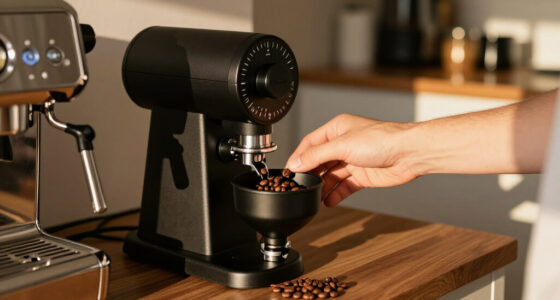
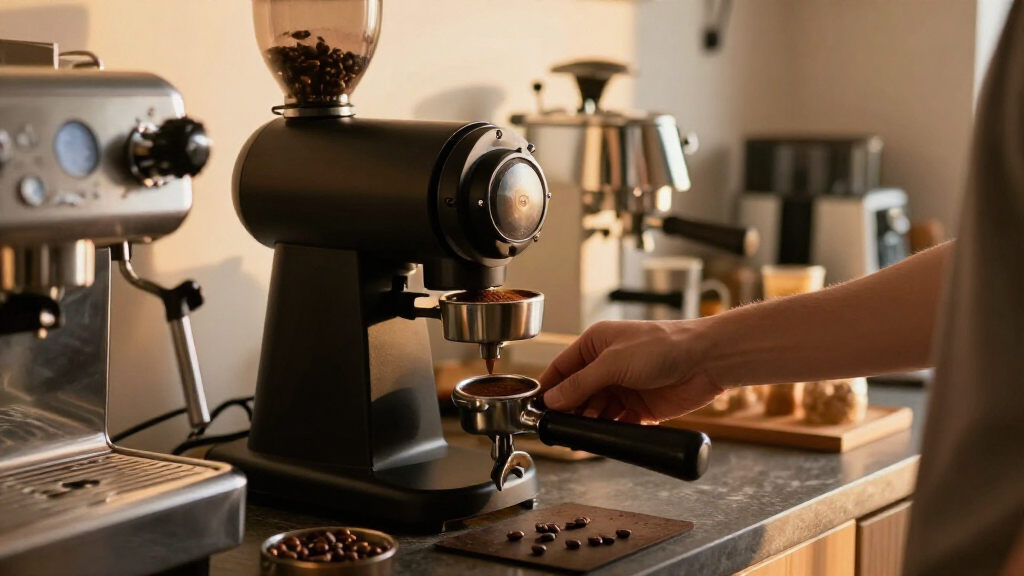
A café can grind an espresso dose in a blink, while a compact home grinder hums away for several seconds. The difference may involve burr size, but that number doesn’t tell you what the shot will taste like. An 83mm burr set is a large format found in many commercial grinders and some high-end home models; its size can support fast grinding, while the burr shape and the grinder around it decide much of the rest.
This guide explains what bigger burrs can change in your espresso workflow, why two grinders with the same diameter can produce different cups, and how to weigh speed against space, cost, and noise. You’ll also get a practical comparison checklist for judging a grinder as a complete machine, not a millimeter measurement.
Think of burr diameter like the size of a kitchen knife: a larger blade can help you work through a pile of vegetables quickly, but its shape, sharpness, and your technique still matter. The same idea applies here. If you’re choosing a home setup, focus on what you actually need from each morning’s shot.
An 83mm burr set can grind quickly, but no universal speed multiplier separates it from a 64mm set.
Burr geometry and particle distribution help shape clarity, body, sweetness, and texture; diameter alone does not guarantee a flavor.
Compare grinders using the same coffee, dose, basket, yield, and water temperature, and repeat the tasting.
Check alignment, adjustment, retention, clumping, noise, cleaning, service, and replacement burr cost before choosing.
Choose an 83mm grinder when its capacity and speed suit your routine and the machine fits your counter and budget.
Espresso equipment · Field guide
83mm Burr Grinders: What Bigger Burrs Change in Espresso
An 83mm burr set is a large format found in many commercial grinders and some high-end home models. It can support fast grinding and a different flavor balance, but diameter alone does not predict the cup. Here’s how to weigh speed, taste, workflow, and fit.
The key insight
“Burr size is one clue. The complete grinder makes the espresso.”
Think of burr diameter like knife size: more cutting area can help with pace, while shape, sharpness, and technique still matter.
Common in commercial and some premium home grinders
No universal speed multiplier versus 64mm burrs
Geometry, alignment, roast, and recipe all shape results
Compare the same coffee and recipe more than once
At a glance: what bigger burrs can change
Potential ≠ promiseSpeed is the clearest workflow possibility. Larger burrs generally offer more cutting area and can process a dose quickly. In a busy café, seconds can add up across many drinks. At home, a few seconds saved before one espresso may matter less than counter space, noise, and cleanup.
Four factors behind the cup and routine
Beyond diameterFlavor tendencies
Burr shape and cutting surfaces influence particle distribution, which can affect clarity, body, sweetness, and texture. These are tendencies to taste, not guarantees tied to size.
Repeatable shots
Sharp, well-aligned burrs and a stable grinder can matter more for consistency than a modest difference in diameter. Check adjustment precision and clumping too.
Built for the pace
Many 83mm machines pair the burrs with larger motors, heavy frames, and commercial-style dosing or adjustment systems. Those features shape everyday use.
Space, sound, cost
Large-burr grinders are often bigger, heavier, more expensive, and louder. Replacement burrs may cost more, while cleaning and service affect long-term convenience.
Measure in context
Fast grinding may limit time spent grinding, but diameter alone cannot establish cooler grounds. Motor, duty cycle, room conditions, and measurement method matter.
Match your routine
Choose 83mm when capacity and speed suit your use and the machine fits your counter and budget. A compact grinder may suit a single daily shot better.
Flavor is not printed on the millimeter measurement. Two grinders with 83mm burrs can taste different because their burr geometries and complete designs differ. Some platforms offer compatible alternate burr sets; verify fit, installation, alignment, and seasoning guidance with the manufacturer.
Taste, then decideCompare the complete grinder
A practical checklist| What to compare | 83mm format may offer | Questions to ask |
|---|---|---|
| Grinding pace | ✓ Fast dose processing can help with frequent use | What are measured times with your coffee and grind setting? |
| Flavor profile | ~ A geometry-specific balance of clarity, body, or texture | Which burr geometry is installed, and can you taste it in a repeat test? |
| Consistency | ~ Depends on alignment, stability, adjustment, and retention | Are shots repeatable? Are grounds clumpy or retained? |
| Home fit | ~ Premium capacity in a larger machine | Do counter space, noise, cleaning, and budget suit your routine? |
| Heat claims | ~ Cannot be inferred from diameter alone | Were grounds measured under comparable duty and conditions? |
Run a fair side-by-side tasting
Five repeatable stepsSame coffee, same age
Use beans from the same bag at a similar age. Don’t compare a fresh bag with week-old coffee.
Weigh the beans
Use the same mass, such as 18 grams, so a dose difference does not skew the result.
Hold the target steady
Keep basket, beverage weight, and water temperature the same. Adjust grind for sensible extraction.
Time and take notes
Record grind time and shot time. Taste warm espresso for balance, body, and clarity; repeat the test.
Live with the details
Assess retention, clumping, adjustment, noise, cleanup, service, and burr replacement cost.
Speed helps most when doses stack up
Routine changes the valueIllustrative workflow comparison, not measured grinder performance. There is no universal 83mm-to-64mm speed multiplier; compare actual grinding times under similar conditions.
Trace the result from burr to cup
A useful mental modelWhat 83mm Burrs Can Change in Your Espresso Routine
83mm burr grinders use a large burr set that can support quick grinding and frequent use, but the diameter alone does not predict shot quality. Burr geometry, motor speed, alignment, and the rest of the grinder determine how that potential shows up in your cup and routine. This size appears in many commercial espresso grinders and some high-end home models.
In a busy café, seconds add up. If several staff members pull drinks during a morning rush, a grinder that doses quickly can keep the line moving and shorten the wait at the portafilter. At home, the same speed may save only a few seconds before your first coffee. The benefit depends on how often you grind and whether you value that time.
Diameter is a measurement across the burr, not a grade for the espresso. A larger set may have more cutting area, yet actual throughput also depends on its cutting edges, motor power and speed, coffee type, and espresso grind setting. A hard, light-roast bean can behave differently from a softer, darker roast in the very same grinder.
That distinction matters when you compare an 83mm burr set with a smaller one. If a machine is faster, ask whether the difference came from the burrs, motor, or both. If the cup tastes clearer or heavier, consider the burr geometry and recipe before crediting the number stamped on the spec sheet.
As an affiliate, we earn on qualifying purchases.
Why Burr Geometry Can Matter More Than Diameter for Flavor
83mm burr grinders can produce different flavor profiles, but burr geometry is a stronger clue to those tendencies than diameter by itself. The shape and arrangement of the cutting surfaces influence the grounds a grinder produces, and different particle distributions can affect clarity, body, sweetness, and texture. These are tendencies to taste, not guarantees attached to a size.
One set of burrs may be designed to emphasize separation between flavors. Another may aim for more body and a familiar, rounded espresso texture. Picture two cooks using the same oven but different knives: they can prepare the same ingredients, yet their cuts change how the finished dish feels. Grinder design works in a similar way, though your coffee and recipe still have a say.
For example, imagine pulling a shot with a washed light roast that tastes bright and layered on one setup, then more rounded and heavy on another. That change could reflect burr geometry, grind adjustment, dose, yield, or water temperature. Repeat the recipe carefully before deciding that one grinder reveals more of the coffee.
High-end manufacturers increasingly offer multiple burr geometries for a single grinder platform. That gives you a way to shift the flavor emphasis while keeping the motor and chassis. Descriptive terms such as “clarity” and “sweetness” can help you understand the intended character, but without controlled testing they remain hard to compare across brands.
If you want to hear what a set does in your own cup, compare the same coffee, dose, yield, and water temperature on both grinders. Keep the shot time in a reasonable range by adjusting grind size, and take notes while the espresso is warm. The comparison is more useful than assuming one burr diameter has a built-in flavor.
As an affiliate, we earn on qualifying purchases.
How to Compare 83mm and Smaller Burrs Fairly
83mm burr grinders have no universal speed advantage over 64mm grinders; the result depends on burr shape, motor power and speed, bean hardness, and grind setting. To compare two machines fairly, hold the coffee and recipe steady, then record what changes. The list below gives you a repeatable starting point for a home tasting or café trial.
- Use the same beans. Choose one coffee from the same bag and let both grinders work with beans at the same age. For example, don’t compare a fresh bag in one grinder with week-old beans in another.
- Weigh the dose. Use the same mass of beans in each test, such as 18 grams. A scale helps you avoid mistaking a larger dose for a grinder difference.
- Match the recipe. Use the same basket, target beverage weight, and water temperature. Adjust grind size to get a sensible extraction, then note each grinder’s setting and shot time.
- Time grinding and taste the shots. Record the grind time, then taste for body, clarity, and balance while the espresso is warm. Repeat the test because one shot can be an outlier.
- Check the daily workflow. Look at retention, clumping, adjustment precision, noise, and cleanup. A few seconds saved can lose its appeal if dosing becomes fiddly or retained grounds complicate your routine.
Suppose your 83mm grinder finishes an 18-gram dose sooner, but the smaller grinder is quieter and easier to clean. If you make one drink before work, that trade-off may favor the compact machine. If you prepare a run of drinks for guests or customers, grinding speed and commercial-style dosing may matter more.
There is no fixed multiplier for how much faster 83mm burrs are than 64mm burrs. Compare measured times under similar conditions, and don’t treat one timing as a promise for all coffees or grind settings.
As an affiliate, we earn on qualifying purchases.
When Faster Grinding Helps—and When It Doesn’t
Faster grinding is most useful when you prepare many doses or serve drinks back to back. Larger burrs generally offer more cutting area, which can help a grinder process coffee quickly. But the real speed still depends on the burr design, the motor, and the bean, so an 83mm label is not a stopwatch reading.
At home, imagine making a single espresso before your commute. Saving a few seconds may feel nice, but it probably won’t transform your routine if the grinder takes up half the counter. In a small coffee bar serving a steady stream of flat whites, faster dosing can ease a repetitive task and help staff keep the portafilter moving.
A short grind time also doesn’t prove the grounds will be cooler. Temperature depends on more than diameter: grind speed, duty cycle, motor, room conditions, and the measurement method all matter. A grinder running continuously during a rush faces a different workload from one used for a single dose in a quiet kitchen.
Notice the sound and heat during ordinary use rather than relying on broad claims. If you’re considering a grinder for a café, ask for measured performance under a comparable workload. For home use, ask yourself whether speed will improve something you do every day, or whether easy adjustment and a quiet motor would matter more.
As an affiliate, we earn on qualifying purchases.
What to Check Besides the 83mm Number
Burr diameter tells you the approximate size of the cutting set, but it does not reveal how well a grinder fits your espresso routine. Check burr geometry, alignment, grind adjustment, retention, clumping, noise, cleaning, and repair options. These details shape how easy it is to make the same drink tomorrow.
Alignment means the burrs meet as intended during grinding. A stable, well-aligned grinder with sharp burrs can give you repeatable results, while a larger set on a poorly adjusted machine won’t fix inconsistency by size alone. Think of a ruler with a worn edge: its length is impressive, but it won’t help if the markings don’t line up.
Retention is another practical detail. If grounds remain inside after dosing, your next shot may contain a mix of coffee from different moments. Single-dose designs and low-retention layouts aim to make this easier to manage, but those claims are difficult to compare without consistent tests. Ask how the machine behaves when you switch from one coffee to another.
Try the adjustment system in person if you can. A clear, repeatable dial makes small changes easier when a shot runs too fast or too slow. Also check whether burr cleaning requires a quick access panel or a longer teardown. A grinder that’s simple to maintain is more likely to stay clean and dependable through regular use.
Before buying, check the manufacturer’s specifications for burr compatibility and service procedures. Some grinder platforms support alternative burr sets, but installation, alignment, and any seasoning process should follow the maker’s guidance or a qualified technician’s advice.
How to Decide Whether an 83mm Grinder Fits Your Space and Budget
An 83mm grinder makes sense when its speed, capacity, and flavor options suit your workload and the machine fits your space and budget. Many models are built for frequent use, with larger motors, heavy frames, and commercial-style dosing or adjustment systems. Those features may be helpful, but they also explain why a large-format machine can feel excessive on a small kitchen counter.
Imagine a narrow apartment kitchen with one clear patch of counter between the sink and kettle. A heavy grinder that blocks a cupboard door can turn a daily coffee ritual into a shuffle. A more compact model may give you better results in practice because it’s easier to reach, clean, and use consistently.
In a home with several espresso drinkers, the calculation can change. If you grind dose after dose for breakfast or weekend guests, the motor, capacity, and speed may make the larger machine worthwhile. A café faces a different equation: equipment needs to tolerate repeated use, and staff may value sturdy controls and a quick workflow more than a small footprint.
Cost includes more than the first purchase. Replacement burrs may cost more for larger formats, though availability and price vary by grinder and supplier. Check the replacement set’s cost and whether the manufacturer or a technician can service the machine where you live.
For a buying overview, browse a guide to 83mm burr grinders, then compare each model’s full specifications and current availability. That gives you a shortlist; tasting the same coffee from each grinder, when possible, gives you a better read on the cup.
What Bigger Burrs Mean for Your Next Espresso Shot
Bigger burrs change the grinding setup more reliably than they change the cup. You can often expect a machine designed around an 83mm set to belong to a larger, faster, more frequent-use class. Whether that setup tastes clearer, feels heavier, or suits your kitchen depends on the geometry and the full grinder design.
Use that distinction when you’re comparing an 83mm burr set with smaller formats. Look beyond the measurement to the motor, adjustment range, alignment, noise, retention, cleaning, and replacement cost. If a seller claims cooler grounds or better consistency, ask how they measured it and under what conditions.
Then test the coffee you actually drink. A grinder that brings out lively fruit in a light roast may not be your favorite for a chocolatey blend. Brew the same dose and recipe on each machine, take a moment to taste, and pick the result you want to drink—not the spec sheet you want to admire.
That is the practical takeaway: treat burr size as one clue about the grinder’s design class, then judge the complete machine by how it performs in your routine. If your counter has room and you grind many doses, a large format may earn its place. If you make one quiet morning espresso, fit and ease of use may matter more. Let the cup, and the life around it, make the decision.
Frequently Asked Questions
Will 83mm burrs automatically make better espresso?
No. Diameter alone doesn’t guarantee better espresso; burr geometry, alignment, motor, grinder stability, coffee, and recipe all affect the result. Compare the same coffee and recipe on each grinder if you can.
Will 83mm burrs make espresso taste clearer or sweeter?
They can, depending on the burr geometry and coffee, but those flavors are not promised by diameter. Try the same beans and dose on both setups, then note whether you prefer the clarity, body, or texture.
How much faster are 83mm burrs than 64mm burrs?
There is no universal speed multiplier. Burr shape, motor power and speed, bean hardness, and grind setting all affect throughput, so compare measured times under similar conditions.
Do larger burrs reduce heat or make shots more consistent?
Diameter alone proves neither outcome. Grind speed, duty cycle, motor, ambient conditions, measurement method, alignment, and grinder stability all matter; look for comparable measurements rather than assuming bigger means cooler or more consistent.
Can you use an 83mm grinder at home?
Yes, if you have the counter space, budget, and need for a larger machine. A home with several espresso drinkers may benefit from capacity and speed, while someone making one morning drink may prefer a smaller, quieter grinder.
Can you swap burrs to change espresso flavor?
Some grinder platforms accept compatible alternative burr sets. Check compatibility and installation steps with the manufacturer or a qualified technician, including any recommended alignment or seasoning process.
Are replacement 83mm burrs more expensive?
They often cost more, but prices and availability depend on the grinder and supplier. Check replacement cost and local service options before you buy.
Conclusion
Choose the grinder that makes the espresso you enjoy and the routine you can live with. An 83mm set can bring speed and a particular flavor direction, but the whole machine—and the coffee, recipe, and care you put into it—shapes the result. Compare full designs, then taste the same beans side by side if you can.
Let the burrs turn quickly, but let the shot make the final call: a good morning starts with a cup you want to finish.
Halloween Picks
halloween
As an affiliate, we earn on qualifying purchases.