
TL;DR

Get coffee and tea gear delivered free with Prime
- Fast, free delivery on millions of items
- Prime Video, Amazon Music and more included
- Member-only deals all year
A conical burr grinder uses a shaped inner burr that turns inside a matching outer burr, and its design can influence particle distribution, coffee texture, noise, retention, and adjustment feel. Conical grinders can make satisfying espresso and filter coffee, but burr shape alone does not guarantee a fuller cup, quieter grinding, or less mess; compare the specific grinder and your daily workflow.
A grinder can change the feel of your morning before the coffee even reaches the cup: a hand crank turns slowly under your palm, or an electric motor fills the kitchen with a low buzz and a scatter of grounds. With a conical burr grinder, that daily experience comes from more than the word “conical.”
A conical set has a shaped inner burr that turns inside a matching outer burr. Beans travel through the narrowing space between them, where the burrs break them into grounds. The design, adjustment system, motor, and coffee all affect what comes out and how easy the grinder feels to use.
This guide explains why some cups seem fuller or more textured, what clumping and retained grounds have to do with your routine, and which practical details matter when you grind for espresso or filter coffee. You’ll also see why a grinder that’s easy to adjust and clean can earn a place on your counter faster than one with an impressive specification.
A conical burr uses a turning inner cone inside a matching outer burr; that shape alone does not determine coffee quality.
Some conical burr sets can produce a wider particle spread and a fuller impression, but roast, grind setting, recipe, and extraction also shape taste.
Espresso users benefit from fine, repeatable adjustments; filter brewers may value quick setting changes and consistent doses more.
Noise, clumping, static, and retained grounds depend on the specific grinder and conditions, not simply its burr shape.
Weigh doses, record useful settings, and clean according to the manufacturer’s instructions to make your routine more consistent.
Conical Burr Grinders: Why Body and Workflow Feel Different
A cone-shaped burr set is only the beginning. Burr design, adjustment, motor, beans, and your routine all shape how the grinder feels—and how the coffee tastes.
What the shape tells you—and what it doesn’t
A conical set can make excellent espresso and filter coffee. Its shape alone cannot promise a fuller cup, quieter grinding, or less mess.
Five takeaways
- A turning inner cone grinds beans against a matching outer burr.
- Some burr sets create a wider particle spread and a fuller impression; recipe and extraction matter too.
- Espresso favors fine, repeatable adjustments; filter often favors easy setting changes and consistent doses.
- Noise, clumping, static, and retained grounds vary by grinder and conditions.
- Weigh doses, note useful settings, and follow the maker’s cleaning guidance.
How the inner cone turns beans into grounds
Beans enter at the wider opening, meet the turning inner burr, and break into smaller pieces as they travel through the narrowing gap. Your grind setting changes that gap.
Feed through the opening
Beans move between the cone-shaped inner burr and its matching outer burr.
Break down along the gap
The turning surfaces grind beans as the space narrows toward the exit.
Set the grind size
Adjustment changes the gap. Small changes can shift how quickly water moves through the coffee bed.
One part of the grinding system
Also shaped by teeth and alignment
Recipe and grind setting steer flow
Your own tasting decides preference
Why some coffee can feel fuller
A wider spread of particle sizes, including fine particles, can add perceived strength and body. Those fines may also slow water unevenly. The specific burr set and recipe determine the result.
Fullness is an impression
A heavier, lingering espresso can feel satisfying, including with milk. “Fuller” does not automatically mean better.
Balance matters
If a shot tastes muddy or bitter, uneven extraction may contribute. Roast, dose, water temperature, and shot length also matter.
Change one variable
Keep beans and brew recipe steady when comparing grinders. For filter coffee, grind size or brew ratio may change clarity more than burr shape.
What changes when you adjust, grind, and clean
The routine depends on adjustment range, dose handling, noise, and cleanup. Each varies by model, motor, and conditions—not simply by burr shape.
Hand or electric? Match the grinder to the morning
Both can use conical burrs. One trades speed for portability and quiet; the other trades portability for convenience.
| Consideration | Hand grinder | Electric grinder |
|---|---|---|
| Good fit | Compact One small cup, travel, or a shared home | Convenient Several drinks or a faster daily routine |
| Tradeoff | Quiet and portable, but requires time and arm effort—especially for espresso or multiple doses | Fast and easy for back-to-back drinks; motor and housing affect noise and heat |
| Check before choosing | Adjustment range, grip, cleaning access, and effort at your grind size | Noise, retention, dose workflow, adjustment clarity, and cleaning access |
Find your preferred cup with a controlled comparison
Taste the coffee in front of you. Hold the recipe steady so the comparison tells you something useful.
Use the same coffee for each brew.
Keep dose and brew ratio consistent.
Note settings and keep the recipe steady.
Compare body, clarity, and finish.
Change one variable for the next round.
Three small habits that make grinding easier
Measure every dose
Consistent amounts make it easier to repeat a recipe and compare results.
Track useful settings
Record where espresso works before switching to filter, so you can find your way back.
Clean with care
Follow the manufacturer’s instructions. Check guidance before trying techniques such as lightly misting beans to reduce static.
How the Inner Cone Turns Beans into Grounds
A conical burr grinder grinds coffee between a cone-shaped inner burr and a matching outer burr. The inner burr turns inside the outer one, and beans move through a gap that narrows toward the exit. Your grind setting changes that gap, so small adjustments can change how quickly water moves through a coffee bed.
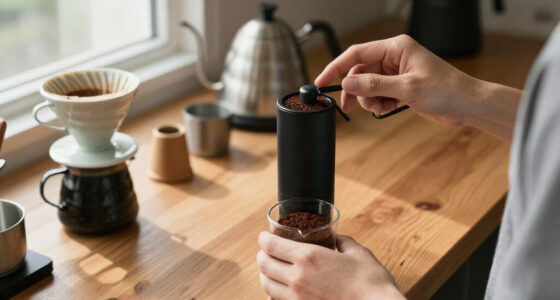
Think of the burrs as a pair of carefully shaped cutting surfaces. The beans enter through the wider opening, meet the turning burr, and break into smaller pieces as they travel through the narrower space. A morning espresso dose might pass through this path in seconds in an electric grinder; a hand grinder uses your arm to turn the burr instead.
The word “conical” describes the burr shape, not the grinder’s quality or the taste you’re guaranteed to get. Burr diameter, tooth design, alignment, motor, and adjustment mechanism all affect the result. Two conical grinders can behave differently, much as two knives with similar shapes can cut differently when their edges and handles aren’t the same.
For instance, if you switch from a fine espresso setting to a coarser filter setting, you need a grinder that makes the change clear and repeatable. On an espresso morning, a mark you can return to after cleaning can save time and keep your shot routine predictable. The turning cone explains the basic mechanism; the details around it explain much of the experience.
As an affiliate, we earn on qualifying purchases.
Why Some Conical Grinders Make Coffee Feel Fuller
Conical burr grinders can produce coffee that feels fuller and more textured, especially in espresso, because some burr sets create a wider spread of particle sizes, including fine particles. Those fines can add a heavier impression and stronger taste, though they can also slow water unevenly. The result depends on the specific burrs and your recipe.
That difference can show up in a small, practical way. Imagine two shots made with the same coffee: one tastes light and clear, while the other feels thicker on your tongue, with a more lingering finish. The grind distribution may help explain the contrast, but so can the roast, dose, water temperature, and extraction. A finer setting or a longer shot can change body even when you keep the grinder fixed.
“Fuller” doesn’t always mean “better.” If your espresso tastes muddy or bitter, a heavy texture may come with uneven extraction rather than extra richness. If your filter coffee tastes flat, changing brew ratio or grind size may help more than changing burr shape. Keep one variable steady while you make a comparison, such as using the same beans and brew recipe for each grinder.
The tradeoff is in the cup: a textured espresso can feel satisfying with milk, while a cleaner filter brew may make it easier to pick out delicate flavors. Taste terms describe impressions, not a rule every conical grinder follows. A shaped inner burr that turns inside a matching outer can make the grounds; it cannot decide your preferred cup by itself.
adjustable conical burr grinder for espresso
As an affiliate, we earn on qualifying purchases.
As an affiliate, we earn on qualifying purchases.
What Changes When You Adjust, Grind, and Clean
Your workflow changes with the grinder’s adjustment range, dose handling, noise, and cleanup—not just its burr shape. Espresso rewards small, repeatable setting changes, while filter brewing often puts more value on a quick switch between clearly marked settings. A grinder that’s simple to clean may make your daily routine feel smoother than one with more adjustment steps.
Suppose you pull espresso before work and brew filter coffee on weekends. If changing settings means losing track of your espresso point, you’ll likely hesitate to switch methods. Clear markings and a reliable return to your previous setting matter. For a dedicated filter setup, a broad range of easy-to-select grind sizes may be more useful than very fine espresso adjustments.
Grounds can also cling or form clumps. Static, humidity, bean oils, and grinder design all play a part, so the mess varies with weather and coffee. Some people lightly mist beans before grinding to reduce static, but check the grinder maker’s instructions first. If you see clumps in your espresso basket, distribute the grounds before tamping rather than assuming the burrs alone caused the problem.
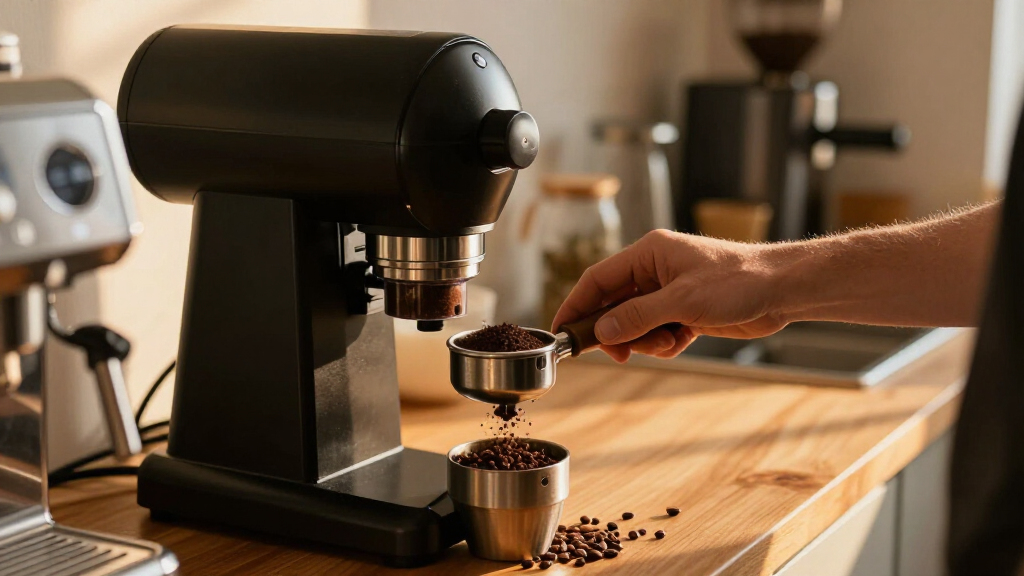
Retention means coffee remains in the chute or burr chamber after grinding. A single-dose design aims to reduce leftover grounds, while a hopper-fed grinder can be convenient if you make several drinks in a row. Short chutes, bellows, or easier cleaning access may help, but retention depends on the model, not on a conical shape. For instance, if stale grounds appear in the first shot after a setting change, a quick purge or cleaning routine may matter more than the grinder category.
As an affiliate, we earn on qualifying purchases.
Compare Hand and Electric Grinders for Your Routine
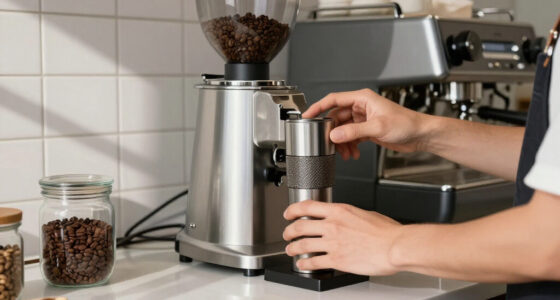
Hand and electric conical grinders can both grind coffee between matching burrs, but they suit different routines. Hand grinders tend to be compact and quiet, while electric models trade portability for speed and convenience. The best fit depends on how much coffee you make, how fine you grind, and how much effort you want in your morning.
A hand grinder can make sense if you brew one small cup at a campsite or want a quiet setup in a shared home. It takes time and arm effort, especially for espresso or several doses. An electric grinder can be easier when you make back-to-back drinks, though its motor, housing, burr speed, and dose size shape the sound you hear. “Conical” alone does not tell you whether it will whisper or roar.
Use the comparison below to match the setup to your own day. If you usually make one filter brew, portability may matter more than speed. If you dial in espresso every morning, adjustment markings and a consistent return to setting may save frustration.
| What matters | Hand grinder | Electric grinder |
|---|---|---|
| Portability | Compact and easy to pack | Usually stays on the counter |
| Effort | Requires turning by hand | Motor does the grinding |
| Noise | Often quiet in use | Varies with motor and housing |
| Several doses | Can take more time | Often faster and more convenient |
| Setting changes | Check range and adjustment marks | Check repeatability and fine control |
Before buying, picture a real Tuesday morning: how many doses do you grind, how much time do you have, and where does cleanup happen? For one person brewing slowly, a hand grinder may feel like a calm ritual. For a household making four coffees before breakfast, an electric model may fit better.
As an affiliate, we earn on qualifying purchases.
Choose a Grinder by Cup, Settings, and Cleanup
Choose a grinder by matching its adjustment, dose handling, cleanup, and support to the ways you brew. Burr shape alone can’t predict cup quality, and flat burr grinders also produce a range of particle distributions and cup styles. Comparing particular burr sets and practical results tells you more than treating conical and flat as fixed opposites.
Start with the coffee you actually make. Espresso usually benefits from a grinder with sufficiently fine adjustment and clear markings, since a small change can noticeably affect shot flow. If you mostly brew filter coffee, simple setting changes and a consistent dose may matter more. If you switch between both, check that the adjustment range suits each method and that you can find your way back to a useful setting.
Then look at the parts of the routine you repeat. A hopper may suit several doses in quick succession; single dosing may suit someone who weighs fresh beans each time and wants little coffee left inside. Ask how you’ll brush out loose grounds and whether you can reach the chute or burr chamber. Follow the maker’s cleaning directions, and don’t put water on burrs or internal parts unless the manual permits it.
Build quality, replacement burrs, spare parts, and manufacturer support also affect how useful a grinder remains. For example, someone who moves often may value a compact manual grinder, while a household that shares one espresso setup may care more about clear adjustment marks and parts availability. If you’re comparing models, use a focused guide to conical burr espresso grinders as a starting point, then verify current features with the maker or retailer.
Use a Simple Test to Find Your Preferred Cup
You can learn more from a controlled tasting than from guessing what a burr label should taste like. Keep the beans, dose, water, and brew method steady, then change one grinder setting at a time. This helps you tell whether a fuller feel comes from grind size, extraction, or your particular burr set.
For espresso, start with a familiar dose and recipe. If the shot runs too fast, make a small adjustment finer; if it chokes or tastes harsh, move coarser and taste again. Write down the setting and result. A note such as “18 grams, 30 seconds, syrupy but bitter” gives you something concrete to compare after a cleaning or bean change.
For filter coffee, try the same beans and water with two nearby grind settings. Notice the drawdown time and whether the cup tastes thin, sweet, or drying. Your friend may prefer the cleaner cup while you like a thicker one; both preferences can be reasonable. Consistency makes the comparison useful, not the assumption that one shape must win.
Keep a short log beside the grinder, especially if several people use it. Note the brew method, setting, dose, and one taste impression. If your espresso becomes unexpectedly slow after switching beans, the record can help you adjust without starting from scratch. That small habit turns a confusing knob into a tool you can understand.
Three Small Habits That Make Grinding Easier
A few repeatable habits can make conical grinding cleaner and less frustrating: measure doses consistently, track settings when you change brew methods, and brush out grounds according to the manufacturer’s instructions. These steps won’t make every grinder behave the same, but they help you spot what changed when the cup or workflow feels off.
Use this short sequence when you set up or troubleshoot your grinder:
- Weigh the beans before grinding if you single-dose, or note the hopper level if you use one.
- Record the setting before moving between espresso and filter, especially on a shared grinder.
- Inspect the grounds for clumps or excess static and use only maker-approved ways to address them.
- Brush loose grounds regularly, then deep clean only as the manual directs.
- Taste before adjusting again, so you change one variable at a time.
Picture a busy morning when your first espresso runs slower than yesterday’s. If you changed beans, grind setting, and dose all at once, you won’t know which change mattered. If you noted the setting and kept the dose steady, you can adjust in a controlled way and get back to a drink you enjoy.
Cleaning is part of food handling, too. Store beans in a cool, dry place and follow the grinder maker’s care guidance; never wash internal parts with water unless the manual says you can. These basics help keep old grounds from building up and preserve a more consistent taste from one day to the next.
Frequently Asked Questions
Do conical burr grinders make better coffee than flat burr grinders?
Neither burr shape is automatically better. Burr design, alignment, adjustment, beans, and brewing method all affect the cup. Compare specific grinders with the same beans and recipe to find the result you prefer.
Do conical burrs make coffee taste fuller or sweeter?
Some conical burr sets can produce a fuller impression, partly because their particle distribution may include more fine particles. Sweetness and body also depend on roast, dose, grind setting, and extraction. Try a controlled comparison before assigning the result to burr shape.
Are conical grinders good for both espresso and filter coffee?
Many can handle both, provided their adjustment range suits your brewing methods. For espresso, look for clear, repeatable fine adjustments; for filter, easy setting changes and consistent dosing may matter more. Check the specific grinder rather than relying on its category.
Are conical grinders quieter?
Some conical grinders run at relatively low burr speeds and can be quieter, but sound varies with the motor, housing, burr speed, and dose size. Hand grinders are often quiet, though they require time and effort. If noise matters, check the specific setup in use.
Do conical grinders retain less coffee?
Not necessarily. Retention depends on the grinder’s chute, burr chamber, and cleaning routine, rather than burr shape alone. Single-dose designs aim to reduce leftover grounds, but performance varies by model.
How should I clean a conical burr grinder?
Follow the manufacturer’s cleaning instructions and brush out loose grounds regularly. Deep-cleaning frequency depends on use and the beans you grind. Keep water away from burrs and internal parts unless the manual explicitly permits it.
Are hand grinders worth the effort?
They can suit travel, quiet homes, and single servings, and they don’t need an electric motor. Grinding takes time and effort, especially for espresso or several doses. Consider how many coffees you make and whether turning the handle fits your routine.
Conclusion
Choose a grinder by the coffee you make and the routine you can live with. A conical burr can contribute to a textured cup, but adjustment control, dose handling, noise, and cleanup decide how the grinder feels on an ordinary morning.
Try the same beans and recipe, change one setting, and trust what you taste. The best grinder is the one that helps you make a cup you want to drink—without turning breakfast into a wrestling match with a knob.
Halloween Picks
halloween
As an affiliate, we earn on qualifying purchases.