TL;DR

Get coffee and tea gear delivered free with Prime
- Fast, free delivery on millions of items
- Prime Video, Amazon Music and more included
- Member-only deals all year
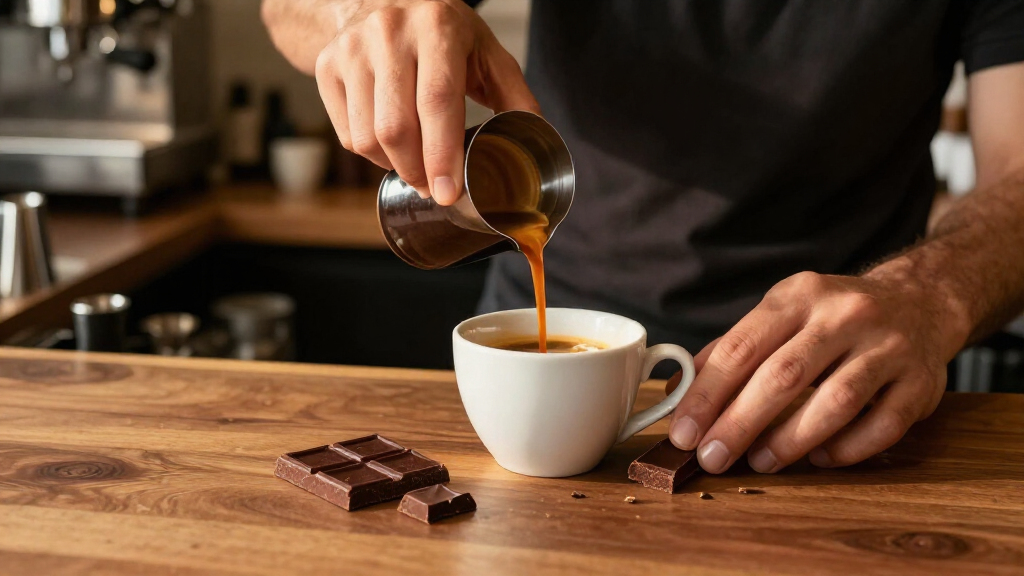
Chocolate and espresso work well together because both develop roasted, toasted aromas, while espresso’s bitterness and intensity balance chocolate’s sweetness and richness. You can tune the match by changing the roast, chocolate style, milk, or amount of chocolate; no single cacao percentage or espresso roast suits every palate.
A spoonful of chocolate can make espresso taste rounder; a sip of espresso can make chocolate taste less sugary. That small back-and-forth is why a mocha feels more complete than chocolate stirred into plain hot milk, and why a little coffee can make brownies taste deeper without turning them into coffee cake.
Chocolate and espresso are a classic pairing because they share more than a dark, roasted flavor. Their aromas overlap, their bitterness and sweetness balance, and their textures combine smoothly in drinks and desserts. You’ll learn what creates that match, how to choose chocolate for your espresso, and how to run a simple tasting at home without relying on a supposedly perfect roast or cacao percentage.
One useful distinction before you start: espresso is a brewing method, not a special kind of bean. It’s coffee brewed under pressure into a concentrated shot. Chocolate comes from cacao seeds, so the ingredients have different origins even when the finished flavors seem like old friends.
Roasting gives coffee and cacao overlapping toasted, nutty, and caramel-like aromas, even though they come from different plants.
Espresso’s bitterness and intensity can balance chocolate’s sweetness and richness, while chocolate can soften coffee’s sharper edges.
Choose chocolate by the taste of your espresso and the result you want; cacao percentage alone can’t predict the best match.
For a useful home tasting, hold the espresso steady, compare two or three chocolates, and change one variable at a time.
A little espresso powder can deepen chocolate desserts, but too much can make the coffee flavor and bitterness dominate.
Why Chocolate and Espresso Work So Well Together
Roasting gives coffee and cacao familiar aromas, while espresso’s intensity balances chocolate’s sweetness and richness. The best match depends on the flavors and texture you enjoy.
A shared roasted character
Coffee and cacao come from different plants, but roasting gives both warm, familiar flavor notes.
Common ground
Toasted, nutty, and caramel-like notes help the pairing feel coherent.
A balanced sip
Espresso can temper chocolate’s sweetness; chocolate can soften coffee’s sharper edges.
More body
Chocolate adds richness, and steamed milk brings the flavors together in a mocha.
Choose chocolate by the espresso
Use the coffee’s taste and the result you want as your guide; cacao percentage alone cannot guarantee a match.
| Chocolate style | Espresso match | What to expect |
|---|---|---|
| Milk chocolate | Smoky, bitter, or intense | Sweeter, softer, creamier |
| Dark chocolate | Rounded, nutty, or lower in acidity | Deeper, bittersweet roast notes |
| Fruit-forward chocolate | Bright or lightly roasted | A lively match with tart notes |
| Unsweetened cocoa | Balanced or softened with milk | Drier, more bitter flavor |
Run a simple tasting
Keep the espresso steady and change one variable at a time to find what suits you.
Keep the same shot for each comparison.
Taste two or three styles alongside the espresso.
Change the chocolate, milk, or amount and notice the difference.
Shared roasted aromas make the first sip feel familiar
Chocolate and espresso work so well together because roasting gives both ingredients a family resemblance: toasted, nutty, caramel-like, earthy, and sometimes smoky or fruity aromas. They aren’t made from the same plant, but your nose can still find common ground between them. That familiar thread helps the flavors feel connected rather than crowded.
Coffee comes from roasted coffee seeds; chocolate comes from cacao seeds that are fermented, dried, and roasted. Roasting develops much of the warm, dark character people recognize in both. Think of two instruments playing different notes in the same key: the sounds aren’t identical, but they fit together.
For instance, take a cocoa-rich brownie and a shot of espresso with toasted or nutty notes. The coffee echoes the brownie’s roasted aroma, so the dessert tastes more layered. A bright, fruity espresso can work too, but it creates a different effect—more like a tart berry beside dark chocolate than a mirror of its toasted flavor.
That overlap explains why the pairing can feel natural before you even identify individual notes. Shared aroma creates familiarity; it doesn’t mean every coffee and chocolate combination will taste the same. Origin, roast, fermentation, and recipe all shape the details. If one pairing seems flat, try changing just one ingredient rather than deciding that chocolate and coffee don’t belong together.
Products Worth Considering

De'Longhi Magnifica Duo Fully Automatic Espresso Machine with Milk Frother, Silver

Ninja Luxe Café Mini Plus Espresso and Drip Coffee Machine with AutoFroth, Stainless Steel (ES351)

Breville Barista Express Espresso Machine, Black Sesame
As an affiliate, we earn on qualifying purchases.
Bitterness and sweetness keep each other in check
Espresso and chocolate balance each other because espresso brings concentrated bitterness and sometimes acidity, while chocolate can bring sweetness, creaminess, and a rounded finish. The coffee stops sweet chocolate from tasting one-note; chocolate can soften the sharper edges of the coffee. The result is a conversation, not a competition.
A mocha shows the balance clearly. Espresso on its own can taste intense, especially if it has a dark, smoky roast; chocolate adds sweetness and body. But the espresso also keeps the chocolate from tasting like a simple sugar syrup. Milk pulls the two together, much like a soft cushion between two firm surfaces.
The balance changes with the ingredients. Dark chocolate alongside an intense, low-acidity espresso can make a bold, bittersweet match. But pair very bitter espresso with high-cacao dark chocolate and the drink may turn harsh. Milk chocolate or a splash of steamed milk can ease that edge. “Darker” isn’t automatically “better”—it’s just one direction on the flavor dial.
For instance, if your espresso tastes smoky and bitter, try a sweeter chocolate before adding more sugar. If your chocolate tastes sugary and mild, a more intense shot may give it definition. Adjust one side of the pairing at a time; that makes it easier to tell whether sweetness, bitterness, or acidity is driving the result.
Rich chocolate gives espresso a smoother, fuller feel
Chocolate changes the texture of espresso by adding weight and richness, while espresso contributes a concentrated flavor in a relatively small amount of liquid. In a mocha, melted chocolate or syrup thickens the drink, and steamed milk ties the ingredients together. That fuller mouthfeel can make the combination feel more satisfying than either ingredient alone.
Texture matters as much as taste. Espresso has a short, intense finish; chocolate brings a lingering, creamy or coating sensation. Together, they stretch a quick sip into something that feels more like a small dessert. It’s a bit like adding a bass line to a melody: the original is still there, but the whole thing feels more grounded.
Milk changes the result again. Dairy milk can add sweetness and a creamy texture, while oat or soy drinks may shift the flavor and body depending on the product. A mocha made with an unsweetened alternative milk and unsweetened cocoa can taste much more bitter than one made with sweetened chocolate and dairy milk. If it feels thin, try a chocolate with more cocoa butter or adjust the milk before piling in extra syrup.
Chocolate can make coffee seem sweeter or fuller, but that’s a sensory effect—not evidence that the drink has less caffeine or is inherently healthier. Chocolate doesn’t remove espresso’s caffeine, and cocoa products may contribute caffeine and theobromine of their own. If you’re limiting caffeine, count the espresso and chocolate rather than assuming the rich taste makes the coffee weaker.
Choose chocolate by taste, not by cacao percentage alone
The best chocolate for espresso depends on the coffee and the drink you want; no cacao percentage guarantees a perfect match. Dark chocolate often suits intense espresso, while milk chocolate can soften a smoky or bitter shot. But sugar, processing, and the coffee’s roast all affect the result, so percentage is only one clue.
Use this quick comparison as a starting point, then taste for yourself. “Dark” covers a wide range: one bar may taste fruity and bright, another deeply roasted and bitter. Coffee does the same thing. Espresso is not a single flavor category.
| Chocolate style | Works well when your espresso is… | What to expect |
|---|---|---|
| Milk chocolate | Smoky, bitter, or especially intense | A sweeter, softer mocha with a creamy finish |
| Dark chocolate | Rounded, nutty, or lower in acidity | A deeper, bittersweet pairing with more roast character |
| Fruit-forward chocolate | Bright or lightly roasted | A lively match that highlights tart and fruity notes |
| Unsweetened cocoa | Balanced, or softened with milk and a little sweetener | A drier, more bitter drink with a strong cocoa aroma |
For example, if a 70% dark chocolate tastes too bitter with your usual espresso, don’t jump straight to a much darker bar. Try a less bitter chocolate or add milk first. Choose by the flavor in your cup, not by a rule that treats cacao percentage as a quality score. A sweet, fruity dark chocolate may suit your shot better than a more bitter bar with a higher number on the wrapper.
Test a few pairings at home in ten minutes
A simple side-by-side tasting helps you find your preferred chocolate-and-espresso match without changing several things at once. Keep the espresso constant, try a few small pieces of chocolate, and notice sweetness, bitterness, acidity, aroma, and finish. You don’t need special tasting gear—just a clean palate and a few minutes.
- Brew one espresso. Use the same coffee and recipe for every taste. If you don’t have an espresso machine, strong coffee can still work for a casual comparison, though it won’t have quite the same concentration.
- Choose two or three chocolates. Try one milk chocolate, one dark chocolate, and, if available, a fruity or nutty option. Small pieces are enough; you’re comparing flavor, not eating a full dessert.
- Taste the espresso first. Note whether it seems bitter, bright, smoky, nutty, or sweet. A quick written word or two helps you remember your first impression.
- Take a bite of chocolate, then sip espresso. Notice what changes. Does the coffee taste smoother? Does the chocolate seem less sweet or more aromatic?
- Change one variable and repeat. Add milk to one test, or try the same chocolate with a different espresso. Keeping the other ingredients steady makes the difference easier to spot.
Imagine your first test tastes like charred toast beside unsweetened cocoa. Instead of adding a pile of syrup, try milk chocolate or a small splash of steamed milk; that change targets the bitterness directly. Small samples reveal more than guesswork, and keeping notes makes the next café order easier to tune. If you’re tasting several options, drink water between them so one lingering bite doesn’t dominate the next pairing.
Use chocolate and espresso in drinks and desserts
Chocolate and espresso work in more than mochas: espresso can deepen brownies, sauces, truffles, and tiramisu, while chocolate can round out coffee drinks and cold desserts. The useful trick is to match the amount to the job. A little coffee can make chocolate taste fuller; too much can push a dessert toward a clear coffee flavor or add unwanted bitterness.
In baking, try a small amount of espresso powder or strong coffee in chocolate cake batter. The goal is often to amplify chocolate, not to make a coffee cake. If you add enough that the batter smells unmistakably like espresso, expect that flavor to carry through after baking. Instant coffee can also work, though its flavor and strength vary by product.
For a drink, a mocha usually combines espresso, chocolate, and steamed milk, though café recipes vary. A latte is generally espresso with steamed milk and a layer of foam, without chocolate as a defining ingredient. An affogato is different again: hot espresso poured over ice cream or gelato. Chocolate may join the bowl, but it isn’t required.
Keep food handling simple and safe: refrigerate perishable milk-based drinks promptly if you’re saving them, and don’t leave them at room temperature for more than two hours—or more than one hour above 90°F (32°C). Use measured additions in recipes so a teaspoon of espresso powder deepens the cocoa rather than taking over the whole pan. If you’re serving a mocha or dessert to others, mention milk and soy ingredients when present; those are common allergens.
Avoid the combinations that turn harsh or muddy
A chocolate-and-espresso pairing usually goes wrong when bitterness, sweetness, or intensity piles up without a counterbalance. Very bitter espresso with very bitter chocolate can taste dry and harsh, while too much syrup may bury the coffee. The fix is often a small adjustment, not a new recipe.
Start with the espresso itself. Over-extraction can make a shot taste excessively bitter, and chocolate won’t reliably hide that. If the coffee tastes sharp and sour, adding more dark chocolate may not help; try a smoother chocolate, milk, or a better-balanced extraction. You’re aiming for complementary flavors, not camouflage.
Also watch the amount of chocolate. A thick layer of syrup can turn a mocha into sweet chocolate milk with a faint coffee note. If that’s what you enjoy, there’s no wrong answer—but if you want both ingredients to show up, begin with less chocolate and add more after tasting. For instance, stir a small spoonful into the shot, taste it, then decide whether the drink needs another.
Make one correction at a time: sweeter chocolate for sharp bitterness, milk for a dry finish, or less syrup when coffee disappears. That approach protects the distinct character of both ingredients. If a combination feels muddy, try a simpler recipe with fewer additions; cinnamon, flavored syrups, and toppings can mask the very differences you’re trying to understand.
Frequently Asked Questions
Why do coffee and chocolate taste good together?
They share roasted, toasted, and sometimes nutty or fruity aromas, which helps the flavors feel connected. Espresso’s intensity can balance chocolate’s sweetness, while chocolate adds a rounder, richer finish to coffee.
Which chocolate is best with espresso?
It depends on your espresso. Milk chocolate can soften a bitter or smoky shot, while dark chocolate often pairs nicely with a rounded, lower-acidity espresso. Try a small taste before committing to a whole drink.
Does chocolate reduce the caffeine in espresso?
No. Chocolate does not remove caffeine from espresso. Chocolate may add some caffeine, along with theobromine, depending on the product and serving size.
Can espresso make chocolate cake taste stronger?
A small amount of espresso powder or strong coffee can deepen chocolate flavor without making the cake taste strongly of coffee. Add it gradually; too much can make the finished dessert bitter or distinctly coffee-flavored.
What is the difference between a mocha and a latte?
A latte is generally espresso with steamed milk and foam. A mocha is usually a latte-style drink with chocolate added, though café recipes differ in the chocolate, sweetness, and proportions they use.
Is dark chocolate always better with a dark-roast espresso?
No. A very bitter dark chocolate alongside a very bitter espresso can make the pairing harsh. Try a sweeter chocolate or add milk if both ingredients taste too intense, and choose by flavor rather than color alone.
Conclusion
Remember the simple formula: shared roasted aromas make chocolate and espresso feel familiar, while their differences in sweetness, bitterness, and texture keep the pairing interesting. Start with a small chocolate tasting beside your usual espresso, then adjust one ingredient until the balance suits you.
There’s no universal perfect roast or cacao percentage. Find the combination that makes your next sip taste more like itself—and a little more satisfying.