

TL;DR

Get coffee and tea gear delivered free with Prime
- Fast, free delivery on millions of items
- Prime Video, Amazon Music and more included
- Member-only deals all year
Plant milk splits in espresso when heat, coffee acidity, and the milk’s ingredients destabilize its proteins or emulsion. A fresh barista-style milk, gentle steaming to about 55–65°C (131–149°F), and gradual mixing can help, though no product works perfectly with every coffee. Separation after mixing is usually a texture issue if the milk was fresh and stored correctly; sour smell or abnormal texture before mixing means you should discard it.
You pour a glossy shot of espresso into your oat milk, and suddenly the surface looks like tiny pale flecks drifting through a dark pool. It can seem like the milk has spoiled on contact. Often, though, the change comes from the way hot, acidic espresso interacts with the milk’s ingredients.
This guide explains why plant milks split in espresso, what “barista” on a carton can and cannot promise, and how to troubleshoot the next cup. You’ll also learn how to tell a texture problem from a milk-safety concern, with practical temperature and storage advice you can use at home.
Plant milk can split when hot, acidic espresso destabilizes its proteins or other ingredients.
A barista label can help you choose a coffee-friendly formulation, but it cannot promise a smooth result with every espresso.
Try steaming to roughly 55–65°C (131–149°F) and mixing gradually to limit sudden heat and acidity at one spot.
Coffee origin, processing, roast, and extraction all affect the cup; a darker roast does not guarantee less splitting.
If milk was fresh and properly stored before mixing, separation may be a quality issue; sour smell or abnormal texture beforehand means you should discard it.
Coffee science · Home barista guide
Why Plant Milks Split in Espresso
Tiny pale flecks in a dark shot can look alarming. Often, they show a texture reaction: hot, concentrated coffee meeting a milk whose ingredients have lost stability. The milk recipe, coffee, temperature, freshness, and pour all shape the result.
“Barista” is a useful formulation cue, not a promise that every espresso will stay smooth.
A fresh coffee-style milk, gentle heat, and gradual mixing can improve your odds. No plant milk behaves identically with every coffee.
Heat and acidity can turn smooth milk grainy
Splitting is a reaction to the combination. It is not, by itself, a verdict on any single ingredient.
Proteins lose stability
As the surrounding conditions change, plant-milk proteins may clump. Espresso’s acids and concentrated compounds can shift those conditions quickly.
Hot meets cold, all at once
A concentrated hot stream landing on one spot can make local conditions change abruptly. Overheating milk can also hurt its texture and flavor.
The whole recipe matters
Protein, fat, acidity regulators, emulsifiers, and stabilizers all affect whether the mixture stays smooth. The plant source alone cannot predict the result.
Espresso minerals and other dissolved compounds can interact with milk ingredients, too. The same carton may look smooth in one latte and split in another after a change in beans, storage, shot, or pouring speed.
The carton and the coffee both count
Keep one variable steady while you test another. That makes a useful kitchen comparison.
“Barista” helps set expectations
Barista versions are generally designed to foam and mix more consistently in hot coffee. They may use adjusted protein, oils, or stabilizers. Formulas vary by brand and can change over time.
Roast name alone won’t tell you
Origin, processing, roast, and extraction shape the cup. A darker roast may taste less bright, but it does not guarantee lower acidity or a smooth mix.
If one bag repeatedly splits your usual milk, hold the milk and temperature steady while testing another espresso. Then compare the new coffee with a barista-style alternative.
Four steps toward a smoother latte
Start fresh, heat gently, and change one thing at a time if the drink still separates.
Pick a coffee-style milk
Try a barista version of a plant milk you enjoy. Note the brand and carton date so you can compare later.
Steam to 55–65°C
Aim for about 131–149°F. Going much hotter can harm texture and flavor and may make separation more likely.
Mix gradually
Pour espresso into milk in a thin stream, or stir the espresso and add milk gradually to avoid one concentrated hot spot.
Change one variable
Keep the milk and technique steady while testing another espresso. If it still splits, check freshness or try another formulation.
Check the milk before it meets the coffee
Separation after mixing is usually a quality issue when the milk was fresh and stored correctly.
It looked and smelled normal first
If fresh, properly stored milk separates only after meeting espresso, the change is usually about appearance and texture. Try a gentler temperature or slower pour next time.
Something was off before mixing
A sour smell, abnormal texture or lumps before adding coffee, a swollen package, or uncertain storage can indicate spoilage. Do not use it.
Follow the variables from carton to cup
A small, controlled comparison beats guessing from a plant name or roast label.
Fresh milk + steady technique + one change at a time = a clearer answer about your pairing.
Heat and acidity can turn smooth milk grainy
Plant milks split in espresso when the coffee’s heat and acidity destabilize parts of the milk’s mixture, causing small clumps or separation. The effect can look dramatic, but it often changes the drink’s texture and appearance more than its safety.
Think of the milk as a tiny team of ingredients meant to stay spread evenly through water. Proteins help provide structure, while fats and stabilizers can help create a smooth, consistent drink. Espresso arrives hot and concentrated, carrying acids and other dissolved compounds. If that stream hits one spot, the local conditions can change quickly, and some of the milk’s ingredients may gather into flecks.
For example, you might make a cappuccino with cold milk straight from the fridge and a freshly pulled shot. The first splash of espresso lands in one small area, and little grains appear before you have time to stir. The drink hasn’t necessarily gone bad; it may simply have reacted to an abrupt mix of hot coffee and cold milk.
Acidity matters because plant-milk proteins can lose stability as the surrounding conditions change. Coffee also contains minerals and other compounds that can interact with milk ingredients. There isn’t one simple cause in every cup: the milk recipe, coffee, freshness, temperature, and mixing all play a part.
That’s why the same carton might look smooth in one latte and split in the next. A change in beans, shot temperature, or pouring speed can tip a delicate mixture into visible separation. Splitting is a reaction to the combination, not a verdict on any one ingredient by itself.
Products Worth Considering
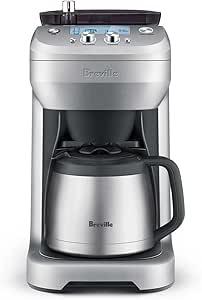
Breville Grind Control BDC650BSS Thermal Carafe Coffee Maker – Brushed Stainless Steel

De'Longhi Magnifica Evo Fully Automatic Espresso Machine with Manual Milk Frother, Silver

Breville Bambino Espresso Machine, Brushed Stainless Steel (BES450BSS)
As an affiliate, we earn on qualifying purchases.
Your milk’s recipe matters more than its plant source
Plant milks don’t all react alike because their protein, fat, acidity regulators, emulsifiers, and stabilizers vary. The plant named on the carton can offer a clue about its ingredients, but it cannot predict exactly how the finished drink will behave in your espresso.
Soy and pea drinks generally contain more protein than many almond or oat drinks, but more protein alone doesn’t guarantee a stable latte. The milk’s full recipe matters. Two oat drinks can behave differently because their manufacturers use different balances of oils or stabilizing ingredients. Even a product that steams into velvety foam may split when it meets a particular shot.
“Barista” versions are designed to perform more consistently in hot coffee and to produce foam for drinks such as cappuccinos. That makes the label a useful place to start if your usual carton separates. Still, it’s a formulation cue, not a guarantee. If your barista almond milk looks grainy with a bright espresso, try it with another coffee before writing off the whole category.
Plant milks can also change as brands adjust recipes, so yesterday’s experience may not precisely predict what a new carton will do. Check the label and try one variable at a time. If you switch both the milk and the coffee at once, you won’t know which change helped.
Imagine making the same latte on Monday and Friday. On Monday, a newly opened carton and a mellow espresso give you a smooth drink. On Friday, the carton is older and the shot tastes sharper. A different result doesn’t prove that oat, soy, almond, or pea milk always fails. It shows why the specific product and the specific cup matter more than broad claims about one plant source.
Coffee can be the reason your usual milk suddenly splits
Espresso splitting depends partly on the coffee because beans and brewing conditions affect the drink’s acidity and concentration. Roast level alone doesn’t reliably tell you whether a shot will mix smoothly with plant milk.
Origin, processing, roast, and extraction all shape the cup. One espresso may taste lively and bright; another may taste rounder and less sharp. That flavor difference can matter when you pair the coffee with a milk that already sits close to the edge of stability. If your milk repeatedly splits with one bag of beans but not another, the coffee could be the change that tips the mixture.
For example, you buy a new light roast for its fruit-like flavors and notice that your almond drink separates more often. Switching back to the darker roast might help, but it isn’t a dependable fix. Darker roasts are often perceived as less bright, yet roast level doesn’t guarantee a particular pH or a smooth mix. Extraction and other coffee factors also matter.
Think of your espresso and milk like two instruments playing the same note: each may sound fine on its own, while the combination feels off. Test your usual milk with a different coffee, then try the new coffee with a barista-style alternative. Keep the shot recipe and milk temperature steady while you compare.
This little kitchen test gives you a useful answer without needing to guess from the roast name. If a less sharp-tasting coffee solves the issue, you’ve found a practical pairing. If it doesn’t, look at milk freshness, temperature, and pouring technique next.
Use this four-step method for a smoother latte
To reduce splitting, start with a fresh barista-style milk, heat it gently, and mix it with espresso gradually. These four steps help you test the likeliest causes without changing everything at once.
- Pick a milk made for coffee. Start with a barista version of the plant milk you already enjoy. Note the brand and carton date so you can compare results later.
- Steam gently. For a latte, aim for about 55–65°C (131–149°F). Going much hotter can harm the milk’s texture and flavor, and may make separation more likely.
- Mix slowly. Pour the espresso into the milk in a thin stream, or stir the espresso first and then add the milk gradually. This limits how long one concentrated, hot stream hits one spot.
- Change one thing if it still splits. Keep the milk and technique the same while testing a different espresso. If that doesn’t help, try another barista-style product.
Picture making two small test lattes before breakfast. You keep the coffee dose and cup the same, but stir the espresso before adding milk in one and pour it directly into milk in the other. If the gently mixed version stays smoother, the way you combine the drinks was likely part of the problem.
There’s no universal recipe that will rescue every combination. Gradual pouring may improve mild separation, but it can’t fix every milk formulation or coffee pairing. Still, a repeatable test helps you find the method that gives your own morning cup the best chance of staying smooth and creamy.
Compare the causes before you blame the carton
If your espresso looks grainy, compare the likely causes one at a time: milk formulation, coffee, temperature, pouring, and freshness. A quick comparison can prevent you from throwing away a usable carton or changing your whole coffee routine without a clear reason.
| What changed? | What you might see | A practical next test |
|---|---|---|
| Milk formulation | One product splits while another stays smooth | Try a barista-style option; compare products with the same coffee |
| Coffee | The same milk behaves differently with a new bag | Test a different espresso while keeping milk and technique steady |
| Temperature | Very hot milk looks rough or tastes flat | Steam to roughly 55–65°C (131–149°F) |
| Pouring | Flecks appear where espresso first hits cold milk | Add espresso gradually and stir gently |
| Storage or freshness | Milk smells sour or looks abnormal before coffee is added | Discard it if the odor, appearance, or storage raises concern |
Say the problem appears only when you pour a new espresso into one particular milk. That points more toward a pairing or mixing issue than a problem with the coffee machine. If the same carton smells sour or looks unusual before you make the drink, that’s a different matter: don’t use it just because the espresso could have caused separation.
The point of comparing is not to diagnose every ingredient in a kitchen. It’s to gather a useful clue. Change only the coffee, milk, or method, then make another cup under similar conditions. A simple note on your phone—milk, beans, and rough temperature—can turn a frustrating streak of split lattes into a clear pattern.
Know when split milk is a safety issue
Separation that appears only after fresh milk meets espresso is often a quality issue, but you should discard milk that smells sour, has an abnormal texture before mixing, or may have been stored improperly. Coffee can change the look of milk; it cannot make questionable storage safe.
Follow the carton’s refrigeration directions, especially after opening, and use the milk within its stated date and handling guidance. Don’t leave a carton sitting warm on the counter while you work through a long coffee session. A brief wait while you pull a shot is different from leaving milk out for an extended period.
For example, if you open a properly refrigerated carton, pour a normal-looking portion into fresh espresso, and see fine flecks appear, the drink may simply have split from the coffee interaction. If the milk already smells sour before it reaches the cup, or you find odd lumps in the carton, discard it. Don’t taste-test milk that seems spoiled to see whether it is safe.
A swollen or damaged package, unusual odor, or abnormal texture before mixing deserves more attention than grains that show up only in one espresso. When storage has been uncertain, choose caution and follow the manufacturer’s guidance. Freshness and proper refrigeration matter whether you drink the milk plain, steam it, or add it to coffee.
If the milk seemed normal before it touched coffee and separated only after mixing, the appearance alone does not prove spoilage. If it was sour, abnormal, or poorly stored first, discard it.
That distinction can save a perfectly good latte from the sink while keeping food safety first. The milk’s smell, condition, and storage history before mixing are your best practical checks.
Frequently Asked Questions
Is split plant milk safe to drink?
If the milk was fresh and properly stored and split only after you added espresso, the change is usually about texture. If it smelled sour, looked abnormal before mixing, or its storage is uncertain, discard it.
Why does my plant milk split only in coffee?
Espresso combines heat, acidity, and concentrated coffee compounds, which can destabilize a milk’s ingredients even when the milk looks normal on its own. The result depends on both the particular coffee and the milk’s formulation.
Which plant milk is least likely to split?
There’s no universal winner. A barista-style product is a practical starting point because it is formulated for coffee, but different products can still react differently with your espresso.
Does oat milk split less than soy or almond milk?
Not always. Protein, fats, stabilizers, and other ingredients vary among products, so the formulation matters more than the plant name alone. Compare products using the same coffee and technique.
Does darker roast coffee stop plant milk from splitting?
Not reliably. Darker roasts are often perceived as less bright, but roast level alone doesn’t predict how every espresso will mix with milk. Origin, processing, extraction, and the milk recipe also play a part.
Should I pour espresso into milk, or milk into espresso?
Either can work. Gradual mixing and gentle stirring help avoid a concentrated, hot stream hitting one small spot in the milk.
Can I fix plant milk after it has split?
Stirring may improve mild separation, but it may not bring back a completely smooth texture. For the next cup, try cooler milk, a slower pour, a different coffee, or another barista-style product.
Why does plant milk split when I steam it?
Excessive heat can destabilize ingredients, and some products tolerate steaming better than others. For a latte, stop around 55–65°C (131–149°F) rather than overheating the milk.
Conclusion
Change one variable at a time when your plant milk splits: start with a fresh barista-style product, steam gently, and pour the espresso slowly. If the drink still turns grainy, test a different coffee before deciding that the plant source is the problem.
Remember the cup as a meeting between ingredients, not a verdict on the carton. A little patience with the pour can turn that dark shot and pale milk into the smooth, warm latte you wanted.