
TL;DR

Get coffee and tea gear delivered free with Prime
- Fast, free delivery on millions of items
- Prime Video, Amazon Music and more included
- Member-only deals all year
Your espresso puck cracks or falls apart mainly due to uneven distribution, inconsistent grind size, or improper tamping. Improving these factors leads to a stronger, more uniform puck and better extraction.
Ever pulled an espresso shot and watched the puck crack, split, or crumble mid-extraction? It’s frustrating. That fragile, often unpredictable surface can ruin your brew—and your mood. Your goal is a smooth, even flow of rich, dark espresso. But things go wrong when the puck falls apart.
In this guide, you’ll learn why puck cracks happen, what causes channels, and how to fix or prevent these issues. Whether you’re a home barista or a pro, understanding the core reasons makes your espresso better—faster and easier. Ready to stop guessing and start brewing with confidence?
Consistent grind size and proper distribution are the foundation of a stable puck.
Uneven tamping and overpacking or underpacking create weak spots prone to cracking.
Maintaining machine pressure and temperature stability prevents puck stress and breakage.
Let fresh beans rest 3-5 days after roasting to reduce gas-related puck instability.
Regularly inspect and clean your basket and filters to ensure even water flow and puck strength.
How uneven tamping and distribution cause puck cracks
The first thing to know: an uneven tamp or poor distribution creates weak spots in your puck. Think of it like building a wall with uneven bricks—those gaps and weak points compromise the integrity of the entire structure. When hot water is forced through these weak spots, cracks form, or the puck breaks apart, leading to channeling and uneven extraction.
This isn’t just about aesthetics; it directly impacts flavor. Cracks and weak spots allow water to bypass coffee grounds, resulting in under-extraction of some areas and over-extraction of others. The overall quality and consistency of your shot suffer, producing a bitter or sour flavor profile. Therefore, the way you distribute and tamp grounds influences not only puck stability but also the final taste and aroma of your espresso.
To fix this, use tools like a distribution cap or a WDT (Weiss Distribution Technique) needle to spread grounds evenly before tamping. Apply steady, even pressure when tamping—about 30 pounds of force. Think of tamping as leveling a table: it needs to be flat and firm to hold everything together, ensuring water flows uniformly through the entire puck. Skipping these steps or doing them inconsistently can create weak spots that compromise the entire extraction process.
As an affiliate, we earn on qualifying purchases.
The impact of grind size and consistency on puck stability
The grind size is fundamental because it determines how water interacts with coffee grounds. A grind that’s too coarse creates large gaps between particles, allowing water to flow through too quickly. This rapid flow prevents proper extraction, leaving your shot weak and often resulting in cracks or channeling, which are signs of uneven pressure distribution. Conversely, a grind that’s too fine causes high resistance, increasing pressure inside the portafilter and risking cracks or even blowouts—where coffee grounds escape from the sides.
Inconsistent grind size is particularly problematic because it introduces weak points in the puck—some areas may be over-extracted, others under-extracted. This inconsistency directly impacts flavor and puck integrity. Think of it like building a bridge with uneven beams; some parts may hold, but others are prone to failure under stress.
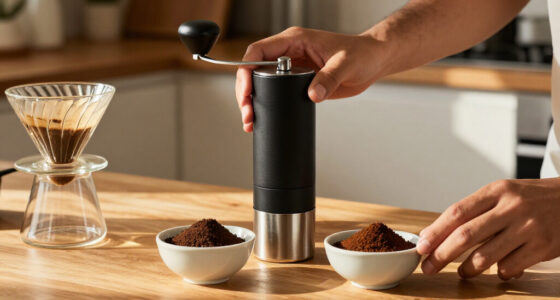
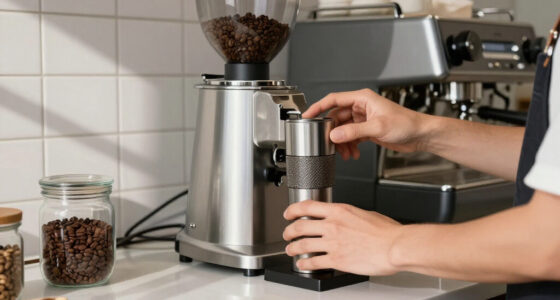
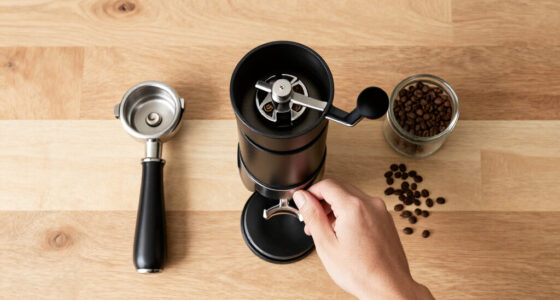
Many baristas prefer grinders with stepless adjustment because they allow for fine-tuning and maintaining a consistent particle size. Regularly calibrate your grinder, aiming for a texture similar to granulated sugar. When your grind is uniform, the coffee bed forms evenly, leading to a cohesive puck that resists cracking during extraction. The tradeoff is that achieving perfect consistency requires attention, patience, and sometimes investing in higher-quality equipment, but the payoff is a more reliable, crack-resistant puck and a superior espresso shot.
As an affiliate, we earn on qualifying purchases.
How dose and packing density influence puck strength
The amount of coffee you dose and how tightly you pack it directly influence the structural integrity of your puck. Overdosing—using too much coffee or pressing too hard—can create a dense, hard puck that is actually more prone to cracking if tamped unevenly. Think of it like compressing a sponge; over-compression makes it brittle and susceptible to breaking under pressure. Under-dosing, on the other hand, results in a weak, airy puck that lacks cohesion, making it easy for water to find weak spots and cause channeling or crumbling.
Using a scale to measure your coffee dose precisely ensures consistency. Tamping with appropriate, uniform pressure—about 30 pounds—creates a compact, resilient coffee bed. The goal is to find a balance: a puck that feels firm but not excessively hard, akin to pressing just enough to make it slightly resistant to your finger. This balance helps prevent cracks caused by internal stress during extraction. Recognizing the tradeoff, overpacking can lead to high pressure and potential fractures, while underpacking increases the risk of instability. Achieving the right packing density is key to a stable, durable puck and a better-tasting shot.
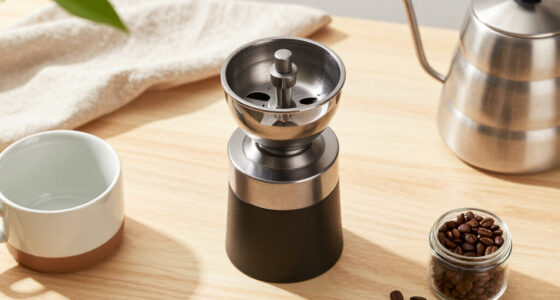
coffee grinder with precise grind settings
As an affiliate, we earn on qualifying purchases.
As an affiliate, we earn on qualifying purchases.
Pressure, temperature, and their role in puck integrity
High extraction pressure and temperature fluctuations exert stress on the puck, much like uneven heat causes warping in baked goods. If your espresso machine applies inconsistent pressure or heats unevenly, the puck can crack, crumble, or fall apart during extraction. This is especially true if the pressure spikes suddenly or the temperature varies significantly during the process, creating internal stresses that weaken the coffee bed’s structure.
For instance, a sudden spike to 10 bars of pressure can cause a fragile puck to crack or blow out, while temperature fluctuations above 2°C during extraction can affect how tightly coffee particles bind together. These variations can lead to uneven extraction, impacting flavor and consistency.
Modern espresso machines equipped with pressure profiling and PID temperature controllers help maintain steady conditions, reducing puck stress. If you notice cracks or crumbling, check your machine’s pressure gauge and temperature settings. Regular calibration and maintenance are essential. Maintaining consistent pressure and temperature not only preserves puck integrity but also ensures optimal extraction, resulting in a richer, more balanced espresso. The tradeoff is that equipment with advanced control features can be more costly but offers significant benefits for puck stability and overall shot quality.
As an affiliate, we earn on qualifying purchases.
How roast level and freshness affect puck strength
Roast level and freshness significantly influence how stable your puck is because they affect the amount of gases and oils present. Light roasts tend to have more volatile gases and moisture, which can make the puck more prone to cracking or crumbling as the gases escape during extraction. Darker roasts generally have less gas and oils, leading to a more cohesive, stable puck. However, over-roasted beans can be brittle and prone to falling apart because of their dry, charred structure.
Imagine trying to mold a sturdy sculpture with freshly baked bread versus dry clay. The bread’s moisture and gases make it less stable and more likely to crack under pressure. Similarly, very fresh beans release CO2, which creates internal pressure, weakening the coffee bed’s cohesion. Over time, these gases escape, allowing the puck to settle into a more stable form if rested properly.
To optimize puck stability, let your beans rest for at least 3-5 days after roasting to allow excess gases to dissipate. Store beans in a cool, airtight container away from light to prevent oxidation that can degrade oils and structure. Choosing a roast level that balances flavor and stability is key; darker roasts often produce more stable pucks, but avoid overly oily beans that can clog filters and interfere with extraction. Recognizing the tradeoff, the goal is to find a roast and freshness level that supports both flavor and structural integrity for a reliable puck and a consistent shot.
Why worn baskets and filters cause uneven flow and puck cracks
Worn or damaged baskets and filters disrupt the even distribution of water through the coffee bed, leading to weak spots that are prone to cracking. Over time, filters can develop tears, become clogged with coffee oils, or warp, which causes uneven water flow. This uneven flow results in parts of the puck being over-extracted while others are under-extracted, increasing the likelihood of cracks and channels forming.
For example, a basket with a bent or worn edge might direct water preferentially through certain areas, bypassing others and creating pressure imbalances. Regular cleaning with a soft brush and descaling solution helps prevent build-up of oils and residue, maintaining the basket’s shape and function. Replacing worn baskets or filters ensures consistent water flow, which promotes a uniform coffee bed and reduces the risk of cracks caused by uneven pressure distribution.
Maintaining your equipment is a crucial part of ensuring puck integrity. Think of it as regular maintenance on a machine—neglect can lead to subtle issues that compromise the entire extraction process. Proper care and timely replacement of worn parts support a stable, resilient puck and a better espresso experience.
The latest tech and techniques to strengthen your puck
Recent advancements in espresso equipment and techniques are designed to enhance puck stability by providing greater control and consistency. Stepless grinders allow precise adjustments to grind size, reducing variability that can cause cracks. Pressure profiling and PID temperature controllers help maintain stable extraction conditions, minimizing internal stresses that lead to puck fractures. For example, some high-end machines can adjust pressure dynamically during extraction, avoiding sudden spikes that crack the puck.
Baristas now use tools like the WDT needle or distribution caps to improve coffee bed uniformity by eliminating air pockets and ensuring even density. These small but impactful tricks, when integrated into a consistent routine, dramatically improve puck cohesion. Investing in high-quality grinders, regularly calibrating your machine, and practicing thorough distribution and tamping techniques create a reliable foundation for a crack-resistant puck. These technological and procedural improvements significantly reduce common issues like channeling and cracking, leading to more consistent, high-quality shots.
While these innovations often come with higher costs, they offer tangible benefits in puck stability and overall espresso quality. The tradeoff is an initial investment and learning curve, but the long-term payoff is a more forgiving, stable brewing process and better-tasting coffee.
Troubleshooting: Why does my puck fall apart after brewing?
If your puck crumbles immediately after brewing, it indicates a mismatch in several factors—improper dosing, uneven tamping, or using beans that are too fresh. These issues weaken the structural integrity of the coffee bed, making it unable to withstand the pressure of extraction. Excessive machine pressure or a damaged basket can also contribute by exerting uneven force, causing the puck to break apart.
For example, a home barista using unmeasured doses and pressing too hard might produce a fragile, crumbly puck that disintegrates during or immediately after extraction. Ensuring precise measurement, even tamping, and resting beans for the appropriate period after roasting can significantly improve puck cohesion. Additionally, check your machine’s pressure settings and ensure all components are functioning correctly. Regular cleaning and maintenance prevent internal blockages or malfunctions that could lead to over-pressurization and puck failure. Recognizing these factors and addressing them systematically can help you troubleshoot and prevent puck fall-apart issues, ensuring a cleaner, more consistent shot every time.
Frequently Asked Questions
Why does my espresso puck crack during extraction?
Cracks typically form when the puck isn’t evenly distributed, tamped unevenly, or the grind size is inconsistent. Excessive pressure or temperature fluctuations can also cause cracking during extraction. Improving distribution, tamping, and machine stability helps prevent this.
How can I prevent channeling and uneven flow?
Use a distribution tool, tamp with even pressure, and ensure your grind is uniform. Additionally, check that your basket and filter are clean and undamaged. Consistent dosing and technique lead to a more cohesive puck that resists channeling.
Does roast level affect puck strength?
Yes. Darker roasts tend to produce more stable pucks because they have less gas and are less prone to cracking. Lighter roasts with more volatile gases can make the puck more fragile. Letting beans rest and choosing the right roast for your setup can improve puck integrity.
What tools help improve puck consistency?
Tools like a WDT needle, distribution caps, and tamping mats help create a uniform coffee bed. Using a high-quality grinder with stepless adjustment and a scale for dosing also makes a big difference. Consistent technique is key.
Can machine pressure settings cause puck issues?
Absolutely. Excessive or inconsistent pressure can stress the puck and cause cracks. Machines with pressure profiling and PID temperature control provide a steadier environment, reducing puck breakage and channeling.
Conclusion
Cracks, channels, and crumbles in your espresso puck don’t happen by chance. They’re signs that something’s off—either in your grind, tamp, or machine. Fixing these issues means better flow, richer flavor, and fewer wasted shots.
Next time your shot goes awry, remember: small adjustments in grind, distribution, and maintenance make a big difference. Your perfect espresso is just a few tweaks away—keep experimenting and enjoy the process.
Halloween Picks
halloween
As an affiliate, we earn on qualifying purchases.