TL;DR

Get coffee and tea gear delivered free with Prime
- Fast, free delivery on millions of items
- Prime Video, Amazon Music and more included
- Member-only deals all year
Idle heat affects an espresso machine differently because its boiler or heater, pipes, brew group, sensor, and surroundings warm and cool at different rates. Machine design and idle duration shape the temperature of water reaching your coffee, so follow model-specific warm-up or flush guidance and compare shots while keeping other variables steady.
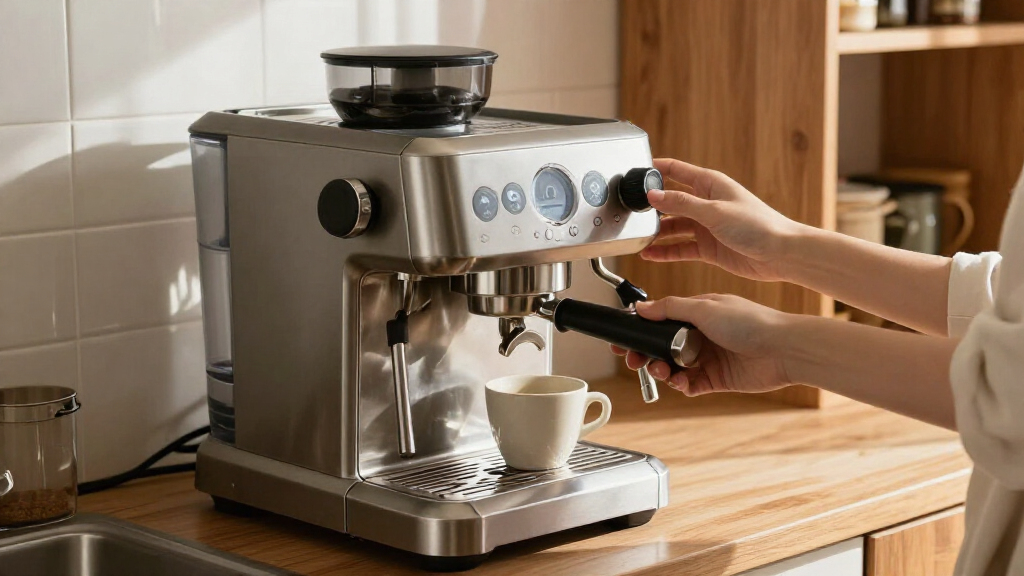
Your espresso machine can show a steady temperature and still send water to the coffee at a different temperature. That’s because idle heat affects the entire brew path—from the heater and boiler to the pipes, group head, portafilter, and surrounding air. Those parts warm and cool at different speeds, like a cast-iron pan and a thin spoon left on the same stove.
This explains why two machines left on for an hour can pull very different next shots, and why the first espresso of the morning may taste unlike the second. You’ll see how machine design, sensors, idle time, and your workflow shape that difference, then learn a practical way to test your own setup. No one warm-up time or flush volume fits every machine.
The boiler display is a reading at one sensor location, not a direct measurement of water reaching the coffee puck.
Single-boiler, heat-exchanger, dual-boiler, and thermoblock designs respond differently to the same idle period.
Group-head warmth, room conditions, and recent brewing, steaming, flushing, or refilling all shape the machine’s thermal state.
Follow your model’s warm-up and flush instructions; universal times and flush volumes can mislead.
To test idle heat, keep coffee, dose, grind, and yield steady, then compare repeated shots after different idle periods.
Why Idle Heat Affects Espresso Machines Differently
A steady boiler display does not guarantee steady water temperature at the coffee. Machine design, idle time, and recent use all shape the next shot.
Heat travels through the whole brew path
The boiler or heater, pipes, brew group, portafilter, and surrounding air warm and cool at different rates.
Metal holds heat
Heavy components warm and cool slowly; insulation can slow heat loss and retain excess heat.
Water takes a route
Water can change temperature as it moves through pipes and the group before reaching the coffee.
Workflow shifts the state
Brewing, steaming, flushing, and refilling can change temperatures during or after idle time.
Machine design changes the response
The same idle period can affect each heating design differently; use the comparison as a guide, not a universal rule.
| Design | What idle heat can change | What to watch |
|---|---|---|
| Single boiler | Brewing and steaming share one boiler. | Allow for recovery after steaming. |
| Heat exchanger | Water in the brew path can warm while the steam boiler stays hot. | Check model-specific cooling-flush guidance. |
| Dual boiler | The brew boiler and group may differ in temperature. | Do not treat the boiler display as puck temperature. |
| Thermoblock or thermocoil | Flowing water heats quickly; other parts may take longer to stabilize. | A ready light may not mean the whole machine is warm. |
A sensor is not the whole brew path
A thermostat or PID controls temperature at its sensor location, not at every point from heater to coffee puck.
The target selected by the machine’s control system.
The reading where the sensor is installed.
The water temperature reaching the coffee.
How consistently relevant machine parts hold temperature between and during shots.
Test idle heat without guessing
Change idle duration while keeping other brewing variables steady, so comparisons are more useful.
- Follow your model’s warm-up and flush instructions; no universal time or flush volume fits every machine.
- Keep coffee, dose, grind, and yield steady across repeated shots.
- Compare shots after different idle periods, noting recent brewing, steaming, flushing, or refilling.
- Treat taste as a clue, not a temperature measurement; grind, dose, yield, freshness, and flow also affect flavor.
Why idle heat changes the whole machine, not just the boiler
Why idle heat changes espresso is simple: heat moves through a machine’s metal, water, and air at different rates. The boiler can reach its target while the pipes, brew group, and portafilter are still catching up—or while one section holds more heat than the rest. The next shot depends on that whole path, not a single number on a display.
Think of a heavy mug filled with hot water beside a small metal spoon. The mug takes longer to warm, while the spoon changes temperature quickly. An espresso machine has a similar mix of components: thick metal parts hold heat, narrow water passages respond to fresh water, and exposed surfaces lose heat to the room. During idle time, those differences continue to develop.
That’s why an espresso machine does not simply get hot and stay uniformly hot. A sensor may show a stable reading near the boiler, but it cannot report every temperature between the heater and the coffee puck. For example, after a short pause between shots, the group may stay warm; after several idle hours, heat loss or heat buildup elsewhere can change how the next shot behaves.
In practice, a hotter or cooler shot can influence extraction, but flavor is not a thermometer. A harsh shot could reflect excess heat, a finer grind, or a longer yield; a sour shot could come from low temperature or several other variables. Idle time changes the machine’s thermal state, but taste alone cannot identify the cause. The type of machine helps explain what happens next.
Products Worth Considering

Breville Bambino Espresso Machine, Brushed Stainless Steel

De'Longhi Rivelia Automatic Espresso Machine with Grinder and Milk Frother, Beige

Philips 3300 Series Fully Automatic Espresso Machine with Milk Frother, Grinder, Hot and Iced Coffee Presets, SilentBrew, 15-Bar Pressure (E
As an affiliate, we earn on qualifying purchases.
How boiler and heater designs change the next shot
Why idle heat affects espresso machines differently starts with the way each design stores and delivers heat. A large boiler holds a lot of hot water and metal; a thermoblock heats flowing water on demand. Heat-exchanger, single-boiler, and dual-boiler machines each have a different route from heater to coffee, so the same idle period can produce different results.
On a single-boiler machine, one boiler serves brewing and steaming. If you steam milk, then switch back to brewing, the machine must recover and settle into its brew conditions. A small boiler and a large boiler will not respond identically, and the control system affects how quickly each returns to its target. Imagine making two cappuccinos, then pulling an espresso: the machine’s recent steaming work matters as much as the minutes it spent waiting.
A heat-exchanger machine keeps its boiler hot for steam while brew water travels through a separate path. After a long idle, water sitting in that path can become hotter than desired on some models. A cooling flush may help, but the amount varies with the machine and conditions. On a dual-boiler machine, brew and steam functions are separate, yet group-head temperature and pipe temperature can still differ from the brew boiler reading.
Thermoblock and thermocoil machines heat water as it flows and can become ready quickly, but a ready light may describe the heater—not a fully warmed group, portafilter, and water path. A quick morning shot can taste different from one pulled after the whole machine has settled. The tradeoff is convenience versus the time needed for more of the brew path to reach a steady state.
Use this comparison as a starting point, not a rulebook. One model’s instructions can differ from another model in the same category, and heater size, insulation, control settings, and workflow all matter.
| Machine type | What happens during idle | What to watch in practice |
|---|---|---|
| Single boiler | One boiler serves both brewing and steaming. | Allow for recovery after steaming; follow the model’s brew-temperature guidance. |
| Heat exchanger | Water in the brew path can warm while the steam boiler stays hot. | Check whether the maker recommends a cooling flush after a long pause. |
| Dual boiler | Separate boilers control brew and steam, but the group can still differ in temperature. | Do not treat the brew-boiler display as a direct puck-temperature reading. |
| Thermoblock or thermocoil | Flowing water heats quickly; other parts may take longer to warm. | A ready light may not mean the group and portafilter are fully warm. |
So, if machine type explains the broad pattern, what determines whether the temperature display tells you anything useful about the shot?
Why a PID reading can differ from your brew temperature
Why idle heat can surprise you even with a PID comes down to what the controller measures. A thermostat or PID responds to a sensor in one location, often near a boiler or heating element. It controls temperature there; it does not directly measure every drop of water at the coffee puck or guarantee that the group, pipes, and portafilter match the displayed value.
Keep four ideas separate: set temperature is the target, measured temperature is the sensor reading, brew temperature is the water temperature reaching the coffee, and thermal stability describes how consistently the relevant parts hold temperature during and between shots. These measurements are connected, but they are not interchangeable.
A PID can regulate the sensor reading more precisely than a basic thermostat. That’s useful, especially when you want to repeat a brew setting. But precision at one point does not remove temperature differences elsewhere. For example, your display might settle at its setpoint while a cold portafilter or a group that has not warmed fully still changes the early part of the brew.
That’s why a “ready” indicator needs context. If you switch on a machine, grind coffee, and pull immediately when the light changes, you may get a different result than after the group and portafilter have warmed. Follow the manufacturer’s warm-up instructions rather than treating a particular number of minutes as universal. A PID makes one part of the system easier to control; it does not make the entire machine thermally uniform.
How idle time and your routine shift temperature
Why idle heat changes from one shot to the next depends on more than how long the machine has been switched on. A brief pause between drinks is different from several hours of idling. Room temperature, airflow, water level, and whether the machine sits inside an enclosed cabinet can all affect how heat leaves—or stays inside—the machine.
Usage shifts the balance, too. Pulling a shot moves hot water through the system. Refilling introduces cooler water. Steaming uses heat and changes the boiler’s workload, while a flush sends water through the brew path and may cool or warm parts depending on the design and conditions. A machine that feels settled at idle can shift once you begin using it.
Consider a weekend morning: you pull one espresso, steam milk, then chat with a friend for twenty minutes before making another. The second drink does not come from a machine in the same state as the first. If you also top up the reservoir or flush the group, you have changed the conditions again. That doesn’t mean the machine is faulty; it means workflow affects temperature.
Heat retention has a useful but sometimes awkward side. Insulation and heavy components can keep a machine warm and ready, but prolonged heat may also leave certain sections hotter than you expect. Faster heat loss can mean more warm-up time; stronger retention can mean a different idle response. If you work in a cool, drafty kitchen, your results may differ from those of someone with the same model in a warm, sheltered space.
Do not assume every idle period calls for a flush. Some machines benefit from one under particular conditions, while unnecessary flushing wastes water and can cool parts of the machine. Model-specific guidance matters more than a routine borrowed from someone with a different design.
How to test whether idle heat is changing your shots
Why idle heat is affecting your espresso is easier to judge when you change one thing at a time. Keep your coffee, dose, grind, and yield consistent, then compare shots after different idle periods. A quick, repeatable test can help separate a temperature pattern from the many other reasons espresso tastes different.
- Choose a repeatable recipe. Use the same beans and dose, and aim for the same output weight. For example, keep a 18-gram dose and your usual beverage yield consistent.
- Set one idle interval. Pull a shot after your normal warm-up routine, then record how long the machine has been sitting since its last use.
- Repeat after a different interval. Compare a shot after a short pause with one after a longer idle period, while keeping the rest of your routine as similar as you can.
- Change only one variable. If you test a flush, compare the result with and without the flush rather than also changing the grind or dose.
- Write down what happened. Note the machine display, idle time, flush, shot time, yield, and taste. Follow the manual if you use a thermometer or other measurement tool.
Here’s a kitchen-table example: your first shot after a long idle tastes harsher than the next one. Before lowering the temperature setting, check whether you changed your grind, used a flush, or let the second shot run longer. If all else stayed steady and the pattern repeats, idle temperature becomes a more plausible cause—not a certainty.
Use your machine’s manual for warm-up and flush instructions, since a universal warm-up time or flush volume would be misleading. Avoid touching hot metal surfaces or reaching into the machine; water and steam can burn. Your notes will often reveal a useful pattern without requiring specialized equipment. When taste and records disagree, rely on repeatable observations rather than a single surprising cup.
What to change when the first shot tastes different
Why idle heat may affect the first shot is one possibility, but temperature is only one part of extraction. A too-hot brew path can contribute to harsher or more bitter flavors; a too-cool path can contribute to sour, thin, or underdeveloped flavors. Those are tendencies, not reliable diagnoses: grind size, dose, yield, flow, and bean freshness also shape the cup.
Start with what you can repeat. Use the manufacturer’s warm-up advice, keep your portafilter and group routine consistent, and note how long the machine has sat idle. If the maker recommends a flush for your machine after a certain situation, follow that guidance rather than guessing a volume. Too little flushing may not address the condition, while too much can waste water and alter the machine’s temperature in another direction.
Suppose the first espresso after lunch tastes sour, but the second tastes rounder. It’s tempting to raise the brew setting immediately. First ask whether the first shot followed a longer idle, whether the group had warmed fully, and whether your grind or shot yield changed. If only the idle interval differs and the result repeats across several tests, you have a stronger reason to investigate that factor.
Make adjustments in small, recorded steps, and judge more than one cup. If temperature changes do not improve the result, return to grind and extraction variables rather than chasing a display number. Flavor is evidence, not proof: a consistent test helps you decide whether idle heat is part of the problem. In the background, there is also the question of whether leaving the machine on is right for your routine.
How to balance readiness, energy use, and machine care
Why idle heat matters beyond flavor is that a machine left on for hours uses energy and stays exposed to prolonged heat. Whether that makes sense depends on the model, its standby features, and how often you use it. A café serving drinks throughout the morning has a different routine from a home user making one espresso before work.
Timers, sleep modes, and smart plugs can reduce idle time, but not every machine suits abrupt power interruption. Some models need a proper startup or have manufacturer instructions about power schedules. Check the manual before changing how you switch the machine on and off. A timer may save energy yet leave too little time for the group and portafilter to warm before your first shot.
For example, if you make espresso at 7 a.m. and again at 4 p.m., keeping the machine hot all day may not suit your use. A sleep mode or planned startup could help, if the manufacturer supports it and you allow the machine to reach its normal operating state. If you pull shots repeatedly through the morning, staying ready may be more practical—but it still does not guarantee that every part stays at the same temperature.
Clean and maintain the machine according to its care instructions, and use suitable water as directed by the maker. Heat behavior does not replace routine maintenance. Readiness, energy, and consistency trade off: choose a routine that fits your model and drinking schedule, then test the first shot after startup instead of assuming the indicator tells the whole story.
Frequently Asked Questions
Does leaving an espresso machine on make the next shot hotter?
It can, but not always. The outcome depends on how the boiler, pipes, and group behave during idle time, as well as the machine design and room conditions. A stable boiler display alone cannot tell you the temperature at the coffee puck.
How long should I warm up my espresso machine?
There is no single warm-up time for every machine. Follow the manufacturer’s guidance, and remember that a ready light may indicate heater readiness rather than a fully warmed group and portafilter. If your first shot differs from later ones, compare results using a consistent routine.
Should I flush water after my machine has been idle?
Sometimes, particularly on some heat-exchanger designs, but the right approach depends on the model and how long it has been idle. Follow the machine’s instructions instead of copying a flush volume from another machine. Excessive flushing wastes water and can change the temperature of other parts.
Can a PID prevent temperature swings?
A PID can regulate temperature more precisely at its sensor, but it cannot make every part of the brew path the same temperature. The group, pipes, and water reaching the coffee may still differ from the sensor reading. It improves control without guaranteeing perfect temperature uniformity.
Why does my first espresso taste different from later shots?
The group, portafilter, pipes, and water path may still be settling into a stable temperature, especially after startup or a long idle. Your grind, dose, yield, and workflow can also change between shots. Keep those variables steady and compare repeated shots before blaming temperature alone.
Is it bad to leave an espresso machine on all day?
It depends on your machine, its energy use, and the manufacturer’s advice. Long idle periods may be unnecessary for occasional home use, while frequent use can make staying ready practical. Check whether the model supports a timer or sleep mode before changing its power routine.
Conclusion
Remember this: your espresso machine is a whole heat system, not just a boiler with a number on the screen. Follow the manual, keep your shot routine steady, and test idle periods one at a time before changing settings. When you understand your machine’s rhythm, the first shot doesn’t have to feel like a morning mystery.