TL;DR

Get coffee and tea gear delivered free with Prime
- Fast, free delivery on millions of items
- Prime Video, Amazon Music and more included
- Member-only deals all year
Backflushing helps remove coffee oils and fine grounds from the group head and, on compatible espresso machines, the three-way valve. When cleaning happens irregularly, old residue can contribute bitter or stale flavors and make shots taste unpredictable. Check your machine manual, use water and detergent as directed, and rinse thoroughly; backflushing does not replace screen cleaning, descaling, or good espresso preparation.
Your espresso machine can look spotless and still send a faint, stale bitterness into the cup. Coffee oils and fine grounds can cling behind the shower screen or around the group, where a quick wipe cannot reach. When cleaning happens only after a shot starts tasting strange, yesterday’s residue may be part of today’s problem.
This guide explains what backflushing cleans, why a sporadic schedule can produce mystery flavors, and how to make cleaning repeatable without assuming every machine works the same way. You’ll also see how backflushing differs from cleaning the shower screen and descaling, so you can match the right task to the problem.
Backflush only when your machine manual confirms the machine supports it, usually through a three-way solenoid valve.
Use water rinses and detergent cleaning for their different purposes, following the model’s instructions and rinsing detergent out fully.
Irregular cleaning can let stale oils and fine grounds contribute off-flavors and make brewing changes harder to diagnose.
Backflushing does not replace wiping baskets and portafilters, cleaning the shower screen, descaling, or machine servicing.
If a shot still tastes wrong after routine cleaning, check beans, water, grind, dose, and extraction instead of assuming residue explains everything.
Why Backflushing Without a Routine Leads to Mystery Flavors
Old coffee oils and fine grounds can affect later shots even when the machine looks clean. A repeatable routine helps keep flavor steadier and makes brewing problems easier to diagnose.
What backflushing reaches
On compatible machines, water clears residue from group-head pathways and, where fitted, the three-way valve.
Oils and fine grounds
Residue can collect behind the shower screen and around the group, where a quick wipe cannot reach.
Stale, bitter notes
As oils age, they can contribute stale or bitter flavors and make shots taste unpredictable.
Choose the cleaning method
Water rinses loose particles; detergent helps remove oily buildup. Follow your machine’s instructions and rinse thoroughly.
| Task | What it addresses | Guidance |
|---|---|---|
| Backflushing | Group-head residue and compatible valve pathways | Only if the manual confirms compatibility |
| Shower screen cleaning | Residue on the screen | Clean as directed |
| Descaling | Mineral deposits | Separate from backflushing |
Build a repeatable routine
The right frequency depends on your machine and workload; there is no universal schedule.
Confirm your exact model supports backflushing and follow its cycle instructions.
Use water to clear loose particles at the interval recommended for your machine.
Clean oily buildup with the specified product and rinse it out fully.
Wipe baskets and portafilters, clean the shower screen, and wash the drip tray.
Troubleshoot with a steadier baseline
Irregular cleaning adds another changing factor when you are trying to understand a shot.
- Clean on a repeatable, model-specific schedule.
- Note cleaning alongside bean or grinder changes.
- Beans, water, grind, dose, and extraction can also affect flavor.
- Backflushing does not replace servicing or descaling.
What Backflushing Cleans Inside a Compatible Espresso Machine
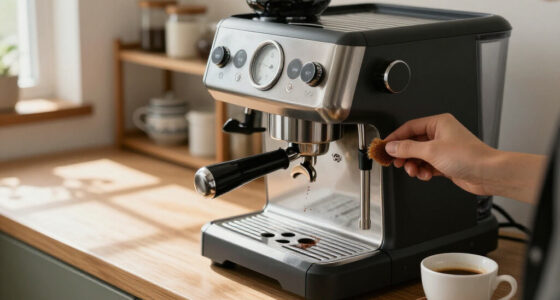
Backflushing is a cleaning method for espresso machines with a three-way solenoid valve: it sends water through the group head and redirects it into the drip tray, helping clear coffee oils and particles from nearby brew-path surfaces. That includes the group area around the shower screen and, on compatible designs, the valve. It does not wash every part of the machine.
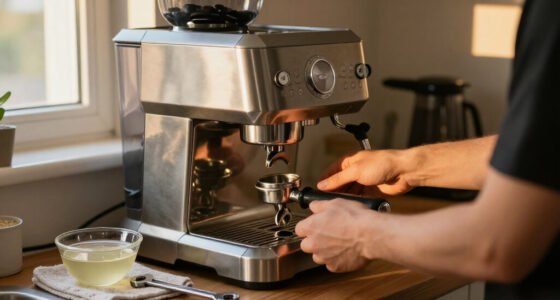
During brewing, hot water meets ground coffee under pressure. A small amount of oil and fine sediment can remain on the shower screen, dispersion area, and other surfaces in the group. A backflush uses a blind basket, which blocks the usual route through the basket holes; follow your manual’s method so the machine can direct the water where it was designed to go.
Imagine making three cappuccinos before work. You knock out the pucks and rinse the portafilter, but a thin, dark film remains above the basket. Backflushing can help clean that hidden area, while a hand rinse alone cannot reach all of it. If your home machine lacks a three-way valve or has a specific cleaning cycle, do not assume a blind basket is suitable.
Backflushing is a cleaning method for espresso machines with the appropriate design, not a universal step for every espresso maker. Check the exact model’s manual before trying it or adding detergent. That small check matters: a routine works only when it suits the machine in front of you.
Products Worth Considering

Breville Bambino Espresso Machine, Brushed Stainless Steel

Breville BES870XL Barista Express Espresso Machine

De'Longhi Stilosa Compact Manual Espresso Machine with Milk Frother
As an affiliate, we earn on qualifying purchases.
How Old Coffee Oils Turn a Clean-Looking Machine Bitter
Why backflushing without a repeatable schedule can lead to mystery flavors is simple: coffee oils and fine grounds can stay in the brew path, age, and affect later shots. Oils oxidize over time and may taste stale, bitter, or rancid. Fine particles trapped around the screen, gasket, or valve can also contribute off-flavors and uneven water flow.
These deposits hide in places you cannot see from above. The machine’s chrome may shine, and the drip tray may be empty, while a brown film remains behind the shower screen. It is a little like finding yesterday’s cooking grease on a pan that looks clean from across the kitchen: appearances tell only part of the story.
Consider a Saturday morning espresso that tastes flat and harsh even though you use the same beans, grinder setting, dose, and brew time as Friday. If old residue has built up, the machine may contribute a stale note that seems to come and go. That does not prove cleaning is the only cause; coffee age, water, grind, and extraction can change flavor too.
A recurring rancid smell, visible residue, or an odd aftertaste can prompt a cleaning check, but taste should not be your calendar. Regular care gives you a steadier baseline and makes it easier to investigate other causes when a shot still tastes wrong.
Why an Irregular Schedule Makes Bad Shots Hard to Diagnose
An inconsistent cleaning schedule makes flavor changes harder to diagnose because the machine’s condition keeps changing in ways you cannot track. A bitter shot might follow a week of heavy use, while the next one tastes fine after an intensive clean. If the beans, grinder, and recipe stay the same, that pattern can point you toward residue, but it is not proof on its own.
Espresso already gives you plenty of variables: dose, grind size, distribution, water, bean freshness, and extraction time. Add an unpredictable layer of coffee buildup and you have another moving part. Your cup becomes a detective story with several suspects, and the machine refuses to keep a tidy record.
For example, you might change the grind finer to fix a thin shot, then clean the group the next day and find the espresso suddenly runs slowly and tastes bitter. The grind adjustment may have overcorrected, or the cleaning may have removed a source of stale flavor, or both. If you clean on a repeatable schedule, you can change one brewing variable at a time with more confidence.
A routine leads to a more reliable comparison between shots. Note the cleaning date alongside bean changes or grinder adjustments if you are troubleshooting. The point is not to track every detail forever; it is to avoid blaming your new coffee beans for a flavor that began with old residue.
Build a Simple Routine That Fits Your Machine and Workload
A useful backflushing routine follows your machine manual, separates water rinsing from detergent cleaning, and gets more frequent when your workload is heavier. There is no single schedule that fits every model: makers give different advice, and some newer home machines do not support backflushing. Use this practical sequence only if your manual says your machine is compatible.
- Check compatibility. Confirm the manual describes backflushing and specifies the right basket, cycle, and cleaning product. If instructions differ by model, follow the exact model’s guidance.
- Rinse after use as directed. On machines that support it, a brief water backflush can help clear loose particles after a session. Follow the manual for the cycle and frequency.
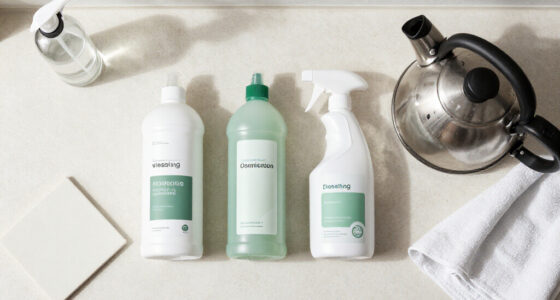
- Use detergent at the recommended interval. Detergent helps remove oily buildup; use only the amount and method specified for your machine and product.
- Rinse thoroughly before brewing. Complete the prescribed rinse steps so cleaning-product residue does not reach your next espresso.
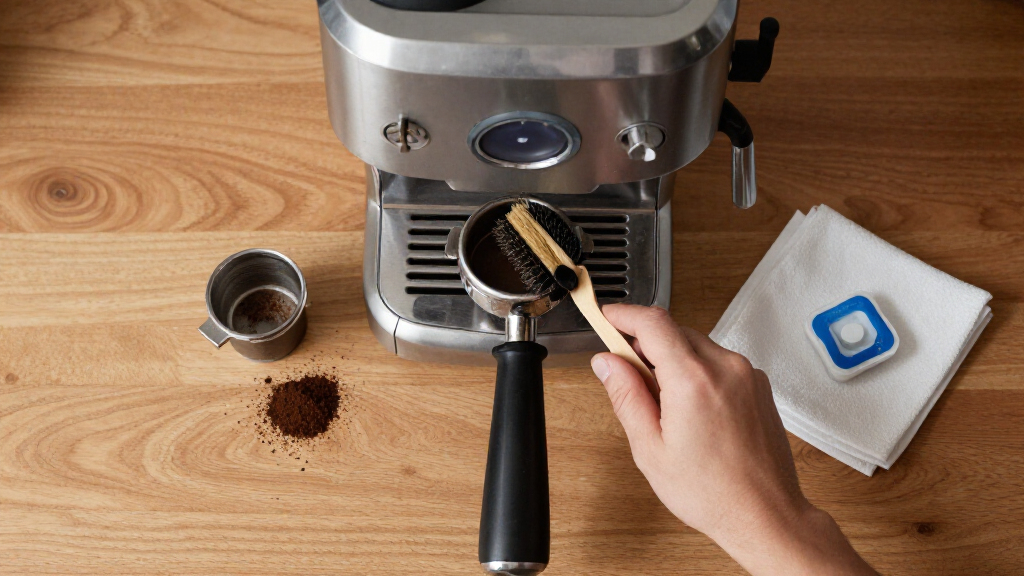
- Clean the parts backflushing misses. Wipe the basket and portafilter, clean the shower screen as directed, and empty and wash the drip tray.
Suppose you make one espresso each morning, while your friend pulls drinks all afternoon in a busy café. Both can use the same principle, but their machine manuals and cleaning needs may lead to different intervals. Heavier use generally calls for more frequent attention; the maker’s guidance sets the starting point.
Keep the steps next to your coffee supplies or set a reminder based on the manual. A short, repeatable task is easier to maintain than a dramatic scrub once the machine smells stale. Rinse detergent completely before brewing, and do not guess at a cleaning cycle when your model’s instructions are available.
Know When to Backflush, Clean the Screen, or Descale
Backflushing, cleaning the shower screen, and descaling address different kinds of buildup, so one task cannot stand in for the others. Backflushing helps clear coffee residue from compatible group-head pathways; direct screen cleaning targets residue on the screen itself; descaling addresses mineral deposits in the water system. Confusing them can leave the real problem untouched.
| Task | What it targets | Everyday example |
|---|---|---|
| Backflushing | Coffee residue in compatible group-head pathways and valve area | Use the manual’s cycle when routine group cleaning is due |
| Shower-screen cleaning | Residue on the screen and nearby exposed surfaces | Remove or clean it as directed if coffee remains stuck there |
| Descaling | Mineral deposits from water in the machine’s water system | Follow the model’s descaling guidance when maintenance calls for it |
A machine can have a clean group and still need attention for mineral buildup. The reverse is true too: descaling does not remove every oily coffee film behind the shower screen. If flow seems inconsistent, check the manual and consider the symptoms before deciding which task fits.
Backflushing helps maintain cleanliness, but it is not a fix for every flow issue or a substitute for servicing. If a valve remains blocked or the machine behaves oddly after proper cleaning, follow the maker’s maintenance advice. And when a shot tastes sour, bitter, or flat, check the coffee, grind, recipe, and water as well as the cleaning history.
Use Flavor Clues Without Treating Them as a Diagnosis
A strange flavor can tell you to inspect your cleaning routine, but it cannot identify the cause by itself. Lingering bitter or stale notes, an old-coffee smell around the group, or visible residue are useful clues to check. Sourness, meanwhile, can come from under-extraction, beans, or water; backflushing does not adjust grind size or repair a brewing recipe.
Try changing one thing at a time. If you have not cleaned the group according to your model’s schedule, do that first and rinse fully. Then pull a shot with the same beans, dose, grinder setting, and brew method. If the taste improves, residue may have played a role; if not, continue checking the other parts of your setup.
For instance, a home barista might notice a dusty, bitter aftertaste after a week of hosting friends. Cleaning the group and washing the portafilter removes one likely source. If the next shot still runs too fast, the grind or puck preparation may be the better place to look.
Clean equipment makes flavor comparisons fairer, but it does not guarantee a perfect cup. Fresh beans, suitable water, a consistent grinder, and sound extraction still matter. Think of backflushing as clearing one smudged lens: the scene gets easier to see, while the rest of the picture still depends on your coffee and technique.
Frequently Asked Questions
Can you backflush any espresso machine?
No. Backflushing is intended for compatible designs, commonly machines with a three-way solenoid valve. Check your exact model’s manual before using a blind basket or detergent.
Should you backflush with water or detergent?
Water can rinse loose particles, while espresso-machine detergent helps remove oily coffee buildup. Follow the manufacturer’s directions for when to use each and rinse thoroughly after detergent cleaning.
How often should you backflush?
There is no universal schedule because machine makers and machine designs differ. Follow your model’s manual, and account for workload: a machine pulling drinks all day may need attention more often than one used for a single morning espresso.
Can backflushing fix bitter or sour espresso?
It may help if stale coffee residue contributes to a bitter or dirty taste. It will not correct grind size, under- or over-extraction, stale beans, or water problems, so use cleaning as one check among several.
What is the difference between backflushing and descaling?
Backflushing helps clear coffee residue from the group-head pathways of compatible machines. Descaling targets mineral deposits in the water system, while cleaning the shower screen directly removes residue from that part.
Can detergent left in the machine affect coffee flavor?
Yes. Inadequate rinsing can leave cleaning-product residue that affects the next drink. Complete the rinse cycle specified by your machine and cleaning-product instructions before pulling espresso.
Conclusion
Remember one thing: clean on a repeatable, machine-specific schedule, not only when a shot tastes strange. Check your manual, use the right rinse or detergent method, and clear detergent fully before brewing. That gives each new shot a cleaner starting point and makes other flavor problems easier to spot.
Tomorrow’s espresso should taste like the beans and recipe you chose—not yesterday’s coffee hiding behind a shiny screen.