
TL;DR

Get coffee and tea gear delivered free — and shop member deals
- Fast, free delivery on millions of items
- Access to Prime Big Deal Days deals on October 6–7
- Prime Video, Amazon Music and more included
Espresso developed from 19th-century experiments with faster coffee into an Italian café staple and, later, a home-brewing ritual. Moriondo patented an early steam-driven machine in 1884, while Gaggia’s 1947 piston system helped create the modern espresso style. Espresso is a brewing method, not a special bean, and good results at home depend on the grinder and technique as much as the machine.
A century ago, getting a quick coffee in an Italian city meant relying on machines built to hurry the process. Today, you can press a button in your kitchen and watch a dark, fragrant shot fall into a cup. Espresso’s history connects those two scenes: new machine designs changed the drink, and café habits helped turn it into a daily ritual.
This story is about more than coffee. You’ll see why early inventors chased speed, how the Italian espresso bar became a social fixture, and why the home machine is only one part of making a satisfying shot. Along the way, you’ll learn what espresso actually means, what crema can and cannot tell you, and why a moka pot makes strong coffee without making espresso in the technical sense.
Keep one idea in mind as you read: espresso grew whenever brewing technology met the way people wanted to live. The same thread runs from crowded bars to home kitchens today.
Espresso began as an effort to serve coffee quickly, but early steam machines did not consistently produce the modern drink.
Moriondo patented an early machine in 1884; Bezzera and Pavoni helped commercialize individual servings, and Gaggia’s 1947 piston system shaped modern espresso.
Espresso describes a pressure-based brewing method, not a special bean or roast; moka-pot coffee is strong but uses a different process.
A thick crema does not guarantee good flavor, and espresso’s high concentration does not always mean more caffeine than a full mug of brewed coffee.
For home brewing, prioritize a consistent grinder, fresh beans, repeatable technique, and equipment care before adding advanced machine features.
Espresso History: From Italian Bars to Home Kitchens
Espresso grew from a 19th-century race to serve coffee faster into an Italian café ritual—and then a home brewing craft. Its story is a chain of machine inventions, city habits, and better control over the cup.
Gaggia’s 1947 piston system helped shape the pressure and crema of modern espresso.
From steam and speed to pressure and precision
Espresso’s story is a relay of ideas. Each generation moved the cup closer to made-to-order coffee with a more controlled taste and texture.
The speed problem
Inventors experiment with steam-powered brewing for busy European cities.
Moriondo’s patent
Angelo Moriondo patents an early steam-driven coffee machine in Italy.
Single servings
Luigi Bezzera and Desiderio Pavoni help commercialize on-demand servings.
Gaggia’s lever
A piston pushes hot water at higher pressure, helping create crema.
Kitchen ritual
Compact pumps, controls, and capable grinders bring espresso home.
Espresso became a daily stop, not just a new machine
After World War II, more practical machines helped cafés serve reliably. The counter made speed visible and the brief visit social.
Made for one customer
The word espresso came to mean coffee prepared expressly for someone, as well as coffee brewed under pressure. Freshly made service suited the short city break.
A small social ritual
Customers could order, chat with a neighbor or barista, drink at the counter, and return to work. The espresso bar became part of the daily rhythm.
Local tastes take root
Migration, travel, and cafés carried espresso internationally. Cappuccino, latte, macchiato, and flat white grew from espresso traditions shaped by place.
Three useful truths before you order—or brew
Concentration, crema, and brewing method each tell part of the story. None is a shortcut for judging flavor on its own.
Pressure defines espresso
Espresso is made by forcing hot water through finely ground coffee under pressure. Many beans and roasts can work; blends and roast choices depend on the flavor a brewer wants.
Different brewing processes; bar lengths are illustrative, not measured strength scores.
Crema looks good; taste decides
Crema forms partly from gases and oils in fresh coffee. A thick tan layer may look appealing, but it cannot guarantee balance. Espresso is concentrated by volume, yet a full mug of drip coffee can contain more total caffeine than one small shot.
| Clue | What it tells you | What it cannot prove |
|---|---|---|
| Crema | ✓ Fresh-brew details | ✗ Great flavor by itself |
| Concentration | ✓ Intensity per sip | ✗ More caffeine per serving |
| Moka pot | ✓ Strong coffee | ✗ Espresso extraction |
Change one variable at a time
A satisfying shot comes from the whole setup: coffee, grind, dose, water, pressure, and extraction time all shape the result.
Choose fresh beans and keep the dose consistent.
Use a capable grinder; change grind size in small steps.
Note sour, bitter, or balanced flavors before changing another variable.
Care for the machine and repeat the settings that work.
Build the craft before chasing features
Home machines now range from manual levers to compact electric systems with temperature control, shot timing, and pressure profiling.
Better control, one cup at a time
Specialty coffee has brought traceable origins and lighter roast options into the home. Advanced controls can help, but they work best when the basics are repeatable.
Why espresso began with a race to make coffee faster
Espresso history begins with a practical problem: people wanted coffee prepared faster, especially in busy European cities. In the 19th century, inventors experimented with steam-powered machines that could brew several cups more quickly than traditional methods. Those machines set the direction for espresso, even though they did not reliably make the smooth, concentrated drink you know today.
That urge to speed up service shaped the machine from the start. A café with a line of customers needed to make coffee on demand, not leave a pot sitting on a stove. The machine became a kind of theatrical workhorse: steam hissed, metal warmed, and the barista could serve fresh coffee to the next person without waiting through a long brew.
In 1884, Italian inventor Angelo Moriondo patented a steam-driven coffee machine. His design is an important early milestone, but it did not alone create modern espresso. Early machines often brewed large amounts at once, and their results could taste harsh because they relied on high steam pressure and less controlled extraction.
Imagine an office worker stepping into a café during a short break. A faster machine meant coffee could fit into the few minutes before work resumed. That everyday convenience—not just an engineering puzzle—helped make espresso’s central promise clear: a cup prepared for you, quickly.
The word espresso came to refer to coffee made expressly for a customer, as well as coffee brewed under pressure. The meaning fits the culture that grew around it. Coffee was no longer simply waiting in a pot; it was made to order, and the person behind the counter became part of the experience.
Those early experiments did not settle the flavor or texture of espresso. They established the ambition: serve individual coffee quickly and consistently. Later machines would improve pressure and control, but the link between speed, city life, and made-to-order coffee was already in place.
automatic espresso machine for home use
As an affiliate, we earn on qualifying purchases.
As an affiliate, we earn on qualifying purchases.
How Italian inventors shaped the espresso machine you recognize
Espresso History: From Italian Bars to Home Kitchens is a story of several inventions, not one lone inventor. Moriondo patented an early machine in 1884, and in the early 1900s Luigi Bezzera and Desiderio Pavoni helped develop and commercialize machines that could brew individual servings on demand. Their work brought espresso closer to the counter-service coffee people recognize.
These machines made a single serving easier to prepare, but many relied on steam and high heat. That approach could force water through coffee quickly, yet it often produced a rough, over-extracted cup. The machine could be impressive to watch—hissing, steaming, and filling the café with a roasted smell—without delivering the balanced flavor modern espresso drinkers expect.
A major change arrived in 1947, when Achille Gaggia introduced a lever-operated system. The lever moved a piston that forced hot water through the coffee at higher pressure. This helped create a concentrated shot with the layer of foam now known as crema, a visible sign of the new brewing style.
The shift mattered beyond appearance. Instead of relying on steam to push water through coffee, the piston system gave the barista a different way to build pressure. The resulting cup helped define modern espresso: small, intense, and topped with a fine tan layer. A customer watching the lever drop could see the machine doing more than heating water—it was shaping the drink.
There is no single person who invented the espresso you drink today. Moriondo, Bezzera, Pavoni, and Gaggia each belong to a chain of development, with their contributions arriving at different stages. That history resembles a relay: one machine made speed possible, another brought individual servings forward, and later designs changed the pressure and texture.
Crema deserves a little skepticism, though. It forms partly from gases and oils in freshly brewed coffee, and it can look appealing in a small cup. But crema alone does not prove a shot tastes good. If your espresso smells burnt or tastes sharply bitter, a thick foam cap will not rescue it.
As an affiliate, we earn on qualifying purchases.
Why the espresso bar became a daily Italian meeting point
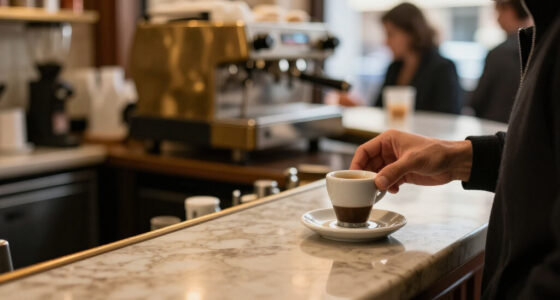
Espresso history changed after World War II, when more practical machines helped Italian cafés serve coffee quickly and reliably. The espresso bar became a place for a brief stop: order at the counter, drink a small coffee, exchange a few words, and head back to work. The format made espresso part of the daily rhythm, not an occasional treat.
At a bar, speed and sociability worked together. You might stand shoulder to shoulder with a neighbor, hear cups clink against saucers, and leave within minutes. That quick visit still made room for a human exchange. The barista knew the regulars, and regulars could recognize the comfortable ritual of ordering the same drink in the same place.
Machine design helped shape that custom. When a café could prepare individual drinks on demand, it could serve a steady stream of customers without brewing a large pot in advance. The bar counter kept the process visible. A customer could watch coffee run from the group head into a cup, then lift it while the aroma was still strong.
Italian espresso traditions are not identical everywhere. Regional habits, local preferences, and newer specialty-coffee practices all affect what people call a “proper” shot. A short, dark espresso at one bar may differ from a longer or lighter preparation elsewhere. The shared ritual does not require every cup to taste the same.
That variety becomes easier to understand when you compare the espresso bar with a home kitchen. At a bar, a skilled worker manages several drinks, equipment, and customers at once. At home, you can slow down and adjust a grind or dose. Neither setting owns the one true experience; each gives espresso a different role.
Italian café culture also helped spread drinks built around espresso. Cappuccino, latte, and macchiato commonly use espresso as a base, though names, proportions, and serving customs vary between places. A cappuccino ordered in Italy may not arrive in the same size as one served at a café abroad. The drink travels, and local tastes adapt it.
As an affiliate, we earn on qualifying purchases.
What espresso means—and what it does not mean
Espresso is coffee brewed by forcing hot water through finely ground coffee under pressure. It is a brewing method, not a particular bean, species, or roast. This definition matters when you shop: a bag labeled “espresso” usually signals that the roaster expects its coffee to work well in an espresso machine, not that the beans belong to a separate category.
Many coffees can be brewed as espresso. Some blends and darker roasts are chosen because they produce a familiar rich, chocolatey flavor and pair well with milk. Lighter roasts and traceable single-origin coffees have also become more visible in specialty cafés and home kitchens. Your choice depends on the taste you enjoy and how well you can extract the coffee.
Espresso tastes concentrated because a small amount of water passes through a compact bed of finely ground coffee. That does not mean every shot contains more total caffeine than a mug of drip coffee. A single shot is small, while a large brewed coffee contains more liquid; total caffeine varies with the beans, dose, and serving size.
Here’s a common counter-side mix-up: someone sees a small espresso cup and assumes it must deliver more caffeine than a full mug. It is more concentrated by volume, but the mug may contain more caffeine overall. Concentration and total caffeine are different measures.
A moka pot makes another useful comparison. It uses steam pressure to brew strong, concentrated coffee, but it does not produce espresso in the usual technical sense; its pressure and brewing process differ from an espresso machine. If you pour moka-pot coffee into a tiny cup, the serving may look like espresso, but the method is still different.
The same distinction applies to crema. The foamy layer can reflect freshness and the way a shot was extracted, but taste matters more. If a shot has a pleasant aroma, balanced sweetness, and a finish you enjoy, it can be a good espresso even if its crema is thin or fades quickly.
espresso tamper and distribution tool
As an affiliate, we earn on qualifying purchases.
As an affiliate, we earn on qualifying purchases.
How espresso traveled from Italian counters to kitchens abroad
Espresso history moved beyond Italy through migration, travel, and café culture. Italian communities carried their coffee habits to other countries, while visitors encountered espresso bars and brought the idea home. As the drink traveled, local cafés reshaped it to fit local tastes, milk preferences, cup sizes, and expectations about coffee breaks.
That is why espresso-based drinks can look different from place to place. Cappuccinos and lattes grew from Italian café traditions, yet serving sizes and recipes changed internationally. In one café, a cappuccino may arrive in a small cup with a dense foam cap; elsewhere, it may be larger and milkier. The espresso base travels, but the finished drink reflects the people making it.
Specialty coffee added another turn. Many drinkers now ask where beans were grown, how they were processed, and how a roast changes the flavor. Instead of treating espresso as one fixed dark taste, cafés and home brewers may explore fruitier or lighter-roasted coffees. That approach asks more from the grinder and technique because small changes can show up clearly in the cup.
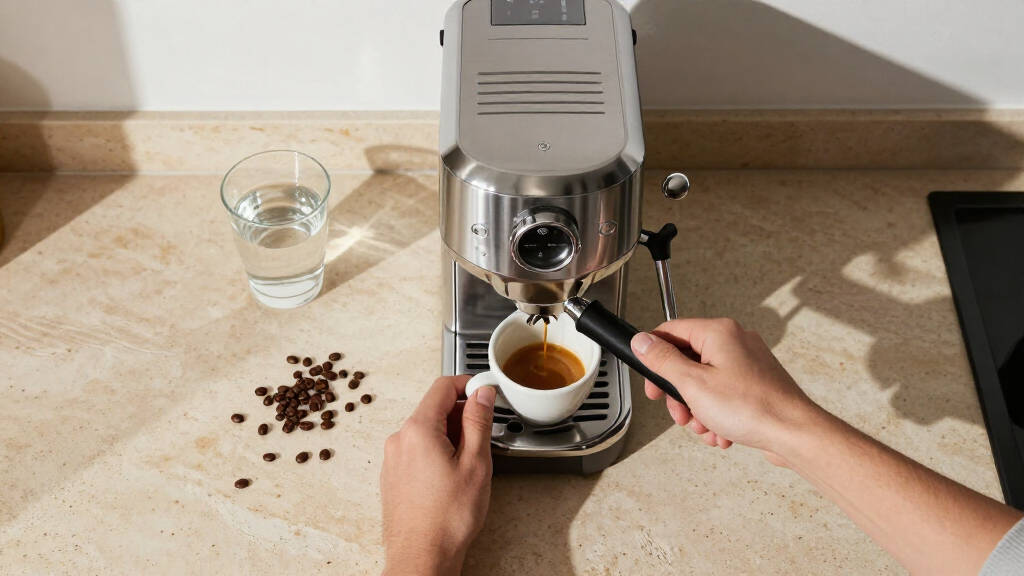
Home machines became increasingly available in the late 20th century. Better electric pumps, temperature controls, and compact designs let more people prepare espresso outside a café. A home setup might be as simple as a manual device and hand grinder or as involved as a machine with programmable temperature and pressure profiling.
Picture a kitchen on a weekday morning: the kettle clicks off, beans crackle in the grinder, and a shot runs into a cup while someone packs lunch. That routine resembles the fast Italian bar ritual, but the person at home controls the pace. The café machine that once brought speed to a crowded counter now fits into a private corner.
There is a tradeoff. A home machine gives you control, but it also asks for cleaning, fresh coffee, a suitable grinder, and practice. More settings do not automatically mean better coffee. If you only want a quick espresso-inspired drink, a compact appliance or ready-to-drink option may suit you better than a full setup.
How to make the history useful when you brew at home
At home, you can make better espresso by changing one variable at a time and paying attention to the taste. A capable grinder, fresh beans, a consistent dose, suitable water temperature, and a steady technique all matter; the machine alone cannot guarantee a balanced shot. Start with the basics rather than chasing every advanced feature.
- Choose coffee you want to drink. “Espresso” on a bag is a helpful suggestion, not a rule. For example, if you like cocoa and nut flavors in milk drinks, try a blend recommended for espresso; if you prefer brighter black coffee, explore a lighter roast.
- Grind immediately before brewing. Espresso needs a fine, consistent grind. If a shot runs too quickly and tastes thin or sour, adjust finer; if it drips slowly and tastes harsh, try a coarser setting.
- Keep your dose and method consistent. Use the same basket and amount of coffee while you learn. Changing dose, grind, and temperature all at once makes it hard to tell what improved the shot.
- Taste before you judge the crema. Notice sweetness, bitterness, and how long the finish stays on your tongue. A visually handsome shot can still taste dull or overly bitter.
- Clean and care for the equipment. Rinse the basket and wipe milk residue after use; follow the manufacturer’s guidance for descaling and water quality. Coffee oils can turn stale and muddy the next cup.
This routine reflects espresso’s history: machines evolved to offer more control, but the person brewing still makes decisions. If your first shot tastes sour, do not assume the machine is broken. Under-extraction is one possible cause, and a finer grind may help. If the coffee tastes excessively bitter, over-extraction or a very dark roast may be involved.
Water and equipment care matter for flavor and safety. Use potable water, follow your machine’s cleaning instructions, and avoid leaving milk sitting at room temperature after making a latte. Refrigerate perishable milk promptly, and discard it if it has been left out too long or shows signs of spoilage.
Cost is another practical part of the decision. A manual lever machine can be rewarding if you enjoy hands-on control, while an automatic model may suit a household that values repeatability. A good grinder often makes a more noticeable difference than upgrading to a machine with features you will not use. Start with your routine, not a showroom checklist.
What modern home espresso gains—and what it still asks of you
Modern home espresso offers more control and choice than earlier countertop machines, but good coffee still depends on repeatable basics. Programmable temperature, electronic shot timing, and pressure profiling can help you change how a coffee extracts. They can also add complexity, so the best setup is the one you can learn, maintain, and use regularly.
Some home brewers enjoy manual lever machines because each shot feels hands-on. Others prefer a pump machine that produces more consistent pressure with less physical effort. A household making one espresso on weekends has different needs from a kitchen where three people want milk drinks before work. The “right” machine depends on the ritual you want, not just the list of features.
Recent coffee culture has also put more attention on traceability and roast style. You may see information about a coffee’s origin and processing alongside lighter roasts designed to bring out bright, floral, or fruit-like notes. These coffees can taste lively, but they may require careful dialing-in. A shot that tastes sharp at first might need a finer grind or a longer extraction, depending on the coffee and equipment.
Repairability and energy use matter, too. A machine that heats quickly and can be serviced may fit your life better than one with extra controls that are difficult to maintain. Regular cleaning, suitable water, and prompt attention to small leaks or scale buildup can help equipment keep working and protect the taste of your coffee.
Not everyone needs a full espresso station. If you like the flavor but do not want to grind, tamp, and clean every morning, a moka pot or an espresso-inspired appliance may be a better match. Remember the distinction: moka-pot coffee can be rich and strong, but its brewing pressure and method differ from espresso. Knowing that lets you choose by taste without confusing the terms.
The enduring lesson is simple: a machine can widen your options, but it cannot decide what tastes good to you. A café may offer a quick, polished shot; your kitchen can offer a slower experiment. Both carry the same history of people adapting coffee to the time, place, and tools they have.
Frequently Asked Questions
Who invented espresso?
No single person invented modern espresso. Angelo Moriondo patented an early steam-driven coffee machine in 1884, Luigi Bezzera and Desiderio Pavoni helped develop and commercialize machines for individual servings, and Achille Gaggia’s 1947 lever system helped shape the modern style.
When did espresso become popular in Italy?
Espresso machines appeared around the turn of the 20th century, but Italian espresso-bar culture expanded especially after World War II. More practical machines helped cafés serve quick, made-to-order cups to customers stopping at the counter.
Is espresso stronger than regular coffee?
Espresso is more concentrated by volume, but a single shot is small. A full mug of drip coffee can contain more total caffeine, depending on the coffee, dose, and serving size.
Does crema mean an espresso shot is good?
No. Crema forms partly from gases and oils in freshly brewed coffee and can be attractive, but it does not guarantee balanced flavor. Taste the shot: aroma, sweetness, bitterness, and finish tell you more.
Can I use any coffee beans for espresso?
Yes. Espresso is a brewing method, not a special bean type. Roasters often label blends or roasts for espresso because they expect them to work well under pressure, but you can experiment with many coffees.
Is moka-pot coffee the same as espresso?
No. A moka pot uses steam pressure to brew strong, concentrated coffee, but its pressure and brewing process differ from those of an espresso machine. It can make a satisfying small cup, just not espresso in the usual technical sense.
Do I need an expensive machine to make espresso at home?
No. Manual and entry-level equipment can make enjoyable espresso, though consistency depends on the grinder, fresh coffee, and your technique. A capable grinder and a repeatable routine often matter more than advanced features you may not use.
Conclusion
Espresso went from a machine-maker’s answer to slow coffee into a social ritual, then into a kitchen skill you can practice at your own pace. Remember the practical lesson: the machine matters, but the grinder, coffee, water, and your willingness to adjust matter just as much.
Start with one fresh coffee and one repeatable recipe. Taste, make a small change, and let the next shot tell you what happened. The old café counter may be far away, but its best idea still fits in your kitchen: make the cup for the person who is about to drink it.
Halloween Picks
halloween
As an affiliate, we earn on qualifying purchases.