
TL;DR

Get coffee and tea gear delivered free with Prime
- Fast, free delivery on millions of items
- Prime Video, Amazon Music and more included
- Member-only deals all year
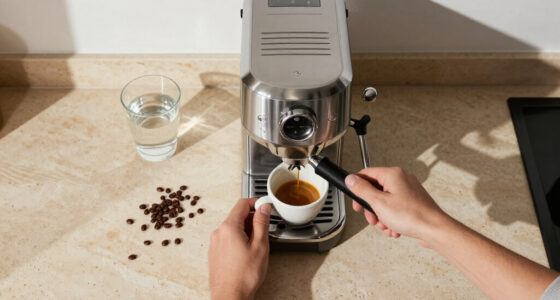
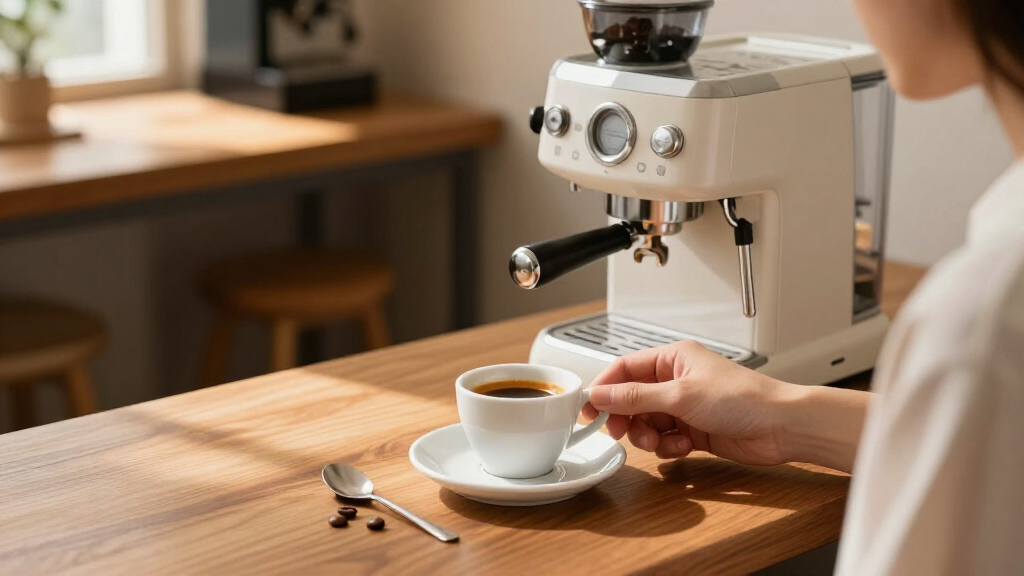
Espresso cups are small because espresso is served in a concentrated volume: roughly 25–30 mL for a single shot and 50–60 mL for a double. A warm, appropriately sized cup helps the drink stay hot and keeps its crema and aroma close, while leaving room above the coffee. You can use a regular mug, but it may make a small shot feel lost.
A single espresso can look almost comically small beside a full coffee mug: a dark, fragrant sip sitting at the bottom of a wide ceramic bowl. That size is no accident. Espresso is concentrated, and its traditional cup gives a small serving a place that suits it.
Most single shots contain about 25–30 mL (around 1 oz); doubles usually contain about 50–60 mL (around 2 oz). A demitasse often holds 60–90 mL, so the drink has space for its crema without swimming in empty cup. The size also helps the coffee stay warm and brings its aroma close when you take a sip.
This guide explains why espresso cups are so small, what cup size and shape actually change, and why a little cup does not mean weak coffee. You’ll also get practical advice for choosing or warming a cup at home—and learn when a regular mug is perfectly fine.
A typical single espresso is about 25–30 mL; a double is about 50–60 mL, so a demitasse suits the serving better than a large empty mug.
A common demitasse holds 60–90 mL, leaving space for crema without filling the cup to the brim.
Warming a cold cup can help a small shot stay hot; a hot-water rinse or machine warming tray works at home.
Cup shape and material can affect heat retention and how aroma reaches you, but they do not change the espresso extraction.
Espresso is concentrated by volume, but its small serving does not automatically contain more total caffeine than a larger brewed coffee.
Coffee culture / Serving guide
Why Espresso Cups Are So Small
A small cup gives a concentrated drink a fitting place. It keeps the serving feeling complete, helps it start warm, and brings crema and aroma close to each sip.
A small cup fits a concentrated serving
The vessel frames the espresso; it does not make the coffee stronger. A little space above the drink leaves room for crema and makes the portion feel intentional.
Small by volume
Hot water passes through finely ground coffee to make a compact drink with intense flavor. A typical single is about 25–30 mL.
Crema without brim
A common demitasse holds 60–90 mL, giving a single shot room to sit beneath the rim rather than filling the cup to the top.
A little cup
“Demitasse” means “half cup” in French. The name hints at its role, though real cup sizes and café traditions vary.
Single espresso
25–30 mLAbout one third of a 75 mL cup: enough room for the drink and its crema.
Demitasse capacity
60–90 mLA compact vessel sized to make a small shot feel like a complete serving.
In a 350 mL mug, it sits low and can look lost. In a warmed 75 mL cup, it reads as a deliberate serving. The coffee itself is unchanged.
The cup changes the experience
Temperature, material, and opening shape influence how the shot feels and smells. They do not change the extraction that has already happened.
Give the shot a head start
A cold cup absorbs warmth from a small drink. A prewarmed demitasse softens that initial temperature drop, especially when you sip slowly.
Crema and aroma, gathered
Rounded interiors and narrower openings can keep crema gathered and bring aroma close as you lift the cup. Cup designs differ.
Porcelain or ceramic
Both are familiar choices with a solid feel. A warm thin cup can serve well; a heavy cup straight from a cold cupboard can draw heat away.
Warm the cup on the machine tray or rinse it with hot water. Empty it, pull your shot, then serve promptly. A warm cup helps, but it cannot keep espresso hot forever.
Small does not mean weak
Espresso is concentrated by volume, but a small serving does not automatically contain more total caffeine than a larger brewed coffee.
Bold in a quick sip
Espresso often tastes intense because its flavor is concentrated into a small volume. That is different from measuring total caffeine.
Serving matters
Total caffeine varies with beans, dose, and shot size. A full serving of brewed coffee may contain more than one espresso.
“One” is not fixed
Cafés may serve singles, doubles, ristretto, or lungo, and some measure shots by weight. Cup needs can follow the recipe.
Warm your cup before brewing
A quick routine helps protect the warmth of a small shot. It takes only a moment and works with the cup you already own.
Warm the vessel
Set the cup on the machine warming tray or rinse it with hot water.
Empty the cup
Pour out the rinse water so it does not dilute or crowd the espresso.
Pour promptly
Pull the shot into the warm cup and enjoy while its aroma is lively.
From coffee dose to first sip
Each part has a job: brewing creates the espresso, and the cup presents the finished drink.
Concentrated shot
Finely ground coffee meets hot water under pressure.
Small, warm cup
A demitasse fits the serving and leaves room for crema.
Aroma near the sip
Shape and temperature help set the sensory experience.
A regular mug is perfectly fine. Choose a cup capacity that matches your usual shot; a little espresso in a large mug is still espresso.
A small cup fits espresso’s concentrated serving
Espresso cups are small because espresso is a concentrated drink served in a small volume: a typical single is about 25–30 mL (around 1 oz), and a double is roughly 50–60 mL (around 2 oz). A demitasse usually holds 60–90 mL, giving the shot room without making it look like a puddle in a soup bowl.
Espresso is made by pushing hot water through finely ground coffee, which produces a compact drink with an intense flavor. The little cup is a frame around that serving, a bit like a small plate making one good pastry look intentional rather than stranded. If you pour a single shot into a large mug, the coffee itself is unchanged, but the empty space makes the portion feel smaller still.
For example, imagine serving a 30 mL shot in a 350 mL mug. The coffee will sit low, cool against a larger area of room-temperature ceramic, and may be awkward to sip. Put the same shot in a warmed 75 mL cup and it looks—and feels—like a complete serving. The cup matches the dose; it doesn’t create the espresso’s strength.
“Demitasse” means “half cup” in French, a useful clue to the vessel’s traditional role. The name does not set one universal capacity, though. Cafés and home sets vary, and a double or a longer shot may need more room. In other words, small is a useful fit, not a strict law.
As an affiliate, we earn on qualifying purchases.
A warm, snug cup helps your espresso stay hot
Why espresso cups are so small has a practical answer as well as a visual one: a small cup gives a little hot drink less cold space to fight against. Espresso leaves the machine hot, but a cold vessel absorbs some of that warmth as soon as the coffee lands. Warming the cup first softens that temperature drop.
Think of pouring a small serving of soup into a wide, cold bowl: there is plenty of exposed surface, and each spoonful can lose heat quickly. A warmed demitasse works more like a snug jacket. It cannot keep coffee hot forever, but it gives the shot a better start, especially if you plan to sip it rather than drink it immediately.
At home, you can place the cup on an espresso machine’s warming tray or rinse it with hot tap water, then empty it before brewing. Say you have just pulled a double shot while chatting with a friend: a quick warm rinse means the cup won’t chill the first sip while you finish the conversation. Cafés often warm cups for the same simple reason.
Material and thickness matter, too. Porcelain and ceramic are common choices because they feel solid in the hand and can retain warmth, especially when preheated. Still, the best cup is not automatically the thickest one. A thin cup that is already warm can serve the drink well, while a heavy cup straight from a cold cupboard can pull heat away. Start with the cup’s temperature, not just its weight.
As an affiliate, we earn on qualifying purchases.
Cup shape keeps crema and aroma close to the sip
Espresso cups are small because their shape and capacity help present a small drink as a whole: the crema stays gathered on top, and the aroma sits near the opening. Many cups have a rounded interior and a narrower mouth, though designs differ. These features can influence how you experience the coffee; they do not change how the espresso was extracted.
Crema is the foamy layer that forms during espresso extraction, made largely from gas and coffee oils. In a little cup, it can settle across the surface without being lost in a broad basin. That golden-brown cap is not a seal that locks in all the flavor, but it is part of what you see and smell before taking a sip.
Try comparing two cups with the same shot. In a narrow demitasse, the aroma may feel concentrated near your nose as you lift it. In a wide mug, the drink spreads out and the aroma escapes across a broader opening. It is like opening a small jar of spice beside your face versus setting the same spice on a wide tray: the contents are the same, but the scent reaches you differently.
Shape is a subtle part of the experience, not a magic flavor switch. The cup cannot repair an over-extracted shot or make stale beans taste fresh. A practical example: if your espresso cools while you chat, a narrower, prewarmed cup may help the aroma remain noticeable for longer, but brewing and serving still do the heavy lifting.
As an affiliate, we earn on qualifying purchases.
A tiny espresso serving does not automatically mean more caffeine
Why espresso cups are so small is not that espresso always contains more caffeine than brewed coffee. Espresso is more concentrated by volume, but a typical shot is much smaller than a mug of drip coffee. Total caffeine depends on factors such as the beans, the dose, and how much coffee you drink.
That distinction is easy to miss. A single shot may taste intense, with a dark, compact flavor that announces itself immediately. But “strong-tasting” and “more total caffeine” are not the same measurement. A larger serving of brewed coffee can contain more caffeine overall than one espresso, depending on preparation and serving size.
Picture ordering a single espresso after lunch and then comparing it with a large café coffee. The espresso may seem bolder in one quick sip, while the coffee mug contains far more liquid. The cup size tells you about the serving volume, not a guaranteed caffeine ranking. If caffeine matters to you, check the café’s serving details when available rather than judging by the cup alone.
There is another wrinkle: cafés do not all serve the same recipe. Specialty coffee shops may measure shots by weight and adjust dose or yield, while familiar menus may offer singles, doubles, ristretto, or lungo. “One espresso” is not one fixed volume everywhere. A small cup remains a useful tradition, but the drink inside it can vary with the recipe.
As an affiliate, we earn on qualifying purchases.
Choose cup capacity by the shot you actually serve
Pick an espresso cup by matching its usable capacity to your usual drink, leaving a little room at the top. A common demitasse holds 60–90 mL (2–3 oz), while a single shot is about 25–30 mL and a double about 50–60 mL. That extra space lets crema sit comfortably without requiring a brim-full pour.
Here is a quick comparison: a small cup works well for a straight single, while a cup near the upper end of the demitasse range gives a double more breathing room. A lungo, which uses more water than a short espresso, may call for a larger vessel. If you make espresso with milk, the drink’s final volume—not just the coffee dose—should guide the cup.
| Drink or vessel | Typical volume | Practical cup fit |
|---|---|---|
| Single espresso | 25–30 mL (about 1 oz) | Small demitasse with room for crema |
| Double espresso | 50–60 mL (about 2 oz) | Larger demitasse, often 60–90 mL capacity |
| Demitasse cup | 60–90 mL (2–3 oz) | Traditional size for straight espresso |
| Longer or milk-based drink | Varies by recipe | Choose a vessel for the finished drink |
Use these as guides, not commandments. A café serving a generous double may use a cup that looks larger than a traditional demitasse; another may keep a smaller vessel and serve a shorter recipe. At home, take the cup you own, pour in your usual shot, and check whether there is room to sip without spilling. Fit the cup to the recipe, rather than forcing every espresso into one historical size.
Warm your cup in three simple steps before pulling a shot
To help espresso stay warmer, warm the cup before brewing, empty it, and pour the shot promptly. This simple routine matters most when your cup is cold or your espresso is small: a 30 mL serving has little thermal reserve, so a chilly ceramic surface can make a noticeable difference to the first sip.
- Warm the cup. Set it on your machine’s warming tray or rinse it with hot water. If you rinse it, use hot tap water rather than handling boiling water carelessly.
- Empty and dry it. Tip out the water so it does not dilute the espresso. A quick wipe helps if drops remain inside.
- Pull the shot into the cup. Serve it soon after extraction, while its crema and aroma are fresh.
For instance, if you brew one espresso on a quiet morning, place the cup on the machine while it heats. By the time the machine is ready, the cup has had a chance to warm too. That small bit of timing makes the routine feel effortless instead of like an extra chore.
Hot water can scald. Keep it away from children, pour slowly, and hold the cup by its handle when possible. Do not put a cold cup straight into very hot water if you suspect it may crack from a sudden temperature change. Warming helps, but it is optional; if you drink the espresso immediately, a room-temperature cup may be perfectly adequate.
Use a regular mug when it suits your coffee
You can serve espresso in a regular mug; the smaller cup is a tradition and a useful match for the serving size, not a requirement. A mug will not change the extraction after brewing. It may, however, make a single shot look sparse and give the coffee more cold surface to warm, especially if the mug is large and has just come from a cool cupboard.
There are good reasons to choose the mug anyway. You might be making an Americano by adding hot water, combining espresso with steamed milk, or simply prefer a larger handle. In those cases, the final drink is larger than a straight shot, and a demitasse may be too cramped. The vessel should fit what you plan to drink.
Suppose you pull a double and add enough hot water for a long, easy-sipping coffee. A small espresso cup would crowd the result, while a mug gives you room to stir and drink without splashing. If you serve a straight single, by contrast, a small, warm cup keeps the portion from feeling lost. Choose for the finished drink, not for appearances alone.
Reusable cups and contemporary café styles have widened the options, and there is no single universal espresso-cup standard. If you want to compare vessels, pour the same shot into each and notice how quickly it cools, how easily you catch the aroma, and how comfortable it feels to sip. That everyday test tells you more than a rule about what a “proper” cup must look like.
Frequently Asked Questions
How many ounces does an espresso cup hold?
Many demitasse cups hold about 2–3 oz (60–90 mL). A typical single espresso is around 1 oz, while a double is around 2 oz, so the cup leaves room for crema rather than needing to be filled to the rim.
Can I drink espresso from a regular coffee mug?
Yes. A mug works well, especially for an Americano or a milk-based drink. For a straight single shot, a large, cold mug can make the portion look tiny and may cool it faster, so warming the mug or choosing a smaller one can help.
Is espresso stronger than regular coffee?
Espresso is more concentrated by volume, which is why its flavor can taste intense in a small sip. Total caffeine depends on the beans, dose, preparation, and serving size; a larger brewed coffee can contain more caffeine than one espresso.
Why are espresso cups sometimes thick?
Thicker porcelain or ceramic can hold warmth and feels sturdy in the hand. But thickness alone does not guarantee a warmer drink: a cold, heavy cup can draw heat from espresso, so preheating the vessel often matters more.
Should I warm an espresso cup before using it?
Warming is optional, but it can help a small shot stay hot. Rest the cup on a machine’s warming tray or rinse it with hot water, then empty it before brewing so leftover water does not dilute the coffee.
Does a different cup change the taste of espresso?
The cup does not change how the coffee was extracted, but its temperature, shape, and material can affect heat loss and how aroma reaches you. A warm, narrow cup may keep a shot feeling more aromatic than a wide, cold mug.
Conclusion
Remember the simple rule: espresso cups are small because espresso servings are small. A snug, warm demitasse keeps a single shot from feeling lost and gives its crema and aroma a fitting stage, but it does not make the coffee stronger or set a universal rule for every café.
Warm the cup if you can, choose a size that fits your recipe, and use the mug you enjoy when the drink calls for it. A good espresso is a small, fragrant moment—not a test of how tiny your cup is.
Halloween Picks
halloween
As an affiliate, we earn on qualifying purchases.