
TL;DR

Get coffee and tea gear delivered free with Prime
- Fast, free delivery on millions of items
- Prime Video, Amazon Music and more included
- Member-only deals all year
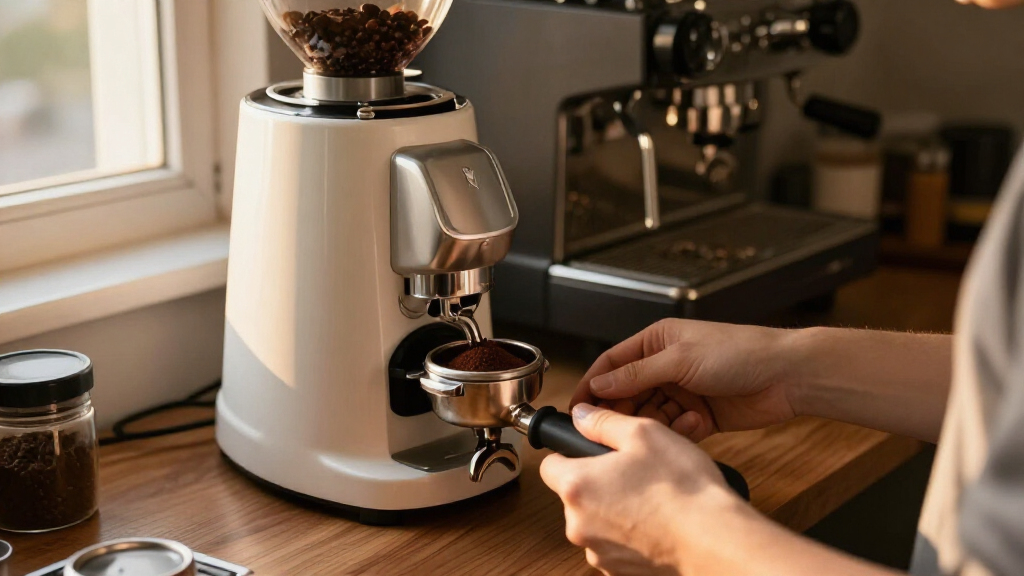
A portafilter holder grinder supports the portafilter beneath the chute so you can grind without holding it in place. This can reduce spills and free your hands, but dose accuracy still depends on the grinder, coffee, settings, and whether you use timed or weight-based dosing.
The first time you use a portafilter holder grinder, the small change feels surprisingly useful: the grinder starts, the coffee patters into the basket, and both your hands are free. At home, you might reach for a cup while the burrs run. At a café, you might wipe a group head or start the next drink. A few seconds can make a busy sequence feel less cramped.
A holder is a fork, cradle, or support that keeps your portafilter under the grinder chute. It changes how you handle dosing, but it does not magically make espresso better or every dose accurate. Think of it like a phone stand during a video call: it keeps one thing steady so you can focus elsewhere, while the quality of the call still depends on the connection.
This guide explains what hands-free dosing changes, how timed and weight-based dosing differ, and what to check before you buy. You’ll also see where a holder helps, where it can still make a mess, and why a quick dose check remains part of a good espresso routine.
A holder supports the portafilter during grinding, freeing your hands for another short task.
A steady position can help reduce spills, but chute alignment and portafilter fit still matter.
Timed doses can change when beans, grind settings, or burr condition change; recheck after adjustments.
Weight-based dosing measures the delivered coffee more directly, with added cost and maintenance to weigh.
Check grind quality, compatibility, cleanup, and workflow before treating the holder as a reason to choose a grinder.
ESPRESSO WORKFLOW / FIELD GUIDE
Portafilter Holder Grinders: How Hands-Free Dosing Changes Workflow
A built-in fork or cradle supports your portafilter beneath the chute, freeing your hands during grinding. It can steady the basket and reduce spills, while dose accuracy still depends on the grinder, coffee, settings, and dosing method.
Free your hands without losing control
While coffee grinds, use those few seconds to prepare the next step. The benefit is a calmer, less cramped routine—not an espresso process on autopilot.
Make room for the next move
Set a cup under the machine or get your next tool ready while a dose runs. For one morning shot, convenience may matter more than speed.
Fit small tasks into the grind
Reach for milk, clear a used cup, or wipe a group head while the next basket fills. Repeated seconds can make a busy sequence feel smoother.
Finish the puck preparation
Check the dose, distribute the grounds, and tamp. Hands-free describes portafilter support, not the rest of the espresso routine.
Keep attention in the loop. Bean changes, grind adjustments, and retained coffee can affect what reaches the basket. A quick dose check remains part of a reliable routine.
One steady support, four connected steps
The holder makes the first step easier to manage. Good espresso still depends on what you do after the grinder stops.
Seat the portafilter
Set the handle into a compatible fork or cradle.
Catch the grounds
Keep the basket centered beneath the chute.
Check the dose
Account for settings, beans, retention, and calibration.
Prepare the puck
Distribute and tamp before pulling the shot.
Timed, weighed, or manual?
Each method fits a different routine. A holder can support the portafilter with any of them; the dosing control is a separate feature.
| Setup | What it does well | What to keep an eye on |
|---|---|---|
| Timed dosing | ✓ Fast, simple operation when coffee and settings stay stable. | ~ Recheck after changing beans, grind size, or burr condition; flow rate can shift. |
| Weight-based dosing | ✓ Measures delivered coffee more directly against a target mass. | ~ Check scale reliability and calibration; consider cleaning, upkeep, and speed. |
| Manual / on-demand | ✓ Lets you stop grinding when the basket looks or weighs right. | ~ Needs your attention throughout the dose and a consistent checking habit. |
A timer may suit a stable home recipe. If beans or settings change often, weigh doses or check them more frequently.
Repeatable placement helps. It does not measure.
A well-aligned holder can reduce variation from holding the portafilter at different angles. Basket fit and the path of the grounds still matter.
Where a holder helps
A secure, compatible cradle keeps the basket at a consistent height beneath the chute. That can reduce stray grounds and make dosing feel steadier.
Where a holder falls short
A narrow basket, deep basket, mismatched handle, or poor chute alignment can bring spills back. Retention and changing coffee flow can also shift the delivered dose.
The holder steadies where the basket sits. Timer calibration or weight-based controls address how much coffee is delivered.
Five checks for a better fit
Choose around your portafilter, counter, and routine. Grind quality and adjustment still matter more to espresso than the holder alone.
Compatibility
Check handle clearance, basket diameter and depth, and whether different portafilter styles fit.
Stability and adjustment
The portafilter should sit securely, align under the chute, and lift out easily. Adjustable forks can suit more sizes.
Dose control
Decide whether a timer suits your routine or weighing the delivered dose is important to you.
Grind quality and cleanup
Compare burr performance and adjustment. Look for access to the chute and burr area where grounds can collect.
Daily workflow
Consider counter space, noise, speed, duty cycle, volume, and whether controls are easy to reach.
Test the fit if you can
Let go of the handle: it should not wobble, and the basket should catch the full coffee stream.
Choose the workflow you want.
A portafilter holder can make grinding steadier, cleaner, and easier to fit into another task. Match the holder to your basket, then choose dosing controls that suit your coffee and routine. Check the dose, distribute, and tamp every time.
Free your hands without losing control of the shot
A portafilter holder grinder supports the basket under the chute while the grinder dispenses coffee directly into it. That frees you from holding the handle steady during the grind, giving you a few seconds to prepare the next step. The benefit is workflow: you can multitask while keeping the portafilter in place.
Imagine making two drinks before work. While the first dose runs, you can set a cup under the machine or purge and wipe the group head. In a café, a barista can reach for milk or clear a used cup while the next basket fills. These small actions fit together like gears; the grinder keeps running while your attention moves briefly to another task.
“Hands-free” describes the portafilter’s support, not the whole espresso process. You still need to start the grinder, check what landed in the basket, distribute the grounds, and tamp. If you walk away and assume every dose is perfect, an unnoticed change in beans or grind setting can affect the shot.
For a one-shot morning routine, the holder may save little time but make the motion calmer and reduce the chance of a shaky basket. For repeated café orders, its value can add up across a shift. The right question is whether it removes an awkward task from your routine, not whether it eliminates your work.
Products Worth Considering

De'Longhi TrueBrew Drip Coffee Maker with Built-In Grinder, Thermal Carafe, and Iced Coffee Settings

DeLonghi Rivelia Automatic Espresso Machine Bundle with Grinder and Frother, Beige

Instant Pot Pro Plus 6 Qt 10-in-1 Electric Pressure Cooker, Black
As an affiliate, we earn on qualifying purchases.
Get steadier dosing and fewer stray grounds
A holder can make dosing more repeatable by keeping the portafilter at a consistent height and angle beneath the chute. That stable position may reduce spills and the variation that comes from holding a handle differently each time. It helps most when the holder lines up cleanly with the basket.
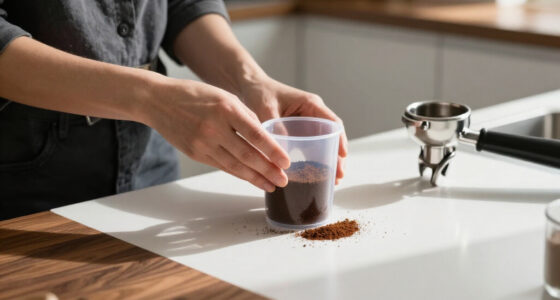
Picture a narrow espresso basket sitting slightly off center. Grounds hit the rim, bounce onto the counter, and leave a dusty crescent beside the grinder. A well-adjusted cradle can prevent that by keeping the basket centered under the coffee stream. Still, a mismatched handle, deep basket, or poorly aligned chute can bring the mess right back.
Repeatable positioning is not the same as accurate dosing. A grinder may retain coffee inside its chute, and the amount it dispenses can shift when you change grind size, switch beans, or use burrs in a different condition. Timed dosing can vary as coffee flows differently through the grinder. Weight-based dosing measures the output more directly, though its scale and calibration also matter.
Think of the holder as a ruler that helps you place the basket in the same spot. It makes the setup more consistent, but it doesn’t measure the coffee. For cleaner counters and steadier routines, check that the handle sits securely and the basket catches the full stream. After any grind adjustment, check the dose again.
Choose timed or weight-based dosing for your routine
Timed dosing runs the grinder for a preset duration, while weight-based dosing stops when the coffee reaches a target mass. A timer is often simple and quick; a scale gives you more direct control over how much coffee reaches the basket. Neither approach removes the need to check how the grinder behaves in your routine.
For example, you might set a timer for a double shot and find that it delivers a suitable amount for several mornings. Then you switch to a denser coffee or make the grind finer. The flow rate changes, and the same number of seconds may produce a different dose. A weight-based system can respond to the amount delivered rather than relying only on run time, but it can cost more and add parts to clean or maintain.
Use this comparison to match the dosing setup to your priorities:
| Setup | What it does well | What you still need to watch |
|---|---|---|
| Timed dosing | Fast, straightforward operation when coffee and settings stay stable | Recheck after changing beans, grind size, or burr condition |
| Weight-based dosing | Measures the delivered amount more directly | Check calibration, scale reliability, cleaning, and workflow speed |
| Manual or on-demand dosing | Lets you stop the grind when the basket looks or weighs right | Requires your attention throughout the dose |
A timer may suit a home setup where you use the same coffee and recipe each day. A café that changes beans often may prefer weighing doses or checking them more frequently. Dosing features are separate from the holder itself: a portafilter can be supported even when you still control the amount by hand.
Check these five details before you bring one home
Choose a grinder by checking how the holder fits your portafilter, how steady the support feels, and whether the dosing controls suit your routine. The holder should make the portafilter easy to place and remove while keeping the basket aligned beneath the chute. Grind quality and adjustment still matter more to the espresso than the holder alone.
Start with compatibility. A handle that looks standard can sit too low, twist in a narrow fork, or clash with a deep basket. If your household uses different portafilters, check the stated size range and whether the support adjusts without tools. On a counter, try a test fit if you can; the handle should not wobble when you let go.
Use this short checklist while comparing designs:
- Fit: Check handle clearance, basket diameter, and basket depth.
- Stability: Confirm the portafilter stays aligned under the chute and lifts out easily.
- Dose control: Decide whether you prefer a timer, weighing, or manual stopping.
- Cleanup: Look for access to the chute and burr area, where retained grounds can collect.
- Daily use: Consider counter space, noise, speed, volume, and how easy the controls feel.
For instance, a compact home grinder may fit neatly beside your machine but leave little room to swing a wide handle into position. In a café, a sturdy adjustable fork might matter more because staff use several portafilters throughout a shift. If you’re comparing models, the guide to best grinders with portafilter holders can help you explore examples; use it alongside the fit and workflow checks above.
Keep good puck preparation in the routine
A holder makes grinding more convenient, but it does not prepare the espresso puck for you. After the grinder dispenses coffee into a portafilter supported by its fork, you still need to inspect the basket, distribute the grounds, and tamp evenly. These steps help you move from a loose mound of coffee to a level puck ready for brewing.
Say you’ve started the grinder and used your free hand to grab a cup. When you return, the coffee may form a mound on one side of the basket. A quick distribution step can spread it before you tamp. If you skip that and press the tamper onto uneven grounds, the puck may not be consistent from edge to edge.
Hands-free dosing shifts your attention for a moment; it doesn’t remove attention from the shot. At home, make the sequence easy to repeat: start the dose, check the basket, distribute, tamp, and brew. At a café, staff can use the grinding interval for another task, then return to the basket before brewing rather than treating the timer as a signal that the work is finished.
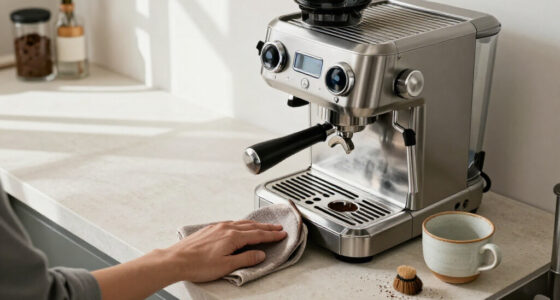
Cleanliness supports that routine. Brush stray grounds from the basket rim before tamping so coffee does not sit between the basket and portafilter edge. If grounds build up around the chute, clean it according to the grinder’s instructions. A tidy basket and a level tamp give you a clearer starting point when a shot runs too fast or tastes unbalanced.
Match the holder to home or café pace
The value of a holder depends on how often you grind and what else you need to do while the grinder runs. At home, hands-free dosing mostly adds comfort and a steadier setup. In a café, it can help staff keep a sequence moving, but the grinder also needs to handle the pace, cleaning demands, and adjustments of repeated service.
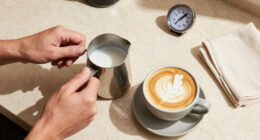
Consider a home user making one cappuccino before leaving. The grinder runs while the user rinses a milk pitcher, saving a small motion and keeping the portafilter stable. That may be enough to make the counter routine feel smoother, especially if holding the handle under the chute has led to spills. There’s no need to value speed alone if a simpler, manual setup works well.
Now picture a café during a morning rush. A barista may prepare another drink while a dose grinds, but the grinder’s speed, duty cycle, serviceability, and retention become just as relevant as the fork. A holder that fits one portafilter but slows down when staff swap baskets can create friction instead of removing it.
Recent grinder designs increasingly emphasize adjustable supports, cleaner dispensing, programmable doses, and integrated weighing on some models. Features vary by grinder and price tier, so don’t assume a newer design automatically has every option. Match the system to your priorities: speed, dose repeatability, low cost, or simple operation. Workflow is personal; a busy bar and a quiet kitchen have different rhythms.
Frequently Asked Questions
Does a portafilter holder make grinding completely hands-free?
It supports the portafilter while the grinder runs, so you don’t have to hold the handle in place. You still need to start the grinder, check the dose, distribute the grounds, and tamp before brewing.
Does hands-free dosing improve espresso quality?
Not by itself. A stable holder can make basket placement more repeatable, but espresso quality also depends on grind, dose, coffee freshness, distribution, tamping, and extraction.
Is a timer accurate enough for espresso dosing?
A timer can work well when the grinder and coffee stay consistent. Check the delivered dose after changing beans or grind size, since those changes can affect how much coffee the grinder dispenses in the same time.
Is weight-based dosing always better than timed dosing?
Weight-based dosing measures the delivered amount more directly, but it may add cost, parts, and cleaning. A timer can be a good fit for a stable routine if you check it periodically.
Will a holder fit every portafilter?
No. Handle shape, basket size, and basket depth can affect fit. Check the manufacturer’s compatibility details and confirm that your portafilter sits securely beneath the chute.
Can a portafilter holder grinder reduce spills?
It can, especially when the basket stays centered under the chute. Spills can still happen if the portafilter is poorly seated or the basket and chute do not line up.
Conclusion
Choose a portafilter holder because it makes your routine easier to repeat: the basket stays supported, the chute lines up, and your hands can move to the next task. Then check the delivered dose and prepare the puck as carefully as you would with a portafilter held by hand.
Remember the simple distinction: the holder steadies the basket; your dose controls and technique shape the shot. Make the grinder fit your counter and your rhythm, and let the coffee fall cleanly where it belongs.