
TL;DR

Get coffee and tea gear delivered free with Prime
- Fast, free delivery on millions of items
- Prime Video, Amazon Music and more included
- Member-only deals all year
A dependable office espresso routine depends on a clean machine, a repeatable starting recipe, safe milk handling, and clearly assigned restocking and cleanup. Set up a simple workflow, label shared supplies, and plan for peak times so the coffee station stays useful rather than becoming a queue of dirty pitchers and mystery beans.
At 9:07 on Monday, the espresso machine is hissing, two people are waiting, the milk carton is warm on the counter, and nobody knows who left yesterday’s puck in the portafilter. That isn’t a coffee problem so much as a workflow problem.
A good office espresso routine is less about making every cup elaborate and more about keeping the machine clean, the steps predictable, and shared spaces considerate. You’ll learn how to set a repeatable starting recipe, handle milk safely, divide daily chores, and keep a busy coffee corner from turning into a bottleneck.
The right setup depends on your machine and the number of people using it. A three-person studio can run on a short checklist; a larger office may need a queue and a backup pot of drip coffee. Either way, a little structure makes the first cup taste better and the last person’s cleanup easier.
Use one agreed starting dose and grinder setting, then adjust one variable at a time based on the pour and taste.
Discard the puck, rinse the basket, and wipe and purge the steam wand immediately after each use.
Keep beans sealed and dry, refrigerate milk under workplace food-safety rules, and label dairy alternatives clearly.
Assign daily restocking and closing cleanup instead of expecting an unnamed coworker to handle them.
Plan for peak times with a simple queue and a drip-coffee backup if espresso service becomes a bottleneck.
Shared kitchen · Office coffee field guide
The Office Espresso Routine That Avoids Chaos
A dependable coffee station runs on a clean machine, a repeatable starting recipe, safe milk handling, and chores with names attached. Build a short routine people can follow—even when Monday morning brings a queue.
Make the first shot predictable
Start from the machine’s recommended recipe or the office’s agreed baseline. The right dose and shot time depend on the basket, beans, and equipment.
Check the station
Confirm water, beans, cups, and a clear drip tray before brewing.
Keep the baseline
Use the agreed dose and grinder setting; grind fresh when practical.
Pull, then taste
Notice the pour and judge the cup. A scale and timer can help repeat results.
Reset for the next
Discard the puck, rinse the basket, and leave the counter ready.
Small resets prevent big scrubs
Old coffee oils and dried milk residue can affect flavor and make cleanup harder. Handle the parts you touched before walking away.
Clear the puck
Knock used grounds into the proper waste container, then rinse the portafilter and basket.
Reset the wand
Wipe and purge the steam wand according to the machine instructions. Use a clean pitcher.
Follow the manual
Clean the drip tray and group area as directed. Cleaning cycles and backflushing differ by machine.
Fresh, safe, and easy to identify
Labels and designated storage turn a shared counter from a guessing game into a station people can use with confidence.
Beans, water, and cups
- Keep beans sealed, dry, and away from heat and strong kitchen smells.
- Label rotating coffees with the bean name and opening date.
- Use manufacturer guidance for filtration, water treatment, and descaling.
- Give clean cups and towels a marked home; store reusable cups only if washing is practical.
Milk with clear boundaries
- Keep milk refrigerated under workplace food-safety rules and return it promptly.
- Never pour steamed milk back into its carton.
- Label dairy alternatives and use clean, separate pitchers to reduce mix-ups.
- Do not leave a carton on the counter through a long meeting.
Share the work, plan for the rush
A three-person studio may need only a short checklist. A busy office can add a queue and a drip-coffee backup.
Restock by name
Assign someone to refill water, check beans and cups, and flag low supplies.
Make cleanup visible
Post a short checklist: puck out, basket rinsed, wand wiped and purged, counter dry.
Prevent the bottleneck
Use a simple queue, batch-prep supplies, or offer drip coffee when demand stacks up.
One shared system, from bean to reset
Each handoff supports the next person—and helps the last person leave a clean station.
Start with a five-minute routine that keeps every shot predictable
The office espresso routine works best when everyone follows the same short sequence: check the machine, grind a consistent dose, pull the shot, and leave the station ready for the next person. That simple rhythm prevents small oversights from piling up, much like putting keys in the same bowl each evening instead of searching the house in the morning.
Before the first shot, check that the machine has water, the drip tray has room, and the grinder has beans. Use the same dose and grinder setting as your starting point. If your machine or coffee maker gives you a recommended recipe, begin there; there is no single dose or shot time that suits every basket, bean, and machine.
A scale and timer can help you repeat a recipe, but they’re optional in a casual office. For example, an employee who gets a sour, fast shot can note the dose and timing, then make one small grind adjustment next time. Changing the dose, grind, and coffee bean at once makes it harder to tell what helped.
- Check the station: confirm water, beans, cups, and a clear drip tray.
- Prepare the coffee: use the agreed starting dose and grind fresh when practical.
- Pull and taste: watch the pour, then judge the cup instead of chasing a number alone.
- Reset for the next person: discard the puck, rinse the basket, and wipe the counter.
A shot that runs unusually fast or slowly can signal that the grind or dose needs attention. Treat it as a clue, not a verdict: coffee freshness, water, and machine condition also affect extraction. The aim is a dependable office espresso practice that people can repeat, not a complicated ritual that requires a single resident barista.
Products Worth Considering

De'Longhi Stilosa Compact Manual Espresso Machine with Milk Frother

Breville Bambino Espresso Machine, Brushed Stainless Steel

De'Longhi Dinamica Plus Fully Automatic Espresso Machine
As an affiliate, we earn on qualifying purchases.
Keep the machine clean without turning cleanup into a chore
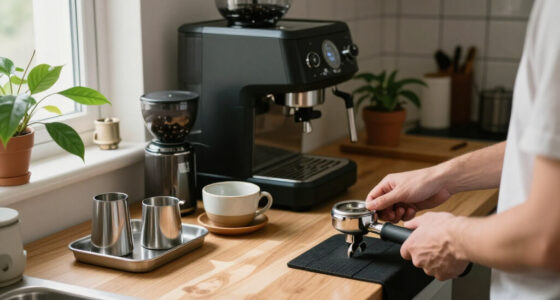
A clean espresso machine needs quick attention after each use and a more complete reset at closing. Emptying the used coffee puck, rinsing the portafilter and basket, and wiping the steam wand right away keeps old grounds and milk from drying into stubborn residue. Think of it like washing a plate before sauce hardens: a ten-second job now beats a grimy cleanup later.
After pulling a shot, knock the puck into the appropriate waste container and rinse the basket. Coffee oils cling to metal and can leave a stale, bitter smell if they build up. If someone rushes to a meeting and leaves the portafilter full, the next person inherits a mess and a less pleasant cup.
Milk needs an immediate reset. Use a clean pitcher, don’t pour steamed milk back into its carton, and wipe and purge the steam wand according to the machine’s instructions. A pale film on the wand may look harmless, but it can hold milk residue and become difficult to remove when it dries.
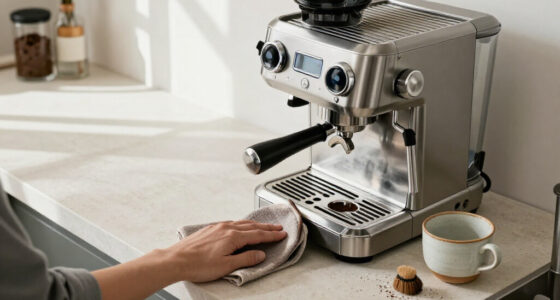
At closing, clean the drip tray and group area as the manufacturer recommends. Cleaning cycles and backflushing steps vary by machine, so follow its manual instead of copying a routine from another office. One workplace might need a scheduled cleaning cycle, while another machine may specify a different process.
Quick rule: Clean the parts you touched before you leave the station, then assign one person to check the machine’s end-of-day cleaning steps. “Someone will get it” is not a cleaning plan.
For instance, a small team can place a laminated checklist beside the machine: “puck out, basket rinsed, wand wiped and purged, counter dry.” That visible reminder supports a routine that avoids guesswork without making coffee feel like a second job.
Set up beans, water, and milk so the station stays safe and fresh
Good storage keeps shared ingredients fresher and reduces the chance that somebody uses an unknown or poorly handled item. Keep coffee beans sealed in a dry place, label containers with the bean name and opening date when several coffees are in rotation, and store milk under your workplace food-safety rules. Clear labels turn a shared counter from a guessing game into a usable station.
Beans are happiest away from moisture, heat, and strong kitchen smells. A sealed, dry container in a cupboard is a more sensible choice than an open bag beside the kettle or a sunny window. Grind fresh for each shot where practical; pre-ground coffee loses its lively aroma faster, a bit like sliced fruit left exposed on a plate.
Milk calls for more care because it is perishable. Keep it refrigerated, return it promptly after use, and follow your workplace food-safety policy for storage and discard times. Don’t leave a carton on the counter through a long meeting, and never pour steamed milk back into the container. If the office shares milk with people who have allergies or dietary needs, label alternatives clearly and use clean, separate pitchers to reduce mix-ups.
Water affects both extraction and machine care. Tap water may be suitable, but local hardness and the machine’s requirements matter; use the manufacturer’s guidance on filtration or treatment. Descaling frequency varies with the equipment and water hardness, so a one-size-fits-all calendar can be wrong. A machine manual and local water information are better guides than a coworker’s memory.
For example, an office that keeps oat milk beside dairy milk can mark each carton and dedicate a pitcher to each option. That small choice helps someone avoid an accidental allergen exposure and keeps the station tidy. Add reusable cups if they fit your workplace’s washing setup, and give them a clearly marked storage spot so they don’t crowd the clean cups.
Give grinder changes a clear rule instead of a guessing game
Keep the grinder setting steady as your starting point, then adjust it only when the coffee’s taste or pour gives you a reason. A shared grinder is a little like a shared thermostat: if everyone changes it whenever they pass, nobody knows what setting works. One clear rule helps the next person understand what changed and why.
Espresso depends on connected variables, including coffee freshness, grind size, dose, water, machine condition, and extraction. A shot that rushes through may need a finer grind, while a very slow pour may call for a coarser setting or a dose check. But those are clues, not automatic instructions; the coffee itself should guide the final decision.
When troubleshooting, change one thing at a time and write down the adjustment if the office shares a grinder. For example, if the morning coffee tastes sharp and the shot runs quickly, a small grind adjustment gives you a useful test. If you also switch beans and dose, you’ve changed three variables and lost the trail.
Grind fresh for each shot where practical, and keep beans sealed between uses. If the office prefers convenience over tinkering, agree on one house coffee and one starting setting, then let people adjust only when they can return the grinder to that baseline. A small note beside the grinder can say “house setting: mark 4” and include the date someone last dialed it in.
Some offices use grinders with more repeatable dosing, and compact or automatic espresso machines can suit limited counters. Those are ongoing equipment trends, not a requirement for good coffee. The strongest routine is the one your team can follow on a busy Tuesday, not the one with the most knobs.
Make the morning rush feel fair, not like a coffee traffic jam
A busy espresso station needs a simple plan for who goes next, how supplies get replenished, and what people can drink when the machine is occupied. A queue, a small batch-prepped supply area, and a drip-coffee backup can prevent a slow milk drink from holding up six people. It’s the same idea as a clear checkout line: nobody has to guess where to stand.
First, watch the real traffic for a few mornings. If three people arrive at 8:45 and eight arrive at 9:00, you can set out clean cups, check water, and prepare the milk area before the peak. Don’t pre-steam milk or leave it sitting out; prepare it when needed and keep refrigerated milk under your workplace’s food-safety rules.
For a small office, a spoken queue may be enough: the next person starts only after the previous user has cleared the portafilter and wiped the counter. A larger team might use a simple sign-up board during the busiest ten minutes. Keep it lightweight; nobody needs a booking system to make a cappuccino.
A backup option also helps. A pot of drip coffee or an electric kettle can serve someone who just needs caffeine quickly, while the espresso machine handles drinks that take longer. For example, a person joining a 9:00 call can pour drip coffee rather than waiting while someone steams milk and rinses a pitcher.
Assign supply jobs instead of hoping someone notices an empty bean jar. One person can check water and cups each morning, while another handles the closing wipe-down on a rotating schedule. Put names or roles on a weekly roster, and keep the task small enough that it takes a few minutes. That makes shared ownership visible and stops the familiar cycle where the same coffee fan does everything.
Choose the right setup for your team and keep expectations realistic
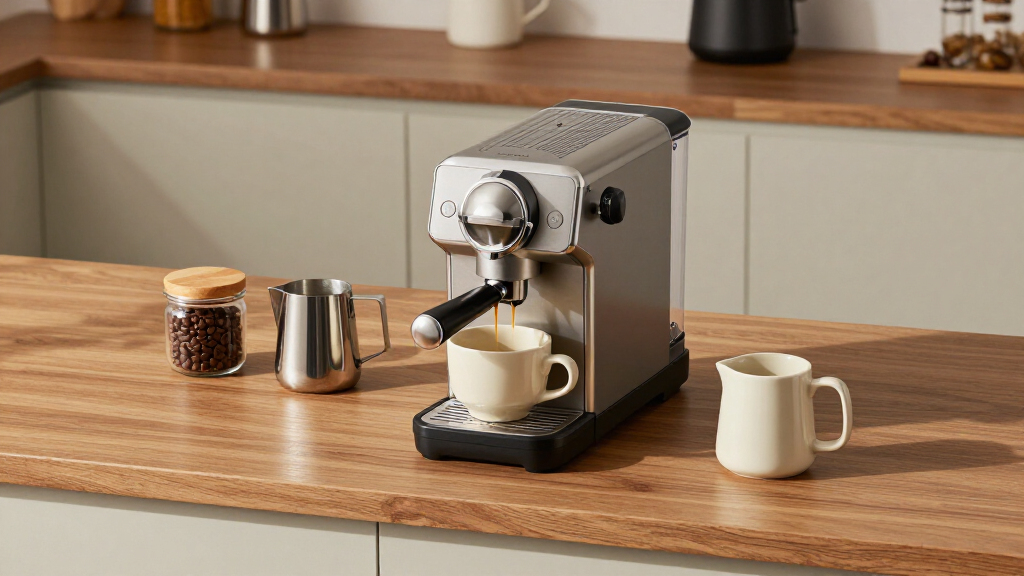
The best office espresso setup matches the number of people using it, the time they have, and the cleanup they will actually do. A compact manual machine can work well for a small group that enjoys the process, while a larger or more automatic setup may suit a busy shared kitchen. More equipment doesn’t automatically mean less chaos; it can also mean more parts to clean and more settings to explain.
For a handful of coworkers who take turns, a grinder, machine, clear bean container, and cleaning cloth may be enough. If many people want coffee at the same time, consider whether espresso alone can meet demand or whether a drip option should share the workload. A dependable coffee corner has a realistic service plan, not just an impressive machine.
Compare choices by asking who will operate and maintain them. An automatic machine may make a quick cup easier for occasional users, but it still needs cleaning and the manufacturer’s specified maintenance. A manual machine offers more control, but that control is only useful if people agree on a starting recipe and know how to reset the station.
| Office situation | Practical routine | Tradeoff to expect |
|---|---|---|
| Small team, staggered breaks | Shared manual setup and a short daily checklist | More hands-on preparation |
| Busy morning rush | Clear queue, prepared supplies, and drip coffee backup | Needs simple role assignments |
| Many casual users | Simple controls and visible cleaning instructions | Less room for custom recipes |
Workplace habits matter as much as equipment. Reusable cups can cut disposable waste if there’s a reliable way to wash and store them, and sourcing choices can reflect your team’s priorities. Keep those changes practical: a reusable cup that sits dirty in a desk drawer won’t help the shared kitchen. Choose a setup that still works when the resident coffee enthusiast is out sick.
Fix common espresso problems without changing everything at once
When an espresso suddenly tastes wrong, check the simplest causes first: old grounds, a dirty basket, a changed bean, or a grinder setting someone moved. Then adjust one variable and taste again. This order prevents a minor issue from becoming a full station reset, like checking whether a lamp is plugged in before replacing every bulb in the room.
If the shot runs too fast, look at the grind and dose, then make a small adjustment rather than turning several dials. If it runs too slowly, consider whether the grind is too fine or the basket is overfilled. Neither symptom tells the whole story, so compare the cup’s taste and your usual recipe rather than treating a timer as the only judge.
For example, Monday’s espresso may run differently from Friday’s because the office opened a new bag of beans. Freshness and the coffee itself can change how a familiar setting behaves. Write the bean name and starting setting on a note, then let one person make a measured adjustment while others use the agreed routine.
A stale, bitter flavor can also point to coffee oils or grounds left on equipment. Rinse the basket and portafilter, clear the group area as the machine manual directs, and check whether the grinder needs its regular cleaning. If the machine shows an alert or behaves unusually, consult its instructions rather than improvising a descaling cycle.
Keep a small troubleshooting card near the grinder: “Check cleanliness. Confirm the bean. Change one setting. Taste again.” That gives casual users a calm sequence to follow. It also makes the espresso routine less about making every cup elaborate and more about giving the next person a decent, predictable starting point.
Frequently Asked Questions
How often should an office espresso machine be cleaned?
Rinse the basket and portafilter and wipe and purge the steam wand after each use. Clean the drip tray and group area at closing, and follow the machine manual for cleaning cycles and deeper maintenance because schedules vary by model.
What is a good starting espresso dose and shot time?
There is no single dose or shot time that fits every machine, basket, and coffee. Start with the machine’s or coffee’s recommended recipe, keep the dose and grind consistent, and use taste and the pour as guides when you adjust.
Why is espresso suddenly running too fast or too slowly?
Grind size and dose are common causes, but bean freshness, equipment cleanliness, water, and machine condition can also affect the shot. Check the basics, change one variable at a time, and taste the result before making another adjustment.
Should the office grinder be adjusted throughout the day?
Keep a shared starting setting steady unless the coffee gives you a reason to change it. If you make an adjustment, note it for coworkers and return to the agreed baseline when appropriate so the next person doesn’t inherit a mystery setting.
How should an office store beans and milk?
Keep beans sealed in a dry place away from heat, moisture, and strong smells. Store milk in the refrigerator according to workplace food-safety rules, return it promptly after use, and label dairy and non-dairy options clearly to help prevent mix-ups.
How often should an office espresso machine be descaled?
Descaling needs depend on the machine and the hardness of your water. Check the manufacturer’s instructions and local water information rather than following a universal timetable; the wrong process can be unsuitable for some equipment.
Conclusion
Your office espresso routine doesn’t need more rules than your team can remember. Keep the recipe steady, clean what you use, store milk safely, and make cleanup and restocking somebody’s named responsibility.
Do that, and the coffee corner stops being a noisy pileup of warm milk and mystery settings. It becomes what a shared station should be: a clean counter, a clear next step, and a good cup waiting at the end.