
TL;DR

Get coffee and tea gear delivered free — and shop member deals
- Fast, free delivery on millions of items
- Access to Prime Big Deal Days deals on October 6–7
- Prime Video, Amazon Music and more included
Strength measures how concentrated brewed coffee is, while extraction yield estimates the share of the grounds’ soluble material that reached the cup. Flavor balance describes how the coffee tastes, so a strong brew can still be under-extracted and a well-extracted brew can still taste unbalanced. Use measurements to compare repeatable brews, then let taste guide your adjustments.
A tiny espresso can taste intense and still leave much of the coffee’s soluble material behind. That sounds contradictory until you separate strength, extraction yield, and flavor balance. Each describes a different part of the cup.
Think of making coffee as filling a glass from a pantry. Strength describes how concentrated the drink is; extraction yield tells you how much of the grounds’ soluble material made it into the glass; flavor balance is whether the finished drink tastes lively, sweet, harsh, or harmonious. The three influence one another, but none is a substitute for the others.
Once you know what each measure can—and can’t—tell you, you can diagnose a sour filter brew or an unexpectedly bitter espresso with less guesswork. You’ll learn how to read the numbers, make one practical change at a time, and decide whether the cup actually tastes better.
Strength measures concentration, often expressed as total dissolved solids; it does not say how much of the grounds’ soluble material was extracted.
Extraction yield is an estimate based on the dry dose, brew mass, and TDS, and it does not guarantee good flavor.
Flavor balance comes from tasting how acidity, sweetness, bitterness, body, and other qualities work together.
A small, intense cup can have low extraction yield, while a larger, diluted brew can extract a substantial share of its dose.
Change one brewing variable at a time, record the result, and use measurements alongside your taste notes.
The Difference Between Strength, Extraction Yield, and Flavor Balance
Three ideas describe three different parts of a cup. Learn what the measurements reveal, what only tasting can tell you, and how to make your next brew more repeatable.
Three questions. Three different answers.
A useful way to read a cup is to ask what each concept can actually tell you. Each gives a different lens on the same brew.
Strength
How concentrated the brewed coffee is. Total dissolved solids (TDS) is commonly used: higher TDS means more dissolved coffee material per sip.
Extraction yield
An estimate of the share of the dry dose’s soluble material that made it into the beverage. It describes recovery, not concentration.
Flavor balance
How acidity, sweetness, bitterness, body, and other qualities work together. It is judged by tasting, not by one instrument.
Keep the measures separate: a small, concentrated cup can have low extraction yield, while a larger, more diluted brew can extract a substantial share of its dose.
What the numbers can—and cannot—say
A refractometer estimates concentration. Paired with brew mass and dry dose, that reading can help estimate extraction yield. Neither number guarantees a delicious cup.
TDS reads concentration
Total dissolved solids is commonly expressed as a percentage. It estimates dissolved coffee material in the beverage. More coffee relative to water usually makes a more concentrated drink, though brew conditions also affect what dissolves.
Yield estimates recovery
Use the beverage’s mass and TDS reading alongside the dry coffee dose. A consistent recipe and careful sample help make comparisons useful; stray grounds or an inconsistent reading can skew the result.
Estimated yield ≈ (brew mass × TDS) ÷ dry dose
Estimated dissolved material in the beverage is compared with the starting dose. This is a practical estimate, not a universal measure of quality.
Taste explains whether the cup works for you
Two coffees can show similar readings and taste very different. Coffee variety, roast, freshness, processing, water, and brewing conditions all shape what reaches your palate.
Look for a pattern, not one clue
A sharp sourness with a thin body may point toward a different adjustment than drying bitterness that lingers. Neither taste proves a specific extraction problem on its own. Treat tasting as evidence, then test a change.
A comparison keeps the ideas straight
Describe the brew by separating what you measure from what you taste.
| What you’re describing | What it tells you | How you assess it |
|---|---|---|
| Strength | How concentrated the drink is | TDS reading; often expressed as a percentage |
| Extraction yield | How much of the dose’s soluble material entered the brew | Estimate using brew mass, TDS, and dry dose |
| Flavor balance | How the sensory qualities work together | Taste and note acidity, sweetness, bitterness, body, and finish |
Change one brewing variable at a time
First name what you want to improve: too weak, too sour, too bitter, or out of balance. Then make a controlled adjustment and judge the cup.
Set concentration
Adjust the coffee-to-water ratio. More coffee or less water generally makes the drink more concentrated, while the change may also affect extraction.
Adjust extraction
Grind size, water temperature, contact time, agitation, and flow can change how readily compounds dissolve. A finer grind may increase extraction and slow flow.
Taste and record
Keep notes on the recipe, measurement, and cup. Compare repeatable brews, then decide whether the result tastes closer to what you want.
From question to better cup
Measurements are useful diagnostic tools. Sensory validation keeps the goal grounded in the coffee you actually enjoy.
Strength Tells You How Concentrated Your Coffee Is
Strength describes how concentrated brewed coffee is: how much dissolved coffee material sits in a given amount of water. Coffee professionals often express it as total dissolved solids (TDS), typically measured as a percentage. A higher TDS means more dissolved material per sip; a lower TDS means the drink is more dilute.
Think of lemonade: the same amount of lemon and sugar tastes more intense in a small glass than in a large pitcher of water. Coffee works in a similar way. If you brew 18 grams of coffee with 250 grams of water, the result will generally be more concentrated than a brew made with the same dose and 350 grams of water, though the brewing conditions also affect what dissolves.
That is why the phrase “strong coffee” can mean different things in everyday conversation. You might mean bold flavor, a high caffeine dose, a dark roast, or simply a concentrated cup. Those ideas don’t always line up. A small espresso often has high concentration, for example, but its serving is much smaller than a mug of filter coffee.
Changing the coffee-to-water ratio is a direct way to alter concentration. Add more coffee while keeping the water similar, or reduce the water for the same dose, and the cup will usually taste more intense. The change can also affect extraction, so judge the result by tasting instead of assuming the ratio changed only one thing.
As an affiliate, we earn on qualifying purchases.
Extraction Yield Measures What Left the Grounds
Extraction yield estimates the share of a coffee dose’s soluble material that ended up in the finished brew. It is not the same as strength: strength describes concentration in the cup, while yield describes how much soluble material the brew took from the dry grounds. That distinction matters because it separates two different brewing questions: how much material is in each sip, and how much of the dose contributed to the drink. A concentrated cup may still have left a lot behind; a dilute cup may have drawn out a larger share.
A simple analogy: imagine squeezing juice from an orange. A small splash of juice can taste concentrated even if you left much of the fruit’s juice behind. In coffee, a small amount of water might draw out a limited share of the grounds’ soluble material. The resulting drink can have high concentration but low extraction yield. Conversely, using more water can carry more material out of the grounds while also diluting it, so the cup may taste lighter even as yield rises.
To estimate yield, brewers use the beverage mass, the TDS reading, and the dry coffee dose. A refractometer estimates TDS; a calculation then combines that estimate with the brew’s mass and the dose. In simplified terms, the dissolved material in the beverage is estimated from its mass and concentration, then compared with the dry dose. This estimate helps explain why changing only the water amount can affect both the cup’s concentration and the total material recovered. It also depends on careful sampling and measurement: a few stray grounds or an inconsistent reading can skew the result.
There is no single extraction-yield target that guarantees delicious coffee. A reference range can give you a starting point while dialing in a recipe, but it cannot account for every coffee, roast, grinder, water supply, or personal preference. The number is most useful when comparing repeatable brews of the same coffee and method. If your measured yield rises but the cup turns dry or bitter, the higher number has not automatically made your coffee better; it tells you more material was estimated to have dissolved, not that the resulting mix of flavors suits you.
digital coffee scale with TDS measurement
As an affiliate, we earn on qualifying purchases.
As an affiliate, we earn on qualifying purchases.
Flavor Balance Explains Why the Cup Tastes Right—or Wrong
Flavor balance describes how a coffee’s acidity, sweetness, bitterness, body, and other flavors work together when you taste it. No single measurement can tell you whether those parts feel harmonious. A refractometer can estimate concentration; it cannot tell you whether the cup reminds you of ripe berries, tastes sharply sour, or finishes pleasantly sweet.
Imagine two filter brews with the same TDS and estimated extraction yield. One might taste juicy and sweet, with a bright citrus note. The other might taste flat or harsh. Different coffees can have different flavor qualities, and roast, freshness, processing, water composition, and brewing conditions all shape what reaches your palate.
Flavor balance is also personal. You may enjoy a bright, lightly roasted coffee that a friend finds too tart. That does not mean one of you has misread the numbers; it means measurement and preference answer different questions. The useful question is whether the coffee tastes the way you want it to, and which change might move it in that direction.
When a cup seems off, taste for several clues together. A sharp sourness, thin body, and quick finish might suggest a different adjustment than a drying bitterness that lingers. Neither sour nor bitter flavor proves a specific extraction problem on its own: the coffee’s natural acidity, roast, and brewing conditions can all play a part. Treat taste as evidence, not a verdict from one flavor note.
espresso shot glass with measurement marks
As an affiliate, we earn on qualifying purchases.
As an affiliate, we earn on qualifying purchases.
A Comparison Table Keeps the Three Ideas Straight
Strength, extraction yield, and flavor balance answer different questions about the same cup. Strength asks how concentrated it is; extraction yield asks how much of the grounds’ soluble material entered the brew; flavor balance asks whether the coffee tastes pleasing to you. Keeping those questions separate helps you describe a brew without confusing a number with a flavor judgment.
| What you’re describing | What it tells you | How you assess it | Example |
|---|---|---|---|
| Strength | How concentrated the drink is | TDS estimate or taste | A small espresso tastes intense compared with a larger filter coffee. |
| Extraction yield | How much soluble material left the dry grounds | Estimate from dose, brew mass, and TDS | A large, diluted brew can extract a substantial share of the dose. |
| Flavor balance | How acidity, sweetness, bitterness, and body work together | Tasting | A bright coffee may taste lively and sweet, or sharply sour. |
Here’s a practical comparison. You make an espresso that tastes punchy but sour. Its concentration may be high, while its extraction yield is low; tasting suggests the flavors are not balanced for your preference. In another cup, a larger filter brew may taste less intense but sweet and rounded, with more of the grounds’ soluble material extracted.
That distinction gives you a clearer way to talk about changes. If you want a more concentrated drink, adjust the coffee-to-water ratio. If you want more or less material dissolved from the grounds, adjust brewing conditions. If you want a more pleasant cup, taste the result and decide which flavor needs attention.
coffee brewing kit for optimal extraction
As an affiliate, we earn on qualifying purchases.
As an affiliate, we earn on qualifying purchases.
Change One Brewing Variable to Fix the Cup
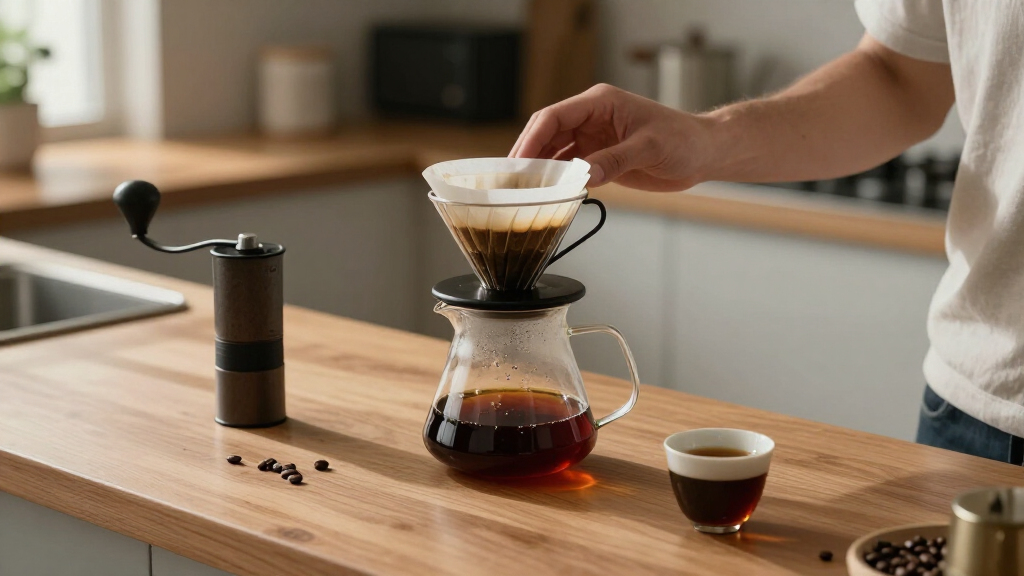
If your coffee tastes off, start by naming the problem you want to solve: too weak, too sour, too bitter, or out of balance. That small pause keeps you from changing several settings at once and losing track of what helped. A home brewer with a sour cup and a grinder can begin with a slightly finer grind, then brew the same recipe again and compare.
- Write down your recipe. Record the coffee dose, water amount, grind setting, brew time, and method. For example: 18 grams of coffee, 300 grams of water, medium grind, three-minute pour-over.
- Describe the cup in plain language. Is it thin, sharp, sweet, drying, or balanced? Note more than one clue, since a single sour or bitter note does not identify the cause.
- Choose one adjustment. Finer grinding, longer contact time, or more agitation can increase how readily compounds dissolve. A higher coffee-to-water ratio usually raises concentration.
- Brew again and taste side by side. Keep the other settings steady. If you use a refractometer, compare its reading and estimated yield too, but keep your taste notes beside the numbers.
Suppose your morning filter coffee tastes thin and sharply sour. You keep the dose and water amount steady, then grind a little finer. The brew takes slightly longer and tastes sweeter, but if it becomes dry or bitter, return to the earlier setting or try a smaller adjustment.
Grind size, water temperature, contact time, agitation, and flow can affect extraction; the coffee-to-water ratio has a strong effect on strength. Yet changing one setting can influence several outcomes at once. Finer grounds, for instance, may increase extraction while slowing flow. The cup, like a small mixing board, responds across multiple dials at once.
Espresso and Filter Coffee Can Both Be Well Balanced
Espresso and filter coffee often differ in concentration, but neither method is inherently more extracted or better balanced. Espresso is usually served in a smaller, more concentrated volume, while filter coffee is usually less concentrated and served in a larger cup. Their pressure, flow, contact time, and brewing recipes differ, so compare the drinks by what each measure actually describes.
Take a double espresso and a mug of pour-over made from the same coffee. The espresso may taste dense, with syrupy body and a concentrated fruit note. The pour-over may taste lighter, with floral aromas that open as it cools. That contrast tells you about their presentation and concentration; it does not, by itself, say which brew extracted more soluble material.
Even two espresso shots can behave differently. One puck may channel, letting water rush through a narrow path, while another receives more even flow. The resulting cups may have different flavor balance even when their recipe and estimated measurements look similar. Grind distribution and brewing geometry matter, and a rule of thumb from one setup may not carry over neatly to another.
Use each method’s recipe as a starting point, then judge the cup in its own style. If your espresso tastes sour and thin, a small grind or yield adjustment might help. If your filter coffee tastes weak but sweet, you may prefer a stronger ratio without changing extraction much. Taste and measurements can work together, but the method alone cannot tell you whether a brew is satisfying.
Use Measurements as Clues, Then Trust Your Taste
A TDS reading and estimated extraction yield are useful tools for comparing brews you make under similar conditions. They can show that a recipe change raised concentration or altered the share of soluble material reaching your cup. They cannot grade the coffee’s flavor balance or decide what you should enjoy.
For example, you might brew the same coffee on Monday and Tuesday with the same dose and water. A refractometer reading can help you spot a difference after you change grind size. If Tuesday’s cup tastes sweeter and the yield estimate also rose, that is useful evidence. If the reading rose but the coffee tastes harsh, the number did not capture everything that matters to you.
Recent coffee education and specialty-brewing discussion also treats extraction as uneven and compound-dependent. Different compounds dissolve at different rates, and brewing conditions can change their proportions. That means you should be careful with the simple story that desirable flavors always arrive first and undesirable flavors always arrive later. The coffee, grind distribution, water chemistry, and flow pattern shape the result.
Keep a brief brew log if you want to learn faster. Note the recipe, one or two flavor observations, and any TDS or yield estimate you measured. After a week, you may see that one grind setting suits a particular coffee, while another works better for a darker roast. Your notes turn vague impressions into useful comparisons without pretending that a single figure can describe the whole cup.
Frequently Asked Questions
Can coffee taste strong but still be under-extracted?
Yes. A concentrated cup can contain a high amount of dissolved material per sip while still drawing only a small share of the grounds’ soluble material. Think of a short espresso that tastes intense but sharply sour: strength and extraction yield describe different things.
Can weak coffee be well extracted?
Yes. A brew can extract a substantial share of its soluble material and still taste dilute if it contains a lot of water relative to the coffee dose. A large filter brew can be less concentrated than espresso while still tasting sweet and balanced.
Does higher extraction yield always make coffee taste better?
No. A higher estimate does not guarantee a more enjoyable cup, since coffee type, brewing conditions, and personal taste all matter. Use yield as a comparison tool, then taste for sweetness, acidity, bitterness, and body.
What do sour and bitter flavors tell me?
They are clues, not proof of a specific brewing problem. Sharp sourness can come from low extraction or the coffee’s natural acidity, while bitterness can reflect the coffee, roast, or brewing conditions. Taste the whole cup and change one setting at a time.
Can a refractometer tell me whether my coffee tastes good?
No. A refractometer estimates total dissolved solids, which can help you estimate concentration and extraction yield. It cannot taste sweetness, judge balance, or know whether you prefer a bright or mellow cup.
How can I make coffee stronger without extracting more?
Try a higher coffee-to-water ratio by using more coffee for a similar amount of water. That usually raises concentration, though changing the recipe can also affect extraction. Brew a small comparison and taste both cups.
Conclusion
Remember the three questions: How concentrated is the cup? How much soluble material left the grounds? And how does the coffee taste? Strength, extraction yield, and flavor balance each answer one of them.
When your next brew misses the mark, describe the flavor first, change one brewing variable, and taste again. Let the measurements keep score—but let the cup have the final word.
Halloween Picks
halloween
As an affiliate, we earn on qualifying purchases.