TL;DR

Get coffee and tea gear delivered free with Prime
- Fast, free delivery on millions of items
- Prime Video, Amazon Music and more included
- Member-only deals all year
A bottomless portafilter removes the spouts so you can see how espresso flows from the basket, making uneven flow and spraying easier to spot. It can help you troubleshoot puck preparation, but it does not improve taste on its own, and a poorly prepared shot can spray hot coffee around your counter. Use the visual clues alongside taste, change one variable at a time, and confirm your machine’s portafilter fit before brewing.
A bottomless portafilter can turn a quiet morning espresso into a tiny coffee fountain. One shot forms a neat, syrupy stream; the next spits hot droplets across the counter. That spectacle can tell you something—but not everything—about what happened inside the basket.
A bottomless portafilter, also called a naked portafilter, has no spouts underneath. With the basket exposed, you can see how espresso flows and spot clues that a spouted portafilter hides. Those clues can help you troubleshoot, but a dramatic-looking shot is not a reliable taste test.
This guide will help you decide whether one suits your routine, interpret common flow patterns, and reduce mess while you learn. You’ll also get practical steps for using it safely, checking compatibility, and deciding whether the visual feedback is worth the countertop cleanup.
A bottomless portafilter exposes flow from the basket, but it cannot tell you by appearance alone whether espresso tastes good.
Repeated, forceful spraying is a clue to inspect puck preparation, grind, basket fill, basket condition, and portafilter fit.
Taste each shot and change one variable at a time so you can tell which adjustment helped.
Use a stable, wide cup, center it beneath the basket, and keep your hands and face clear while brewing.
Check group-head size, lug geometry, and basket fit before buying; never use a portafilter that locks in loosely.
Bottomless Portafilters: Truth Serum or Messy Distraction?
A bottomless portafilter removes the spouts so you can see espresso emerge from the basket. That view can expose uneven flow and spraying, but it cannot tell you whether the shot tastes good.
Watch for clues. Taste the cup. Change one variable at a time.
It is a window into extraction, not a verdict on flavor.
A clearer view beneath the puck
A spouted portafilter gathers coffee into channels that hide its individual paths. Removing the spouts makes the basket underside visible as the shot develops.
Where drops appear
Notice whether the first drops form near the center or begin in one area well before the rest.
How streams connect
Flow may spread into a connected stream, or remain uneven. Compare repeatable patterns across shots.
Whether coffee spurts
Persistent, forceful jets are a reason to inspect your preparation and hardware. One stray droplet proves little.
Does it make espresso taste better?
Not by itself. The portafilter does not change the puck, grinder, or recipe. It can help you notice a pattern, make a controlled adjustment, and check the result in the cup.
Spraying is a clue, not a diagnosis
The basket shows what happened as coffee passed through the puck. It cannot reveal every detail of preparation, grind, or equipment fit.
Repeated, forceful spurting
If the same area sprays across shots, inspect puck preparation, basket condition, fill level, grind, and fit. Make one adjustment, then compare taste and repeatability.
A few stray droplets
A single bead or imperfect-looking stream may just be ordinary mess. Avoid rejecting a shot by sight alone; taste it and see whether the pattern returns.
Useful feedback, less countertop cleanup
Keep your setup stable so changes in flow are easier to interpret. The exposed basket can send hot coffee outward when a shot goes off track.
Check the fit
Match group-head size and lug geometry. Confirm the basket seats securely and the handle locks firmly.
Prep evenly
Dose consistently, distribute grounds, and tamp level. WDT-style needles may help break up clumps.
Center a wide cup
Use a stable cup with a broad opening, positioned directly beneath the basket.
Watch, then taste
Notice the first drops and whether flow settles. Taste before deciding the shot failed.
Change one variable
Adjust grind, dose, or preparation for the next shot. Compare under similar conditions.
Hot espresso can spray from the exposed basket. Keep your hands and face away; do not lean in to inspect a shot.
If the portafilter does not lock securely or the basket does not sit correctly, stop and check compatibility before use.
A useful tool, with a practical trade-off
Bottomless portafilters are common in home and café espresso work. They offer visibility while dialing in, but do not replace consistent technique or suitable equipment.
| Consideration | Bottomless | Spouted |
|---|---|---|
| Flow visibility | High: basket underside is exposed | Spouts hide individual paths |
| Mess when puck prep is off | More likely to spray outward | Flow is gathered through spouts |
| Flavor guarantee | None: taste the shot | None: taste the shot |
| Everyday practicality | Helpful for observing and dialing in | Often more forgiving for routine use |
| Fit requirements | Group-head size, lug geometry, secure basket | Must also fit the machine securely |
Use the stream to ask better questions
Better espresso comes from repeatable puck preparation, a suitable grind, and controlled adjustments—not from an open underside alone.
What a bottomless portafilter shows you during a shot
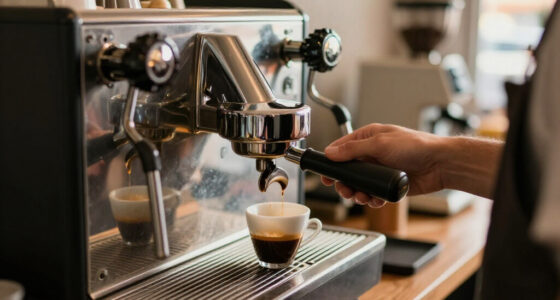
A bottomless portafilter exposes the underside of the espresso basket so you can watch liquid emerge from the coffee puck before it reaches a spout. That makes it easier to see where the first drops appear, whether flow develops evenly, and whether coffee sprays sideways. It offers visibility into extraction, not a direct readout of flavor.
With a spouted portafilter, coffee gathers into one or two channels below the basket. The spouts hide the individual paths through the puck, a bit like putting a lid over a pan while you cook. A bottomless model removes that cover, so how espresso flows becomes easier to observe as the shot develops.
For example, you might see the first drops form near the center, then spread into a connected stream. On another morning, one side may start early while several pinprick streams appear elsewhere. Those patterns give you useful evidence to compare with your dose, grind, and puck preparation—but they do not name the cause by themselves.
Think of the portafilter as a window, not a judge. It can make extraction more obvious by showing irregular flow, but you still need to taste your espresso. A shot can look tidy and taste harsh, or look a little uneven and still taste pleasant. Let your cup, your repeatability, and the visual clues tell the story together.
bottomless portafilter for espresso machine
As an affiliate, we earn on qualifying purchases.
As an affiliate, we earn on qualifying purchases.
Does a bottomless portafilter make espresso taste better?
A bottomless portafilter does not make espresso taste better by itself; it can help you notice preparation problems that you may then correct. The metal and the open underside do not improve the coffee puck, grinder, or recipe. Better taste comes from making a useful adjustment and checking whether the cup improves.
Say your espresso tastes bitter and sprays against the cup. The visible pattern may encourage you to inspect distribution or grind, but a spray is not a flavor diagnosis. Taste the next shot after changing just one thing. If you alter the grind, dose, and tamp all at once, you will not know which change helped or made the shot worse.
This is where visual feedback has real value. A spouted portafilter can hide whether flow begins unevenly; a bottomless version makes that behavior easier to compare from shot to shot. If you repeatedly see the same area start late and your espresso tastes sour or thin, you have a pattern worth investigating—not proof that appearance caused the taste.
Use your senses in the right order: watch for clues, then taste. A shot’s crema color or stream shape can look impressive without tasting balanced. Appearance suggests; flavor confirms. When the coffee tastes good and you can repeat the result, there is no need to keep chasing a perfectly photogenic stream.
Use it as truth serum for visibility, not flavor. The portafilter can expose a problem; only the cup can tell you whether the espresso tastes right.
naked portafilter compatible with [specific espresso machine model]
As an affiliate, we earn on qualifying purchases.
As an affiliate, we earn on qualifying purchases.
How to read spraying, spurting, and uneven flow
A spraying shot often points to uneven flow through the puck, but it does not identify one single fault. Coffee may find a weak path through unevenly prepared grounds, an unsuitable grind, an overfilled basket, or a damaged basket. Loose or incompatible hardware can also create a problem, so check the setup before blaming your tamp.
Imagine a shot that sends one fine jet toward the backsplash after four seconds, while most of the coffee gathers in the cup. That is a clue to inspect puck preparation and basket condition. By contrast, a few stray droplets may be ordinary mess rather than a meaningful pattern. Look for repeatable, forceful spurting, not one isolated bead of coffee.
Different visual behaviors deserve a measured response. A stream that starts on one side can prompt you to check whether your grounds sit evenly. A shot that sprays after the flow begins may point to a weak spot in the puck, but grind and dose still matter. The portafilter shows what happened at the basket; it cannot show every detail of how you prepared it.
Keep a simple note when a problem repeats: dose, grind setting, approximate shot time, what you saw, and how the espresso tasted. If two shots both spray at the edge and taste sharp, investigate one variable at a time. The goal is not to punish every imperfect-looking shot. It is to connect a visible pattern with a repeatable brewing issue.
As an affiliate, we earn on qualifying purchases.
Follow these steps to get useful feedback without making a mess
To use a bottomless portafilter well, prepare the puck consistently, position a stable cup, watch the flow, and make one controlled adjustment after tasting. A tidy setup reduces stray coffee, while a repeatable process makes visual changes easier to interpret. Keep your hands and face away from the exposed basket during brewing because spurting espresso is hot.
- Check the hardware. Confirm the portafilter locks into the group head securely and the basket sits correctly in its rim. Do not brew with a loose fit.
- Prepare the puck evenly. Dose consistently, distribute the grounds carefully, and tamp level. A WDT-style needle tool can help break up clumps, but it cannot guarantee an even extraction.
- Center a wide cup. Put it directly beneath the basket on a stable surface. Leave enough space to catch stray drops without leaning over the machine.
- Watch, then taste. Notice where the first drops appear and whether flow settles, then taste the espresso before deciding that the shot failed.
- Change one variable. Adjust grind, dose, or preparation for the next shot, not all three at once. Compare the result under similar conditions.
For example, if your first shot splashes coffee onto the drip tray, do not move your face closer to inspect it. Center a wider cup for the next attempt, then review your distribution and basket fill. The portafilter should help you learn—not turn every morning into a cleanup exercise.
Keep the machine area clear and wipe stray coffee after brewing, once hot parts are safe to handle. A small mat may protect your counter, but it will not fix uneven flow. Control the process first; contain the mess second.
As an affiliate, we earn on qualifying purchases.
Choose bottomless or spouted based on how you brew
A bottomless portafilter suits you if you want to observe extraction and are willing to tolerate occasional splashes; a spouted portafilter suits you if you value cleaner, easier everyday brewing. Both can make espresso. The better choice depends on whether visible feedback helps you improve enough to justify the extra mess.
| Feature | Bottomless portafilter | Spouted portafilter |
|---|---|---|
| What you see | Flow from the exposed basket | Coffee after it passes through the spouts |
| Useful for | Watching recurring flow patterns | Routine shots and directing coffee into a cup |
| Common downside | Sprays are more exposed when preparation is uneven | Spouts hide individual flow paths |
| Espresso quality | Does not improve it automatically | Does not make it worse automatically |
Picture a new home barista pulling one shot before work. If the grinder is still being dialed in and puck preparation changes every morning, a spouted portafilter may offer a calmer routine. If the same shot keeps tasting inconsistent and the barista wants to compare flow patterns, a bottomless model may add useful feedback.
You can also treat the bottomless version as a learning tool rather than a permanent replacement. Use it during a troubleshooting session, then go back to spouts for a double shot shared between two cups. Neither design is a badge of skill. Choose the tool that improves your routine, not the one that looks most dramatic on a coffee counter.
Check fit and basket safety before you buy
A bottomless portafilter must match your espresso machine’s group-head size and lug geometry, and its basket must seat securely. Portafilters are not universal: a handle that looks close may fail to lock into your machine. If it does not fit firmly, do not use it, because pressurized brewing puts force on the connection.
Before buying, check the machine’s specifications or confirm the exact portafilter size and locking-ear design for your model. Also check the basket diameter and shape. The bottomless design does not inherently require a special extraction basket, but the basket must fit the portafilter and machine properly.
Consider a real kitchen scenario: the handle seems to turn into place, but stops short or feels loose. Do not try to solve that by forcing it or running a test shot. A secure fit matters more than the open underside; an incompatible portafilter is not a safe way to experiment.
Look at the basket condition, too. Dents, damage, or an incorrect fill can affect flow and make visual behavior harder to interpret. Precision baskets and distribution tools may support a consistent workflow, but none guarantees an even extraction. Fit, sound equipment, and repeatable puck preparation matter more than buying a particular portafilter style.
Decide whether the extra visibility is worth it for you
A bottomless portafilter is worth trying when you have a specific question about your shots and can make repeatable changes. It is less useful when you expect the tool itself to fix sour espresso, improve crema, or compensate for an inconsistent grinder. Decide based on the problem you want to solve—not the promise of a prettier stream.
Ask yourself what you will do with the information. If you see repeated spraying, will you inspect distribution, basket fill, grind, and fit? If the shot looks uneven but tastes good, can you leave it alone? Those answers matter because the open basket provides clues, not instructions.
For instance, someone with a stable grinder and several similarly prepared shots may spot a recurring pattern that was hidden by spouts. A beginner who changes grind, dose, and tamp each morning may see a different splash every time and learn little from it. In that case, spending time on consistent preparation may help more than adding another piece of equipment.
Espresso practice increasingly focuses on repeatable puck preparation, grinder consistency, and controlled extraction. WDT-style needles and precision baskets often come up in the same conversation, but none guarantees a good cup. A bottomless portafilter is an observation tool: buy one if observation will change what you do, and skip it if it will only add cleanup.
Frequently Asked Questions
Does a bottomless portafilter make espresso taste better?
No. A bottomless portafilter does not change espresso quality on its own; it can help you spot flow problems and make more informed adjustments. Taste the shot to judge flavor, because stream shape and crema cannot reliably tell you whether it tastes balanced.
Why does espresso spray from my bottomless portafilter?
Spraying often signals uneven flow through the puck, but possible causes include uneven distribution, an unsuitable grind, an overfilled or damaged basket, or a loose fit. Check the hardware and preparation, then adjust one variable at a time to see whether the pattern repeats.
Is a little spraying always a sign of a bad shot?
No. A few stray droplets alone do not prove that a shot is bad. Pay more attention to persistent, forceful spurting, whether it repeats, and how the espresso tastes.
Can a beginner use a bottomless portafilter?
Yes, but the exposed flow can be messy when puck preparation is inconsistent. A spouted portafilter may feel easier for everyday shots, while a bottomless one can help you observe what changes as you practice.
How can I make a bottomless portafilter less messy?
Use a stable, wide cup, center it under the basket, and avoid overfilling. Keep your hands and face clear while brewing, and improve puck preparation if spraying persists; a mat can catch stray coffee but will not fix the cause.
Do I need a special basket for a bottomless portafilter?
Not because it is bottomless. The basket still needs to fit the portafilter and machine securely, and you should inspect it for damage and use a suitable fill.
Will a bottomless portafilter fit every espresso machine?
No. Check the machine’s group-head size and lug design before buying, along with the basket fit. Never brew with a portafilter that does not lock into place securely.
Conclusion
Remember the simplest rule: a bottomless portafilter shows you more, but it does not brew better coffee for you. Use it to investigate patterns, taste every change, and keep your setup secure. If the extra view helps you make repeatable improvements, it earns its place; if it only paints your counter with coffee, go back to the spouts.
Let the cup have the final word—and let the counter stay clean enough for breakfast.
Fall Picks
fall essentials
As an affiliate, we earn on qualifying purchases.