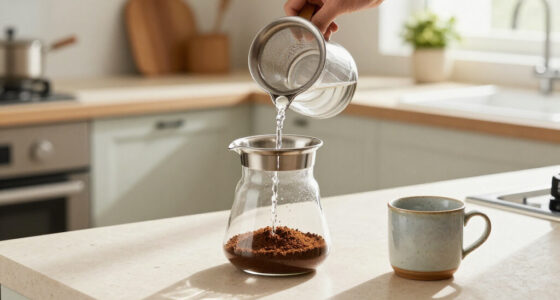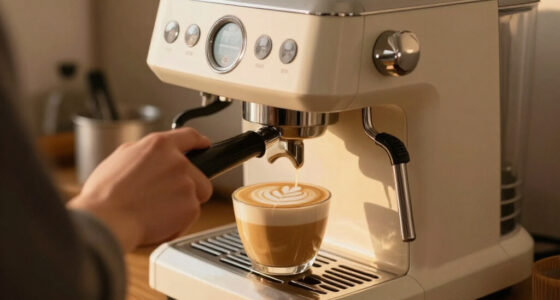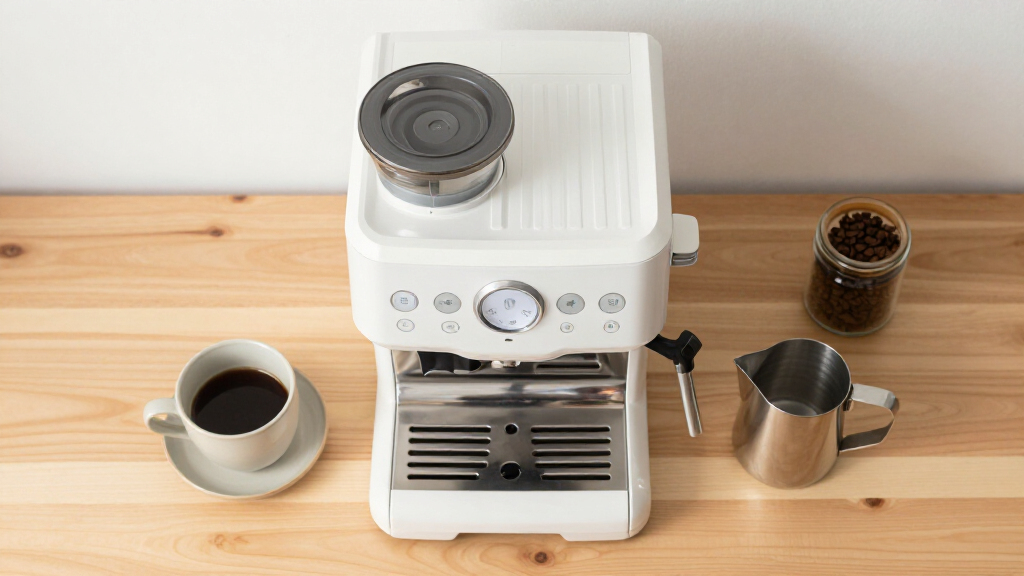

If you’re shopping for electric espresso machines for home, the biggest fork in the road is between pump-driven machines (like the AYCHIRO 20 Bar and Casabrews CM5418) and electric moka pots (like the LAOION and Gourmia), which brew strong coffee but not true espresso. My top overall pick is the AYCHIRO 20 Bar Espresso Machine, because its real pump pressure, pressure gauge, and steam wand deliver café-style shots at a mid-range price. For tighter budgets, the IMUSA Electric Bistro and KEENSTAR 3.5 Bar make respectable lattes without the cost or learning curve. Read on for the full breakdown of all 14 machines and which one fits your counter, budget, and morning routine.

Get coffee and tea gear delivered free with Prime
- Fast, free delivery on millions of items
- Prime Video, Amazon Music and more included
- Member-only deals all year
Complete the kit


Key Takeaways
- True pump-driven espresso only came from the 20-bar machines (AYCHIRO, Atatix, Casabrews-adjacent models) and the 3.5-bar steam machines landed in a middle tier — the electric moka pots, while marketed as espresso makers, produce moka-style coffee instead.
- The AYCHIRO 20 Bar won best overall because it was the only budget machine pairing a pressure gauge with a 37oz removable tank, making it easier to dial in shots than the similar Atatix.
- Half of this lineup (7 of 14 products) is electric moka pots priced under $40 — great value for strong Cuban-style coffee, but buyers wanting crema and milk drinks should skip them entirely.
- The 3.5-bar steam-pressure machines (XIXUBX, KEENSTAR) are the riskiest middle ground: better than moka pots for cappuccinos, but they can’t reach the 9-bar extraction pressure needed for true espresso flavor.
- Build material was a clear quality signal: aluminum moka pots with cool-touch handles (IMUSA red/black, Gourmia beechwood) held up better in design and safety than generic unbranded aluminum models.


| electric espresso machines for home | Material | Capacity | Dimensions |
|---|---|---|---|
| 20 Bar Espresso Machine with M | Stainless steel | — | 5.3 × 12.2 × 11.5 inches |
| LAOION 6-Cup Electric Moka Pot | Food-grade aluminum | 300ml / 6 espresso cups | — |
| IMUSA 4 Cup Electric Bistro Es | Plastic body, glass carafe | 4 cups with glass carafe | — |
| Atatix Espresso Machine with M | Brushed stainless steel | — | 12"D × 5"W × 11"H |
| Gourmia Electric Moka Pot Espr | Food-grade aluminum with beechwood handle | 10 oz / 3 or 6 shots | 6"D × 6"W × 11"H |
| 6-Cup Electric Espresso Coffee | Aluminum alloy with frosted PP shell | 300ml (6 cups) | — |
| Laoion Cuban Coffee Maker | — | 6 or 3 cups (300ml) | — |
| XIXUBX Compact Espresso & Capp | — | — | 8.3"D x 6"W x 11.8"H |
| KEENSTAR 3.5 Bar Espresso Mach | BPA free | Up to 4 cups (240ml) | 13.1"H x 7.7"W x 10"D |
| IMUSA 6 or 3 Cup Electric Espr | Cast aluminum | 3 or 6 cups | — |
| Casabrews CM5418 Compact Espre | Stainless steel | — | — |
| IMUSA 6 or 3 Cup Electric Espr | Cast aluminum | 3 or 6 cups | — |
| AYCHIRO 20 Bar Espresso Machin | — | — | 11.78"D x 5.16"W x 11.93"H |
| LAOION Electric Moka Pot Coffe | BPA-free plastic (upper), stainless steel (lower) | 6 cups (300ml) | 5.12"D x 7.48"W x 10.63"H |
More Details on Our Top Picks
20 Bar Espresso Machine with Milk Frother, Compact Stainless Steel Coffee Maker, 34oz Water Tank, Silver
This machine earns the top spot because it combines true 20-bar pressure with a footprint under 5.5 inches wide, something none of the budget steam-style machines in this roundup can match. Where the IMUSA 4 Cup Bistro relies on 5-bar steam pressure that produces thinner, milder espresso, this model extracts a rich, crema-topped shot that rivals café results. The rapid 20-second preheating means you are not waiting around for morning coffee, and the steam wand produces microfoam dense enough for latte art.
The tradeoff is capacity and workflow: the 34 oz tank runs dry quickly if you brew for guests, and you must let the machine recover between frothing and brewing or the overheat protection kicks in. Compared with the Atatix 20 Bar, this unit heats faster, though its overall build feels less substantial.
Pros:- 20-bar pump delivers rich crema and balanced flavor that budget steam machines cannot match
- Steam wand powerful enough for true microfoam and latte art
- 20-second preheating makes it practical for busy mornings
- Slim 5.3-inch width fits cramped counters and office kitchens
Cons:- Water tank is small for frequent or multi-person brewing
- Overheat protection can interrupt your workflow if you brew immediately after frothing
Best for: Home baristas who want genuine espresso and latte-quality microfoam in a small kitchen or office without paying machine-shop prices
Not ideal for: Households that brew for several people back-to-back — the 34 oz tank and heat-recovery pauses will frustrate high-volume mornings
- Pressure:20 bar
- Water Tank Capacity:34 oz
- Power:1450W
- Preheating Time:Approximately 20 seconds
- Dimensions:5.3 × 12.2 × 11.5 inches
- Material:Stainless steel
- Frothing:Steam wand with microfoam capability
Our verdict“If you want one machine that does real espresso and real milk drinks in a small space, this is the pick that justifies the price jump over steam-based models.”
LAOION 6-Cup Electric Moka Pot, 300ml Portable Espresso Maker
At a fraction of the price of a pump machine, this electric Moka pot delivers strong, traditional Italian-style coffee with almost no learning curve. It will not produce the crema or drinkable-pure espresso that the 20 Bar Stainless Steel machine does — Moka brewing is a different method, using steam pressure closer to what the IMUSA Bistro offers — but for straight shots, cubanos, and milk-coffee drinks, the output is genuinely satisfying. The automatic shut-off is the standout convenience here: unlike stovetop Moka pots, you can walk away without ruining your brew.
The main compromise is precision. There is no steam wand, so cappuccino fans will need a separate frother. And the 300ml capacity means six small espresso-cup servings, not six mugs, so it suits one or two drinkers rather than a brunch crowd.
Pros:- Automatic shut-off makes brewing nearly hands-off and safe
- Authentic Italian Moka flavor at a very low price point
- Food-grade rust-proof aluminum heats evenly and cleans easily
- Compact and portable enough for small apartments, dorms, and travel
Cons:- No steam wand or frothing capability for milk drinks
- Small 300ml yield limits it to one or two coffee drinkers per session
Best for: Budget-conscious drinkers who want authentic Moka-style espresso with zero fuss and no stovetop required
Not ideal for: Latte and cappuccino lovers who need milk frothing built in, or anyone expecting true pump-extracted espresso with crema
- Capacity:300ml / 6 espresso cups
- Brew Method:Electric Moka (steam pressure)
- Material:Food-grade aluminum
- Auto Shut-Off:Yes
- Stovetop Required:No
- Frothing:None
Our verdict“The cheapest credible path to strong, traditional espresso at home — as long as you accept that milk drinks and crema are out of scope.”
IMUSA 4 Cup Electric Bistro Espresso Cappuccino Coffee Maker, Silver
This IMUSA is the machine I would hand to someone making their first espresso drinks at home, because it removes the variables that trip up newcomers. The simple three-option knob and glass carafe make the process visual and forgiving — you can see exactly how much coffee you have brewed. Compared with the semi-automatic Atatix or the 20 Bar compact machine, there is no pressure technique to master, though that simplicity comes at a cost in the cup.
The 5-bar steam pressure produces milder, less concentrated coffee than 20-bar machines, closer to strong drip than true espresso. The steam nozzle does froth milk, but it takes practice and never reaches microfoam territory. The plastic body is also less durable than the stainless steel alternatives in this lineup. Still, for the price and the gentle learning curve, it is a sensible first step before committing to a pump machine.
Pros:- Simple knob operation and glass carafe make brewing nearly foolproof
- Brews espresso, cappuccino, and latte with included steam nozzle
- Removable drip tray and carafe simplify cleanup
- Very affordable entry point for trying espresso drinks at home
Cons:- 5-bar steam pressure produces weak crema and mild extraction
- Plastic construction is less durable than stainless competitors
Best for: First-time espresso drinkers who want an easy, low-cost intro to home cappuccinos and lattes
Not ideal for: Anyone who already knows they want authentic, crema-rich espresso — the 5-bar pressure falls well short of pump-machine results
- Capacity:4 cups with glass carafe
- Pressure:5 bar
- Frothing:Stainless steel steam nozzle
- Controls:3-option knob
- Material:Plastic body, glass carafe
- Removable Parts:Drip tray
- Color:Silver
Our verdict“A low-risk starter machine that teaches the basics of espresso and frothing, best treated as a stepping stone rather than a destination.”
Atatix Espresso Machine with Milk Frother, 20 Bar Pressure
The Atatix sits in an interesting middle ground: it offers the same 20-bar pump pressure as my top pick but adds manual extraction control, letting you stop and start the shot to dial in strength. That makes it better suited than the 20 Bar Stainless Steel machine for someone who wants to experiment and grow as a home barista, rather than just press a button. The brushed stainless finish and 7.5-pound frame also give it a more planted, premium feel on the counter.
The flip side is that semi-automatic operation demands skill — grind size, dose, and extraction time all affect the result, and beginners will likely pull inconsistent shots at first. While the IMUSA Bistro is more forgiving, it cannot touch this machine’s ceiling. Build-quality reports are mixed, so check recent reviews before buying, and the 1350W draw may matter on older kitchen circuits.
Pros:- Manual extraction control allows dialing in shot strength and volume
- 20-bar pump produces rich espresso with solid crema
- Detachable water tank and drip tray make cleaning straightforward
- Brushed stainless steel build looks and feels more premium than plastic rivals
Cons:- Semi-automatic operation requires technique and consistent grinder quality
- Reported build-quality variability makes durability a gamble
Best for: Aspiring home baristas who want manual shot control and room to improve without jumping to pro-level pricing
Not ideal for: Set-and-forget coffee drinkers who just want a quick cup — the manual workflow adds time and a real learning curve
- Operation Mode:Semi-automatic
- Pressure:20 bar
- Wattage:1350W
- Voltage:120V
- Dimensions:12″D × 5″W × 11″H
- Weight:7.5 pounds
- Material:Brushed stainless steel
- Frothing:Steam wand for microfoam
Our verdict“The best choice if you see espresso as a hobby and want hands-on control — skip it if you just want caffeine fast.”
Gourmia Electric Moka Pot Espresso Maker – 6 Shot Italian-Style Coffee Brewer, 550W, Food-Grade Aluminum, Beechwood Handle
Compared with the LAOION 6-Cup Moka Pot, the Gourmia is the more refined take on electric Moka brewing. Its standout feature is flexible capacity: with the included sieve, you can brew 3 or 6 shots, so a solo drinker is not forced to make a full pot. The cool-touch beechwood handle is not just aesthetic — it makes pouring immediately after brewing safe, where all-aluminum Moka pots get dangerously hot to grip.
The 550W base heats steadily and evenly, and the aluminum body delivers the classic Moka flavor profile that steam machines like the IMUSA Bistro approximate but never quite nail. What you give up is scale and milk capability: the 10 oz maximum suits one or two people, and like all Moka pots in this roundup, there is no steam wand. It also needs an outlet, so campers and travelers should look elsewhere.
Pros:- Brews 3 or 6 shots using the included sieve for flexible batch sizes
- Cool-touch beechwood handle allows safe pouring right after brewing
- Even-heating aluminum body produces classic Moka flavor
- Simple electric design with no stovetop or open flame required
Cons:- 10 oz capacity is too small for group settings
- Tethered to an outlet, limiting portability compared with stovetop Moka pots
Best for: Moka-style coffee drinkers who brew for themselves most days and want variable batch size with safer handling
Not ideal for: Families or hosts brewing for groups — 10 oz caps you at two modest servings per cycle
- Wattage:550W
- Voltage:120V
- Capacity:10 oz / 3 or 6 shots
- Material:Food-grade aluminum with beechwood handle
- Dimensions:6″D × 6″W × 11″H
- Weight:16 ounces
- Brew Method:Electric Moka (steam pressure)
Our verdict“The most polished electric Moka option here for solo drinkers who value batch flexibility and safe handling over volume.”
6-Cup Electric Espresso Coffee Maker 300ml Aluminum Black
This pick makes the most sense for buyers who want stovetop-style moka coffee without the stove. The 480W heating element brews a full 300ml batch quickly, and the frosted PP shell over the aluminum body keeps the exterior cooler than bare-metal alternatives like the Gourmia Electric Moka Pot, which relies on a beechwood handle instead. Compared with the IMUSA Red model, the all-black finish here is more understated, though the IMUSA offers a detachable base and cool-touch handle that make serving easier. The real tradeoff: assembly requires care. Seat the gasket properly or steam escapes mid-brew, which is the most common failure point for this style of machine.
Pros:- Brews a full 6-cup (300ml) batch in one go
- Safety valve and overheating protection built in
- Disassembles easily for cleaning
- No stovetop required — just plug in and brew
Cons:- Careless assembly causes steam leaks
- No steam wand or milk frothing capability
- Requires practice to get consistent results
Best for: Moka pot fans who want traditional Cuban or Italian-style coffee with the convenience of plug-in brewing and no stovetop needed
Not ideal for: Buyers who want true high-pressure espresso or milk drinks — this has no steam wand and produces moka-strength coffee only
- Capacity:300ml (6 cups)
- Material:Aluminum alloy with frosted PP shell
- Power:480 watts
- Color:Black
- Brew Type:Moka / Italian-style espresso
- Plug:US plug
Our verdict“A solid plug-in moka pot for traditional espresso-style coffee drinkers who value simplicity over features.”
Laoion Cuban Coffee Maker, 6 or 3-Cup Electric Espresso Coffee Maker
What separates the Laoion from every other moka-style maker in this lineup is its transparent upper chamber. Watching the coffee rise takes the guesswork out of brewing — you know exactly when to cut power, which the black aluminum 6-cup model above can’t offer. The two capacity options (3 or 6 cups) also give flexibility the Gourmia doesn’t. The automatic shut-off adds a layer of safety that manual moka pots lack. That said, the plastic upper chamber means this feels less premium than cast-aluminum builds like the IMUSA, and overfilling the water chamber is the mistake most likely to cause leaks. This option stands out for first-time electric moka buyers who want visual feedback while learning the process.
Pros:- Transparent top lets you monitor the brew in real time
- Automatic shut-off prevents overheating
- BPA-free, food-grade materials throughout
- Choice of 3 or 6 cup capacity
Cons:- Overfilling water causes leaking
- Plastic upper chamber feels less durable than cast aluminum
- Small serving sizes only
Best for: Beginners who want to see exactly when their coffee is done brewing and prefer a set-and-forget auto shut-off
Not ideal for: Anyone brewing into large mugs or making milk drinks — servings are small espresso portions with no frothing capability
- Capacity:6 or 3 cups (300ml)
- Upper Chamber:BPA-free heat-resistant plastic
- Lower Chamber:Food-grade aluminum
- Auto Shut-off:Yes
- Transparency:Transparent top for brew monitoring
- Brew Type:Cuban / Italian-style espresso
Our verdict“The friendliest electric moka pot here for newcomers who want visibility and safety over premium build quality.”
XIXUBX Compact Espresso & Cappuccino Machine, 3.5 Bar with Steam Wand
At 3.3 pounds and just 6 inches wide, this is the most portable true espresso machine in the batch — it slips into spaces the KEENSTAR (4.7 lbs, 7.7 inches wide) can’t. The inclusion of a steam wand at this size is the main draw, letting you make cappuccinos without graduating to a bulkier 20 Bar machine like the AYCHIRO. The honest tradeoff is pressure: 3.5 bar won’t produce the crema or intensity of 15-20 bar machines, so purists will find the shots milder. One-knob control keeps operation genuinely simple, though mastering microfoam on a wand this small takes practice. This model is better suited to dorm rooms, RVs, and tiny apartments than to anyone chasing café-quality espresso.
Pros:- Genuinely tiny footprint at 6 inches wide and 3.3 pounds
- Steam wand enables cappuccinos and latte art
- Single-knob operation is beginner friendly
- Includes BPA-free Tritan cup and 1-year warranty
Cons:- 3.5 bar pressure yields milder, less crema-rich espresso
- No digital controls or programmability
- Microfoam technique has a learning curve
Best for: Small-space dwellers, dorm residents, and RV travelers who want espresso plus milk frothing in the smallest possible footprint
Not ideal for: Espresso purists expecting rich crema and full 9-bar-plus intensity — the low pressure produces noticeably milder shots
- Extraction Pressure:3.5 bar
- Power:800W fast heating
- Dimensions:8.3″D x 6″W x 11.8″H
- Weight:3.3 lbs
- Steam Wand:Yes, microfoam capable
- Included Cup:BPA-free Tritan
- Warranty:1 year
Our verdict“The pick for minimal-counter-space households that refuse to give up milk-based coffee drinks.”
KEENSTAR 3.5 Bar Espresso Machine 800W, Compact 4-Cup Espresso Maker
The KEENSTAR hits a practical sweet spot between the bare-bones moka pots and the pricier 20 bar machines. It brews up to 4 cups in about 2 minutes and includes a steam wand, so it handles lattes and cappuccinos the IMUSA Red and Laoion simply can’t. Compared with the XIXUBX, it’s larger and heavier but gives you a bigger effective serving capacity and a more stable base for frothing. It shares the same 3.5 bar limitation, so expect coffee closer to strong drip than true espresso — that’s the price of this tier. Daily steam wand cleaning is non-negotiable, and it works best with medium grounds; fine espresso roasts can clog the filter.
Pros:- Brews 1-4 cups in roughly 2 minutes
- Steam wand handles frothing and latte art
- Space-saving footprint for a wand-equipped machine
- Simple controls anyone can operate immediately
Cons:- Steam wand needs prompt cleaning after every use
- Performs best only with medium ground coffee
- No digital display or advanced settings
Best for: Budget-minded buyers who want a steam wand for cappuccinos and lattes without paying for 20-bar machine pricing
Not ideal for: Anyone wanting authentic 9-bar espresso intensity or programmable, display-driven controls
- Power:800W
- Pressure:3.5 bar
- Capacity:Up to 4 cups (240ml)
- Dimensions:13.1″H x 7.7″W x 10″D
- Weight:4.7 pounds
- Steam Wand:Yes
- Material:BPA free
Our verdict“The most affordable path here to both espresso-style coffee and frothed milk drinks in one machine.”
IMUSA 6 or 3 Cup Electric Espresso Coffee Maker with Cool-touch Handle, Red
Compared with the black aluminum 6-cup model, the IMUSA trades minimalist looks for genuine usability upgrades: a cool-touch handle, a detachable base so you can carry the pot to the table without the cord, and a proper on/off switch. Those details matter if kids are around or you brew for guests. The cast aluminum construction feels sturdier than the Laoion’s plastic upper chamber, though you lose the Laoion’s brew visibility. Like all moka pots here, output is small-batch — up to 6 espresso-sized cups, no milk frothing. The retro red finish is charming to some and dated to others, especially next to the stainless 20 Bar machines elsewhere in this roundup. This pick makes the most sense for traditionalists who value safe handling over modern styling.
Pros:- Cool-touch handle and on/off switch improve safety
- Detachable base allows cordless table serving
- Durable cast aluminum construction
- Handles espresso, Cuban, Italian, and Moka styles
Cons:- Small-batch brewing only — 6 cups maximum
- Retro red design may clash with modern kitchens
- Fully manual operation with no automation
Best for: Households that brew Cuban or Italian-style coffee regularly and want safe handling, a detachable base, and cordless serving
Not ideal for: Buyers wanting a modern stainless look, milk-based drinks, or brewing beyond 6 small cups at a time
- Capacity:3 or 6 cups
- Material:Cast aluminum
- Color:Red with black base
- Brew Type:Espresso, Cuban, Italian, Moka
- Handle:Cool-touch
- Base:Detachable with on/off switch
- Use Cases:Home, travel, office
Our verdict“The safest and most practical electric moka pot in this batch for traditional coffee drinkers who serve at the table.”
Casabrews CM5418 Compact Espresso Machine with Milk Frother
The Casabrews CM5418 carves out its spot by pairing a 20-bar pump with a footprint small enough for cramped counters, something bulkier semi-automatics can’t claim. Compared with the AYCHIRO 20 Bar, the Casabrews offers a slightly smaller 34 oz tank but a more polished stainless build that feels less like a budget appliance on the counter. The steam wand is genuinely capable of latte-art-quality microfoam once you get the hang of it, though that learning curve is real. The biggest tradeoff here is the classic single-boiler limitation: after frothing milk, you have to wait for the unit to cool before pulling another shot, which slows things down when you’re making multiple drinks. There’s no grinder either, so budget for a separate one if you want fresh grounds.
Pros:- Compact stainless design fits tight counters and looks premium
- 20-bar pressure delivers rich, crema-topped espresso
- Powerful steam wand capable of microfoam for latte art
- Removable 34 oz tank makes refills and cleaning painless
Cons:- Must cool down after steaming before brewing again
- Milk texturing takes practice to master
- No built-in grinder means a separate purchase for fresh grounds
Best for: Small-kitchen dwellers and apartment renters who want real milk-based espresso drinks without sacrificing counter space
Not ideal for: Households making back-to-back drinks for guests — the cool-down period between frothing and brewing makes batch orders tedious
- Pressure System:20 bar
- Power:1350 W
- Water Tank Capacity:34 oz
- Frothing System:Steam wand
- Material:Stainless steel
- Best For:Espresso, lattes, cappuccinos
Our verdict“Buy this if you want the best balance of size, power, and milk-drink capability under a compact footprint — skip it if you regularly serve a crowd.”
IMUSA 6 or 3 Cup Electric Espresso Maker with Cool-touch Handle, Black
The IMUSA Electric Espresso Maker isn’t chasing barista credentials — it’s an electric moka pot, and it owns that identity. Where the Casabrews CM5418 pulls pressure-driven shots with crema, the IMUSA brews the strong, concentrated coffee that Cuban, Italian, and Moka drinkers actually want, without a portafilter or steam wand to fuss over. The cool-touch handle and visual brewing indicator make it safer and more forgiving than a stovetop moka pot, and the cast aluminum body feels built to last years. The tradeoff is fundamental: no steam wand means no cappuccinos or lattes from this machine alone, and you’re limited to 3 or 6 cup batches. It’s manual, too — measuring grounds, water, and timing are all on you. For traditionalists, that’s the appeal; for latte lovers, look elsewhere in this lineup.
Pros:- Brews authentic Cuban, Italian, and Moka-style coffee
- Durable cast aluminum construction built to last
- Cool-touch handle and visual indicator improve safety
- Versatile 3 or 6 cup capacity options
Cons:- No steam wand or milk frothing capability
- Fully manual operation — measuring and timing are up to you
- Capacity caps out at 6 cups for larger gatherings
Best for: Fans of Cuban, Italian, or Moka-style coffee who want stovetop flavor with electric convenience and safety
Not ideal for: Milk-drink drinkers — there’s no frothing capability, so lattes and cappuccinos are off the menu without a separate frother
- Capacity:3 or 6 cups
- Material:Cast aluminum
- Color:Black with brown tinted carafe
- Handle:Cool-touch
- Base:Detachable
- Controls:On/off switch with visual brewing indicator
- Coffee Styles:Espresso, Cuban, Italian, Moka
Our verdict“This is the pick for traditional strong-coffee drinkers who value simplicity and durability over espresso-bar versatility.”
AYCHIRO 20 Bar Espresso Machine with Pressure Gauge
What separates the AYCHIRO from the crowded field of budget 20-bar machines is its pressure gauge — a feature the Casabrews CM5418 doesn’t offer. That gauge turns brewing into a feedback loop: you can see whether your grind and tamp are dialing in correctly, which makes this the smarter choice for someone actively learning espresso technique rather than just pressing a button. Its slim 5.16-inch width is even narrower than most competitors, fitting spots other machines can’t. The compromises are honest ones — it only handles 2 cups per cycle, takes ground coffee only (no pods), and skips any digital display or programmable settings. Compared with the IMUSA moka-style brewer, the AYCHIRO delivers true pressure-extracted espresso with crema, but demands more skill and patience to get there.
Pros:- Pressure gauge provides real feedback for improving technique
- 20-bar pump produces rich, crema-topped shots
- Slim 5.16-inch width fits the tightest counters
- Includes steam wand, portafilter, and accessories out of the box
Cons:- Only brews 2 cups per cycle
- Ground coffee only — no pod compatibility
- No digital display or programmable controls
Best for: Aspiring home baristas who want visible pressure feedback to practice and refine their shot technique
Not ideal for: Set-and-forget coffee drinkers — the manual dialing-in process and lack of digital controls will frustrate anyone who just wants a quick cup
- Pressure:20 bar
- Wattage:1350 watts
- Voltage:120 volts
- Water Tank Capacity:37 oz
- Operation Mode:Semi-Automatic
- Dimensions:11.78″D x 5.16″W x 11.93″H
- Includes:Steam wand, portafilter, coffee scoop
Our verdict“Choose this if you want to learn espresso as a skill with pressure feedback guiding you; avoid it if convenience outranks craft in your kitchen.”
LAOION Electric Moka Pot Coffee Espresso Machine, 6-Cup Cuban Coffee Maker
The LAOION Electric Moka Pot competes directly with the IMUSA Electric Espresso Maker, and the difference comes down to design philosophy. Where the IMUSA leans on traditional cast aluminum, the LAOION uses a transparent upper chamber that lets you watch the brew climb — genuinely useful for judging strength and avoiding over-extraction. The auto shut-off is another practical edge: walk away and it stops itself, something stovetop moka pots and even the IMUSA don’t handle as gracefully. At 480 watts it’s modest, but that’s all a moka brew needs. The downsides mirror its rival — 6 cups max, manual filling that demands care to prevent leaks at the seal, and no milk frothing of any kind. It’s cheaper and more travel-friendly than the AYCHIRO, but it brews a fundamentally different drink.
Pros:- Transparent top lets you monitor brewing progress in real time
- Auto shut-off adds safety for distracted mornings
- BPA-free materials and reusable filter
- Compact and portable for travel or small kitchens
Cons:- Limited to 6 cups — not practical for groups
- Careless water or coffee filling can cause leaks
- Manual operation takes practice to perfect results
Best for: Budget-minded Cuban coffee drinkers and travelers who want foolproof brewing with auto shut-off and visual monitoring
Not ideal for: Anyone expecting true pressure-extracted espresso or milk drinks — this brews moka-style coffee only, with no steam wand
- Capacity:6 cups (300ml)
- Wattage:480 watts
- Voltage:120 volts
- Material:BPA-free plastic (upper), stainless steel (lower)
- Dimensions:5.12″D x 7.48″W x 10.63″H
- Operation Mode:Manual
- Safety Features:Auto shut-off, detachable base
- Filter:Reusable
Our verdict“Grab this if you want the easiest, safest path to daily Cuban-style coffee on a budget — pass if you need capacity or milk-based drinks.”
How We Picked
I ranked these 14 machines by brewing method first, because it determines everything else: whether you get real espresso with crema, steam-pressure coffee, or moka-style concentrate. Only machines with a 15–20 bar pump qualified for the top spots, since 9 bars of stable extraction is the baseline for authentic espresso. Next I weighed milk-steaming capability, because most home buyers want lattes and cappuccinos, not just straight shots — machines with a proper steam wand outranked those with basic frothers or none at all.
After that, I scored each machine on usability and daily-life details: tank size and removability, heat-up time, counter footprint, and how forgiving the machine is for beginners. Value for money broke ties — a $35 electric moka pot can be a five-star purchase for what it is, while a $150 machine with the same limitations would rank poorly. Finally, I factored in build quality and brand track record, which is why the IMUSA and Gourmia moka pots placed ahead of nearly identical unbranded competitors.
Factors to Consider When Choosing Electric Espresso Machines For Home
Before picking a specific machine, it helps to understand what actually separates a $35 electric moka pot from a $150 semi-automatic — and where the marketing gets fuzzy. These are the factors I’d weigh before spending anything.Pump Pressure vs. Steam Pressure vs. Moka Brewing
This is the single most misunderstood distinction in the category, and it explains most of the price spread. Real espresso requires roughly 9 bars of stable pressure forced through finely ground coffee in 25–30 seconds, which only a pump machine can achieve. The 3.5-bar machines use steam pressure, which produces a strong, somewhat bitter brew that falls between drip coffee and espresso. Electric moka pots use roughly 1.5 bars of steam to push water up through the grounds — delicious for Cuban-style cafecito, but structurally a different drink with no crema. If a listing says “espresso maker” without mentioning pump bars, read the fine print before assuming you’ll get café results.
How You Actually Drink Your Coffee
Match the machine to your habits, not your aspirations. If you drink mostly milk drinks, a steam wand matters more than raw pump pressure, and machines like the AYCHIRO or XIXUBX earn their spot. If you drink straight shots or cortaditos, an electric moka pot is arguably the better cultural and flavor fit, not a compromise. Buyers who make one or two cups a day will find a 34–37oz tank pointless, while households making back-to-back drinks will hate refilling a small moka pot each round. The most common buying mistake I see is paying for a 20-bar machine and then only using it for the kind of coffee a $40 moka pot makes better.
Counter Space and Power Requirements
Footprint and wattage vary more than you’d expect across this price band. Pump machines run 1350W or more, which can strain older kitchen circuits if you’re running a toaster at the same time, and they need clearance for a cup and steam wand operation. Electric moka pots are compact and travel-friendly — the LAOION models are genuinely portable — but they take up a stovetop-style footprint and brew in fixed batch sizes (3-cup or 6-cup) with no way to make a single shot. Measure your counter and check the batch sizes before buying, because a “6-cup” moka pot can’t brew less than its full capacity without throwing off the extraction.
Materials, Safety, and Longevity
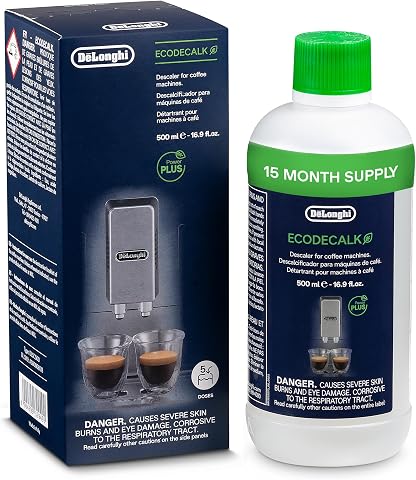
In the moka pot tier, material quality is where cheap models cut corners. Look for food-grade aluminum, sealed safety valves, and a cool-touch or insulated handle — the IMUSA cool-touch models and Gourmia’s beechwood handle exist precisely because burned fingers are the most common moka complaint. For pump machines, check whether the portafilter is pressurized (forgiving, beginner-friendly) and whether the tank and drip tray remove easily for cleaning, since daily rinsing is what keeps a budget machine alive past year two. Descaling requirements differ too: pump machines need scheduled descaling, while moka pots just need a rinse and occasional gasket replacement, which costs a few dollars.
The Learning Curve Question
Be honest about how much technique you want to learn. Semi-automatic pump machines demand grind sizing, dose weighing, and tamping practice — the first two weeks often produce worse coffee than a moka pot until you dial in. That’s exactly why the AYCHIRO’s pressure gauge is a differentiator: it gives feedback that shortens the learning curve. Steam-pressure and moka-style machines are nearly foolproof, with a fill line and a single button. Beginners who want espresso-quality output with zero technique should accept a tradeoff somewhere — either money (forgiving machine), effort (learning curve), or expectation (moka coffee instead of espresso).
When to Pay More — and When Not To
In this category, the meaningful jump happens between roughly $50 and $150: below that you’re choosing between brewing methods at similar build quality, while above it you get real pumps, gauges, and better steam. Paying more makes sense if you drink milk drinks daily, since a weak steam wand is the number-one regret among budget buyers. It doesn’t make sense if you primarily brew strong black coffee — a $35 Gourmia or IMUSA moka pot will outlive most budget pump machines and brew a drink many people prefer. The worst-value zone is the $60–80 steam-pressure machine that costs moka-pot money but can’t deliver pump results; either go cheaper or go all the way to a 20-bar machine.
Frequently Asked Questions
Are electric moka pots actually espresso machines?
Not in the technical sense, despite how they’re marketed. Espresso requires around 9 bars of pump-driven pressure, while electric moka pots generate roughly 1.5 bars of steam pressure that pushes water up through the grounds. The result is a rich, concentrated coffee that’s excellent for Cuban-style cafecito, cortaditos, and milk drinks, but it won’t produce the crema or layered flavor of true espresso. If you love strong coffee and value simplicity, that distinction may not matter to you at all — but if you specifically want espresso shots, you’ll need a pump machine like the AYCHIRO or Atatix.
Is a 3.5-bar espresso machine good enough for lattes and cappuccinos?
For milk drinks specifically, a 3.5-bar machine like the XIXUBX or KEENSTAR can work reasonably well, because the milk and syrup carry most of the drink. The steam wand produces textured milk, and the coffee base is strong even if it lacks true espresso depth. Where these machines fall short is straight shots and milk-light drinks like cortados, where you’ll taste the difference from under-extraction. They’re a sensible choice if lattes are 90% of your routine and you want to spend under $60 — just don’t expect café-quality espresso flavor to shine through the milk.
Does 20 bars of pressure actually mean better espresso than 15 or 9 bars?
The big bar numbers on the box are mostly marketing. Espresso is extracted at roughly 9 bars at the puck; a 20-bar pump gives the machine headroom to maintain that stable 9 bars even as the pump ages or the grind resists. What matters more is whether the machine has a real pump at all, and whether it gives you feedback to dial in — which is why the AYCHIRO’s pressure gauge earns it the top spot over equally powerful machines without one. If you see a machine advertising only 3.5 or 5 bars, that’s a steam-pressure unit, which is a genuinely different brewing method, not a weaker version of the same thing.
Which of these machines is best for a small kitchen or dorm room?
The electric moka pots are the clear winners for tight spaces — the LAOION 6-cup and Gourmia models take up less room than a blender and need no clearance for a steam wand. Among the pump machines, the Casabrews CM5418 and Atatix are the most compact while still offering real pressure and milk frothing, though you’ll still want several inches of clearance above the cup. Also check wattage for dorm situations: many dorms cap appliances at 600–700W, which rules out the 1350W AYCHIRO but fits the 550W Gourmia moka pot. Portability matters too — the LAOION models are light enough to travel with, which no pump machine can claim.
How much maintenance do these machines require?
Maintenance burden splits cleanly along brewing-method lines. Electric moka pots need a rinse after each use, an occasional gasket and filter replacement (a few dollars every year or so), and you should never run them dry — that’s the main way people ruin them. Pump machines need daily wiping of the portafilter and steam wand, immediate purging of the wand after milk steaming, and descaling every one to three months depending on your water hardness. Steam-pressure machines sit in between, with descaling being the main recurring task. If you know you won’t keep up with descaling, a moka pot will honestly serve you better than a neglected pump machine that clogs within a year.
Conclusion
After comparing all 14 machines, the right choice comes down to what you’re actually brewing. For best overall, the AYCHIRO 20 Bar Espresso Machine pairs true pump pressure with a pressure gauge and full-size steam wand, making it the most capable all-around machine here. For best value, the Gourmia Electric Moka Pot and IMUSA Cool-Touch models deliver years of strong, reliable coffee for under $40. The Atatix 20 Bar takes best premium honors among the pump machines with its frothing power and build, while the KEENSTAR 3.5 Bar is my best for beginners pick thanks to its one-step operation and forgiving design.
For specific needs: choose the LAOION 6-Cup or Laoion Cuban Coffee Maker if you want traditional cafecito with push-button convenience; pick the Casabrews CM5418 for a compact pump machine in a small kitchen or office; and grab the XIXUBX if you want cappuccinos on the tightest possible budget with a real steam wand. Whatever you pick, buy for the coffee you actually drink each morning — not the one you think you might start drinking someday.
Fall Picks
fall essentials
As an affiliate, we earn on qualifying purchases.