
TL;DR

Get coffee and tea gear delivered free with Prime
- Fast, free delivery on millions of items
- Prime Video, Amazon Music and more included
- Member-only deals all year
Repeated grinding can warm a grinder’s motor, burrs, and nearby parts, and heat may affect coffee aroma, grind behavior, or dose consistency. The effect varies by grinder and workload; there is no universal temperature at which coffee turns bad. During a rush, keep your recipe steady, track shot time and taste, and compare warm-up performance before blaming heat.
The espresso tastes bright at 7:00, then flatter at 8:15, even though you are using the same beans. A warmer grinder could be part of the story, but the clock alone cannot tell you why the shot changed. Grinder heat can affect coffee flavor and consistency, especially when a café is making drink after drink, yet it is only one of several moving parts.
Grinding creates friction, and repeated doses can warm the motor, burrs, and surrounding components. That heat may influence aroma or how consistently the grinder produces and dispenses coffee. The impact depends on your grinder, beans, setting, dose, and pace of work; a warm grinder does not automatically make bad coffee.
This guide shows you what heat can change, how to spot the difference during a busy morning, and how to test your own setup without guessing. You will leave with a simple service routine that keeps your attention on the cup, where the evidence is easiest to taste.
Repeated grinding can warm the motor, burrs, and nearby parts, but the amount varies by grinder and workload.
Heat may affect aroma or grind behavior; a warm grinder does not automatically make coffee taste burnt.
Espresso can reveal small shifts through shot time and flavor, but dose, puck preparation, freshness, and humidity can also cause changes.
Compare the same beans, dose, recipe, and brewing conditions before and after a rush to look for a repeatable warm-up pattern.
Keep burrs clean, follow operating guidance, and make one measured adjustment at a time.
Coffee science / Service guide
Why Grinder Heat Matters During Busy Mornings
A grinder that has been working nonstop may feel different from the one at opening. Learn what warmth can change, what else affects the cup, and how to test your setup during service.
01 / What warmth can do
Heat is a clue, not a verdict
Repeated grinding can warm the motor, burrs, and nearby parts. The coffee’s exposure is brief, so flavor changes are possible but not guaranteed.
Less vivid notes
Warmth may help volatile aromas fade sooner. Air exposure and time between grinding and brewing can also dull the first fragrant burst.
Small shifts matter
Changing conditions may coincide with grind distribution or dose behavior shifts. The effect varies by grinder and is not universal.
Not automatically burnt
A bitter or flat espresso can also reflect stale beans, a dirty burr chamber, recipe mismatch, or a shot that ran too long.
02 / Read the rush
Espresso makes small changes easier to spot
Espresso relies on a concentrated brew and a relatively narrow recipe range. A small grind or dose shift can change shot time and taste.
If a shot begins running faster and tastes thinner, check dose and puck preparation, then make one measured grind adjustment. Flow alone does not prove heat caused the change.
Variables to check / relative attention
Illustrative checklist, not measured data or a ranking. Grinder design, workload, coffee, and service conditions all matter.
03 / A repeatable test
Separate warm-up from a recipe change
A fair comparison holds the coffee and brew conditions steady. Record what changed, then repeat before drawing a conclusion.
At opening
Note beans, dose, grind setting, usual shot time, and a few taste descriptors.
After the rush
Use the same beans and recipe. Record shot time, aroma, taste, and any adjustment.
Look for a pattern
Compare again after similar use. One changed cup cannot isolate the cause.
Check the grinder
Keep burrs clean, check calibration, and follow the maker’s operating guidance.
Change one thing at a time. If dose, grind, and tamp all change together, the next shot cannot tell you which adjustment helped.
04 / From observation to action
Make the cup your evidence
How grinder heat builds while you make drink after drink
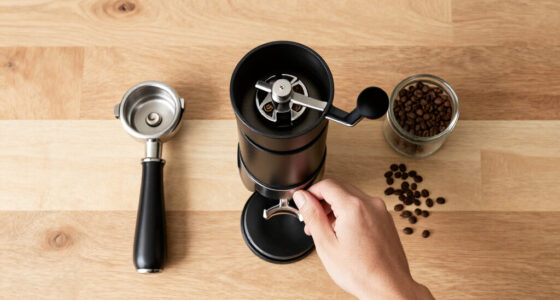
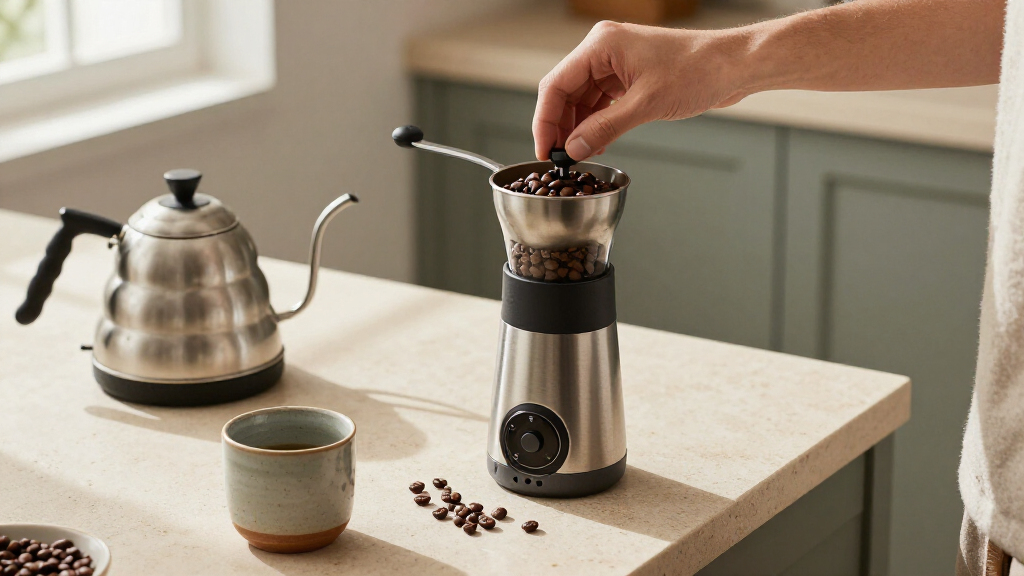
Grinder heat is warmth generated by friction and the motor as beans pass through the burrs; repeated use can leave the grinder warmer than it was at opening. During a rush, the machine may get little time to cool between doses, though how much warmth builds depends on the grinder design and workload. There is no universal temperature threshold that tells you when coffee will taste different.
Think of the grinder like a bicycle wheel spinning under load: the motion itself creates friction, and the parts doing the work warm as they keep moving. A home grinder making two coffees has a different workload from a café grinder grinding back-to-back doses for an hour. If you notice the grinder body feels warmer, that is a clue about its operating conditions, not proof that the coffee has overheated.
The coffee’s exposure to heat is brief. That makes dramatic flavor changes less certain than they may sound, and the effect can vary with bean, grind setting, and how quickly you brew after grinding. Warm parts, fresh beans, and a changing pace may all coincide during service, so one observation cannot isolate the cause.
For example, a café opens with a cool grinder and pulls several slow shots. Later, after a line forms, the motor runs more often and the barista changes the grind to keep the recipe on track. Heat could contribute, but the adjustment itself, bean age, or humidity might also explain a change in taste. Workload is a reason to pay attention, not a diagnosis.
espresso grinder temperature gauge
As an affiliate, we earn on qualifying purchases.
As an affiliate, we earn on qualifying purchases.
What grinder heat can change in flavor and the cup
Grinder heat can affect coffee flavor by warming beans or grounds enough to make volatile aroma compounds escape more quickly, which may leave a cup less vivid. The practical effect varies, and the short time between grinding and brewing makes it unwise to assume every warm grinder causes a noticeable loss. Heat is a possibility, not a flavor verdict.
Freshly ground coffee often smells sweet, nutty, or floral before it reaches the portafilter. If a rush leaves grounds sitting while you steam milk and clear cups, their aroma can fade for reasons that include exposure to air as well as warmth. Think of the aroma like steam rising from a bowl of soup: the longer it sits uncovered, the less of that first fragrant burst reaches you.
That analogy has limits. Coffee is not soup, and grinder heat does not simply cook the grounds or make every shot taste burnt. A bitter or dull espresso can also come from a recipe mismatch, stale coffee, a dirty burr chamber, or an extraction that ran too long. A shot that tastes different deserves a quick check of the whole process.
Imagine your first espresso of the day tastes citrusy and clear, while a later one seems muted. Keep the dose and brew recipe the same for a comparison shot before changing several settings at once. If the aroma and taste return when you correct a grind shift, the grind may have mattered more than heat itself. Let what you smell and taste guide the next check.
As an affiliate, we earn on qualifying purchases.
Why a small grind shift can change your espresso shot
Grinder heat can affect espresso consistency if warming parts or changing conditions coincide with a shift in grind distribution or dose behavior, but this does not happen the same way on every grinder. Espresso makes small changes easier to notice because its concentrated brew depends on a fairly narrow recipe range. A small grind adjustment can move shot time and taste.
Picture a barista pulling a shot that usually runs in 28 seconds. During a rush, the next few shots begin running faster, and the espresso tastes thinner. The barista tightens the grind slightly, then checks whether the shot returns to the usual range. That is sensible service work, but the faster flow alone does not establish that heat caused the change.
Other variables are at work: coffee ages after roasting, humidity changes how beans behave, burrs wear, and a grinder can lose calibration. A new bag may also behave differently from the last one even when the label looks familiar. If you change grind, dose, and tamp all at once, you lose the trail that could tell you which adjustment helped.
During service, record a target dose and a practical shot-time range for the coffee you are using. If the espresso starts running outside that range, check the dose and puck preparation before making a small grind change. Track one change at a time so your next shot tells you something useful. That simple habit turns a busy morning from a guessing game into a series of readable signals.
As an affiliate, we earn on qualifying purchases.
How to tell heat from stale beans or a recipe change
You can test for a grinder warm-up effect by comparing coffee from the same beans, dose, grind recipe, and brew conditions before and after a busy run. Keep those details steady, note the shot time and taste, and repeat the comparison if your service allows. A controlled comparison beats a hunch because heat is only one possible cause of a change.
- Set a baseline. At opening, note the coffee, dose, grind setting, and usual shot time. Taste a shot and write down a few plain descriptors, such as bright, sweet, or dry.
- Check again after a busy stretch. Use the same beans and recipe, then note any grind adjustment, shot-time shift, aroma, and taste. Do not treat a changed setting as proof of heat; it is part of the record.
- Repeat under similar conditions. If the difference appears again after similar use, you have a pattern worth investigating. Check burr cleanliness and calibration too.
For instance, if a coffee tastes dull at 9:00 but the same dose and shot time still produce the same cup, bean freshness or milk pairing may deserve a closer look than grinder heat. If the shot speeds up and the flavor changes, grind behavior or dose consistency may be involved. That still leaves several possible causes, so keep the notes rather than jumping to a single explanation.
One morning will not prove a general rule, and a café’s workflow rarely stays perfectly controlled. Still, a brief log across several days can reveal whether changes repeatedly follow heavy grinder use. Look for a repeatable pattern, not one memorable bad shot.
As an affiliate, we earn on qualifying purchases.
What to check first when espresso drifts during a rush
When espresso changes during a rush, check the recipe, dose, puck preparation, and grinder condition before blaming heat. These factors often change together in a busy café, and correcting the wrong one can make the next shot less consistent. A short, repeatable check protects both pace and taste.
- Confirm the dose: A dose that varies from shot to shot can shift flow and flavor.
- Watch shot time: Compare the current shot with your recipe range, not with a vague memory of the last one.
- Check preparation: Uneven distribution or tamping can change extraction even if the grinder setting stays fixed.
- Inspect the grinder: Look for retained grounds or buildup around the burr area, and follow the maker’s cleaning and operating guidance.
Suppose the first three drinks are fine, then a barista rushing between the grinder and steam wand starts dosing by eye. A shot runs fast, and the coffee tastes thin. Improving dose consistency may solve the problem without any need to pause the grinder or chase a temperature reading.
Pausing service just to cool the grinder is not a universal fix. First check the equipment guidance and whether the grinder is being used within its intended workload. Small, informed adjustments usually make more sense than changing multiple variables or stopping work based on warmth alone. If the grinder behaves poorly under normal use, keep a record and have its condition checked.
Which grinder and workflow features can help with repeatability
Grinder design can influence how much heat builds and how consistently the machine delivers a dose, but no single feature guarantees cooler or better coffee. Makers use approaches such as more efficient motors, ventilation, heat management, efficient burr designs, and timed or weight-based dosing. Performance depends on the complete design and the way you use it.
| What you compare | Why it may help | What to keep in mind |
|---|---|---|
| Motor and ventilation | Can affect heat buildup during repeated use | Results vary by grinder and workload |
| Burr design | Can influence grinding efficiency and particle distribution | Flat or conical shape alone does not establish temperature or flavor |
| Timed or weight-based dosing | Can make portions more repeatable during service | Settings still need checking as coffee and conditions change |
A café choosing equipment might compare how each grinder performs during the shop’s actual morning volume, rather than relying on a claim that one design always runs cooler. Independent, directly comparable evidence is limited, and maker claims do not replace a test under your own conditions.
For a small bar, a reliable dose and easy adjustment may matter more day to day than a feature aimed at lowering heat. For a high-volume café, motor workload and a consistent routine may deserve closer attention. Match the grinder to the work it will do, then judge it by repeatable results in the cup.
Build a morning routine that keeps shots consistent
A consistent morning routine makes grinder changes easier to spot because it gives you a steady starting point. Keep burrs clean and in good condition, follow the grinder’s operating guidance, use the same dose and recipe, and monitor shot time and taste during service. Repeatability matters more than chasing the lowest possible temperature.
Before opening, dial in the coffee and note the dose, grind setting, and a typical shot time. During a rush, keep the same recipe unless the coffee gives you a clear reason to adjust. If you change the grind, note it; if a shot runs oddly, check the dose and puck before changing another setting.
For example, one café might use a small whiteboard to record its espresso target and each grind adjustment. The board lets the next barista see that the grinder was tightened at 8:30, instead of repeating the same change at 8:45. That saves time and helps the team connect what happened at the grinder with what lands in the cup.
Clean and inspect the grinder on the schedule its maker recommends, since retained grounds and worn or dirty burrs can affect consistency. Do not assume every flavor shift means the burrs need replacing or the grinder needs to cool. Use the cup, the recipe, and the equipment guidance together. A steady routine gives you clearer evidence and a calmer service rhythm, even when orders stack up.
Frequently Asked Questions
Does a hot grinder make coffee taste burnt or bitter?
Not automatically. Grinder heat may affect aroma or how the coffee behaves, but a bitter or flat shot can also come from the recipe, stale beans, or extraction. Compare the dose, shot time, and taste before assigning the change to heat.
Can grinder heat change espresso shot time?
It can coincide with a change in grind or dose behavior, which may shift shot time, but the effect is not universal. Bean age, humidity, burr condition, and puck preparation also influence flow. Track the recipe and adjust one variable at a time.
Why does my espresso need a different grind setting during a rush?
Repeated grinding may warm parts of the grinder, but changing beans, humidity, coffee age, and dose consistency can also shift how espresso runs. Note the shot time and dose, then make a small adjustment only when the cup and recipe support it.
Do flat burrs or conical burrs run cooler?
Burr shape alone does not establish how warm a grinder will run. Motor design, ventilation, burr geometry, workload, and operating conditions all matter. Compare complete grinder performance under the volume and recipe you actually use.
Should a café pause service to let its grinder cool down?
There is no universal need to stop service just because a grinder feels warm. Follow the maker’s operating guidance and watch for repeatable changes in dose, shot time, and taste. If the grinder struggles under normal use, record what happens and have its condition checked.
How can I tell heat apart from stale beans?
Use the same beans, dose, grind recipe, and brew conditions to compare coffee before and after heavy use, then repeat the check on another day. Stale beans can lose aroma regardless of grinder warmth, while a pattern that follows repeated use may point to a workflow or grinder change. Neither one comparison nor smell alone proves the cause.
Conclusion
During a busy morning, grinder heat is worth watching because repeated use can affect the conditions behind flavor and consistency. But a warm machine alone does not explain a dull cup or a fast shot. Keep your recipe steady, note changes, and check dose, preparation, coffee freshness, and grinder condition before settling on a cause.
Let the espresso tell you what to adjust. A clear shot log and a clean grinder can turn the morning rush from a blur of guesses into a row of cups you can trust.
Evergreen bestsellers Picks
bestsellers
As an affiliate, we earn on qualifying purchases.