TL;DR

Get coffee and tea gear delivered free with Prime
- Fast, free delivery on millions of items
- Prime Video, Amazon Music and more included
- Member-only deals all year
Single dosing involves weighing and grinding coffee for one cup at a time, aiming for freshness and precision. It’s not a magic fix but suits specific routines best. Practical benefits depend on your workflow, grinder, and how you handle storage.
Chances are, you’ve heard that single dosing will revolutionize your coffee game. Maybe you’ve seen online hype about zero-retention grinders or perfect portioning. But the truth is simpler—and more practical. Single dosing is just weighing and grinding only the coffee you need for one cup, then brewing immediately. It’s a straightforward idea, often misunderstood as a magic bullet for better coffee.
In reality, it’s about control, freshness, and consistency—if you understand what to expect. No, it won’t suddenly turn every brew into perfection. But it can make a real difference in how you handle your coffee routine. This guide strips away the hype and clarifies what single dosing can and can’t do for you.
Single dosing involves weighing and grinding only what you need for one cup—no hoppers, no fuss.
Proper storage and handling of beans matter more for freshness than whether you dose from a hopper or by weight.
Grinder retention can affect your doses; managing it with purging or cleaning improves consistency.
Using a scale for each dose helps achieve repeatability, especially with espresso recipes.
Single dosing isn’t a magic fix but a practical tool that works best when paired with good technique and storage habits.
Single Dosing Explained Without the Internet Hype
Weighing and grinding only the coffee you need for one cup sounds simple — because it is. This guide strips away the claims about zero-retention grinders and magic fixes, and shows what single dosing actually does for your routine, your grinder, and your cup.
“No grinder is perfectly retention-free. What matters is whether retention affects your doses and your workflow.”
Managing retention > chasing zero-retention claimssingle dose
single dose
retention range
for weighing & grinding
What Exactly Is Single Dosing?
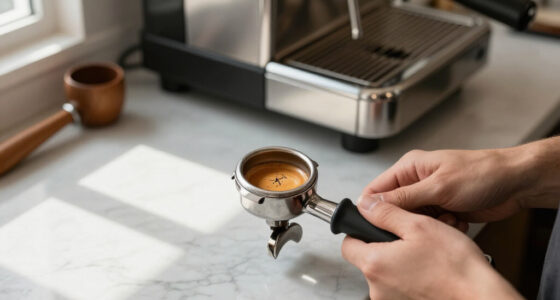
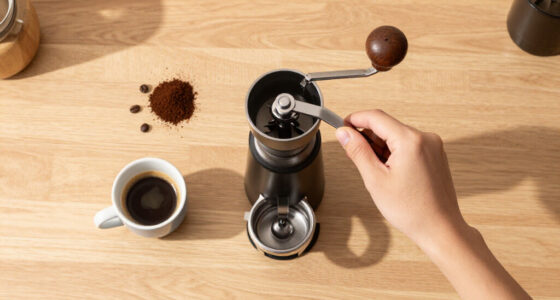
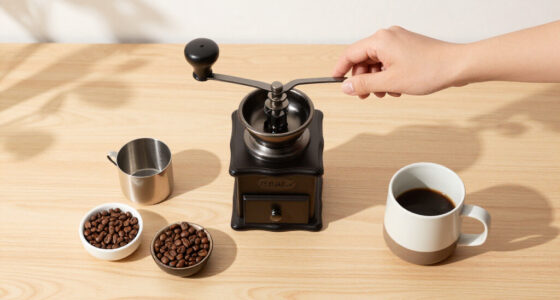
Single dosing means weighing and grinding only the coffee needed for one drink, then brewing it immediately. Instead of keeping a hopper full of beans, you measure out your dose each time — nothing more mysterious than that.
Weigh, Grind, Brew
Brewing espresso with 18 grams? Weigh that amount, grind it fresh, and pull the shot. Each dose is handled separately rather than drawn from a bulk supply in a hopper.
Freshness & Control
People choose single dosing to avoid stale beans lingering in hoppers and to keep each brew consistent — for example, measuring 15 grams for one pour-over every time.
Easy Bean Switching
Like experimenting with different coffees? Single dosing means no emptying a hopper and no mixing flavors — you prepare only what you need, when you need it.
How to Start Single Dosing
Four steps stand between you and your first weighed, ground, and brewed single dose.
Set Your Target Dose
Pick your dose based on your brewer or basket — usually 18 g for espresso, 15 g for pour-over.
RECIPE FIRSTWeigh the Beans
Use a scale to measure the exact amount before grinding. A 0.1 g scale helps fine-tune espresso recipes.
±0.1 g ACCURACYGrind & Manage Retention
Grind immediately, then purge or use bellows if your grinder retains grounds — so the full dose lands in the basket.
PURGE IF NEEDEDBrew Right Away
Brew immediately after grinding and note your recipe. Repeatability comes from consistent conditions, not accessories.
BREW + RECORDStorage Matters More Than Your Dosing Ritual
Beans age whether they sit in a hopper or a sealed bag. Oxygen, light, heat, and moisture degrade flavor over time — how you store your beans has a far bigger impact than how you dose them.
Illustrative Impact on Freshness
Single dosing does not stop beans from aging — it’s about managing exposure, not eliminating it. Prioritize airtight containers, proper temperature, and light protection before investing in elaborate dosing gear. Freezing in individual doses is optional: it can help when done with good sealing, but it adds steps and isn’t required for everyday coffee.
The Hidden Grams Inside Your Grinder
Retention is the coffee that stays inside your grinder after each use. If you grind 18 g but 1 g lingers inside, your next shot might brew with 19–20 g — shifting extraction and flavor without you noticing.
Purging & Cleaning
Run a small amount of beans through before your actual dose, or clean the burrs regularly. This keeps doses consistent and prevents flavor contamination from old grounds.
Bellows & Air Blowers
Bellows or compressed air can blow out residual grounds. Useful — but each technique adds time; weigh the gains in consistency against the extra steps.
Occasional purge is fine
Purge between coffees
Full retention routine
Trade-Off Principle
If you mostly brew the same beans, occasional purging suffices. If you chase precise recipes or switch coffees often, managing retention pays off. Retention is not a defect — it’s a variable to understand.
Common Claims, In Perspective
Online coverage makes accessories and labels seem essential. Here’s what the claims actually hold up to.
| The Claim | Verdict | The Reality |
|---|---|---|
| “Single dosing always makes better coffee.” | ✗ FALSE | No universal rule. It can improve freshness or reduce waste for some routines, but it doesn’t guarantee better extraction. |
| “Zero retention is necessary.” | ~ PARTLY | No grinder is perfectly retention-free. What matters is whether retention causes a problem for your dose and workflow. |
| “Beans must be frozen in individual doses.” | ~ OPTIONAL | Freezing can preserve beans with good sealing and handling — but it adds steps and isn’t required for everyday coffee. |
| “A single-dose grinder is automatically superior.” | ✗ FALSE | Grinder design and performance matter; the label alone doesn’t establish cup quality. |
| “You need lots of accessories.” | ~ OPTIONAL | A scale and airtight storage are useful for many people. Bellows, special cups, and elaborate routines are optional. |
| “A scale improves repeatability.” | ✓ TRUE | Weighing each dose reduces variability and makes espresso recipes easier to repeat — a straightforward path to consistency. |
Practical Trade-Offs: Speed vs. Precision
Single dosing isn’t a magic fix — it’s a practical tool. The right choice depends on your workflow, your grinder, and your habits.
Occasional Brewers & Experimenters
You make coffee occasionally, switch between beans often, or want to track and repeat recipes. Each cup gets fresher grounds with no wasted beans left in a hopper.
Volume & Speed
Hoppers grind large quantities fast — ideal for busy mornings or several drinks from the same coffee. Weighing each shot individually adds 2–3 minutes per cup.
Remember What Actually Drives the Cup
Grind quality — burrs, alignment, adjustment range — matters more to flavor than whether beans were dosed from a hopper or a container. Dose, grind size, tamp, water temperature, and extraction time all work together. Weighing your dose is one straightforward, high-value step; the rest is technique and good storage.
What Exactly Is Single Dosing and Why Do People Do It?
Single dosing means weighing and grinding only the coffee needed for one drink. Instead of keeping a hopper full of beans, you measure out your dose each time. For example, if you brew espresso with 18 grams, you weigh that amount, grind it fresh, and brew. It’s as simple as that.
People often choose single dosing to improve freshness or for better control. Imagine making a pour-over—measuring out 15 grams of beans for one cup ensures each brew is consistent. Among espresso enthusiasts, it’s a way to avoid stale beans lingering in hoppers. The core idea is straightforward: you handle each dose separately, rather than relying on a bulk supply stored in a hopper.
It also suits those who like experimenting with different coffees often. No need to empty a hopper or worry about mixing flavors. Instead, you prepare only what you need, when you need it. But it’s not a one-size-fits-all solution. Let’s explore what really matters when you switch to single dosing.
As an affiliate, we earn on qualifying purchases.
Why Freshness and Storage Matter More Than You Think
Many believe single dosing magically keeps coffee fresher. The truth? Beans are always aging, whether in a hopper or a sealed bag. Exposure to oxygen, light, heat, and moisture degrades flavor over time. Freshness depends more on how you store your beans than on how you dose.
Imagine opening a bag of roasted beans and leaving it on the counter. After just a week, they start to lose their vibrant oils and aroma. But if you keep them in an airtight container, away from heat and light, they stay fresher longer—regardless of whether you dose from a hopper or weigh each time.
For instance, a coffee shop might buy beans weekly, store them in sealed bags, and grind fresh daily. The key is good storage, not necessarily single dosing. So, don’t get caught up thinking single dosing will stop beans from aging. It’s about managing exposure, not eliminating it.
Understanding this helps you prioritize where to focus your efforts. Good storage practices—like airtight containers, proper temperature, and light protection—have a far more significant impact on freshness than whether you dose from a hopper or weigh each shot. This insight can save you time and money, guiding you to better habits that truly matter for flavor.
As an affiliate, we earn on qualifying purchases.
Does Weighing and Grinding for One Cup Actually Make a Difference?
Using a scale to measure your beans before grinding can significantly improve your ability to replicate successful brews. When you consistently dose 18 grams for espresso, a scale ensures each shot matches that target, reducing variability caused by accidental under- or over-dosing. This consistency is crucial because even small fluctuations in dose can lead to noticeable differences in extraction and flavor.
For example, if your grinder’s retention is around 1 gram, and you aim for 18 grams, you might inadvertently brew with 19 grams if you don’t account for that leftover. Over time, this can cause your shots to become inconsistent, especially if you switch beans or recipes frequently. Weighing each dose helps you understand and control this variable, leading to more predictable results.
Some baristas go further, using scales that measure to the tenth of a gram to fine-tune their doses precisely. This level of accuracy can be the difference between a decent shot and a great one, especially when working with delicate or complex beans. Remember, dosing is just one piece of the puzzle—grind size, tamp pressure, water temperature, and extraction time all influence flavor. But controlling your dose through weighing is a straightforward step that can elevate your consistency and confidence in every brew.
espresso grinder with low retention
As an affiliate, we earn on qualifying purchases.
As an affiliate, we earn on qualifying purchases.
Grinder Retention: What It Is and Why It Matters
Grinder retention refers to the amount of coffee that remains inside your grinder after each use. This residual coffee can affect your next dose if you’re not aware of it, especially when switching beans or recipes. Deeply understanding retention helps you manage your workflow effectively, avoiding unintended over-dosing or flavor contamination from old grounds.
For instance, if you grind 18 grams of beans, then run another shot without cleaning or purging, you might actually be brewing with 19 or 20 grams, which can alter extraction and flavor. Over time, this small excess can lead to inconsistent results, making it harder to reproduce your best shots.
Managing retention involves techniques like purging—running a small amount of beans through the grinder before your actual dose—or manually cleaning the burrs regularly. Using a bellows or compressed air to blow out residual grounds can also help. These practices help you maintain more consistent doses and prevent flavor contamination from old grounds. Recognizing the tradeoffs—such as the extra time required for cleaning versus the gains in consistency—allows you to tailor your routine to your priorities and workflow.
The importance of managing retention depends on your brewing habits. If you frequently switch beans or are chasing precise recipes, paying attention to retention can be worthwhile. Conversely, if you primarily brew with the same beans and are less concerned about absolute precision, occasional purging or cleaning may suffice. Recognizing this trade-off allows you to optimize your routine without unnecessary effort or expense.
coffee storage containers for freshness
As an affiliate, we earn on qualifying purchases.
As an affiliate, we earn on qualifying purchases.
The Practical Trade-Offs: Speed, Workflow, and Convenience
Switching from a hopper to single dosing isn’t just about achieving perfect doses; it also impacts your overall workflow and convenience. Hoppers allow for rapid grinding of large quantities, making them ideal for busy environments or when preparing multiple drinks quickly. Single dosing, by contrast, requires you to weigh and grind each shot individually, which can slow down your process.
For example, a home barista might spend an extra 2-3 minutes per shot weighing and grinding. Over the course of a morning or afternoon, this adds up, potentially reducing your overall efficiency. However, the trade-off is that each cup can benefit from fresher beans, more precise dosing, and less waste from over- or under-dosed grounds.
If your routine involves brewing infrequently or experimenting with different beans, single dosing can be a significant advantage, allowing you to tailor each shot for optimal freshness and flavor. On the other hand, if you brew multiple cups with the same beans daily, a hopper might be more practical and time-efficient.
Some enthusiasts adopt a hybrid approach—using a small hopper for everyday use and switching to single dosing when testing new coffees or aiming for maximum control. This flexibility can help balance convenience with quality, depending on your priorities and available time. Understanding these trade-offs helps you design a workflow that aligns with your goals without sacrificing consistency or enjoyment.
Does Going Single Dosing Make Your Coffee Better? The Real Deal
Many believe that switching to single dosing will automatically improve every cup. While it does offer tangible benefits—like ensuring fresher beans and more accurate doses—these alone won’t guarantee better coffee. The overall quality depends on multiple factors, including grind size, water temperature, tamping pressure, and extraction time. Neglecting these can negate the advantages of precise dosing.
For example, weighing out 18 grams of fresh beans is beneficial, but if your grind is too coarse or your water temperature is off, the shot may still be under-extracted or over-extracted, resulting in subpar flavor. Single dosing is best viewed as a foundational step—a way to gain control over one variable—rather than a cure-all.
Research indicates that small variations in dose can significantly impact extraction, especially in espresso. But these effects are most noticeable when combined with proper technique and consistent grind settings. Think of single dosing as part of a holistic approach: the sum of good habits and precise control creates the best results.
So, does it make your coffee better? It can, but only if integrated into a comprehensive routine that emphasizes technique and quality. Using single dosing blindly or solely as a quick fix may not yield the improvements you’re seeking. Instead, see it as a valuable tool that, when combined with other good practices, can elevate your brewing experience.
Should You Buy a Special Grinder for Single Dosing?
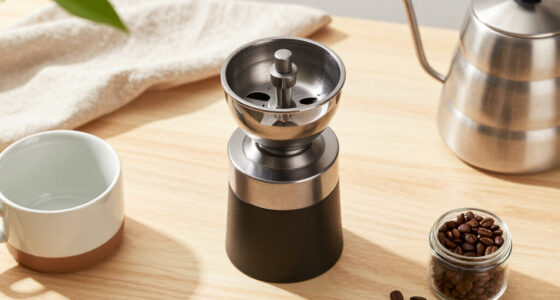
You don’t necessarily need a dedicated single-dose grinder to enjoy its benefits. Many existing grinders, especially those with smaller burr sets and less retention, can be adapted for single dosing by simply weighing beans before grinding. However, some grinders are specifically designed for single dosing, offering features like reduced retention, more precise dosing, and easier cleaning, which can streamline the process and improve consistency.
For example, a grinder with a smaller burr set and a more open design reduces the amount of coffee retained inside, making purging and switching beans easier. This can save time and minimize waste, especially if you switch beans frequently or aim for maximum precision. But these features come at a cost, and not everyone needs them to achieve good results.
Good habits—such as careful weighing, regular cleaning, and proper storage—often outweigh the benefits of investing in a high-end grinder. If your routine involves experimenting with different beans or recipes, or if you’re aiming for the highest level of control, then a grinder optimized for single dosing might be a worthwhile investment. Otherwise, many home setups can perform well with minor adjustments and disciplined practices.
How to Start with Single Dosing — Easy Steps for Beginners
- Pick your target dose—usually 18 grams for espresso or 15 grams for pour-over.
- Use a precise digital scale to weigh your beans before grinding.
- Grind directly into your filter or shot basket—no hopper needed.
- Adjust grind size until your brew reaches your desired extraction time and flavor.
- Record your dose and settings for consistency. Repeat for each shot or brew.
- Optional: purge your grinder with a small amount of beans before switching coffees.
Start simple. Use your current grinder and see how it feels. You might find you prefer more control or that it improves your repeatability. Once comfortable, you can experiment with accessories like dosing funnels or bellows.
Frequently Asked Questions
Does single dosing make coffee taste better?
It can improve freshness and consistency, especially if you weigh and grind each dose precisely. But flavor also depends on beans, grind size, water, and technique. Single dosing is a helpful tool, not a magic fix for perfect taste.
Is single dosing only for espresso?
No. You can use it for pour-over, AeroPress, French press, or any brew method. The main benefit is control over dose size and freshness, which applies across all techniques.
Do I need a special grinder for single dosing?
No, many hopper grinders work fine if you weigh beans beforehand. But some grinders built for single dosing have less retention and more precise dosing features, which can make the process smoother.
How much coffee should I dose?
Follow your brew recipe or basket size. Use a scale to measure exactly—there’s no one perfect amount. Consistency comes from precise measurement and technique, not a fixed weight.
What is grinder retention, and should I worry about it?
Grinder retention is the coffee left inside your grinder after use. It can affect your next dose if not managed. Small amounts usually aren’t a big deal, but if you switch beans often, purging or cleaning helps maintain consistency.
Conclusion
Single dosing isn’t about chasing perfection; it’s about gaining control over your coffee routine. When done thoughtfully, it can improve consistency and freshness, but only if you manage storage, retention, and technique. Don’t get caught up in hype—use what works best for your routine, and remember, great coffee comes from good habits, not just tools.
Next time you brew, think about how small adjustments—like weighing beans or purging your grinder—can make a real difference. Coffee is a journey of small steps. Keep it simple, stay curious, and enjoy each cup.
Halloween Picks
halloween
As an affiliate, we earn on qualifying purchases.