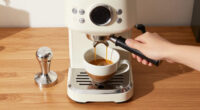
TL;DR
A semi-automatic espresso machine lets you start and stop the shot, giving you more control over timing and room to learn; an automatic machine measures a programmed water volume for easier, more repeatable brewing. Choose semi-automatic if you enjoy adjusting your technique, and automatic if speed and simplicity matter more—while budgeting for a grinder, cleaning, and the learning curve either way.
The difference between an enjoyable coffee ritual and a rushed one can be a single button—or the chance to stop a shot exactly when it tastes right. Semi-automatic and automatic espresso machines can both make espresso, but they give you different amounts of say over what happens between pressing the brew button and pouring your drink.
With a semi-automatic, you start and stop the extraction yourself. An automatic machine typically controls the water volume for you. That difference affects your learning curve, daily routine, and budget, not just how many buttons sit on the front panel.
This guide explains how each type works, what control looks like in a real kitchen, and which tradeoffs matter before you buy. You’ll also get a practical comparison of cost, consistency, maintenance, and features so you can pick a machine that suits the way you actually drink coffee.
On a semi-automatic, you stop the shot; an automatic machine stops at a programmed water volume.
Choose semi-automatic if you enjoy adjusting grind and timing, and automatic if you want fewer decisions during brewing.
Entry-level semi-automatic machines can start around $300, while high-end automatic models can exceed $2,000; budget for a suitable grinder and upkeep too.
Automatic controls can improve repeatability, but they do not remove the need for good preparation or regular cleaning.
Compare the actual tasks and features on each model, because automatic may refer only to shot volume rather than grinding and brewing everything.
The shot-stopping difference changes who’s in charge
Semi-Automatic vs Automatic Espresso Machines: Control vs Convenience comes down to one basic choice: whether you stop the shot or let the machine stop it at a preset water volume. A semi-automatic gives you direct control over when extraction ends; an automatic machine repeats a programmed volume, which makes brewing simpler when you want the same button press each morning.
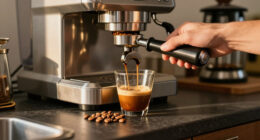
On a semi-automatic, you grind coffee, fill and tamp the portafilter, lock it into the group head, and start the pump. You watch the espresso flow—dark and syrupy at first, then lighter—and stop the shot. An automatic machine can do the same preparation steps, but a programmed button tells it when to stop sending water. It does not necessarily grind or tamp for you; those are separate features.
Think of the difference like driving a manual car versus setting cruise control on the highway. One gives you a hand on each adjustment; the other takes over a repeatable task. Neither automatically makes a better cup. If your kitchen is quiet and you like to experiment, hands-on control may feel satisfying. If you’re trying to get two coffees made before a 7:30 a.m. commute, automatic dosing can take one decision off your plate.
Some machines blur the line with programmable buttons, pre-infusion, or other controls. Read the feature list carefully: “automatic” can describe a timed or volume-controlled shot, not a fully hands-off bean-to-cup machine. Check what the machine automates, rather than trusting the label alone.
As an affiliate, we earn on qualifying purchases.
A quick comparison shows which tradeoffs matter most
Semi-automatic vs automatic machines differ most in shot control, repeatability, and the attention they ask from you. Use the table below to compare the everyday tradeoffs, then match them to your own routine: a patient weekend coffee drinker may value hands-on adjustment, while a busy household may prefer a repeatable button press.
| What you care about | Semi-automatic | Automatic |
|---|---|---|
| Stopping the shot | You start and stop extraction | The machine stops at a programmed volume |
| Hands-on control | More control over shot timing | Less intervention during extraction |
| Repeatability | Depends more on your timing and routine | Programmed volume can make daily shots more consistent |
| Learning experience | More room to practice and adjust | Less to manage while brewing |
| Price planning | Entry-level options start around $300 | High-end automatic models can exceed $2,000 |
| Cleaning | Needs routine cleaning and descaling | Needs routine cleaning and descaling; extra automation may add parts |
The table shows why control vs convenience is a useful shortcut, but it isn’t the whole buying decision. Machine price varies by model and features, and a grinder can add a significant cost to a setup. A semi-automatic priced attractively may still need a capable grinder to deliver the result you want.
For example, imagine two people making morning lattes. One enjoys weighing beans, adjusting the grind, and stopping a shot as it turns pale. The other wants the machine to dispense a repeatable amount while they warm milk. They can both get good coffee; their machines simply ask them to do different jobs.
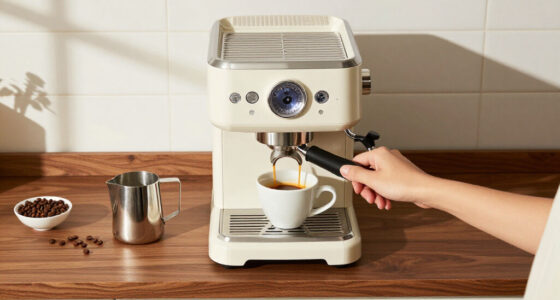
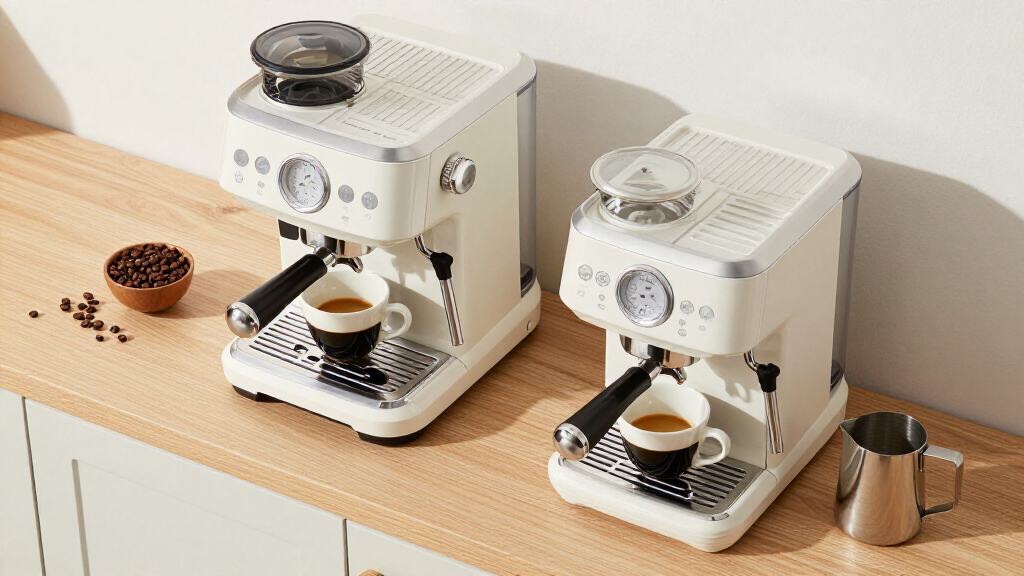
automatic espresso machine with programmable shot volume
As an affiliate, we earn on qualifying purchases.
As an affiliate, we earn on qualifying purchases.
Choose semi-automatic if you want to shape each shot
A semi-automatic espresso machine suits you if you want to make the brewing decisions yourself and don’t mind practicing. You choose when the pump starts and stops, so you can adjust shot length in response to a new coffee, a changed grind, or a taste that seems too sharp or too bitter. That freedom is satisfying, but it also means your technique affects the result.
Picture a Saturday morning with a fresh bag of beans. Your first shot runs too quickly and tastes thin, so you grind finer for the next one. The second shot slows to a steady, honey-colored stream. You stop it when the flow turns pale and note what worked. That small experiment is the appeal: each cup can teach you something.
But control does not equal effortless quality. If you vary the dose, tamp, grind, and shot time all at once, you won’t know which change helped. Keep the process simple: use the same amount of coffee, change one variable, and taste the difference. A semi-automatic makes this kind of adjustment accessible; it does not guarantee an excellent espresso without decent beans, a suitable grinder, and practice.
Choose this style if you enjoy a small craft in your routine, like adjusting recipes, or want to learn how extraction responds to your choices. Skip it if you know you’ll resent weighing coffee and watching a shot. The best control is control you’ll actually enjoy using; an unused feature is just another thing on the counter.
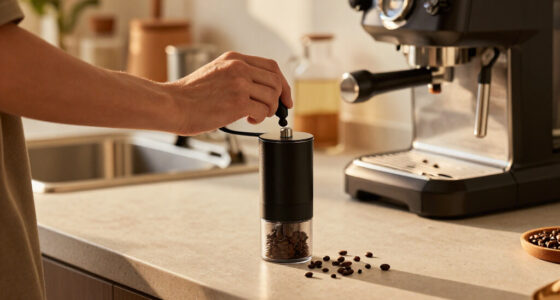
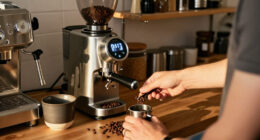
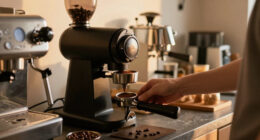
espresso grinder for semi-automatic machines
As an affiliate, we earn on qualifying purchases.
As an affiliate, we earn on qualifying purchases.
Choose automatic if your mornings need fewer decisions
An automatic espresso machine suits you if you want a programmed water volume to stop the shot and reduce hands-on timing. Once you set a button, the machine handles that part of extraction for you, making it easier to repeat a routine without standing beside the cup. This can be especially welcome when you’re making several drinks or splitting coffee duty across a household.
Say you start work at eight and make an espresso before turning on your laptop. An automatic button can dispense the same programmed volume while you rinse a mug or reach for milk. That does not mean every cup will taste identical: the beans, grind setting, dose, and preparation can still change the result. But fewer manual decisions can make the process easier to repeat.
Automatic doesn’t mean “one button does everything.” Many machines still need you to grind coffee, fill and tamp a portafilter, and clean the group head. A fully automatic or bean-to-cup model can automate more steps, but that’s a different level of convenience and may bring a different price and maintenance profile. Check which tasks the model actually handles before you pay extra for a feature you assumed it had.
This option works well for beginners who would rather build confidence with a simple routine than learn shot timing immediately. It can also suit experienced coffee drinkers who value speed on weekdays and save experimentation for weekends. Convenience is not a lack of interest in coffee. Sometimes you simply want a good cup without turning breakfast into a project.
As an affiliate, we earn on qualifying purchases.
Budget for the whole setup, not just the machine
Machine price is only one part of the espresso budget. Entry-level semi-automatic machines can start around $300, while high-end automatic models can cost more than $2,000. Prices vary by model and feature set, so treat those figures as broad guideposts rather than a promise about what a particular machine costs today.
The grinder matters, too. Espresso requires a fine, consistent grind, and changing the grind can have a noticeable effect on how quickly water passes through the coffee. If you spend your entire budget on the machine and use a grinder that cannot make consistent espresso grinds, you may struggle to get repeatable shots. Think of it like buying a good oven but using a pan that heats unevenly: the main tool can’t fix every weak link.
Before you shop, write down what your complete setup needs: machine, grinder if required, tamper or other basic tools, and routine cleaning supplies. Then think about how much time you want to spend on each drink. A cheaper semi-automatic can make sense if you enjoy practicing and already have a suitable grinder. A more expensive automatic may earn its place if a quick, repeatable workflow matters to you every day.
For example, a couple who make one cappuccino each on Sunday may care more about milk steaming and learning their preferred shot than about automatic volume buttons. A household making several coffees before school may put a higher value on repeatability. Spend for the workflow you’ll use, not the longest feature list.
Use a simple routine to improve either machine’s espresso
You can make better espresso with either machine by changing one variable at a time. A consistent routine lets you tell whether a shot changed because of the grind, coffee dose, or extraction—not because you altered everything at once. This is especially useful when you’re learning a semi-automatic, but it also helps an automatic machine produce a more dependable programmed shot.
- Start with fresh coffee and a steady dose. Use the same amount from shot to shot rather than guessing differently each time.
- Prepare the coffee consistently. Distribute the grounds evenly and tamp with a level surface so water has a fair path through the coffee.
- Run the shot. Start and stop it yourself on a semi-automatic; on an automatic, use the programmed button.
- Taste before adjusting. If the espresso tastes sharp and thin, try a finer grind; if it tastes harsh or extraction runs too slowly, try a slightly coarser grind.
- Change one thing and record it. A quick note such as “finer grind, smoother finish” helps you repeat a good cup next time.
Suppose your first shot gushes into the cup and tastes watery. Rather than changing the dose, tamp, and grind together, adjust the grinder a small step finer and brew again. You’ll hear the pump hum, see the stream slow, and learn whether that single change improved the cup.
These are practical starting points, not a universal recipe: coffee freshness, roast, machine, and personal taste all matter. Use taste as your guide, and follow the manufacturer’s instructions for operating and cleaning your specific model.
Keep cleaning simple and protect your machine
Both machine types need regular cleaning and descaling. Coffee oils and fine grounds collect around the group head and portafilter, while mineral deposits can build up inside the water system. Automatic features don’t remove those jobs. Some automatic machines may have extra parts or programmed cleaning routines, so check the manual before you buy and follow its schedule.
After making a drink, knock out the spent coffee puck, rinse the portafilter, and wipe the basket and group-head area. If you steam milk, wipe the steam wand right away and purge it according to the manufacturer’s directions; dried milk can harden into a stubborn, sour-smelling film. For a weekend drink, these small tasks take less time than dealing with a dirty machine that has sat untouched for days.
Descaling needs depend on your water and the machine. Hard water can leave mineral buildup faster than soft water, but using an unsuitable descaling product may damage some models. Follow the manufacturer’s guidance on water, cleaning products, and descaling frequency rather than applying a one-size-fits-all schedule.
Added automation can affect repair costs and servicing needs, but it does not mean an automatic machine will fail sooner. Durability depends on the specific build, use, and care. Keep the manual and clean on schedule; that practical habit matters more than assuming either category is maintenance-free.
Let your weekday routine make the final decision
Your daily routine is the best tie-breaker. Choose semi-automatic if adjusting the shot sounds like an enjoyable part of making coffee; choose automatic if you’d rather press a programmed button and turn your attention elsewhere. The right choice depends less on which machine looks more impressive and more on how much time and attention you want to give a drink.
Imagine a small kitchen shared by two people: one likes to linger over a rich espresso on weekends, while the other needs a quick drink before catching the bus. A programmable automatic button may help both get a repeatable weekday shot, while a semi-automatic offers more hands-on exploration. Some models combine programmable features with manual control, so you may be able to keep both options in one machine.
Modern features can add flexibility. PID temperature control helps manage brewing temperature, while pre-infusion wets the coffee before the main extraction. Pressure profiling gives more control over how pressure changes during brewing. These features appear across different machine designs, but they don’t all appear in every model. Wi-Fi or Bluetooth controls and saved preferences may appeal to some users, yet a phone connection won’t compensate for poor coffee preparation.
Compact designs may work better on crowded counters, and energy-saving features can matter if a machine stays ready through the morning. Check dimensions, warm-up habits, controls, and cleaning steps alongside the headline features. Choose the machine that fits your actual counter and routine, not an imaginary version of your mornings.
Frequently Asked Questions
Which espresso machine is easier for a beginner?
An automatic machine is usually easier to operate because a programmed button controls the shot volume. You still need to prepare the coffee correctly, and the machine’s features vary by model. If learning the craft sounds fun rather than frustrating, a semi-automatic can also be a good place to start.
Can a semi-automatic machine make café-quality espresso?
Yes, a semi-automatic can make excellent espresso when you pair suitable coffee and a capable grinder with consistent preparation. You control when the shot ends, which gives you room to adjust the result. That control takes practice, and it does not guarantee a great cup on its own.
Does an automatic espresso machine grind beans for me?
Not necessarily. “Automatic” can mean the machine stops brewing at a programmed water volume; it does not always mean the machine grinds beans or handles every preparation step. Check the model’s feature list to see exactly what it automates.
How much should I budget for an espresso machine?
Entry-level semi-automatic machines can start around $300, while high-end automatic models can exceed $2,000. Prices depend on the specific machine and features. Include the cost of a suitable grinder, tools, and cleaning supplies when setting your budget.
Do automatic machines need less cleaning?
Both types need regular cleaning and descaling. An automatic machine may have additional parts or cleaning steps, depending on its design. Wipe away coffee grounds after brewing, clean milk residue promptly, and follow the manufacturer’s instructions for water and descaling.
Conclusion
Pick the machine that matches the way you want your morning to feel. If you enjoy adjusting a shot and learning what each change does, choose semi-automatic; if you want a repeatable pour with less attention, choose automatic. Check the grinder, counter space, and cleaning routine before committing, because they shape daily use as much as the machine’s buttons do.
Remember the simple distinction: with semi-automatic, you stop the shot; with automatic, the machine stops it for you. Then make the choice that leaves you with a better cup—and a calmer kitchen.