TL;DR

Get coffee and tea gear delivered free with Prime
- Fast, free delivery on millions of items
- Prime Video, Amazon Music and more included
- Member-only deals all year
Dual boiler espresso machines allow you to brew and steam simultaneously, offering more consistency and workflow efficiency. However, they aren’t automatically better; your coffee skills and workflow matter just as much. Use this guide to decide if upgrading fits your needs and budget.
If you’re eyeing that shiny dual boiler espresso machine, pause for a moment. These machines promise cafe-quality results at home, but they’re not magic. They work by having two separate boilers—one for brewing espresso, one for steaming milk—so you can do both at once. That’s a game-changer if you love milk drinks or serve multiple people fast.
But before you drop a chunk of your budget, it’s worth understanding what makes dual boilers special—and whether you actually need one. This guide breaks down how they work, the real benefits, common pitfalls, and what to look for before upgrading. You’ll learn if this fancy setup is a must-have or just a shiny distraction.
Dual boilers allow brewing and steaming at the same time, saving time and improving workflow.
Temperature stability and control are key benefits, but they depend on good build quality and maintenance.
Size and cost are significant factors—higher price often means larger, more complex machines.
Water quality management is essential; scale can ruin boilers and affect consistency.
Upgrade only if you frequently make milk drinks, serve multiple guests, or want precise control over temperature.
Home espresso / upgrade guide
Dual Boiler Espresso Machines Explained Before You Upgrade
Two boilers make two jobs possible at once: brew espresso and steam milk without switching modes. That can smooth busy mornings and improve temperature control, but it won’t replace a capable grinder, fresh coffee, or good technique.
Two heat sources. One smoother routine.
A dual boiler keeps brew water and steam in separate boilers, each suited to its job. With the temperatures managed independently, the machine can extract a shot while steaming milk.
Brew boiler
Supplies water for espresso extraction. Many models let you adjust brew temperature, helping you dial in for different coffees.
Steam boiler
Provides steam for milk. It operates separately, so milk preparation does not require the brew system to switch modes.
What the extra boiler changes
The strongest case is workflow and temperature control. Build quality, controls, warm-up, and maintenance still shape what you get from any particular machine.
Make drinks back-to-back
Brew and steam simultaneously. A real advantage for milk drinks, guests, and several beverages in a row.
Set brew and steam separately
Independent control can make brewing more predictable. PID controls are common, but design and tuning matter.
Reduce temperature swings
Separate boilers avoid the mode changes a single boiler needs. Stability still depends on thermal design and warm-up.
Expect a larger footprint
Two boilers and their components usually take more room. Check dimensions and clearance before buying.
Budget for care and service
More components can mean more upkeep and repair considerations. Check warranty, service access, and parts support.
“Ready” may be only a start
Give the machine time to heat fully; the group head and portafilter may need longer than the indicator suggests.
Which machine fits your workflow?
Machine type sets the broad trade-off. Actual performance varies by model, controls, and how you use it.
| Type | Brew + steam together? | Typical strength | Consider if… |
|---|---|---|---|
| Dual boiler | ✓ Yes | Independent brew and steam temperatures | You value control and prepare milk drinks often |
| Heat exchanger | ✓ Yes | Simultaneous workflow with one steam boiler and a brew-water path | You want the workflow; compare temperature behavior by model |
| Single boiler | ~ Switch modes | Often a simpler, less expensive setup | You make one drink at a time or mostly drink straight espresso |
| Thermoblock / thermocoil | ~ Model-dependent | Compact designs and on-demand heating | Fast heat-up or smaller size matters most |
Water quality protects the investment
Mineral scale can damage boilers and temperature controls, undermining consistency and leading to costly service. Follow the manufacturer’s water guidance; filtration and descaling should match your local water and machine requirements.
These bars show the care relationship, not measured percentages: manage hardness, choose suitable water, and keep to the machine’s service schedule.
Match the machine to your real routine
A dual boiler is most valuable when its simultaneous workflow and temperature control solve a problem you regularly have.
A strong fit if you…
- Make milk drinks regularly or serve several people
- Want to brew and steam without waiting between tasks
- Value direct control over brew temperature
Pause if you…
- Mostly drink straight espresso or make one drink at a time
- Are still improving grind, dose, and dialing-in technique
- Would benefit more from a capable grinder or a simpler setup
Six checks for a smarter upgrade
What buyers often ask
Can you brew and steam at once?
Yes. Separate boilers make simultaneous extraction and milk steaming possible. The exact workflow depends on the machine and its controls.
Does it make better espresso?
Not by itself. Temperature control can improve consistency, but coffee, grinder, recipe, water, and technique remain crucial.
How does it differ from a heat exchanger?
A dual boiler has separate brew and steam boilers. A heat exchanger uses one steam boiler and routes brew water through a heat-exchange path.
How Dual Boilers Actually Work and Why They Matter
A dual boiler machine has two separate water tanks—one for brewing espresso and one for steaming milk. This separation prevents temperature swings that happen with single boiler machines. Imagine trying to keep two pots on a stove at different, precise temperatures. It’s tricky. Dual boilers keep each water source at its ideal heat, ready to go.
For example, if you’re making a latte, you can pull a shot and steam milk at the same time—no waiting. That’s especially handy during busy mornings or when serving guests. The big perk? consistent temperature control leads to more predictable, better-tasting espresso shots.
As an affiliate, we earn on qualifying purchases.
Why Two Boilers Beat One for Milk and Espresso
With a dual boiler, you can brew and steam simultaneously. That means if you’re making multiple drinks—say, a series of cappuccinos—you won’t have to wait for the machine to switch modes. It’s like having two chefs working side by side. This setup is ideal if you often prepare several milk-based drinks in a row.
Compare that to a single boiler machine, which needs to cool down or heat up when switching tasks. You might wait 20-30 seconds or more, which adds up. For busy mornings or small cafes, the efficiency of dual boilers can save you precious time and keep your workflow smooth.
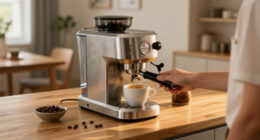
home espresso machine with steam wand
As an affiliate, we earn on qualifying purchases.
As an affiliate, we earn on qualifying purchases.
The Role of Temperature Stability and Control
Temperature stability is the secret sauce of good espresso. Dual boilers excel here because each boiler can be fine-tuned independently. Many models feature PID controllers—digital tools that keep water within ±1°C of the target temperature. That precision keeps your espresso’s extraction consistent, shot after shot.
For example, a machine with a programmable PID can help you dial in your ideal brew temperature. Plus, some models let you adjust the steam temperature or pressure. This flexibility means you can optimize for your specific beans and preferences, turning a good shot into a great one.
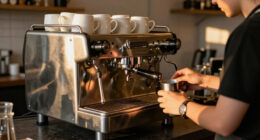
professional dual boiler coffee maker
As an affiliate, we earn on qualifying purchases.
As an affiliate, we earn on qualifying purchases.
Size, Cost, and Maintenance—What You’re Really Buying
Dual boilers are larger and more expensive than single boiler machines—often by a significant margin. Expect to pay anywhere from $2,000 to over $5,000 for a high-end model. Their size means more counter space. Maintenance involves regular descaling, cleaning the group head and steaming wand, and checking water quality.
Because they heat more water and have extra components, they also use more energy. That’s not necessarily a deal-breaker, but it’s something to keep in mind if you’re energy-conscious. Plus, the complexity of two boilers means more parts to repair if something goes wrong—so choosing a reputable brand and good warranty matters.
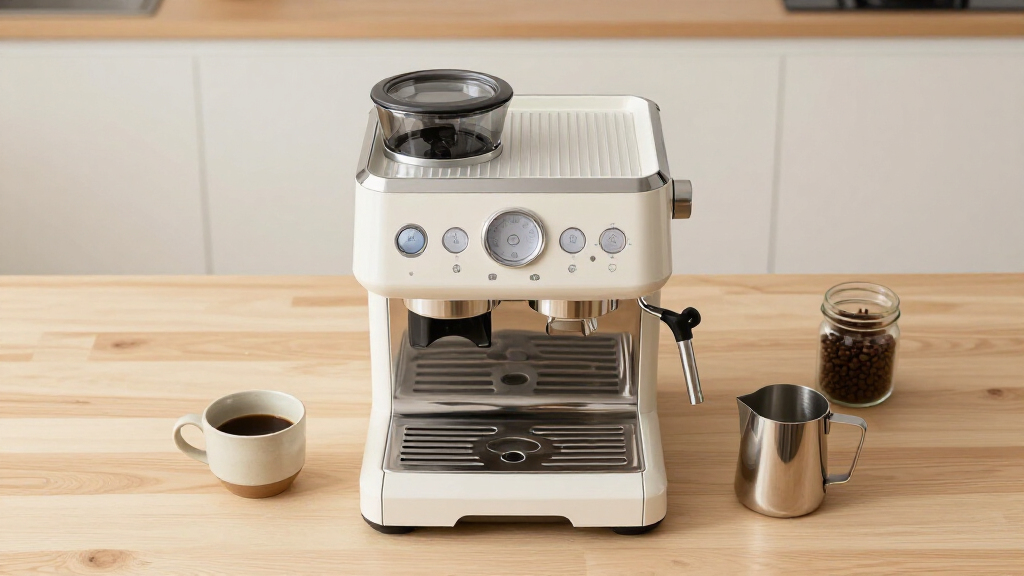
automatic espresso machine with temperature control
As an affiliate, we earn on qualifying purchases.
As an affiliate, we earn on qualifying purchases.
Water Quality and the Hidden Enemy: Scale
Scale buildup is the silent killer of boilers. Hard water deposits can damage heating elements, impair temperature stability, and even lead to costly repairs. If you live in an area with hard water, you’ll need a good water filtration system and regular descaling. Some machines have built-in alerts or automated cleaning cycles.
For example, using softened or filtered water can extend the life of your dual boiler and keep it running smoothly. Ignoring this can turn a premium machine into a paperweight faster than you think.
Warm-up Time and Workflow: How Fast Can You Get Ready?
Most dual boiler machines take between 10 to 20 minutes to fully heat up and reach optimal temperature. The group head and portafilter may need additional warm-up time—sometimes up to 30 minutes from cold start. A ‘ready’ indicator doesn’t always mean everything’s perfectly warmed, so patience pays off.
For example, if you wake up and want your espresso fast, a machine with rapid heat-up features or pre-heating routines can make a difference. But don’t rush. Proper warm-up ensures consistent, high-quality shots.
Alternatives to Dual Boilers: Is a Heat-Exchanger or Thermoblock Good Enough?
If you’re not keen on the size or price of dual boilers, other options exist. Heat-exchanger machines use a single boiler with a special coil or pipe to transfer heat. You can brew and steam at once, but temperature stability isn’t as precise. Thermoblocks or thermocoils heat water on demand—smaller, faster, but sometimes less stable.
For example, a heat-exchanger machine might cost $1,500, while a dual boiler can be $3,000 or more. Decide based on how much control and consistency matter to you, versus convenience and budget.
Who Should Actually Upgrade to a Dual Boiler?
If you regularly make milk drinks, serve multiple people, or chase perfect shot consistency, a dual boiler can be a game-changer. It’s worth the investment if you want control over temperature and workflow efficiency. But if you mostly drink straight espresso or are still mastering grind and tamp, a good single boiler or heat-exchanger might serve you better.
For example, a home barista who hosts friends often will appreciate the ability to pull shots and steam simultaneously, saving time and maintaining quality. Conversely, someone just starting out might do well to focus on grinder quality first.
What You Really Need to Check Before Upgrading
- Drink volume: How many milk drinks do you make per session?
- Counter space: Do you have room for a larger machine?
- Warm-up time: Are you okay with several minutes before use?
- Temperature control: Do you want fine-tuning with a PID?
- Water quality: Can you manage scale and descaling?
Also consider your budget, repair support, and warranty. A dual boiler is a serious investment—make sure it aligns with your actual needs, not just the promise of perfect coffee.
Frequently Asked Questions
Can you brew and steam at the same time?
Yes. That’s the primary advantage of a dual boiler machine. It has separate water sources, so you can extract espresso and steam milk simultaneously without waiting for the machine to switch modes.Does a dual boiler make better espresso?
Not automatically. While separate boilers improve temperature stability, your coffee quality still depends on grind size, tamping, water quality, and technique. A dual boiler just gives you more control and consistency.How is a dual boiler different from a heat-exchanger machine?
A dual boiler has two separate water tanks—one for brewing, one for steaming—each with its own boiler. A heat-exchanger uses one boiler and a coil to transfer heat for both functions, which can be less precise but still allows simultaneous brewing and steaming.Is a dual boiler worth it if I mostly drink black coffee?
Probably not. If you rarely make milk drinks or serve multiple people, a single boiler or heat-exchanger machine offers good performance at a lower cost and smaller size.How much more does a dual boiler cost?
Prices range from about $2,000 to over $5,000 depending on features, build quality, and brand. Remember to factor in maintenance costs, water treatment, and your specific needs before investing.Conclusion
Choosing a dual boiler espresso machine isn’t just about chasing perfection—it’s about matching your coffee routine and space. If you often make milk drinks back-to-back and crave consistency, it can transform your experience. But if you’re still dialing in your grind or mostly drink black espresso, a simpler machine may serve you better.
Remember: the best espresso comes from a combination of quality equipment, technique, and fresh coffee. A dual boiler can help, but it’s not a magic fix. Think carefully about your needs, budget, and patience before clicking ‘upgrade’.
Fall Picks
fall essentials
As an affiliate, we earn on qualifying purchases.