TL;DR
A good coffee gift set pairs fresh coffee with items the recipient will actually use, such as a suitable grind, brewing tool, or treat. Match it to their taste and equipment, check roast dates and ingredient labels, and favor a few useful pieces over a box of mismatched extras.
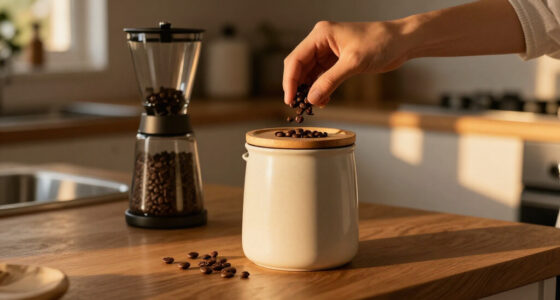
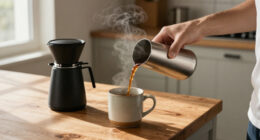
The most memorable coffee gift may be a small bag of beans that smells like toasted nuts and cocoa, not a towering box of gear the recipient has to store. Fit beats quantity when you want your gift to become part of someone’s morning.

Get coffee and tea gear delivered free with Prime
- Fast, free delivery on millions of items
- Prime Video, Amazon Music and more included
- Member-only deals all year
This guide helps you choose coffee gift sets around the person’s taste, brewing method, and daily routine. You’ll learn how to pick coffee, decide whether to add equipment or treats, and spot practical details like freshness, grind, and allergens before you buy.
Think of the set as a recipe: coffee is the main ingredient, while the other pieces should bring out its best. A few well-matched choices can make an ordinary Tuesday cup feel like a small occasion.
Match whole beans or ground coffee to whether the recipient owns a grinder and how they brew.
Use the recipient’s usual roast, flavor, and caffeine preferences as your starting point.
Look for a roast date when available, and follow the roaster’s storage advice.
Add equipment, treats, or a subscription only when the recipient is likely to use them.
Check ingredient labels for allergens and dietary details, including dairy, added sugar, and alcohol.
Start with the coffee they already enjoy
A good coffee gift set starts with coffee that suits the recipient’s taste and brewing habits. Look for clues in how they order or make their usual cup: black coffee, milk drinks, espresso, decaf, or a sweet flavored brew. Those details give you a better guide than a label promising that a blend is the “best.”
Light, medium, and dark roasts describe broad differences in roasting style and flavor, not a simple ranking of quality. Lighter roasts often show more of a coffee’s origin character, while darker roasts tend toward deeper, roastier notes. The descriptions vary from roaster to roaster. Dark roast also does not reliably mean more caffeine; serving size, how you measure the beans, and brewing method all affect what ends up in the cup.
For example, if your friend always orders a medium roast with milk, a balanced bag with chocolate or caramel tasting notes may be an easier fit than a bright, fruity light roast. If they already love trying unusual coffees, a small-origin sampler could make a better surprise.
Some roasters share a coffee’s origin, variety, processing method, and tasting notes. These stories can make a coffee gift feel personal, but phrases like “single origin” or “direct trade” do not, on their own, prove a specific quality or ethical outcome. Choose the details that genuinely match the person’s curiosity.
Products Worth Considering

KitchenAid 5-Ply Clad Stainless Steel Roaster with Removable Rack, 15 x 11.5 in

Cuisinart 7-in-1 Air Fryer Toaster Oven, 1800W, TOA-55

Vitamix Nano Personal Blender with SmoothiePilot Technology, Black
As an affiliate, we earn on qualifying purchases.
Match the beans and gear to their brewing setup
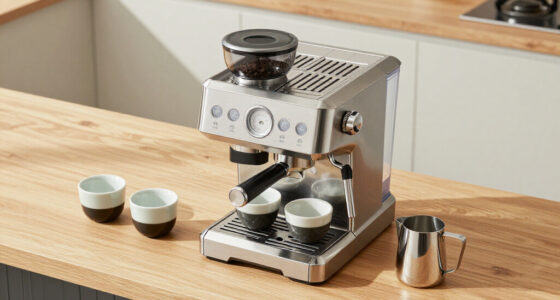
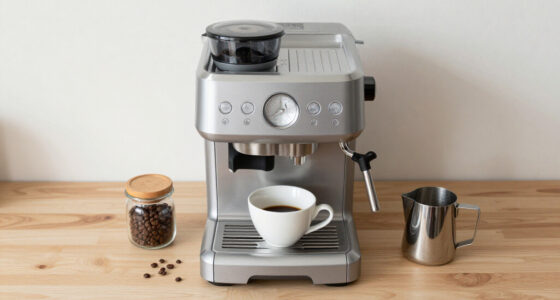
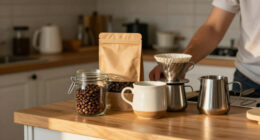
Coffee gift sets work best when the coffee and equipment suit the recipient’s brewing method. Whole beans need a grinder; ground coffee is more convenient when they do not own one, and the grind should fit the brewing method when possible. A pour-over dripper, French press, or espresso tool can sit unused if it does not match their routine.
Whole beans generally hold their aroma better than ground coffee because grinding exposes more of the coffee to air. But that advantage only helps if the recipient has a grinder. Imagine buying a fragrant bag of whole beans for a coworker who makes coffee in a basic drip machine and has no grinder. A bag ground for their brewer is the more considerate choice.
Use this quick check before you buy:
- Find out how they brew. Notice whether they use a drip machine, pour-over, French press, espresso machine, or single-serve brewer.
- Check for a grinder. Choose whole bean only if they can grind it, or select a grind suited to their brewer.
- Add gear only when it fills a real gap. A simple dripper may be welcome for someone curious about pour-over; an extra espresso accessory may only take up drawer space.
- Include clear instructions if the equipment or brewing method is new to them.
This is the practical heart of what makes a good coffee gift: the person can use it with what they own, or can follow a straightforward path from box to first cup.
Check freshness before you choose a box
Freshness matters because coffee’s aroma and flavor fade over time, especially after grinding. To choose a coffee gift set with lively flavor, look for a roast date when available and check how the coffee is packaged, stored, and shipped. A recent roast is a useful clue, while the roaster’s own guidance can help you understand how to store and enjoy it.
Think of whole beans as a sealed jar of spices: once you grind them, the inviting smell escapes faster. That does not make pre-ground coffee a poor choice; it makes storage and timing part of the decision. A recipient without a grinder may enjoy a correctly ground bag more than a bag of whole beans that they cannot prepare.
Before wrapping the set, check that its coffee can be kept sealed in a cool, dry place. Follow the roaster’s storage guidance, and consider how quickly the recipient is likely to use it. If you’re giving a larger assortment, smaller bags can make trying several coffees easier without opening one large bag all at once.
Picture a friend opening a sampler on Saturday and brewing the first bag that morning. A clear roast date, useful tasting notes, and simple storage advice help them get from gift box to fragrant cup without guesswork. Freshness is part of the gift, not just a detail on the label.
Choose extras that make the gift easier to enjoy
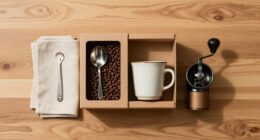
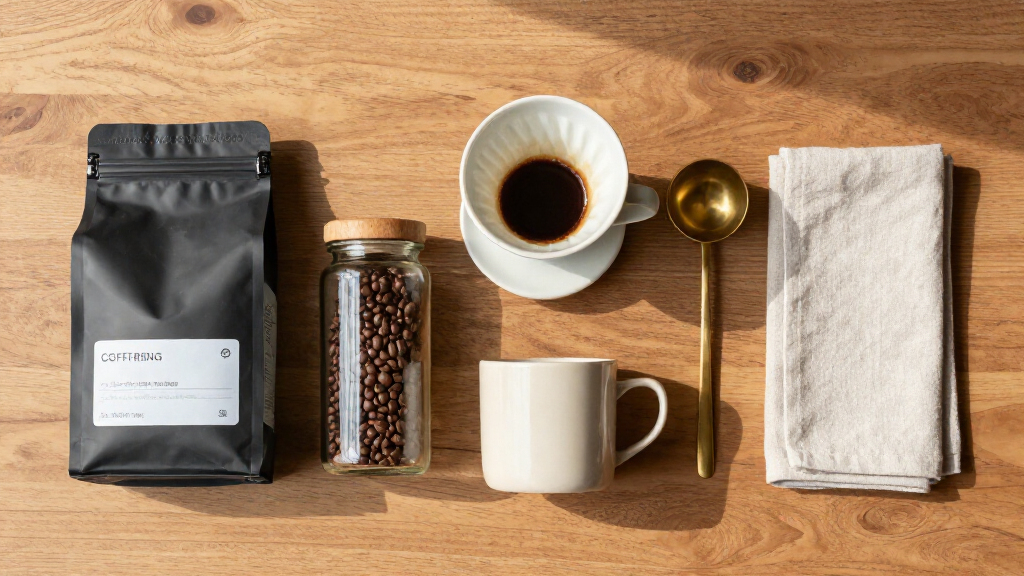
A coffee gift set usually combines coffee with one or more related items, such as a mug, brewing equipment, filters, syrups, or treats. The useful question is whether each extra makes a better cup or a more pleasant coffee break. One well-chosen item can add more value than a handful of decorations and accessories.
For a beginner, a simple set might include a bag of approachable coffee, filters, an easy-to-use dripper, and clear brewing instructions. For someone with a complete setup, try a few small bags of different coffees, a regional selection they have not tasted, or a decaf option. The set usually combines coffee with one practical companion, but there’s no rule that it needs a mug or equipment.
Consider the recipient’s space and preferences, too. A person in a small apartment may appreciate coffee and a compact reusable filter more than bulky equipment; someone who already owns three travel mugs might prefer a new coffee to a fourth. Some lower-waste sets use reusable brewing gear or recyclable or compostable packaging, but disposal options vary, so check local guidance and the maker’s specific packaging claims.
Flavored coffees, syrups, and treats deserve a closer look. Read ingredient labels for allergens and other dietary considerations, including dairy, added sugar, and alcohol where relevant. If the gift contains alcohol, keep it for adults and frame it for responsible enjoyment.
Pick a sampler or subscription when they like variety
A sampler or coffee subscription suits someone who enjoys exploring new flavors, while a single carefully chosen bag suits someone with a favorite routine. Samplers create a tasting experience at home; subscriptions spread the gift across multiple deliveries. The right format depends on whether the recipient likes surprises, can store several bags, and wants to keep receiving coffee.
For instance, a friend who compares tasting notes over brunch may love a sampler with coffees from different origins or processing methods. A neighbor who makes the same cup before work each morning may prefer one familiar medium roast. In both cases, coffee’s flavor depends on several things: origin, variety, processing, roast, freshness, grind size, and brewing method. A region or tasting note can set expectations, but it doesn’t guarantee that every cup will taste the same.
Before gifting a subscription, check the delivery frequency, subscription length, shipping area, and adjustment or cancellation options. Offerings and availability change, so confirm current details before purchase. A recurring box can feel generous, but an inflexible schedule may become clutter if bags arrive faster than the person drinks them.
Variety also does not have to mean caffeinated coffee. Someone who wants an evening cup may welcome decaf, while a person with a strong preference may want to select the roast or grind themselves. If you are unsure, a sampler or gift card with a personal note gives them room to choose.
Spend for fit, not the biggest box
There is no single right price for a coffee gift set; cost depends on the coffee, equipment, packaging, and shipping. Judge the value by whether the recipient will use what’s inside, not by how full the box looks. One fresh bag selected with care can beat an expensive collection of mismatched items.
Here’s the difference in a familiar scenario: your sibling drinks drip coffee every day and already owns a favorite mug. A fresh bag ground for their machine, paired with a short note about why you chose its smooth, cocoa-like flavor, may mean more than an elaborate espresso kit they cannot use. If they love experimenting and own a grinder, a few whole-bean coffees can justify a bigger set.
Use their routine as your budget guide. Put more of your budget toward coffee quality and a useful brewing match; add a treat or accessory only when it fits. A modest set can still feel generous when it includes something personal, such as a coffee from a place they visited or a decaf option they have been meaning to try.
Avoid paying extra for a long list of ingredients or gadgets you cannot connect to the recipient. The best gift is easy to open, easy to understand, and easy to enjoy. That’s what turns coffee from a product in a box into an invitation to pause for a good cup.
Frequently Asked Questions
What should I include in a coffee gift set?
Start with fresh coffee that suits the recipient’s taste and brewing method. Add a mug, filters, treats, or equipment only if they’re likely to use them.
Is whole-bean or ground coffee better as a gift?
Choose whole beans for someone who owns a grinder. Ground coffee is more convenient for someone without one; if possible, match the grind to their brewing method.
How do I choose between light, medium, and dark roast?
Use the recipient’s usual preferences as your guide. Light roasts often show more origin character, while darker roasts tend to taste roastier, but descriptions vary by roaster.
Does dark roast have more caffeine?
Roast level alone does not reliably determine how much caffeine ends up in the cup. Serving size, how you measure the coffee, and the brewing method also affect caffeine.
How do I keep gifted coffee fresh?
Look for a roast date when available, keep the coffee sealed in a cool, dry place, and follow the roaster’s storage guidance. Whole beans generally keep their aroma better than ground coffee.
Are flavored coffee gifts suitable for everyone?
No. Check ingredient labels for allergens and dietary details such as dairy, added sugar, and alcohol. If the set includes alcohol, reserve it for adults and encourage responsible enjoyment.
Conclusion
Choose the coffee first, then add only what makes it easier or more enjoyable for that person to drink. Match the grind and gear to their routine, check freshness, and read labels before including treats.
A thoughtful set does not need a tall box or a high price tag. It needs one good fit—and the promise of a fragrant cup waiting in the morning.