

TL;DR

Get coffee and tea gear delivered free with Prime
- Fast, free delivery on millions of items
- Prime Video, Amazon Music and more included
- Member-only deals all year
A cappuccino tastes balanced when its espresso remains clear beneath sweet, finely textured milk. Use a well-extracted one- or two-shot espresso in a compact cup, steam milk to about 55–65°C (130–150°F), and swirl the pitcher before pouring. If the drink tastes like warm milk, check the espresso strength, serving size, temperature, and foam before simply adding more coffee.
A cappuccino can look perfect—dark espresso under a snowy cap—and still taste like a mug of warm milk. Usually, the fix is not a fancy technique: the coffee has faded under too much milk, the shot lacks strength, or the milk has been heated until its sweetness disappears.
This guide walks you through the parts you can control: espresso, cup size, milk temperature, foam, and the pour. You’ll also get a simple recipe, a troubleshooting table, and practical adjustments for dairy-free milk or espresso-free equipment, so your next cup tastes like coffee from the first sip to the last.
Use a well-extracted espresso; weak or watery coffee disappears under milk.
A smaller cup can restore balance when one shot tastes faint in a large serving.
Start steaming around 55–65°C (130–150°F) and stop before the milk tastes cooked.
Introduce a little air, create a whirlpool, then swirl the pitcher before pouring.
Change one variable at a time so you can tell whether shot strength, serving size, or milk caused the problem.
The home barista field guide · 01 / 05
Build a Cappuccino That Tastes Like Coffee
A cup can wear a snowy cap and still taste like warm milk. Keep the espresso present with a compact serving, sweet-tasting milk, fine foam, and a pour that brings it all together.
At a glance / Five levers
Keep the coffee in the conversation.
Change one variable at a time. Taste the espresso first, then see what the cup and milk add.
Use well-extracted espresso; watery coffee disappears under milk.
Try a smaller cup when one shot tastes faint in a large serving.
Stay near 55–65°C and stop before the milk tastes cooked.
Add a little air, create a whirlpool, then swirl before pouring.
Change one thing per cup to find the real cause.
The balance / Ratio as a guide
Think small, then tune to taste.
Equal parts are a common modern café reference. Recipes vary by café, region, cup, and espresso dose.
Concentrated and balanced enough to remain recognizable.
Sweet and creamy; scale the amount to the shot and serving.
Integrated texture that supports coffee instead of hiding it.
The pour / Five steps
A simple order for a balanced cup.
Prepare a sound espresso first. Steam just enough milk, then pour while it is glossy and moving.
Choose a compact cup
Start small, especially when using one shot.
Pull and taste
Check the espresso on its own for strength and balance.
Steam cold milk
Add a little air, then create a steady whirlpool.
Stop near 60°C
Use a thermometer or a repeatable frother setting.
Swirl and pour
Blend the foam back in and pour promptly into espresso.
Sweet spot, not a hard rule
Milk type and taste vary. Much above roughly 65°C, milk can taste cooked and lose sweetness.
Troubleshooting / Taste → adjustment
Read the cup before adding another shot.
Start with the symptom. Fix the likely cause, then taste again.
| What you taste | Likely cause | Try next |
|---|---|---|
| Milk dominates | Large serving or too much milk for the shot | Use a smaller cup or add a shot |
| Watery coffee | Weak dose or poor extraction | Check dose and grind before steaming |
| Cooked milk | Milk got too hot | Stop around 55–65°C; do not reheat |
| Dry, bubbly foam | Too much air at the start | Add less air; build a smooth whirlpool |
| Bitter or harsh coffee | Shot extraction is out of balance | Adjust grind or dose before adding milk |
The details / Make it yours
Good balance adapts to your setup.
Recipes and foam styles vary. Use the same tasting check to tune dairy, plant milk, or different equipment.
Choose a barista version
Plant-based milks vary in sweetness and texture. Barista versions are designed to steam more reliably, but taste and adjust the balance for your brand.
Keep the coffee concentrated
Use the strongest coffee your equipment can make, and serve it in a smaller cup. A weaker brew stretched with more milk will taste milder.
Let texture support flavor
Traditional styles and modern cafés differ on foam thickness. Fine, integrated foam usually lets espresso show through more clearly than large dry bubbles.
Steam only what you need
Do not reheat leftover steamed milk. Refrigerate unused milk according to its package directions and avoid leaving it warm on the counter.
Start with espresso strong enough to stand up to milk
A cappuccino tastes balanced when its espresso has enough intensity to remain recognizable after you add milk. Start with a fresh, well-extracted shot, then choose one or two shots to suit your cup; watery coffee gets lost quickly, while a harsh shot can make the drink unpleasantly bitter.
Freshly ground beans help because coffee begins losing aroma after grinding. If your espresso runs fast and tastes thin, adjust the grind finer or check your dose before changing the milk. For example, if your usual shot tastes faint even before you steam anything, pouring glossy foam on top will not rescue it; the weak flavor will still vanish in the finished cup.
A traditional cappuccino often uses one or two shots, but cafés and regions differ. If you make a larger drink with one shot, the coffee has more milk to compete with. Try pulling a second shot or using a smaller cup, then taste the espresso on its own first. That quick check tells you whether the problem starts in the coffee or happens later in the pitcher.
Do not assume that more espresso always helps. If the shot tastes sharply bitter or sour, first work on extraction—often by adjusting grind or dose—rather than pouring a badly balanced shot into more milk. Your target is a concentrated coffee flavor with enough sweetness and body to meet the milk halfway.
Products Worth Considering

Breville Bambino Espresso Machine, Brushed Stainless Steel (BES450BSS)

De'Longhi Magnifica Evo Fully Automatic Espresso Machine with Manual Milk Frother, Silver
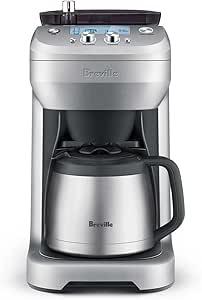
Breville Grind Control BDC650BSS Thermal Carafe Coffee Maker – Brushed Stainless Steel
As an affiliate, we earn on qualifying purchases.
Use a compact cup so the coffee doesn’t disappear
A compact serving makes it easier to taste espresso because it limits the amount of milk surrounding each shot. Recipes vary, but a commonly used modern café guide is roughly equal parts espresso, steamed milk, and foam; the cup size and shot strength matter just as much as that rough ratio.
Here’s a practical example: a single shot in a small cup may taste distinct, while the same shot stretched into a large mug can taste like warm milk even if the milk is beautifully steamed. Keep the espresso the same and switch to a smaller cup. If that improves the balance, you’ve found a dilution problem, not a foam problem.
Use the following as a starting point rather than a universal rule. Cappuccino styles differ, and the best volume depends on your machine, the coffee, and how strong you like the drink.
| What you notice | Likely cause | Try this next |
|---|---|---|
| Milk flavor dominates | Large serving or too much milk for the shot | Use a smaller cup or add a shot |
| Coffee tastes watery | Weak or poorly extracted espresso | Check dose and extraction before steaming |
| Milk tastes cooked | Milk got too hot | Stop around 55–65°C (130–150°F) |
| Foam feels dry and bubbly | Too much air entered at the start | Add less air and create a smooth whirlpool |
If you like a larger drink, keep its coffee flavor in mind: increase the espresso along with the milk instead of simply topping up the cup. That small choice can turn the same ingredients from a milky breakfast drink into a coffee-forward cappuccino.
Steam milk until it tastes sweet, not cooked
Milk for a cappuccino should feel creamy and taste naturally sweet, which is why temperature matters. A practical starting range is 55–65°C (130–150°F); milk heated much beyond roughly 65°C can taste cooked and lose sweetness, covering the espresso with a flat, heavy flavor.
Start with cold milk in a clean pitcher, introduce a little air near the surface, then lower the wand tip enough to create a steady swirl. The air adds volume; the swirl breaks larger bubbles into fine foam and folds it through the milk. If you hear loud spluttering for several seconds, you may be adding too much air. The finished milk should look glossy, almost like wet paint, rather than stiff like shaving cream.
For a home example, steam a small pitcher while watching the thermometer approach 60°C. Stop the steam, wipe and purge the wand, then let the pitcher settle for a moment. That temperature leaves room for a comfortable sip while preserving a soft sweetness. If your first sip tastes cooked, lower your target next time rather than adding sugar to hide the problem.
Milk and equipment vary, so treat the range as a starting point, not a law. A temperature-controlled frother can make repeatable cups, but a thermometer works too. Never reheat leftover steamed milk; make only what you need, and keep unused milk refrigerated according to its package directions. Dairy and plant milks are perishable foods, so avoid leaving them sitting warm on the counter.
Build fine foam that blends into every sip
Fine, integrated foam gives a cappuccino a creamy texture while letting espresso flavor come through. Big dry bubbles can make the drink feel airy without adding much richness, and a thick cap over thin milk can separate the first sip from everything underneath.
Think of the pitcher as a small whirlpool: a little air enters near the surface, then the spinning milk pulls that air through the liquid. When you finish steaming, tap the pitcher gently on the counter if a few large bubbles remain, then swirl until the milk and foam look evenly mixed. Pour promptly, before the foam separates again.
Imagine a morning rush at home: your espresso is ready, but you spend three minutes taking a phone call while the milk sits. The foam settles on top, the liquid stays below, and the first pour becomes lopsided. Swirling just before pouring restores the mixture and makes the cup more consistent from top to bottom.
Foam preferences vary. Some traditional styles call for a more pronounced cap; many modern cafés favor a finer texture that blends smoothly with espresso. Either way, avoid a stiff, dry mound if your goal is a cappuccino that doesn’t taste like milk alone. The texture should support the coffee, not hide it.
Follow this simple order for a balanced cappuccino
To build a cappuccino that tastes like coffee, prepare a sound espresso first, steam only the milk you need, and pour while the milk is still glossy and integrated. This order keeps the espresso from waiting too long and gives you a chance to correct the cup size before milk takes over.
- Choose a compact cup. Start small, especially if you use one shot.
- Pull the espresso. Taste it briefly; it should be concentrated and reasonably balanced.
- Steam cold milk. Add a little air, build a whirlpool, and aim for about 55–65°C (130–150°F).
- Swirl the pitcher. Mix the glossy milk and foam so they pour together.
- Pour promptly and taste. If coffee fades, adjust the shot or cup size next time.
For example, if your first attempt uses one shot and fills a large cup, change just one variable: keep the shot but choose a smaller cup. If the coffee comes through, you’ve learned more than you would by changing beans, milk, and steaming technique all at once.
Use this as a repeatable baseline, not a fixed formula. A commonly used modern café ratio is roughly equal parts espresso, steamed milk, and foam, but recipes differ. Write down the cup size, shot count, and milk temperature for a few mornings. That simple note makes it easier to repeat a good result and isolate the cause when the next cup tastes off.
Adjust the recipe when you use plant-based milk
Plant-based milk can make a satisfying cappuccino, but its sweetness, thickness, and steaming behavior depend on the product. Barista-style oat and soy drinks are often designed to texture more reliably than standard cartons, though one brand may taste noticeably sweeter or grainier than another.
Start with a small serving and steam gently, since some alternatives thicken or split when overheated. If your oat cappuccino tastes cereal-like, the milk may be contributing a flavor of its own; a slightly stronger espresso or a smaller cup can bring the coffee back into focus. If soy seems too sweet, try a different barista-style product before changing the espresso.
Picture a weekend tasting: make two small cups with the same shot, one with dairy milk and one with barista oat milk. Keep temperature and volume close, then compare the coffee flavor and finish. This is more useful than changing the beans and the milk at once, because you can tell which ingredient shifts the balance.
Read the carton and follow its refrigeration and use-by instructions. Plant-based drinks are not all alike, and no single option works best for every coffee or palate. If the foam separates quickly, swirl before pouring and serve promptly; if the drink still tastes mostly of milk, revisit the serving size and espresso strength as you would with dairy.
Fix a milky cup without making the next one bitter
If your cappuccino tastes like warm milk, first identify whether the coffee is faint, the serving is oversized, or the milk tastes cooked. A quick fix for a finished cup is another espresso shot, but a smaller serving or a better-extracted shot usually makes the next one taste more balanced without pushing bitterness higher.
Try this simple diagnosis: taste a sip of espresso before adding milk, then taste the finished cappuccino. If the espresso already tastes weak, adjust the coffee. If it tastes good alone but disappears in the cup, reduce milk or increase the shot count. If the flavor turns dull and cooked, lower the steaming temperature. One cup can tell you which part needs attention.
- Faint coffee: use a smaller cup, improve extraction, or try a second shot.
- Watery body: check espresso dose and avoid overly thin, heavily aerated milk.
- Cooked flavor: steam cooler and do not reheat leftover milk.
- Harsh bitterness: adjust grind or extraction instead of automatically adding espresso.
Change one thing per cup. For instance, keep your usual beans and milk but reduce the serving size tomorrow. This makes the result easy to read, like turning one knob at a time on a radio until the signal clears. A cappuccino recipe is personal, but a clear espresso note and sweet, smooth milk give you a reliable target.
Frequently Asked Questions
Why does my cappuccino taste like milk?
The usual causes are a weak espresso, too much milk for the shot, an oversized cup, or milk steamed too hot. Taste the espresso alone and compare it with the finished drink; that tells you where to make your first adjustment.
What is the standard cappuccino ratio?
A traditional description often divides a cappuccino into roughly equal portions of espresso, steamed milk, and foam, but recipes vary by café and region. Cup size and espresso dose matter as much as the ratio, so use a compact serving and keep the coffee clearly present.
How hot should milk be for a cappuccino?
About 55–65°C (130–150°F) is a useful starting range for sweet-tasting, textured milk. Milk heated much beyond roughly 65°C can taste cooked; adjust within the range for your preference and milk type.
Should cappuccino foam be dry or wet?
Foam styles vary, but fine, integrated foam usually feels creamy and lets espresso show through more clearly than large, dry bubbles. Add a little air at first, create a smooth whirlpool, and swirl the pitcher before pouring.
Can I make a cappuccino without an espresso machine?
Yes. Use concentrated coffee from a moka pot or AeroPress, then froth warm milk and follow the same balance principles. The flavor will differ from machine espresso, so start with a small cup and adjust the coffee strength to suit the milk.
Which milk works best for cappuccino?
Dairy milk is forgiving when steamed properly. Barista-style oat or soy milk often textures more reliably than standard plant-based cartons, but sweetness and foam vary by brand, so try a small cup before settling on a recipe.
Conclusion
When your cappuccino tastes like warm milk, check the coffee-to-milk balance before reaching for a new recipe. Start with a sound espresso, a compact cup, and glossy milk steamed around 55–65°C (130–150°F); then adjust one variable at a time.
Make the next cup small enough for the espresso to speak. You should taste coffee beneath the soft foam, not search for it at the bottom.