
TL;DR

Get coffee and tea gear delivered free with Prime
- Fast, free delivery on millions of items
- Prime Video, Amazon Music and more included
- Member-only deals all year
Coffee beans can look much the same for months after roasting while losing the volatile aromas that give a cup sweetness and complexity. Check the roast date, keep beans cool, dry, dark, and airtight, and grind just before brewing; if a fresh bag still tastes flat, check your water and recipe too.
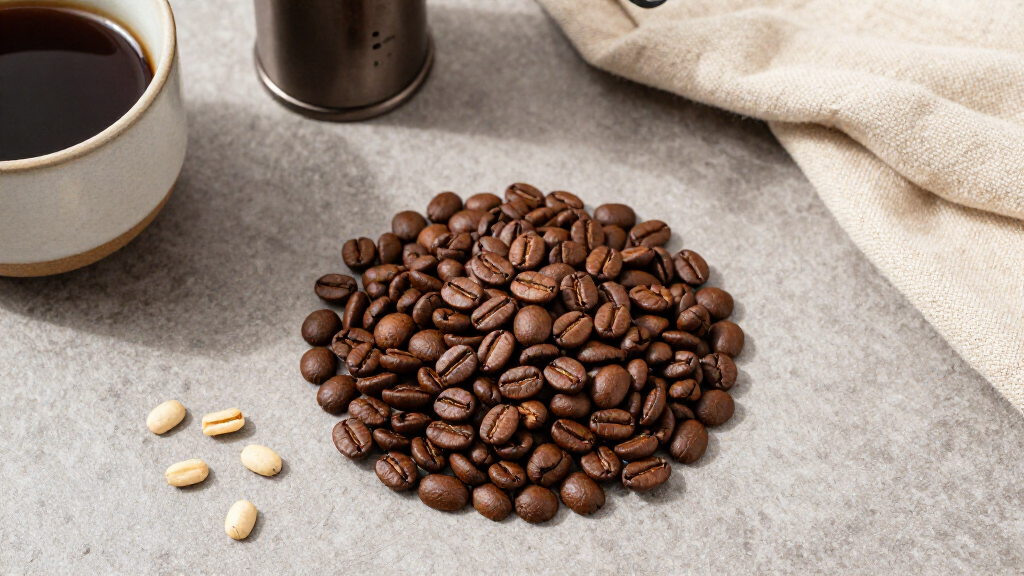
A jar of coffee beans can look handsome and glossy long after the cup they make has gone quiet. Color and shape change slowly, while the aromas that smell like toasted nuts, berries, or cocoa can fade much sooner. That is why old beans can still look fine but taste flat.
You can judge freshness more reliably by checking the roast date, how the beans were stored, and what you smell and taste after brewing. This guide explains what aging does, how to tell it from a brewing problem, and how to get more life from an opened bag. You will also learn when old beans are still usable and when dampness or mold means you should throw them away.
Check the roast date when available; a best-by date is a quality estimate, not a precise freshness gauge.
Beans can keep their shape and color as their aroma fades, so smell and taste tell you more than looks.
Store opened beans cool, dry, dark, and airtight, and grind shortly before brewing.
If a fresh bag tastes flat, check water, grind, dose, temperature, and extraction before blaming freshness.
Dry, old beans are usually safe to use, but discard beans that are damp, moldy, or distinctly rancid.
COFFEE FRESHNESS / FIELD GUIDE
Why Old Beans Can Still Look Fine but Taste Flat
Beans can keep their familiar shape and color long after the aromas that make coffee sweet, vivid, and complex begin to fade. Judge the cup by its roast date, storage history, scent, and taste—not appearance alone.
Flavor fades before the bean looks old
Roasting creates many volatile aromatic compounds. Air, heat, light, and moisture help them escape or change, while color and shape can remain almost the same.
Less fragrance
Notes of toasted nuts, berries, cocoa, or flowers become harder to smell as volatile compounds dissipate.
Muted sweetness
With less aroma, coffee can seem less sweet and layered, with a dull, papery, or cardboard-like finish.
Looks can mislead
Intact shape and familiar color do not reveal how much aroma remains. Smell and taste tell you more.
What speeds the fade?
Storage slows quality loss but cannot stop aging. Grinding exposes far more surface area to air, so ground coffee generally loses aroma sooner.
More surface, faster aroma loss
Illustrative comparison of exposed surface area—not a measured freshness timeline. Grind just before brewing for a livelier cup.
Limit the things that hasten change
Oxygen
Repeated air contact dulls aroma.
Heat
Warmth speeds quality changes.
Light
Sunlight can compromise quality.
Moisture
Dampness threatens both quality and safety.
Is it stale—or a brewing issue?
A flat cup is a clue, not a diagnosis. Check freshness and the recipe together before deciding what changed.
Find the roast date
Use it as a time clue. A best-by date is a broad quality estimate.
Recall storage
Was the bag open, warm, bright, or damp? Exposure adds context.
Smell and taste
Less fragrance, sweetness, and complexity can point to fading aroma.
Check the recipe
Review water, grind size, dose, temperature, and extraction.
Adjust and compare
Make one brew change at a time, then taste again.
Freshly roasted coffee can benefit from a short rest as escaping carbon dioxide settles; timing varies by coffee and brewing method. There is no universal freshness deadline.
Read the label. Protect the aroma.
A date is only one piece of the bag’s history. Packaging and storage conditions help explain how the coffee may taste now.
| Clue or choice | What it tells you | Practical move |
|---|---|---|
| Roast date | A useful starting point for how long beans have aged. | Compare dates and taste. |
| Best-by date | Usually a quality estimate, not a precise freshness gauge. | Use as broad context. |
| Opened bag | Repeated air exposure adds up over time. | Reseal firmly; store cool, dry, and dark. |
| One-way-valve bag | Can release roasting gases while limiting outside air. | Helpful packaging, not a freshness guarantee. |
| Freezing | Can help with longer storage when carefully portioned. | Use airtight portions; avoid repeated thawing and condensation. |
Everyday habit: keep an opened bag airtight in a cool, dry, dark cupboard away from the oven. Skip the refrigerator, where moisture and odors can be a problem.
Use your senses—and trust the warning signs
Stale, dry beans are generally a quality issue rather than a safety issue. The condition of the beans matters more than a single age number.
Dry, intact beans
Older coffee may taste less vivid yet remain usable. Try a recipe adjustment if the cup is weak or unbalanced.
Choose a useful bag size
Buy an amount you can enjoy after opening. Smaller bags can suit coffees with delicate fruit or floral notes.
Damp, moldy, or rancid
Throw beans away if they are damp, show mold, or smell distinctly rancid. Do not taste-test questionable beans.
Why beans lose flavor before they look old
Coffee beans can look much the same for months after roasting even as their aroma and flavor fade. Their color and shape are structural traits, while much of a coffee’s character comes from volatile aromatic compounds created during roasting. These compounds readily escape into the air or change through reactions with oxygen. The result is a mismatch: the bean still looks intact, but fewer of the aromas that signal sweetness, fruit, or complexity reach your nose and palate.
This matters because aroma is part of how we perceive flavor. When you smell caramel, citrus, or roasted hazelnut in a fresh bag, those scents help make the brewed coffee seem vivid and layered. As they fade, sweetness can seem lower and the cup more one-dimensional, even if the beans still produce a dark, recognizable coffee taste. A papery finish is one possible sign, but no single taste proves staleness on its own.
Oxygen speeds that fading. It reacts with coffee components, including fats, and can dull sweetness and complexity. Heat increases the speed of those reactions, while light and moisture can also compromise quality. This is why an open bag on a sunny counter beside a warm kettle ages faster than a sealed, opaque bag in a cool, dry cupboard. The difference is a matter of exposure: storage reduces the rate of change, but it cannot make roasted coffee stop aging.
For example, if you buy two bags roasted on the same day and leave one sealed while opening the other daily, the opened bag gets repeated contact with fresh air. The sealed bag limits that exchange, so its aromas are better protected, though it still ages with time. Packaging is therefore a useful buffer, not a freshness guarantee. Once you open a bag, reducing air exposure helps most when you also keep it away from heat, light, and dampness.
Appearance is not a dependable freshness test. Smell the beans and taste the brewed coffee, then consider those clues alongside the roast date and storage history. A stale cup may seem less fragrant, less sweet, and less layered, with a dull or cardboard-like finish. That sensory change can arrive well before any obvious visual change, which is why a normal-looking bean tells you so little about the cup it will make.
As an affiliate, we earn on qualifying purchases.
Use the roast date to judge a bag more accurately
The roast date tells you when coffee was roasted, while a best-by date is usually a quality estimate rather than a precise freshness measurement. The roast date gives you a starting point for understanding how long the beans have been aging. A best-by date can still help with broad shelf-life expectations, but it usually cannot tell you how long the coffee has already spent in storage or whether that storage was protective.
For instance, a bag with a best-by date six months away might already have spent weeks in a warehouse or on a shelf. A recently roasted bag gives you a more useful clue, especially if it stayed sealed and away from heat and sunlight. Dates describe time, not the bag’s full history, so compare the scent when you first open it with the aroma after brewing. Your senses help interpret what the label cannot show.
There is no universal cutoff for freshness. Many coffees show their most expressive flavors in the weeks after roasting, though the best window varies with the beans, roast, packaging, storage, and your preference. Freshly roasted coffee also releases gas, particularly carbon dioxide. A short rest can let some of that gas escape, which may make brewing more predictable; brewing immediately can sometimes taste uneven because escaping gas interferes with water contacting the grounds.
Imagine opening a light roast three days after its roast date. Its fragrance may already be strong, but the brew can still taste a little sharp or unsettled if the coffee has not rested enough. Another coffee may taste lovely at that age. Treat freshness windows as rules of thumb, not deadlines: roast date helps you make a comparison, while tasting tells you whether this particular coffee has reached a stage you enjoy.
Keep the bag label as a practical guide. If you like a coffee best while its fruit and floral notes are vivid, buy an amount you can use soon after opening; those delicate aromas are often the first qualities you notice fading. If you prefer a softer cup, your own taste may give you a wider window. Connecting the roast date and storage time to the cup you enjoy helps you choose bag sizes and buying frequency that fit your habits.
As an affiliate, we earn on qualifying purchases.
Store an opened bag so it keeps more of its aroma
Store coffee cool, dry, dark, and airtight to slow flavor loss after opening. Each condition limits a different source of damage: a seal reduces oxygen exchange, a cool location slows quality changes, darkness blocks light, and dryness keeps moisture away. A cupboard away from the oven is a better everyday home than a clear jar on a sunny windowsill because it addresses several exposures at once.
When you open a bag for your morning coffee, squeeze out excess air if the package allows it, reseal the closure firmly, and put it away promptly. A sealed bag with an intact one-way valve can release gases from freshly roasted beans while limiting outside air. Once opened, the bag cannot exclude air perfectly, so how often and how long it sits open matters. Packaging helps preserve aroma, but it cannot freeze the flavor in place.
Whole beans generally keep flavor longer than ground coffee. Grinding breaks the beans into many small particles, greatly increasing the surface area exposed to air. That makes aroma escape faster, so Monday’s freshly ground dose will usually smell livelier than coffee ground and stored for several days. Grinding just before brewing takes an extra moment, but it protects the aromas that make the cup taste sweet and distinct. For a busy morning, measuring the beans the night before saves time without leaving the grounds exposed overnight.
Freezing can help preserve beans when you need to store them for longer. Dividing them into airtight portions means you thaw only what you need, limiting repeated exposure to air and temperature changes. The tradeoff is convenience: portioning takes effort, and opening a cold container can bring condensation onto the beans. Let a sealed portion come to room temperature before opening it. Freezing is useful for longer storage, but it is optional for an everyday bag that you will finish soon.
Skip the refrigerator for routine storage. A fridge exposes beans to moisture and nearby food odors, and opening a cold container can cause condensation. Those exposures can undermine the benefit of keeping the coffee cool. If your opened bag sits beside a steaming dishwasher or a sunny window, move it to a cool cupboard instead. That small change protects aroma without special equipment, while a well-sealed container can help if the original bag will not close securely.
As an affiliate, we earn on qualifying purchases.
Tell stale flavor from a brewing problem
A flat cup can come from aging or from your brewing setup, so taste alone does not prove that beans are old. Stale coffee often lacks fragrance and sweetness and leaves a papery or dull finish. But water, grind size, dose, temperature, and extraction can also make coffee taste weak, harsh, or lifeless. The distinction matters because replacing beans will not fix a recipe or water problem, while adjusting a recipe cannot restore aromas that have already faded.
Try a simple comparison on a Saturday morning: brew the same dose of beans with the same recipe, but adjust one variable at a time. If you normally use a coarse grind for a pour-over, grind slightly finer and keep everything else steady. Finer grounds generally extract more quickly because water has more surface to contact; if the cup grows sweeter and fuller, the original brew may have been under-extracted. If it turns harsher, the finer grind may have pushed extraction too far. If neither cup regains aroma, fading beans become a more plausible explanation.
Fresh beans can taste flat too. Water with a strong chlorine smell can mute a coffee’s aroma, while an inconsistent grind can leave some grounds over-extracted and others under-extracted. A dusty grinder or stale water in the kettle can also blur the cup. These factors affect what dissolves into the drink and what you smell, so clean equipment and fresh, good-tasting water before blaming the bag.
Consider a bag that smells fragrant when opened but produces a thin cup. The beans may be fresh, yet the recipe uses too little coffee or too much water, reducing the strength of the brew. Weighing the dose and water for one brew gives you a repeatable baseline. If that measured cup still tastes dull, you have narrowed the possibilities to the beans, water, or equipment instead of judging freshness from one disappointing result.
Change one brewing variable at a time. That keeps the result readable: if the cup improves after one adjustment, you know what likely helped. Adjusting grind, temperature, and ratio together may make the next cup better, but it hides the cause and makes the result harder to repeat. A short, controlled tasting comparison is more useful than guessing from the beans’ appearance.
As an affiliate, we earn on qualifying purchases.
Use this quick check when a cup tastes lifeless
You can check freshness and brewing in five small steps. Start with the bag and aroma, then test your recipe before deciding the coffee is past its best. Each clue has limits: a roast date gives a timeline, storage reveals likely exposure, and aroma and taste show the result. Taken together, they give you a stronger diagnosis than any one clue.
- Find the roast date. Note how long ago the beans were roasted and whether the bag’s best-by date is the only date shown. A roast date helps place the bag in time, while a best-by date alone leaves more of its history unknown.
- Check storage. Ask whether the bag sat open, near heat, in sunlight, or somewhere damp. Poor storage makes faster aroma loss more likely, though it does not prove that the coffee is stale.
- Smell the whole beans. A lively fragrance is a good sign; a faint, dusty smell can point to fading aroma. Compare the smell with your memory of the same coffee if possible.
- Grind a fresh dose. Compare the scent just after grinding with the smell from an older pre-ground portion, if you have one. The fresh grind exposes more aroma, so a clear difference can show how quickly ground coffee loses fragrance.
- Repeat your recipe carefully. Weigh coffee and water, use fresh water, and adjust only one variable if the cup remains weak or dull. A repeatable brew helps separate bean aging from an inconsistent recipe.
Suppose your bag has no roast date and has spent a month loosely rolled shut beside the toaster. The uncertain age, repeated air exposure, and warmth all make aroma loss more likely. If the muted smell and flat finish appear together, that is stronger evidence than either clue alone. If another freshly opened bag tastes lively with the same recipe, the comparison adds support that the first bag has aged.
Look for patterns, not a single clue. Oily beans are not automatically stale: some dark roasts naturally show surface oil, and oiliness alone cannot tell you when the coffee was roasted. A faded aroma, poor storage, and a dull cup together make a stronger case than appearance by itself because they connect exposure with a change in what you smell and taste.
Once you know the likely cause, make one practical change. Seal the bag more carefully, move it away from the stove, grind closer to brew time, or adjust the recipe. One change at a time lets you see whether the next cup improves, and avoids replacing a whole routine based on one disappointing cup.
Know when old beans are still usable
Old, dry coffee beans are usually a quality issue, not a safety issue. Losing fragrance does not automatically make them unsafe to brew. Properly stored beans can remain usable after their most vivid flavors have faded, because flavor loss and spoilage are different processes. A bland cup is a reason to adjust expectations, not by itself a reason to panic.
Check for the conditions that do call for discarding them: dampness, visible mold, or a distinctly rancid smell. Moisture can create conditions in which mold grows, while a rancid smell can signal that fats have deteriorated. If a bag was left wet in a humid area, do not taste-test it to see whether it is fine. Throw it away. Dry beans that smell merely weak or papery are a different situation: they may brew safely but produce a less enjoyable cup.
Old coffee can still work in some recipes. A softer, less aromatic brew may suit milk drinks where espresso’s sharper notes are less exposed, though stale beans will not regain lost sweetness. You might use them for a batch of cold brew or a baking recipe if they are dry and show no signs of spoilage. These uses can make fading flavors less prominent, but they also change the drink or dish; they do not restore the coffee’s original character.
For example, if you find an older bag in the pantry while preparing coffee for guests, brew a small test cup first. If it tastes flat but clean, you can decide whether it suits a milky drink. If it smells rancid or the beans look damp or moldy, discard them instead of serving them. A small test helps you judge quality, but it is not a substitute for discarding coffee with signs of spoilage.
Buy a bag size you can finish comfortably. A smaller bag may cost more per ounce, but it can give you livelier cups if you drink coffee slowly and reduce the amount that sits open. A household that brews several cups each morning may finish a larger bag while it still tastes good. Match the amount to how quickly you drink it, balancing the higher per-ounce cost of small bags against the value you place on fresher aroma.
Frequently Asked Questions
How can I tell if coffee beans are stale if they look normal?
Smell and taste them. Stale beans often have a faint aroma and make coffee that lacks sweetness or complexity, sometimes with a papery finish. Their color and shape may still look normal.
How long do whole beans stay fresh after roasting?
There is no single freshness cutoff. Many coffees taste most expressive in the weeks after roasting, but the best window depends on the coffee, packaging, storage, and your preferences. Follow the roast date and notice how the aroma changes.
Should I use the roast date or the best-by date?
Use the roast date as your clearest freshness clue. A best-by date is generally a quality estimate and does not show exactly when the beans were roasted. If only one date appears, treat it as a rough guide rather than a precise measure of flavor.
Should I store coffee beans in the fridge or freezer?
A cool, dry, dark cupboard works well for everyday storage. Refrigerators can expose beans to moisture and food odors. Freezing can preserve coffee for longer if you divide it into airtight portions and avoid repeated thawing and condensation.
Can old coffee beans make me sick?
Dry beans that have simply lost flavor are usually a quality concern, not a safety concern. Discard beans that are damp, moldy, or smell distinctly rancid. Do not taste beans that show signs of spoilage.
Why does my coffee taste flat even though the beans are fresh?
Brewing conditions can mute fresh coffee. Water quality, grind size, coffee-to-water ratio, brew temperature, and extraction all affect flavor. Change one variable at a time and repeat the same measured recipe to find the cause.
Conclusion
Trust the roast date, storage history, aroma, and cup more than a bean’s polished appearance. Keep your bag sealed in a cool, dry cupboard, grind just before brewing, and use a measured recipe when a coffee tastes dull. That gives you a fair test of whether the beans have aged or your brew needs a small adjustment.
Old beans can still make a safe cup, but they cannot bring back the fragrance they have lost. Follow the scent from grinder to mug: when the kitchen smells lively, your coffee is already off to a better start.
Fall Picks
fall essentials
As an affiliate, we earn on qualifying purchases.