TL;DR

Get coffee and tea gear delivered free with Prime
- Fast, free delivery on millions of items
- Prime Video, Amazon Music and more included
- Member-only deals all year
A plumbable espresso machine connects to a water supply, so you can brew without stopping to refill a reservoir. It suits busy cafés and high-use home setups, but you need compatible plumbing, suitable filtration, code-compliant installation, and a plan for filter changes and descaling.
The first time a busy morning runs your espresso machine’s water tank dry, the interruption arrives with a little hiss and a very unromantic trip to the sink. A plumbable espresso machine skips that refill routine by drawing water from a connected supply. For a café, that can keep drinks moving; for a home barista, it can make a high-use coffee corner feel more like a permanent station.
That convenience has a second side: you are not just choosing a machine anymore. You are taking responsibility for the water line, filtration, installation, and maintenance that feed it. This guide explains what plumbable means, where the freedom pays off, what your kitchen or café needs, and how to judge whether the extra work makes sense for you.
You will also get practical questions to ask before buying, a clear installation sequence, and ways to avoid common water-related problems. The goal is simple: help you enjoy the steady stream of espresso without discovering that the plumbing plan was an afterthought.
A plumbable espresso machine connects to a water supply and removes routine reservoir refills, not cleaning or water maintenance.
Before purchase, check the model’s connection and pressure requirements, filtration needs, drainage, service access, and local plumbing rules.
Treat $3,000 to $15,000-plus as an indicative machine-price range, then budget separately for installation and filtration.
Match filtration to tested local water and the manufacturer’s guidance; do not assume every filter or water type suits every machine.
Choose a direct connection when your drink volume makes refilling a real interruption and you can maintain the line responsibly.
What a plumbable espresso machine changes in your daily routine
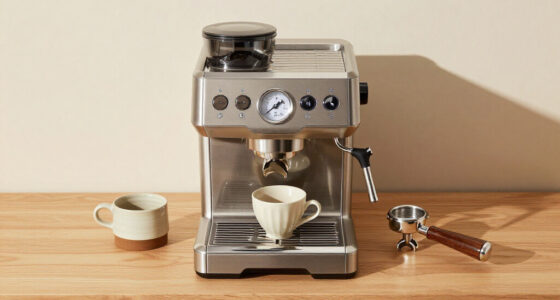
A plumbable espresso machine connects to a water supply instead of relying only on a refillable tank, giving you a steady source of water for brewing. You still need to clean and maintain the machine, but you no longer have to pause to carry a small reservoir to the sink. That change matters most when you make drinks back to back.
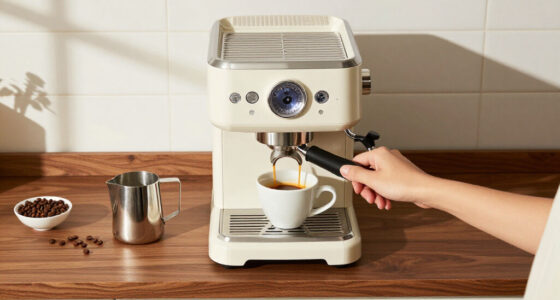
In a café, the benefit is easy to see: during a Saturday rush, a barista can pull shot after shot without watching the tank level. At home, imagine making cappuccinos for six guests; the machine keeps working while you steam milk and tap out coffee pucks. The workflow feels smoother, and your counter stays clear of a jug parked beside the machine.
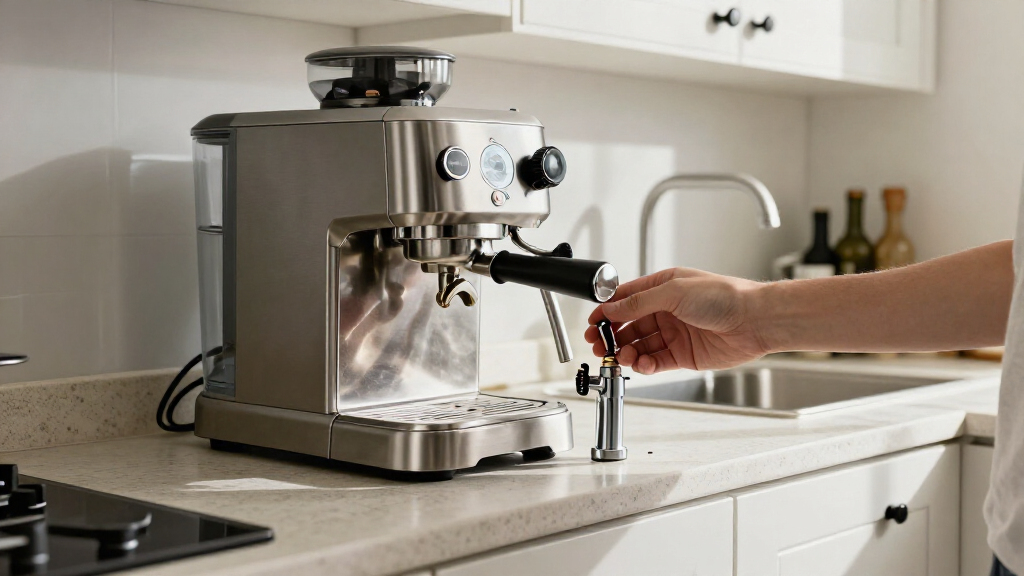
What are plumbable espresso machines in practical terms? They are machines built or configured to accept a water connection, often alongside or instead of a reservoir. Some models let you choose between tank and line, which can help if you want to move the machine or keep a backup water option. Check the specific model’s instructions rather than assuming every high-end machine offers the same setup.
A direct supply does not automatically mean better espresso. Shot quality still depends on coffee, grinder, temperature, pressure, and water composition. The real gain is less refilling and more consistent workflow; the next question is whether your water and plumbing are ready for that convenience.
As an affiliate, we earn on qualifying purchases.
When a direct water connection is worth the extra setup
A plumbable espresso machine makes the most sense when frequent refills interrupt your routine or when many people use the machine. It is a practical fit for cafés, busy offices, tasting rooms, and homes where several people make coffee every day. If you pull only one or two shots each morning, a reservoir model may give you the same cup with less installation work.
Think about a household that makes eight drinks before noon: a reservoir can become a small chore, especially when the machine also uses water for rinsing or hot-water dispensing. In a small café, stopping service to refill can be more than an annoyance; it can slow a line at exactly the moment customers are waiting. A connection replaces that repeated task with a different one: maintaining the supply and its filters.
Plumbable models often sit in the commercial-grade or high-end part of the market. A broad indicative range is around $3,000 to $15,000 or more, depending on capacity, features, and brand; treat that as a starting point, not a current quote. Installation, filtration, fittings, and any changes to the counter or cabinets can add to the total.
For a home installation, picture the machine going into a fixed coffee nook beside a sink, with a cabinet underneath that can hold filtration and a shutoff valve. If you rent, move often, or have no nearby water line, a reservoir may be the more sensible choice. Convenience earns its keep only when your space and use justify the setup.
commercial espresso machine with water line
As an affiliate, we earn on qualifying purchases.
As an affiliate, we earn on qualifying purchases.
Check these five plumbing details before you buy
Before buying a plumbable espresso machine, confirm that your water source, pressure, fittings, drain needs, and installation location match the manufacturer’s requirements. A model that looks perfect on a showroom counter can become an expensive headache if your kitchen cannot supply it safely. Get the requirements in writing and check them against your actual space.
Use this checklist with the retailer, installer, or building manager. For example, if your machine will sit on an island, measure the route for water lines and access panels before ordering; a beautiful stone countertop does not make a hidden leak easier to repair.
- Water supply: Ask what connection type, pressure range, and shutoff arrangement the machine requires.
- Water treatment: Find out whether the manufacturer specifies a filter, softener, or particular water composition.
- Drainage: Check whether the machine needs a drain connection or uses a drip tray that you empty by hand.
- Space and access: Leave room for hoses, filter changes, ventilation, and service—not just the machine’s footprint.
- Local rules: Ask a licensed plumber whether permits, backflow protection, or other code requirements apply where you live.
Each detail affects more than whether the machine can be connected. Pressure outside the specified range can interfere with filling or operation, while unsuitable water can cause flavor problems or mineral deposits. An inaccessible filter or shutoff turns routine service into a bigger job, and skipping applicable plumbing protections can create safety, compliance, or property-damage risks. A licensed installer can check the line and fit a shutoff valve so you can stop water quickly if a hose leaks. That modest bit of planning protects cabinets, flooring, and the machine itself.
As an affiliate, we earn on qualifying purchases.
Choose filtration for your local water, not for the label
Filtration for a plumbable machine should match your local water and the espresso machine’s requirements, not a vague promise that a filter makes every supply ideal. Water contains different minerals from place to place, and those minerals affect both flavor and scale buildup. A filter that suits one city may not suit another.
Hard water can leave pale, chalky deposits inside a boiler or narrow passage, much like mineral rings in a kettle. Over time, deposits can reduce heat transfer or obstruct small pathways, leading to performance issues and potentially costly service. Very low-mineral water can also be a poor match for some machines or taste flat, so “softer” is not automatically “better.” Ask your water provider for a report or use a suitable test, then compare the results with the machine maker’s specified range. This helps you choose treatment that addresses an actual water issue rather than buying equipment by guesswork.
For example, a café that changes its filter on schedule can maintain more predictable water than one that installs a cartridge and forgets it for a year. As a cartridge becomes exhausted, its ability to treat water may decline; the machine can then be exposed to the conditions the filter was meant to manage. A home user should write the replacement date on the cabinet or set a calendar reminder. Track the filter model, installation date, and any water test results; those details help a technician diagnose scale or flavor changes later.
Filtration helps manage water, but does not make maintenance disappear. Some systems reduce particular minerals or particles, while others target different issues. Read the filtration system’s specifications, follow the machine’s guidance, and avoid adding treatment equipment without checking compatibility. The right setup can support flavor and machine life; the wrong one can waste money or create a new service problem.
espresso machine water filtration system
As an affiliate, we earn on qualifying purchases.
As an affiliate, we earn on qualifying purchases.
Install the machine safely and leave room for service
Have a qualified installer connect a plumbable espresso machine when the work involves fixed water lines or local plumbing rules. The installer can confirm the connection, pressure, shutoff, and any required protective fittings, while the machine manual defines the model-specific setup. This is not a good place to improvise with spare parts from a hardware drawer.
A practical installation starts with the machine’s final location, not with drilling the first hole. Measure the footprint, mark the route for supply and drain lines, and make sure you can reach the shutoff valve without pulling out a heavy machine. If a filter sits below the counter, leave enough clearance to unscrew and replace its cartridge without dismantling a shelf.
Consider a home coffee nook where the machine fits neatly but the water connection is pinched behind a drawer. The setup may work on day one, yet a small leak could stay hidden until the cabinet smells damp. A plumber can help route the line accessibly and check for leaks after installation; you should also know where the shutoff is before the first shot.
Building codes vary by location, and a café may face requirements that do not apply to a private kitchen. Ask the local authority or a licensed plumbing professional about the rules for your premises. Good installation is less glamorous than a polished chrome group head, but it is what lets you enjoy the machine without worrying about what is happening under the counter.
Keep the water connection dependable with a simple maintenance routine
A plumbable machine still needs regular cleaning, filter replacement, and mineral management because a constant supply does not protect internal parts from scale or coffee oils. The exact schedule depends on the machine, water, filter, and how many drinks you make. Follow the manufacturer’s maintenance instructions instead of applying one descaling timetable to every machine.
For example, a café pulling drinks all day may need more frequent cleaning than a home machine used on weekends. Build maintenance into the workflow: clean the group head at closing, inspect the drip tray, and record filter changes. If espresso starts tasting unusually bitter or the machine heats and fills differently, treat that as a prompt to investigate rather than a reason to pour in descaler at random.
Look for practical warning signs: a damp cabinet, a loose hose, a change in water flow, or a filter that has passed its service date. Know how to close the supply valve, and arrange service if you see a leak or suspect a fault. For cafés, keep the machine’s service records where staff can find them; a dated log is far more useful than trying to remember when a cartridge was last replaced.
Maintenance protects both performance and water quality. Descale only as the maker directs, since an unsuitable chemical or process can damage components. If your water is treated properly and the machine gets regular care, the connection becomes dependable rather than invisible—and that distinction matters when something goes wrong.
Compare a plumbed machine with a reservoir before committing
A plumbed machine trades refill convenience for installation and water-system responsibilities, while a reservoir machine trades a simpler setup for hands-on filling. Neither option wins for every buyer. Your daily drink count, counter layout, budget, and willingness to maintain a filter should make the decision.
Imagine two buyers: one makes a morning espresso and an occasional weekend latte, while the other runs a home tasting group or serves coffee in a studio all day. The first may find a reservoir easy to live with; the second may value an uninterrupted supply. If you are comparing machines by boiler construction as well, a guide to espresso machines with stainless steel boilers can help you examine that separate buying question without confusing boiler material with plumbing style.
| Choice | What you gain | What you take on | Often suits |
|---|---|---|---|
| Plumbable | Continuous supply and fewer refill pauses | Installation, filtration, and line upkeep | Busy cafés, offices, and high-use homes |
| Reservoir | Simpler placement and easier relocation | Manual filling and watching tank levels | Lower-volume use, renters, and flexible setups |
The tradeoff is not simply convenience versus inconvenience; it is where you want the recurring work to sit. With a reservoir, filling is visible and immediate, but the task returns as the tank empties. With a plumbed setup, refilling disappears from the daily routine, while filter changes, inspections, and occasional service become less visible but still necessary. That difference matters: a missed refill is usually a short interruption, while neglected water treatment or a hidden leak can have longer-lasting consequences.
Price the whole setup, not just the machine. Add installation, filters, any cabinetry work, and ongoing replacements to the plumbable option; weigh those costs against the time and interruptions a reservoir creates. A comparison that includes your real routine is more useful than choosing by the largest boiler or flashiest control panel.
Decide whether the freedom is worth the responsibility
A plumbable espresso machine is worth considering when steady access to water meaningfully improves your work and you can support the connection properly. It is not a shortcut around cleaning, water quality, or service. The best choice is the one that fits the pace of your day and the realities behind your counter.
Try a simple weeklong test before you buy: note how often you refill your current machine, how long it takes, and whether the pause causes trouble. A home barista who refills once a day may discover the tank is no burden at all. A small office that empties it repeatedly before lunch may see a clear case for a line connection.
Next, ask for an installation estimate and filter plan before committing to a machine. For a café, include who will change cartridges and how staff will respond to a leak; for a home, check that the connection can be shut off and serviced without moving appliances. If the machine costs several thousand dollars, a short conversation with a plumber can prevent costly surprises later.
Put the choice plainly: buy plumbable for workload, not status. If the plumbing, budget, and maintenance routine all make sense, the payoff is a calmer workflow and fewer trips to the sink. If one of those pieces is missing, a reservoir can still make excellent espresso—just with a little more water carrying.
Frequently Asked Questions
Can you use a plumbable espresso machine at home?
Yes, a plumbable machine can suit a home with frequent coffee use and a practical route to a water line. Check the machine’s installation requirements, available space, filtration needs, and local rules first; if you move often or rent, a reservoir model may be easier.
Does a plumbable machine still need a water filter?
Many installations use filtration or other water treatment, but the right setup depends on your local water and the machine maker’s specifications. Check a water report or test results and confirm that the selected filter targets the issue you actually have.
How much does a plumbable espresso setup cost?
Indicative machine prices can range from around $3,000 to $15,000 or more, depending on capacity and features. Add separate estimates for plumbing work, filtration equipment, and any counter or cabinet changes, since those costs vary by location and installation.
Can I install a plumbable espresso machine myself?
Fixed water connections can involve pressure requirements and local plumbing rules, so a qualified installer is the safer choice. Have them confirm the connection and shutoff arrangement, and follow the machine manual for model-specific requirements.
Do plumbable espresso machines need descaling?
They may still need mineral management and descaling, depending on the water, filtration, and machine instructions. Follow the maker’s schedule and approved method; a direct water supply does not prevent scale buildup or replace routine cleaning.
Conclusion
Choose a plumbable espresso machine when its steady water supply solves a real workflow problem and you have a safe, maintainable way to connect it. Check the water, installation, and full ownership costs before you buy; the freedom is only as good as the plumbing behind it.
Do that planning well, and your coffee station can keep humming while the morning rush rolls on—no tank to carry, no surprise puddle under the counter.
Columbus Day / Indigenous Peoples' Day Picks
long weekend sales
As an affiliate, we earn on qualifying purchases.