TL;DR

Get coffee and tea gear delivered free with Prime
- Fast, free delivery on millions of items
- Prime Video, Amazon Music and more included
- Member-only deals all year
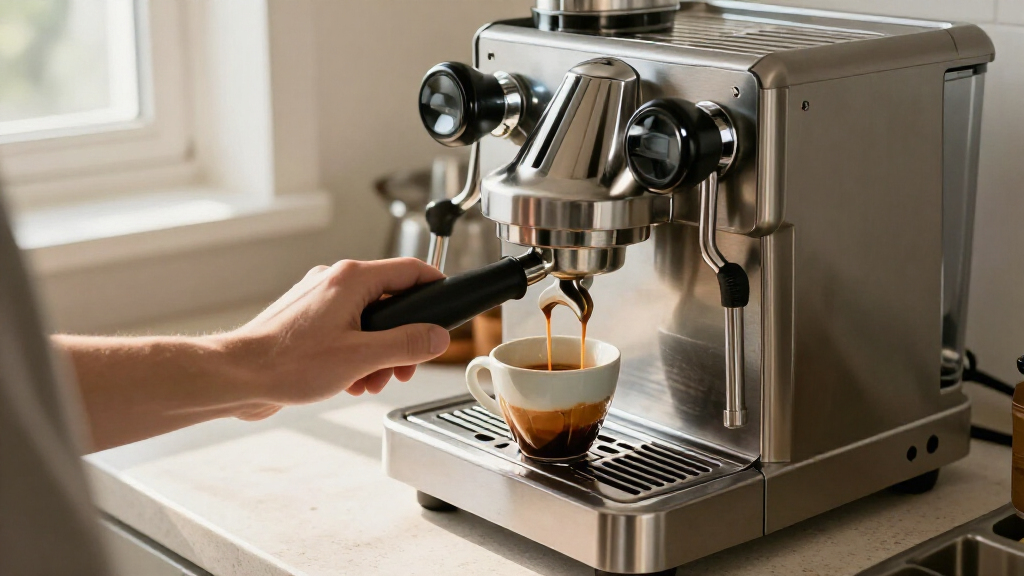
Turbo shots use a coarser grind and a shorter extraction—often about 15–20 seconds—to make espresso that can taste clearer, sweeter, and less bitter. They challenge the traditional idea that balanced espresso must take 25–30 seconds, but they may have less body and crema, and the best recipe depends on your coffee and equipment.
A shot of espresso can finish in under 20 seconds and still taste balanced. That sounds wrong if you learned to chase a fine grind, high pressure, and a 25–30-second extraction—but turbo shots show that espresso has more than one route to sweetness.
A turbo shot uses a coarser grind and a faster flow than a conventional espresso recipe. The approach can bring out bright fruit or floral notes and reduce bitterness, though you may trade away some body and crema. Think of it as opening a second route through the same coffee, not a shortcut that works for every bean.
Here, you’ll learn what makes a shot “turbo,” why coarser grounds can help water move more evenly, and how to test the method on ordinary espresso equipment. You’ll also see how to spot a shot that has turned sharp or thin, so you can adjust the recipe with your palate rather than the timer alone.
A turbo shot commonly uses a coarser grind and takes about 15–20 seconds, but no single recipe defines the style.
A starting recipe can use 15–18 grams of coffee and a 1:2 to 1:3 brew ratio; judge the result by taste as well as time.
Coarser grounds can ease water flow and bring out clearer, sweeter flavors, though an overly coarse grind can taste sharp or thin.
Turbo shots may have less body and crema, so a traditional shot can still be a better fit for your palate or milk drink.
You can experiment on many standard espresso machines by changing one variable at a time and keeping a simple brew log.
Espresso / A second route to balance
Why Turbo Shots Challenge Traditional Espresso Rules
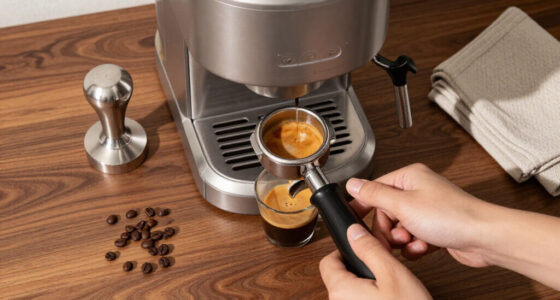
A balanced espresso can finish in under 20 seconds. Turbo shots trade the familiar fine-grind, long-pull formula for a coarser grind and faster flow—opening a different path to sweetness, clarity, and a cup that suits the coffee.
“The clock tells you what happened. Your palate helps you decide what to change.”
Turbo is a brewing approach, not one fixed recipe or pressure setting.01 / The recipe, in context
What makes a shot “turbo”?
A coarser grind gives water an easier path through the coffee bed. Dose, yield, flow, and taste still decide whether the cup is balanced.
Less resistance
Coarser particles let water move through the puck more freely, often reducing dependence on tiny distribution or tamping differences.
A useful starting point
16 g → 40 gFor example, a 1:2.5 ratio gives about 40 g out from a 16 g dose. Adjust to the coffee and basket.
Clarity with a trade-off
Expect possible fruit or floral clarity and less bitterness. The texture may be lighter, with less body and crema.
Time is a clue, not a quality score. An 18-second shot can taste sweet and clear. A fast, hollow, sour shot is a reason to adjust—not proof that every short shot has failed.
02 / Two routes through the puck
Traditional rules are starting points, not laws
Fine grinding and longer contact can work beautifully. Turbo recipes ask whether a different balance of flow and extraction suits this coffee better.
| What you notice | Turbo shot | Traditional espresso |
|---|---|---|
| Grind and time | Coarser grind; often 15–20 seconds | Finer grind; often 25–30 seconds |
| Possible flavor | ✓ Clear fruit or floral notes; less bitterness | Familiar richness and a fuller profile |
| Texture | Lighter feel; may have less crema | Often thicker, with more crema |
| Main risk | ✗ Sharp or thin if ground too coarse | ~ Uneven extraction if water channels |
| Pressure | May use standard pressure; lower pressure or flow control can also be explored | Often around 9 bars |
These are common tendencies, not guarantees. Coffee, roast, grinder, preparation, and machine all shape the result.
03 / Why a coarser grind can help
Even flow can make flavor easier to read
A very fine grind adds resistance. If water finds a few easy channels, one part of the puck can over-extract while another stays underdeveloped.
More resistance can magnify weak spots
A coffee puck is not a perfect filter. Small differences in grind, distribution, or tamp can redirect water, creating a cup with bitter and sour notes at once.
Shorter does not mean automatically under-extracted
Coarser grounds may let water move more evenly. Dose, yield, and flow can still produce a sweet, balanced cup with a shorter contact time.
A flavor spectrum, not a ranking: either style can be the better match for your coffee or drink.
04 / Try it without chasing the clock
Dial in by taste, one change at a time
Standard espresso equipment is enough to explore the method. A consistent grinder helps; adjustable pressure or flow can add options, but is not essential.
Measure
Choose a dose, such as 16 g, and set a target yield around 32–48 g.
Grind coarser
Start coarser than your usual espresso setting and prepare the puck consistently.
Pull + taste
Note the time, then judge sweetness, clarity, sharpness, body, and finish.
Adjust one thing
If thin or sour, refine the grind or recipe. Keep a simple brew log.
Read the cup: Sweet with clear notes? Keep the recipe. Sharp or hollow? The grind may be too coarse or the recipe may need tuning. Prefer thicker body, or making milk drinks? Your conventional shot may be the better fit.
05 / Quick answers
Turbo shot questions, answered
Does a turbo shot need less pressure?
No. Some use standard espresso pressure; others explore lower pressure or flow control. “Turbo” describes the approach, not one required pressure.
Is a short shot under-extracted?
Not automatically. A short shot can be balanced when grind, dose, yield, coffee, and flow work together. Taste is more useful than time alone.
Will it suit every bean?
No single recipe suits every coffee. A bright, quick shot may highlight one bean; another may taste better with the rounder body of a traditional pull.
What is the main trade-off?
More clarity and potentially less bitterness, with the possibility of less body and crema. Too coarse a grind can make the cup sharp or thin.
The idea in one line
Keep the coffee. Open another route.
A recipe is a set of choices. Let flavor and repeatability tell you which choices to keep.
What Makes a Turbo Shot Different from Regular Espresso?
A turbo shot is an espresso brewed with a coarser grind and a faster extraction than many conventional recipes. A useful starting point is 15–18 grams of coffee, a 1:2 to 1:3 brew ratio, and about 15–20 seconds, though recipes vary with the coffee, grinder, machine, and barista.
That shorter time comes from giving water an easier path through the coffee bed. Instead of packing the basket with very fine particles and slowing the flow, you grind coarser and let the shot run more freely. It’s a bit like opening a narrow gate: water moves through in less time, and you can still get a balanced cup if the dose, yield, and grind work together.
For instance, say you dose 16 grams of a light-roasted coffee and aim for a 1:2.5 ratio. That means about 40 grams of espresso in the cup. If it finishes in 18 seconds and tastes sweet, with clear berry notes and no harsh finish, the short time does not make it a failed shot.
The word “turbo” describes a brewing approach rather than one fixed specification. Some recipes use standard espresso pressure; others explore lower pressure or flow control. If your shot runs quickly but tastes sour and hollow, you have a reason to adjust. A stopwatch alone cannot tell you whether the cup tastes good.
espresso machine with adjustable grind
As an affiliate, we earn on qualifying purchases.
As an affiliate, we earn on qualifying purchases.
Why Coarser Grounds Can Make Your Espresso Taste Sweeter
Turbo shots are often sweeter and clearer because a coarser grind can help water flow more evenly through the coffee puck. When water rushes through a few easy channels and avoids other areas, the cup can combine bitter over-extracted flavors with sour under-extracted ones; more even flow can make the flavor easier to read.
A puck is not a perfect filter. Coffee particles settle into a dense bed, and tiny differences in grind, distribution, or tamping can change how water travels. A very fine grind increases resistance, which can make those uneven paths matter more. Coarsening the grind can ease that resistance and reduce the chance that the shot depends on one fragile preparation detail.
Imagine a light-roasted coffee that tastes like sharp lemon when pulled as a fine, 30-second espresso. A coarser, faster recipe might soften the harsh edge and let a sweeter citrus or floral note come forward. That result is not guaranteed: if you grind too coarse, the water may pass through before enough flavor dissolves, leaving the cup thin or sour.
Think of extraction like steeping a tea bag in a moving stream. More contact time is one way to draw flavor, but it is not the only way; water flow, grind, dose, and yield all shape what reaches your cup. A turbo shot challenges the belief that longer contact automatically means a better extraction. It asks you to listen to the flavor, then change the recipe to match.
As an affiliate, we earn on qualifying purchases.
How Turbo Shots Challenge Traditional Espresso Rules
Turbo shots challenge the traditional idea that espresso needs a very fine grind and roughly 25–30 seconds to taste balanced. Those settings remain useful starting points, but they are conventions rather than universal laws; a shot deserves judgment by its flavor and consistency, not by whether it matches a familiar target.
Traditional espresso often pairs a fine grind with pressure near 9 bars and a longer extraction. That combination creates resistance and controls the flow. But pressure, time, and grind do not work in isolation. If the puck develops uneven channels, a longer shot can pull bitter flavors from some areas while leaving other areas underdeveloped.
Turbo recipes turn that logic around. They use a coarser grind to lower resistance, so water can move through the puck faster. The goal is not simply to make a shot quick; it is to see whether a particular coffee tastes clearer and more balanced with a different combination of variables. For example, a fruity coffee may shine in a bright, quick shot while a chocolatey blend may taste more satisfying with the thicker body of a conventional recipe.
This approach grew alongside interest in pressure profiling, flow control, and how water moves through coffee. Modern equipment can make those experiments easier, but the broader lesson applies to standard espresso machines too: a recipe is a set of choices, not a law of nature. The clock tells you what happened; your palate helps you decide what to change.
As an affiliate, we earn on qualifying purchases.
What You Gain—and Give Up—With a Faster Shot
A turbo shot can save time and highlight clean, sweet flavors, but it may have less body and crema than a traditional espresso. The tradeoff matters because “balanced” depends on what you enjoy: one person may want a bright, tea-like shot, while another expects a thick, syrupy mouthfeel.
For a quick comparison, imagine making two drinks from the same bag of beans. The conventional shot may feel dense and round, with a broad chocolate note. A turbo version could taste lighter and more distinct, with a crisp fruit note that was harder to notice before. Neither cup wins automatically; the useful question is which one makes that coffee more enjoyable to you.
| What you notice | Turbo shot | Conventional espresso |
|---|---|---|
| Grind and time | Coarser grind, often 15–20 seconds | Finer grind, often 25–30 seconds |
| Possible flavor | Clearer fruit or floral notes, less bitterness | More familiar richness and a fuller profile |
| Texture | Can feel lighter, with less crema | Can feel thicker, with more crema |
| Main risk | Sharp or thin flavor if too coarse | Uneven extraction if flow channels through the puck |
These are tendencies, not guarantees. Bean freshness, roast, grinder consistency, puck preparation, and your machine all affect the cup. A friend might love a turbo shot neat but find it disappears in a cappuccino; milk can suit the deeper body of a conventional recipe better. Decide what you want from the drink, then use the style that gets you there.
barista tools for espresso brewing
As an affiliate, we earn on qualifying purchases.
As an affiliate, we earn on qualifying purchases.
How to Try a Turbo Shot Without Chasing the Clock
To try a turbo shot, start with a coarser grind, a measured dose, and a clear target yield, then adjust one variable at a time by taste. The timer helps you describe your brew, but it cannot tell you on its own whether the shot is sweet, balanced, or pleasant to drink.
- Choose a coffee and record your recipe. Note the bean, roast, basket, dose, and grinder setting so you can compare results later.
- Start near 15–18 grams. Pick a dose your basket handles comfortably, then aim for a 1:2 to 1:3 brew ratio. With 16 grams in, for example, a 1:2.5 yield is about 40 grams out.
- Grind coarser than your usual espresso setting. Prepare and tamp the puck as evenly as you normally would, then pull the shot.
- Watch the time and taste the cup. Around 15–20 seconds is a reasonable reference, not a pass-or-fail rule. Note whether the flavor seems sweet and clear, or sharp and watery.
- Change one thing and brew again. If the shot tastes thin or sour, try a slightly finer grind or a different yield. If it tastes harsh, consider whether flow is uneven or the recipe is extracting too much.
Keep a brief log: “16 grams in, 40 grams out, 18 seconds; peach-like, light body.” That note is more useful than “shot too fast” because it captures what you actually tasted. A capable grinder helps, but careful puck preparation and patient, single-variable adjustments let you learn even without pressure-control features.
One practical exception: if your grinder produces inconsistent particles, a coarser setting may include a mix of dust and large fragments that still extract unevenly. In that case, the method may be harder to dial in, and a conventional recipe may suit your equipment better. Use the first attempt as a baseline, not a verdict on every turbo shot.
When a Turbo Shot Fits Your Coffee—and When It Doesn’t
A turbo shot is worth trying when you want a faster brew, clearer flavors, or a way to tame bitterness in a coffee that suits a lighter profile. It is less appealing if you prize a thick, syrupy shot or want crema to anchor the look and texture of a traditional espresso.
Think of a bright, lightly roasted coffee that tastes muddled when you grind very fine. A coarser recipe could help its berry, stone-fruit, or floral notes stand apart. By contrast, if you are making a small, milk-heavy drink and want the coffee to cut through the milk, a fuller conventional shot may give you the deeper flavor you prefer.
Equipment changes how easily you can experiment. A consistent grinder helps you make meaningful adjustments; pressure or flow control gives you more ways to shape the shot, but neither is required to try a coarser grind. Many standard espresso machines can pull a turbo-style recipe. What matters most is whether your setup can produce repeatable results and whether the coffee tastes good to you.
Remember: a short extraction is not automatically under-extracted, and a 30-second shot is not automatically balanced. The cup is the evidence; the recipe is your way of getting there.
For instance, if a quick shot tastes sharp on Monday but sweet on Tuesday with the same dose, check your preparation and coffee freshness before blaming the style. A small change in distribution, grinder setting, or beans can change the flow. Turbo shots offer another tool in your espresso kit, not a replacement for every recipe.
Frequently Asked Questions
What is a turbo shot?
A turbo shot is a faster-style espresso made with a coarser grind than many conventional recipes. It often takes about 15–20 seconds, but there is no single required recipe or brew time.
Does a turbo shot use less pressure?
Not necessarily. The name describes an approach centered on a coarser grind and faster flow, not one mandatory pressure setting. Some baristas use standard espresso pressure; others experiment with lower pressure or flow control.
Are turbo shots under-extracted because they brew so quickly?
Not automatically. Dose, yield, grind, coffee, and water flow all shape extraction, so a short shot can still taste balanced. If it tastes sharp or hollow, try a finer grind or adjust the yield and taste again.
Can you make a turbo shot with a regular espresso machine?
Usually, yes. A consistent grinder and careful puck preparation help, while pressure or flow-control features are optional tools. Start by grinding coarser than your usual setting and record your dose and yield.
Do turbo shots have more caffeine?
They are not inherently higher in caffeine. Caffeine depends mainly on the coffee dose, bean, and how much of the drink you consume, rather than the speed of extraction alone.
Are turbo shots better than traditional espresso?
It depends on the coffee and the cup you want. Turbo shots can suit people who enjoy clarity and bright flavors; traditional espresso may suit you better when you want fuller body and more crema. Try both with the same beans and compare.
Conclusion
Remember the simplest rule: brew for the flavor in your cup, not for a time printed in a recipe. Start with a coarser grind, a measured dose, and a target yield; then use your notes and palate to decide what to adjust.
If your espresso tastes clear and sweet before the timer reaches 20 seconds, let it be a good shot. Sometimes the best way forward is a faster stream and a brighter cup.
Halloween Picks
halloween
As an affiliate, we earn on qualifying purchases.