
TL;DR

Get coffee and tea gear delivered free with Prime
- Fast, free delivery on millions of items
- Prime Video, Amazon Music and more included
- Member-only deals all year
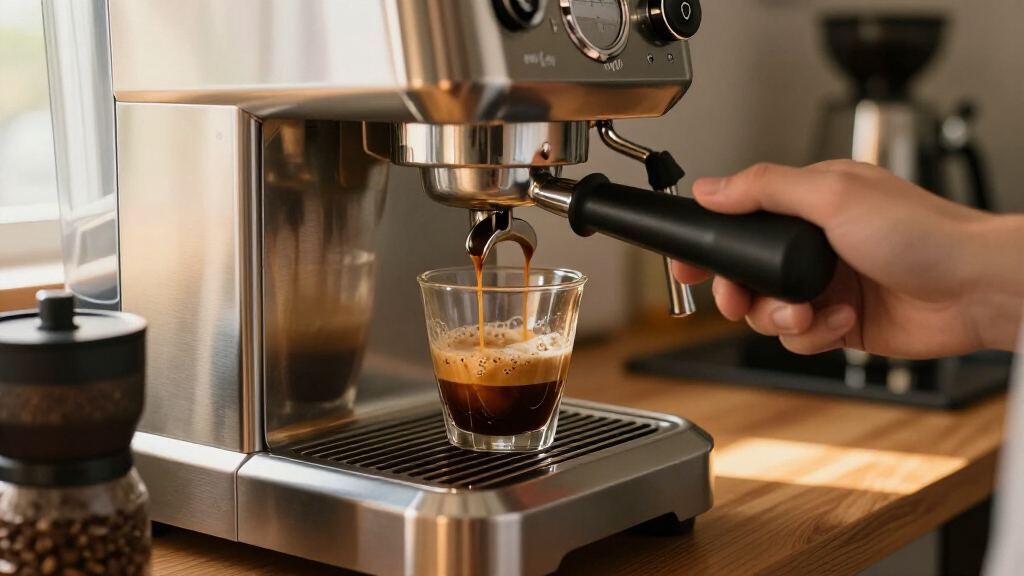
Espresso clarity means you can pick out distinct flavors, while texture describes the shot’s weight and creamy or syrupy feel. Grind, dose, yield, water, coffee, and extraction all shape both, so change one variable at a time and taste the result instead of chasing maximum clarity or body.
A shot can smell like orange blossom and taste of cocoa, yet still feel thin in your mouth. Another can coat your tongue like warm syrup, with its flavors packed close together. Both can be well-made espresso. The difference often comes down to a trade-off between clarity—how distinctly you can pick out flavors—and texture, the shot’s weight and tactile feel.
These qualities are often judged by two different tests: Can you name what you taste? And does the shot feel satisfying? A recipe that opens up citrus or floral notes may soften the dense, creamy feeling you expect from espresso. A short, concentrated shot may deliver that satisfying weight while blending individual flavors together.
Once you understand the trade-off, you can make better adjustments without treating every shot as a problem to solve. You’ll see how brew ratio, grind, coffee, and water influence the cup, then learn a simple way to tune your recipe for a straight shot or one destined for milk.
Clarity is the ability to pick out flavors; texture is the shot’s weight and mouthfeel.
A longer yield can open up flavors while reducing concentration, but coffee and equipment affect the result.
Crema changes the first impression of texture; its appearance alone does not tell you whether a shot tastes good.
Change one variable at a time and record dose, yield, and what you taste.
Choose a balance for your coffee and drinking style instead of maximizing clarity or body.
Espresso field notes · Taste, then tune
The Hidden Trade-Off Between Clarity and Texture in Espresso
A shot can reveal orange blossom and cocoa, yet feel thin. Another can coat the tongue like warm syrup, with flavors packed close together. Both can be well made. The craft is finding the balance that suits the coffee and the way you drink it.
01 / The sensory split
Two different questions, one small cup
Clarity is about flavor separation; texture is about physical presence. You can notice both in the same sip, but they describe different parts of the experience.
Distinct notes, room to unfold
A clear shot may let citrus, florals, or cocoa stand apart instead of blending into one impression. Clarity does not automatically mean acidity or lightness.
Weight, creaminess, and linger
Concentration, dissolved coffee material, oils, and fine suspended particles contribute to a creamy or syrupy feel. Crema can shape the first impression, but its appearance alone is no quality score.
Think of a spectrum, not a contest. A well-balanced shot can keep recognizable notes and still feel substantial.
02 / Brew ratio
More yield can open the cup—and thin it
A larger yield often lowers concentration, making some flavors seem more open. A shorter, concentrated shot may feel denser. These are tendencies, shaped by coffee, grinder, machine, and water.
Give flavors more room
A modest increase may reveal a clearer finish. Push too far and the cup can feel thin, bitter, or simply less enjoyable.
Bring the weight forward
A shorter shot can make chocolatey notes and syrupy feel more prominent. Flavors may also crowd together.
1:2 is a common starting point, not a universal target. Hold dose and other settings steady, then try a small yield change. Taste both shots side by side.
03 / What moves the balance
The recipe is only part of the picture
Each choice can affect extraction, concentration, or how evenly water moves through the coffee. The same adjustment can produce a different result with another bean or setup.
Grind & distribution
Particle size and grind consistency shape flow and extraction evenness, which can affect both flavor definition and mouthfeel.
Dose & yield
The dry coffee amount and beverage weight set the ratio and concentration. Adjust yield in small steps to compare the cup.
Water & temperature
Water composition and temperature influence what extracts and how it tastes. They can help explain an unexpected result.
Pressure & time
Flow and extraction time change how compounds reach the cup. No single setting dials clarity or body on its own.
Roast & variety
Bright, fruit-forward coffees and rounder, chocolatey coffees bring different starting points. Roast is a clue, not a promise.
Freshness & process
Freshness and processing affect the cup’s available flavors and materials. A new bag may need a new recipe.
04 / A repeatable tasting routine
Change one thing. Taste with a question.
Small, controlled comparisons make it easier to learn what a coffee responds to. Keep a brief record so the next shot builds on the last one.
Muddy flavors?
Check for uneven extraction, then try a small grind, dose, or yield adjustment.
Body feels thin?
Consider whether the yield is too large for the coffee—or whether that coffee suits the style you want.
Good flavor, wrong feel?
Change yield slightly and keep the rest of the recipe steady.
Using milk?
A rounder shot may hold its character better once milk is added. Taste for the drink you plan to make.
Set a baseline
Choose a starting recipe; record dose, yield, and time.
Taste for two things
Name a flavor note, then describe the shot’s weight or feel.
Adjust one variable
Try a small change to yield or grind while holding the rest steady.
Compare and note
Keep what tastes better for your coffee and drinking style.
“Orange, thin finish” is a useful note.
A few words about flavor and feel beat “not quite right.” Your goal is not maximum clarity or maximum body. Find the balance that makes this coffee satisfying—straight or in milk.
05 / Quick answers
Common questions, clearly put
These are practical tendencies, not guarantees. Coffee, equipment, water, and personal preference all shape the result.
Does a longer shot always have more clarity?
No. A larger yield can lower concentration and open up some notes, but it can also taste thin, bitter, or simply different.
Do lighter roasts always taste clearer?
No. Lighter roasts may show noticeable acidity or differentiated flavors, but recipe and extraction quality matter too.
Can I get clarity and creamy texture together?
Yes. Adjust one variable at a time and taste. A balanced shot can preserve distinct flavors while still feeling substantial.
Does crema mean better texture?
Crema affects the sensory impression, but its quantity and appearance alone do not determine flavor or shot quality.
What clarity and texture actually feel like in a shot
Espresso clarity means you can recognize separate flavors, while texture describes how heavy, creamy, or syrupy the coffee feels in your mouth. Clarity is about flavor separation; texture is about physical presence. You can notice both in one sip, but they answer different questions.
Think of the cup as a small orchestra. In a clear shot, you can hear the flute and cello as distinct instruments: perhaps a bright citrus note, a floral aroma, and a cocoa finish. In a heavier shot, those instruments may blend into a rich chord that lingers across your palate. Neither arrangement is automatically better. Some coffees are compelling because each flavor gets its own moment; others win you over with a dense, rounded impression.
Texture comes from a combination of concentration, dissolved coffee material, oils, and fine suspended particles. Crema can change the first impression of mouthfeel, but a thick cap is not a scorecard for flavor or quality. Swirl a shot with abundant crema, let it settle, and taste it: its flavor might be beautifully clear, heavy and muddy, or somewhere in between.
For example, a bright coffee served as a straight shot may feel exciting when its citrus notes stay distinct. Add milk, though, and a rounder shot may hold its character better. Your tasting context matters as much as the vocabulary.
As an affiliate, we earn on qualifying purchases.
Why a longer yield can open flavors and thin the body
The clarity–texture trade-off in espresso often shows up when you change the brew ratio—the amount of beverage you make relative to the dry coffee dose. A larger yield can lower the drink’s concentration and make some flavors seem more open, while a shorter yield often feels denser. These are tendencies, not rules: the same change can taste different with another coffee, grinder, machine, or water.
Imagine squeezing fruit into a small glass, then adding a little water. The drink spreads across your palate more easily, but it no longer feels as concentrated. Espresso behaves differently from fruit juice, but the analogy helps explain why a longer yield can make certain notes easier to pick out as the cup becomes less dense.
Suppose you dose 18 grams of coffee and pull a 36-gram yield. That’s a 1:2 brew ratio, a common starting point rather than a universal target. If the shot tastes crowded, you might try a modestly longer yield and compare it with the original. You may find a clearer finish, or you may find the cup thin, bitter, or simply less enjoyable.
A shorter yield can bring a chocolatey coffee’s syrupy feel forward, especially if you drink it straight. But if the flavor becomes hard to distinguish, a little more beverage may give it room. Keep the dose and other settings steady for the comparison; otherwise, you won’t know what caused the change.
As an affiliate, we earn on qualifying purchases.
Which brewing choices shift your shot’s balance
Grind, dose, yield, water, pressure, temperature, and time all shape what reaches your cup, so there is no single dial for clarity or texture. Each adjustment changes extraction, concentration, or how evenly water moves through the coffee. A recipe that improves one quality may soften another, and a grinder or coffee can change the outcome.
Think of dialing in espresso like adjusting a room’s lighting. You can change the brightness, but the wall color and the shape of the window still matter. A light roast, a dark roast, and two different grinders won’t respond identically to the same recipe. When a change doesn’t produce the expected result, it may be the coffee or grind distribution, not a failure of your taste buds.
Change one variable at a time so each taste comparison tells you something useful. If you alter grind and yield together, a sweeter, clearer shot doesn’t reveal which change helped. Keep a small note on your phone: dose, yield, time, and a few words about flavor and feel. Even “orange, thin finish” is more useful than “not quite right.”
Here are useful starting points when the cup feels off between clarity and texture:
- Muddy flavors: Check whether extraction seems uneven, then try a small grind, dose, or yield adjustment.
- Thin body: Consider whether the yield is too large for the coffee or whether the coffee suits the style you want.
- Good flavor, wrong feel: Change yield slightly and keep the rest of the recipe steady.
As an affiliate, we earn on qualifying purchases.
How the coffee itself sets the starting point
Your coffee sets the starting point for both clarity and texture because variety, roast level, freshness, and processing affect the flavors and materials available to extract. Some coffees naturally present bright, distinct notes; others lean toward heavier, rounder flavors. Brewing can move the balance, but it cannot make every coffee taste like every other coffee.
A light-roasted coffee might suggest lemon, berries, or flowers, especially when its flavors come through clearly. But lighter roasts do not always make clearer espresso. Poor extraction can blur a bright coffee, while a carefully brewed darker roast can still show distinct notes. The roast label is a clue, not a promise.
Consider a weekend tasting with two coffees. One is bright and fruit-forward; the other has a round, chocolatey profile. You pull each using the same dose and yield. The first might benefit from a little more yield to open the fruit, while the second might taste more satisfying with a shorter, concentrated shot. Use that comparison to learn what each bag wants instead of forcing them into one house recipe.
Freshness and processing also affect the cup, but they don’t give you a simple guarantee about body or clarity. If a new coffee tastes different at the same settings, treat that as information. Start with the roaster’s suggested recipe if available, taste, then adjust one part of the brew at a time.
milk frothing pitcher for espresso
As an affiliate, we earn on qualifying purchases.
As an affiliate, we earn on qualifying purchases.
A simple tasting routine helps you find a better balance
A useful tasting routine lets you compare clarity and texture without guessing which recipe change made the difference. Start with a repeatable shot, record its dose and yield, then adjust one variable and taste both cups side by side. The comparison matters more than finding a supposedly perfect number.
- Pick one goal. If you can’t separate the flavors, aim for more clarity. If the shot feels watery, aim for more body.
- Keep a baseline. Record coffee, dose, yield, and shot time. For instance, you might start with 18 grams in and 36 grams out.
- Change one setting. Try a slightly longer yield for a crowded cup, or a shorter one for a thin cup. Don’t change the grind and yield at once.
- Taste for flavor and feel. Notice what you can name, how the shot sits on your tongue, and what remains in the finish.
- Keep the change only if it helps. A clearer shot is not an improvement if you miss the coffee’s rich, creamy character.
Try this with a coffee you know. On Monday, your 1:2 shot may taste dense but blend its berry and cocoa notes. On Tuesday, a modestly longer yield may make the berry easier to spot while leaving enough body to feel satisfying. That side-by-side taste tells you more than chasing a recipe you saw online.
Choose the balance that suits the way you drink espresso
The best balance depends on how you drink the shot and what you enjoy in the cup. A straight espresso gives you room to notice delicate flavors, while milk changes the experience: its sweetness and creamy feel can soften subtle notes. Neither use calls for one fixed ratio or a single definition of good espresso.
Imagine making coffee for two people before breakfast. You prefer a bright shot on its own and want to notice its fruit. Your friend adds steamed milk and likes a strong, rounded coffee flavor that doesn’t disappear. A longer yield might suit your cup, while your friend might prefer a concentrated shot. It’s the same coffee, brewed for two different pleasures.
Brewing has also become more experimental, with interest in different ratios, pressure profiles, and lighter roasts. These approaches can make flavor differences more noticeable, while prompting debate about how much body an espresso should have. They are ways to explore the cup, not proof that one style has replaced another.
Water composition and grinder performance matter as you experiment. Water affects extraction and taste, while grind distribution can influence how evenly the coffee extracts and how the drink feels. If a new recipe behaves strangely on different equipment, the recipe may not be the only difference. Keep your preferences in view: a cup can be technically interesting and still not be one you want to finish.
Frequently Asked Questions
Does a longer espresso shot always have more clarity and less body?
No. A larger yield often lowers concentration and can make flavors seem more open, but the result depends on the coffee, grind, water, and extraction. A longer shot can also taste thin or bitter, so compare it with your usual recipe.
Do lighter roasts always make clearer espresso?
No. Lighter roasts may bring bright or distinct flavors, but roast level alone does not guarantee clarity. Coffee choice and extraction quality matter too; a poorly extracted bright coffee can still taste muddled.
Can I get clear flavors and a creamy texture in the same shot?
Yes. Clarity and body can coexist, and many balanced shots offer both distinct flavors and satisfying weight. Adjust one variable at a time, such as yield, and keep the recipe that tastes best to you.
Does thick crema mean my espresso has better texture?
Not by itself. Crema can affect how a shot first feels, but its quantity and persistence do not reliably measure flavor or overall quality. Taste the espresso after it settles and judge the cup itself.
What should I adjust first if my espresso tastes muddy or thin?
For muddled flavors, check for uneven extraction and try a small change to grind, dose, or yield. For a thin shot, consider whether the yield is too large for your taste or whether the coffee suits the style you want. Change one setting at a time so you can tell what helped.
Is clarity better than body?
Neither is always better. You might prefer distinct fruit notes in a straight shot and a rounder, more concentrated cup in milk. The right balance depends on the coffee and the way you like to drink it.
Conclusion
Judge espresso by both what you can taste and how it feels. If a shot tastes crowded, test a small yield change; if it feels thin, try a more concentrated recipe. Keep your dose steady, change one variable at a time, and let the coffee tell you which direction works.
A good shot doesn’t need to choose between a clear note of citrus and the soft weight of syrup. It only needs to make you want another sip.
Fall Picks
fall essentials
As an affiliate, we earn on qualifying purchases.