
TL;DR

Get coffee and tea gear delivered free — and shop member deals
- Fast, free delivery on millions of items
- Access to Prime Big Deal Days deals on October 6–7
- Prime Video, Amazon Music and more included
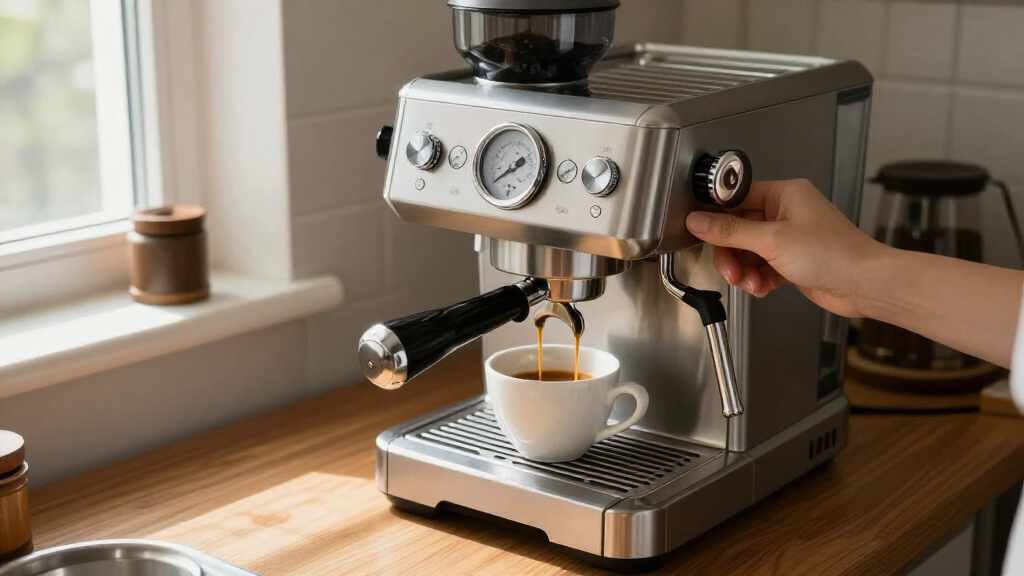
An espresso machine pressure gauge shows pressure at a particular point in the machine, giving you a useful reference for comparing shots and spotting some brewing problems. It does not directly measure flavor, guarantee pressure at the coffee puck, or prove that a machine is well calibrated, so treat it as one clue alongside dose, yield, time, and taste.
A needle landing on 9 bar can look like proof that your espresso is perfect. It isn’t. The gauge may be reporting pressure at a point away from the coffee, and a tidy reading cannot tell you whether the shot tastes balanced.
Still, that dial can be more than decoration. Used well, it gives you a repeatable signal about how your machine behaves during extraction, and it can help you spot changes when you adjust the grind, dose, or puck preparation. Used poorly, it can send you chasing a number while your espresso turns bitter or thin.
This buying guide explains what a pressure gauge measures, what it can and cannot reveal, and how to judge one before spending extra on a machine. You’ll leave knowing when a gauge earns its place on the front panel—and when your palate, scale, and timer deserve more attention.
A pressure gauge reports pressure at a particular point in the machine, not necessarily the exact pressure at the coffee puck.
Use gauge behavior alongside dose, yield, shot time, and taste; never treat one number as proof of a perfect extraction.
Compare readings across repeatable shots on the same machine instead of assuming every model should show an identical value.
Choose analog or digital based on visibility and features you’ll use; neither display type guarantees better accuracy.
If pressure changes sharply or the machine needs repair, follow the manual and keep clear of hot, pressurized components.
What an Espresso Pressure Gauge Can Actually Tell You
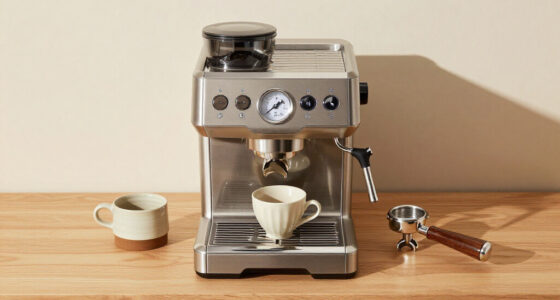
An espresso pressure gauge displays pressure at a measurement point in the machine, usually in bar, while the pump pushes water through the brewing system. It gives you a visible reading during a shot, but it does not automatically show the exact pressure acting on every coffee particle in the basket.
That distinction matters. A machine’s gauge might sense pressure in the pump circuit or near the group head, while resistance from the coffee puck changes pressure as water flows. So if the dial shows roughly 9 bar, you’ve learned something about the machine’s operating conditions—not received a flavor score or a guarantee that the puck saw exactly that pressure.
Imagine you pull two shots with the same beans and dose. On Monday, the needle climbs steadily; on Tuesday, it barely rises after you change the grind much coarser. That difference is a useful signal: the puck is offering less resistance, or something about the setup has changed. You can use the reading to ask better questions, then taste the espresso and check your brew time.
Pressure is one part of extraction, alongside water temperature, coffee dose, grind size, and brew ratio. A gauge makes one variable easier to see. It cannot replace a scale, a timer, or a sip from the cup.
As an affiliate, we earn on qualifying purchases.
Why a Gauge Can Help You Make More Repeatable Espresso
An espresso pressure gauge is useful when it helps you compare shots under similar conditions and notice meaningful changes. It can show whether pressure builds consistently, whether a shot stalls, or whether the machine behaves differently after a change to your grind or puck preparation.
Say your usual double shot takes about 28 seconds and tastes sweet, with a steady needle near the machine’s normal brewing range. You switch to a much finer grind, and the shot crawls while the gauge climbs higher or stays near its limit. The dial gives you a second clue that the puck may be restricting flow; you can return to the prior grind or adjust in smaller steps.
The gauge also helps when you’re learning. A new home barista might see a weak reading and assume the machine is broken, when the actual cause is a loose portafilter, an empty water tank, or coffee ground too coarsely. Looking at the dial while checking the setup turns a vague problem into a more focused troubleshooting process.
For a café, repeatability matters across a busy morning. A barista can compare a machine’s pressure behavior before and after service or flag an unusual change for maintenance. At home, you may not need that level of monitoring, but the same principle applies: compare like with like, and use the gauge as context for the shot rather than as a target in isolation.
As an affiliate, we earn on qualifying purchases.
Why the Number on the Dial Doesn’t Tell the Whole Story
A gauge cannot tell you on its own whether your espresso is good, because pressure is not flavor. It also may not measure pressure at the coffee puck, and the displayed number can be less useful if the gauge is inaccurate, poorly placed, or hard to read while brewing.
Think of a car’s speedometer: it tells you how fast the car is traveling, but not whether you’re taking the right route. In the same way, a pressure gauge can show a steady reading while your espresso tastes harsh because the grind is too fine, the shot runs too long, or the coffee is stale. A low reading might accompany a fast, sour shot, but the dial alone cannot identify the exact cause.
Gauge placement changes what the reading means. A pump-pressure reading and a group-head reading are not necessarily the same as pressure at the puck during extraction. If a machine’s documentation does not say where it measures pressure, treat the display as a relative reference: useful for observing changes on that machine, not for comparing its number directly with every other model.
Calibration and build quality matter, too. A needle that sticks, vibrates wildly, or rests away from zero when the machine is off deserves a closer look. A polished dial can still be a poor measuring tool; a less flashy gauge can be genuinely useful if it responds consistently and clearly.
As an affiliate, we earn on qualifying purchases.
Analog Dial or Digital Readout: Which Fits Your Routine?
Analog gauges offer a quick visual trend, while digital readouts can make exact values easier to record or share. Neither format is automatically more accurate: sensor quality, calibration, placement, and display design matter more than whether you see a needle or a number.
If you pull one or two shots before work, a clear analog dial may be all you need. You can glance at the needle, notice that it rises smoothly, and get on with steaming milk. If you enjoy experimenting with different profiles or logging shots, a digital system may make it easier to record pressure over time—provided the machine actually exposes useful data rather than just showing a decorative number.
Here’s the practical comparison. Imagine you’re deciding between two similarly priced machines: one has a large analog gauge you can read from across the counter; the other has a small digital display that shows a precise figure but no history. The better fit depends on how you’ll use it. For quick checks, visibility wins. For tracking changes, logging features may help.
| Feature | Analog gauge | Digital readout |
|---|---|---|
| At-a-glance trend | Needle movement is easy to scan | Depends on screen and update speed |
| Recording a value | You estimate the dial reading | Exact displayed figures can be easier to log |
| Common limitation | Small markings or needle vibration | Precision-looking numbers can imply more certainty than the sensor supports |
| Best buying check | Look for a clear scale and steady response | Ask what the sensor measures and whether data logging is included |
Fancy connectivity is not automatically an upgrade. An app that sends alerts may be useful for someone monitoring a shared or commercial machine, but it adds little if you only want to make a cappuccino on Saturday. Pay for the feature you’ll actually use, not the one that looks impressive in a listing.
As an affiliate, we earn on qualifying purchases.
How to Use the Gauge Without Chasing a Perfect Number
Use the pressure gauge to observe a shot, then compare its behavior with your recipe and taste. The goal is not to force every machine to show one magic number; it’s to learn what a consistent, well-prepared shot looks like on your particular machine.
- Start with a repeatable recipe. Weigh the coffee dose and the espresso yield, and use the same beans and basket for the comparison.
- Watch the needle or display during extraction. Note whether pressure rises smoothly, stays steady, or behaves differently from your usual shot.
- Change one variable at a time. If the shot runs too fast, adjust the grind slightly finer rather than changing the grind, dose, and tamp all at once.
- Taste the result. Record whether the espresso tastes sour, bitter, thin, or balanced, then compare that with the shot time and gauge behavior.
- Repeat before drawing a conclusion. One odd shot can come from uneven distribution or a rushed tamp; a pattern across several shots is more informative.
For example, you pull a 36-gram yield from an 18-gram dose in 20 seconds, and the espresso tastes sharp and watery. The pressure gauge appears lower than usual. That combination suggests you could try a finer grind, but it does not prove pressure caused the sour taste. Make the grind adjustment, pull another shot, and check whether time, gauge behavior, and flavor move in a better direction together.
This method keeps the dial in its proper role: a feedback tool, not a command. If your machine normally produces delicious espresso with a different reading from another model, don’t “fix” it just to match a number you saw online.
What to Check Before You Pay Extra for a Gauge
Before paying more for a pressure gauge, find out what it measures, whether you can read it during brewing, and whether the machine’s documentation explains its intended use. A useful dial should give you clear information, not simply fill an empty patch of stainless steel.
When you compare machines in a showroom or product listing, look for practical details. Does the scale have readable markings? Can you see the needle while standing at your counter? Does the manual identify a pressure sensor location or explain how the gauge behaves during extraction? If the listing promises precision but gives no explanation, treat that claim cautiously.
Consider your own routine. If you already weigh every dose, time each shot, and enjoy experimenting, pressure feedback may help you connect your adjustments with machine behavior. If you mostly want a quick espresso before heading out, a reliable grinder and stable temperature may matter more than an extra dial. Buying a gauge-equipped model makes sense when the gauge supports a habit you have—or a skill you genuinely want to build.
A gauge can also support basic troubleshooting, but it is not a substitute for servicing. If pressure suddenly changes and cleaning the machine or checking the water supply does not resolve it, consult the manual or a qualified repair technician. Don’t open a hot, pressurized machine: steam and hot water can cause serious burns. Follow the manufacturer’s cleaning and maintenance instructions, and disconnect the machine before any user-approved work that requires it.
Which Pressure-Gauge Myths Can Lead You Astray?
The most common mistake is treating a familiar pressure number as a universal guarantee of good espresso. A gauge reading has meaning only alongside the machine’s design, measurement point, puck resistance, and the rest of your brewing recipe.
For instance, a new owner might see the needle sit below a number they expect and immediately assume the pump has failed. But a coarse grind, an underfilled basket, or a poorly seated portafilter can change how the machine behaves. Check the basics first, and compare the reading with previous shots made on the same setup.
Another myth says a gauge makes espresso easier by itself. It can make one part of the process more visible, but you still need to distribute coffee evenly, lock in the portafilter correctly, and adjust the grind. A beautiful dial cannot prevent channeling—the uneven paths water can carve through a puck—and it cannot tell you exactly where those paths formed.
Finally, don’t assume digital means perfect or analog means old-fashioned. A digital display can report values from a sensor that needs checking; an analog dial can provide a stable, easily read trend. The useful question is not “Which looks more advanced?” but “Can I trust this reading enough to make a better decision?”
Frequently Asked Questions
Do you need a pressure gauge to make good espresso?
No. You can make excellent espresso without a built-in gauge by controlling your dose, grind, yield, and brew time, then tasting the result. A gauge adds feedback that can help you compare shots, but it is not a requirement for good coffee.
Does a reading of 9 bar mean my espresso machine is working perfectly?
No. A 9-bar reading does not prove the machine is calibrated or that the coffee puck experiences that exact pressure. Check where the machine measures pressure, then judge the shot using its timing, yield, and flavor as well.
How can you tell whether an espresso pressure gauge is inaccurate?
Watch for a needle that sticks, jumps unpredictably, or rests away from zero when the machine is off, but these signs do not confirm the precise error. Check the manual for the manufacturer’s guidance and have the gauge tested or serviced if accuracy matters.
Is a digital espresso pressure gauge better than an analog one?
Not automatically. Digital displays can make values easier to record, while analog dials make changing trends easy to scan; either can be useful if the sensor or gauge is dependable and the display is clear. Choose by how you brew, not by the format alone.
Can pressure readings help you fix a fast or sour shot?
They can give you another clue, but they cannot identify the cause by themselves. If a shot runs fast and tastes sour, try a small grind adjustment, keep the other variables steady, and compare pressure, shot time, yield, and taste across repeated shots.
Conclusion
Buy a pressure gauge for the feedback it gives you, not for the promise that it will make every shot perfect. A steady, readable gauge can help you learn your machine and spot changes, but taste, a scale, and a timer still tell the fuller story.
Think of the dial as a small window into the brew—not the whole kitchen. Watch it, learn what it means on your machine, and let the espresso in your cup have the final say.
Fall Picks
fall essentials
As an affiliate, we earn on qualifying purchases.