TL;DR

Get coffee and tea gear delivered free with Prime
- Fast, free delivery on millions of items
- Prime Video, Amazon Music and more included
- Member-only deals all year
Weak crema means your espresso has a thin, pale, or short-lived foam layer, but it does not prove that the coffee is stale, poorly made, or bad-tasting. Bean age, coffee variety, roast, storage, and brewing conditions all affect crema, so taste the shot first and use its appearance as supporting evidence.
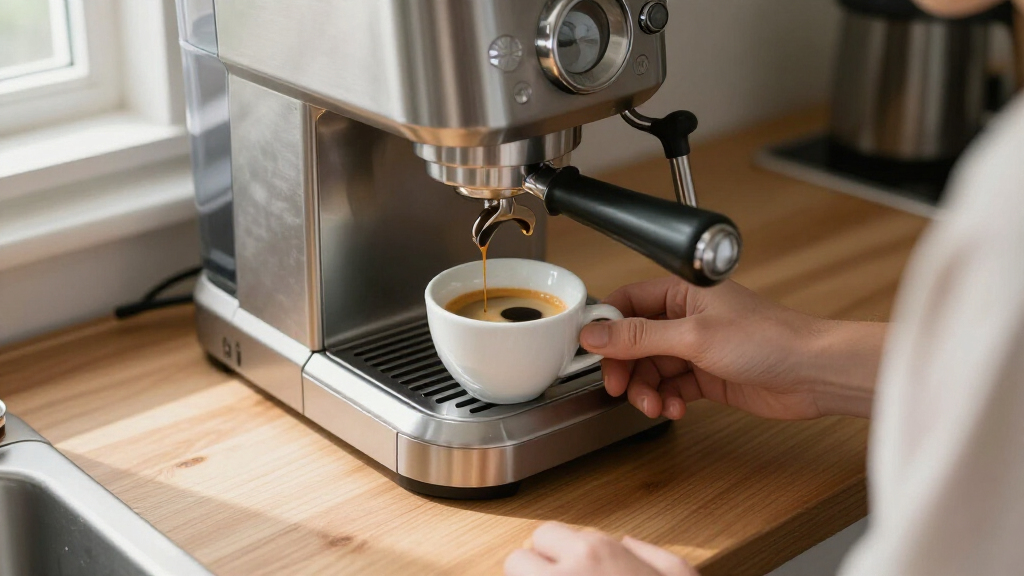
You pull a shot, look down, and see only a thin tan ring where you expected a deep, foamy cap. Does that mean your espresso has failed? Not by itself. Crema can offer clues about your beans and brewing, but it cannot tell you whether the shot tastes sweet, sour, bitter, or balanced.
This guide explains what weak crema means, what it does not mean, and how to troubleshoot without chasing foam for its own sake. You will learn which details to check first, how to make a fair comparison between shots, and why a delicious espresso can look less dramatic than a disappointing one.
Think of crema like the color of toast: useful information, perhaps, but not the whole meal. The best test is still in your cup.
Weak crema describes a thin, pale, or quickly fading foam layer; it does not grade the flavor of your espresso.
Older or poorly stored beans can produce less crema, but coffee variety, roast, and brewing conditions also affect foam.
Robusta often produces more crema than Arabica, so comparing different coffees by foam volume alone can mislead you.
Taste the shot first, then adjust grind, dose, yield, or brewing time according to the flavor you want to fix.
Store beans airtight away from heat, light, and moisture, and give very fresh coffee time to rest when its shots seem unsettled.
Espresso field guide · Visual clue, not verdict
Weak Crema: What It Means and What It Does Not Mean
A thin, pale, or short-lived foam layer can offer clues about your coffee and brewing conditions. It cannot tell you, on its own, whether the espresso tastes good. Taste first; let appearance support the diagnosis.
01 / Read the appearance
What weak crema can tell you
A narrow, pale cap may suggest less retained gas, a coffee that naturally makes less foam, or a change in extraction. It is a prompt to investigate, not a diagnosis.
Less retained gas
Coffee releases carbon dioxide after roasting. Aging and exposure to air, heat, light, or moisture can reduce crema potential.
Different by nature
Robusta often makes more abundant crema than Arabica. Origin, variety, and processing also affect the foam.
No simple roast rule
Darker roasts may foam generously at first, yet their porous structure can lose gas faster. Roast alone cannot predict crema.
The recipe changes the surface
Grind, dose, water temperature, pressure, and shot time influence extraction and appearance. Keep your recipe steady when comparing coffees or troubleshooting a shot.
More foam is not always stable
Very fresh coffee can release abundant gas and create coarse crema that fades quickly. Allow time for excess gas to dissipate.
02 / Separate looks from taste
What weak crema does not prove
Crema is one visual clue. It cannot independently diagnose freshness, extraction, or quality.
“More crema means better espresso” is a misleading shortcut.
A shot with little crema can taste sweet, balanced, and clean. A thick, tiger-striped cap can sit over a bitter or harsh shot. Some coffees simply make less foam, while some blends—often those with Robusta—make more. Judge the drink in your cup.
03 / Troubleshoot with a repeatable method
Diagnose the shot without guessing
Taste the espresso first, note what seems wrong, and adjust one brewing variable at a time. Let crema support the check, not lead it.
Taste
Notice sour, bitter, flat, watery, harsh, or balanced. Let it cool briefly if needed.
Check the recipe
Review dose, yield, grind setting, and shot time. Return to the last recipe that tasted good if several changed.
Consider the beans
Check roast date and storage. Airtight, cool, dark storage helps protect freshness.
Adjust once
Make a small grind or recipe change guided by the flavor you want to fix.
Compare
Keep other conditions steady and taste again to see whether the change helped.
Dull taste + unusually thin crema
Review bean age and storage. They may be part of the picture, but crema alone cannot confirm the cause.
Sour, bitter, weak, or harsh taste
Troubleshoot extraction according to flavor. Do not chase a thicker foam layer as a substitute for balance.
04 / Make a fair comparison
Use crema as supporting evidence
Color, thickness, and persistence can raise useful questions, but none is a standalone pass-or-fail test.
Crema appearance
Compare shots from the same coffee and a steady recipe before drawing conclusions.
Cup quality
Flavor is the measure that matters. A modest crema can accompany a delicious shot.
Store well. Rest fresh beans.
Keep beans airtight, away from heat, light, and moisture. Use them while fresh, while allowing enough post-roast rest for excess gas to dissipate; the suitable period varies by coffee and brewing method.
The repeatable loop
Let each shot teach you something
A consistent setup turns the next pull into a useful comparison instead of a guessing game.
What weak crema tells you about the shot
Weak crema is a thin, pale, or quickly disappearing layer of foam on espresso. Crema is the brown foam that forms on espresso when hot, pressurized water extracts coffee and releases dissolved gases, especially carbon dioxide. Coffee oils and proteins help stabilize its bubbles, so the layer changes with the beans as well as the brew.
A shot with just a narrow, pale cap may suggest that the coffee retained less gas, that the beans produce less foam, or that the extraction conditions differ from your usual setup. It is a clue, not a diagnosis. Crema can vary between coffees and even from one shot to the next, much like the height of a head on two different beers does not tell you which one tastes better.
For example, you might pull a shot from an Arabica coffee and get less foam than from a blend containing Robusta, even when both shots taste balanced. Or you may brew a very fresh coffee that releases a lot of gas and produces thick, coarse foam that fades quickly. Those appearances point to different coffee characteristics; neither automatically gives you a quality score.
What it means, then, is simply that the foam looks different from what you expected. It may help you decide what to check next, especially if the espresso also tastes dull or unpleasant. But the crema itself cannot tell you whether the shot is sweet, properly extracted, or enjoyable.
As an affiliate, we earn on qualifying purchases.
Why crema can look different from coffee to coffee
Crema varies because coffee beans and brewing conditions affect how much gas and foam your shot produces. Bean age, storage, coffee variety, processing, roast, grind, dose, water temperature, pressure, and shot time can all influence what you see. That is why a single crema standard cannot fit every coffee or espresso machine.
Bean age is one useful place to start. Coffee releases carbon dioxide after roasting, and that gas helps create crema; as the beans age, they generally retain less. Air, heat, light, and moisture speed staling. If a bag has been open beside a sunny kitchen window for several weeks, thin crema might fit the picture—but it still does not prove age is the only cause.
Coffee variety matters too. Robusta often produces more abundant or persistent crema than Arabica, while origin, variety, and processing also shape the result. Roast level adds another wrinkle: darker roasts may produce plenty of foam at first, yet their more porous structure can lose gas faster. So “dark roast equals more crema” is not a dependable rule.
Brewing makes its own contribution. A change in grind, dose, water temperature, pressure, or shot time can alter how the pressurized water extracts the coffee. Imagine switching to a different basket while also changing the grinder setting: if the crema shifts, you will not know which change caused it. Keep your recipe steady when you want to learn from what you see.
coffee beans airtight storage container
As an affiliate, we earn on qualifying purchases.
As an affiliate, we earn on qualifying purchases.
What weak crema does not prove about your espresso
Weak crema does not prove that espresso tastes bad, that your beans are defective, or that you made the shot incorrectly. It also does not prove that the coffee is stale or under-extracted. Crema is one visual clue; it cannot diagnose taste or extraction on its own.
Imagine making a shot with little crema that tastes sweet, rounded, and clean. It may be a lovely espresso even if the surface looks modest. Now imagine a thick, tiger-striped layer over a shot that tastes harsh and bitter. That dramatic foam does not rescue the flavor. Appearance and taste can travel together, but they do not have to.
This is why “more crema means better espresso” is a misleading shortcut. Some coffees naturally form less foam, while some blends—often those with Robusta—make a larger cap. Neither result guarantees that the cup suits your taste. A coffee can also produce crema that vanishes quickly without turning into a bad drink.
So resist changing your recipe just to make the surface look thicker. If your espresso tastes balanced, a thin crema may be a harmless feature of that coffee. If the shot tastes sour, bitter, watery, or harsh, troubleshoot the taste rather than trying to decorate it with more foam.
espresso shot glass with measurement
As an affiliate, we earn on qualifying purchases.
As an affiliate, we earn on qualifying purchases.
How to diagnose a disappointing shot without guessing
To diagnose a disappointing shot, taste it first, note what seems wrong, and change one brewing variable at a time. Crema can support that check, but it should not lead it. A quick tasting gives you more useful direction than staring at the cup and asking whether the foam is thick enough.
- Taste the espresso. Notice whether it seems sour, bitter, flat, watery, harsh, or balanced. Let it cool for a moment if it is too hot to taste clearly.
- Check your usual recipe. Keep the dose, yield, grind setting, and shot time in view. If you changed several at once, return to the last recipe that tasted good.
- Consider the beans. Check the roast date and how you stored the coffee. A bag left unsealed near a warm oven may lose freshness sooner than one kept airtight in a cool, dark cupboard.
- Adjust one variable. If the shot tastes sour or thin, make a small grind or recipe adjustment and taste again. If it tastes bitter or harsh, make a different small adjustment guided by that flavor.
- Compare the next shot. Keep the other conditions steady so you can tell whether the change helped.
For example, if your espresso tastes dull and the crema is also unusually thin, bean age or storage deserves a look. If it tastes sour, do not assume the crema caused the problem; adjust the extraction based on flavor and keep track of the result. A repeatable setup turns each shot into a useful comparison instead of a guessing game.
As an affiliate, we earn on qualifying purchases.
Which crema clues deserve your attention
Crema is most useful when you compare it with taste, bean details, and a consistent recipe. Its color, thickness, and persistence can prompt a question, but none provides a standalone pass-or-fail test. If you track those details alongside your brew, patterns become easier to spot.
A simple comparison shows why appearance can mislead:
| What you see | Possible clue | What to check next |
|---|---|---|
| Thin or pale crema | Less retained gas, a different coffee, or changed extraction | Taste the shot; check bean age, storage, and recipe |
| Foam disappears quickly | Crema stability varies with coffee and preparation | Do not judge quality by persistence alone |
| Thick, coarse foam | Very fresh beans may still release substantial gas | Taste and assess whether the shot is consistent |
| More crema after switching coffee | Variety, roast, or processing may be responsible | Compare flavor, not foam volume alone |
Suppose one bag produces a thin cap and another gives you dense foam. If the first tastes balanced and the second tastes harsh, the thicker crema has not won the contest. The table helps you use appearance as a prompt for a check, not a verdict about the cup.
Color varies with coffee and extraction, too. There is no universal shade that proves a shot is good or bad. A quick-fading layer does not have a required minimum lifespan; compare it with the same coffee and recipe before treating a change as meaningful.
How to store beans and handle fresh-roast crema
Store coffee beans airtight and away from heat, light, and moisture, then allow freshly roasted beans time to release excess gas. Those basics help protect freshness and make espresso more predictable. They do not promise thick crema, but they give you a steadier starting point for judging a shot.
Beans lose carbon dioxide after roasting, and very fresh coffee can produce unusually abundant, coarse, or unstable crema. Freshly roasted does not always mean ready to brew at its best that minute. The right rest period depends on the coffee and brewing method, so there is no single number of days that suits every bag.
For instance, if a newly opened bag produces a huge frothy cap that fades while your shot tastes unsettled, give the coffee more rest and compare again later. Keep the bag sealed between uses rather than leaving it open on the counter next to a sunny window. Changes in storage can affect how long the beans stay fresh, even when you use the same espresso recipe.
Also check the practical basics around the machine. Clean equipment, even puck preparation, and consistent pressure can help you make more repeatable shots, although weak crema alone cannot identify a dirty machine or uneven puck. If you clean the basket and shower screen as part of your normal routine, you reduce variables; you do not need to treat every thin crema as an equipment emergency.
Frequently Asked Questions
Is weak crema a sign of stale coffee?
It can be a clue because coffee generally loses carbon dioxide as it ages, and retained gas helps form crema. But thin foam is not proof of stale beans: variety, roast, storage, and brewing conditions also affect it. Check the roast date and storage, then taste the espresso.
Can espresso taste good without much crema?
Yes. Some coffees naturally produce less crema, and the foam is not required for good flavor. If your shot tastes sweet and balanced, a thin layer does not make it a failure.
Does more crema mean better espresso?
No. Crema volume does not reliably correspond to taste or extraction quality. A thick layer can sit over a bitter shot, while a modest layer can top a pleasant, balanced espresso.
Why does Robusta often produce more crema than Arabica?
Robusta often produces more abundant or persistent crema, though results vary by coffee and preparation. That difference makes foam a poor way to rank two coffees: taste each one rather than assuming the thicker cap is better.
Should I wait after roasting before brewing espresso?
Often, yes. Very fresh beans release substantial carbon dioxide, which can make shots unpredictable and crema unusually foamy or unstable. The best rest period depends on the coffee and your brewing setup, so compare shots over time rather than relying on one fixed rule.
Conclusion
Judge espresso by the taste in your cup, not by the thickness of its crema. If the shot tastes good, a thin or fleeting layer may simply be part of that coffee. If the flavor disappoints, use the crema as one clue, then check the beans and adjust your recipe one step at a time.
Let the foam start the investigation, not finish it. The best espresso test is the one you can taste.
Fall Picks
fall essentials
As an affiliate, we earn on qualifying purchases.