
TL;DR

Get coffee and tea gear delivered free — and shop member deals
- Fast, free delivery on millions of items
- Access to Prime Big Deal Days deals on October 6–7
- Prime Video, Amazon Music and more included
Single boilers use one heated water system for brewing and steaming, while heat-exchanger machines brew and steam at the same time using separate paths through one boiler. Dual boilers use separate boilers for each task, and thermoblocks heat water quickly as it flows through a compact block. Choose by how often you make milk drinks, how quickly you want to work, and how much space and maintenance you can handle.
Making two cappuccinos in a row can reveal more about an espresso machine than its shiny finish ever will. One machine may ask you to wait between brewing and steaming; another can pull a shot while its wand hisses; a compact model may heat water in seconds but behave differently from a traditional boiler.
Those differences come down partly to the machine’s heating design. You’ll see labels such as single boiler, heat exchanger, dual boiler, and thermoblock, but the names can blur together. Here’s a practical guide to what each design does, what it feels like to use, and which details deserve your attention before you buy.
This article focuses on espresso machines, where these terms have a specific buying meaning. The broader phrase “boiler types” can also describe home-heating equipment, so check the product category before applying these comparisons. A home heating boiler and a coffee machine boiler are not interchangeable pieces of equipment.
A single boiler generally switches between brewing and steaming, which suits espresso-first routines better than rapid milk-drink batches.
A heat exchanger can brew and steam together by heating brew water in a separate tube inside a hotter boiler.
Dual boilers separate brewing and steam heating, but their added control may come with higher price, size, and servicing needs.
Thermoblocks heat flowing water in a compact block; check each model’s warm-up, temperature control, and simultaneous-use details.
Choose by your usual drinks, counter space, and maintenance preferences—not by boiler count alone.
Boiler Types Explained: Single, Heat Exchanger, Dual, and Thermoblock
Making two cappuccinos in a row reveals more about an espresso machine than its shiny finish ever will. The names blur together, but the heating design underneath decides whether you wait, work in parallel, or compromise on control.
What the four boiler labels tell you before you buy
“Boiler types explained” means comparing how an espresso machine heats water for brewing and steam — not simply counting metal tanks. A single boiler handles both jobs with one heated system, a heat exchanger separates the water paths inside one boiler, a dual boiler gives each task its own boiler, and a thermoblock heats water as it passes through a compact block.
Single Boiler
One heated water system serves both espresso brewing and steaming. Because the two jobs need different temperature conditions, most machines switch modes rather than doing both at once — adding a pause between pulling a shot and frothing milk.
BEST FOR → Black-coffee-first routines, occasional cappuccinos, small countersHeat Exchanger
A main boiler keeps water hot for steam while a separate tube carries brewing water through that hot environment. Heat passes into the brew water without the two supplies mixing — so you can steam milk while espresso flows into the cup.
BEST FOR → Back-to-back milk drinks, if you learn the flush routineDual Boiler
One boiler heats water for espresso, another supplies steam. Separate boilers control brewing and steaming temperatures independently, and both tasks can happen at once — at the cost of a higher price, larger footprint, and more servicing.
BEST FOR → Hosting brunch, tuning temperature per coffee, steady rhythmThermoblock
A compact block heats water quickly as it flows through, rather than holding a tank of hot water. Warm-up can take seconds — but check each model’s temperature control and simultaneous-use details, since behavior varies widely.
BEST FOR → Tight spaces, fast start-ups, lighter daily volumeCompare before you commit
The name tells you the layout; it doesn’t tell the entire story. Two machines both called “dual boiler” may differ in boiler size, controls, and warm-up behavior — always check the details that change real use.
| Criteria | Single | Heat Exchanger | Dual Boiler | Thermoblock |
|---|---|---|---|---|
| Brew & steam at once | ✗ No — mode switching | ✓ Yes | ✓ Yes | ~ Varies by model |
| Temperature control | ~ One shared system | ~ Depends on flush routine | ✓ Independent per boiler | ~ Check per model |
| Counter footprint | ✓ Small | ~ Medium | ✗ Largest | ✓ Most compact |
| Entry price | ✓ Lowest | ~ Mid | ✗ Highest | ✓ Low |
| Maintenance load | ✓ Simple | ~ Cooling flush habit | ~ Two boilers to service | ~ Descaling matters |
| Warm-up speed | ~ Moderate | ~ Moderate | ~ Longer (two boilers) | ✓ Seconds |
A five-step check to choose a machine you’ll enjoy
Boiler types give you a useful framework, but your daily routine should make the final decision — not boiler count alone.
Count your drinks
How many milk drinks do you actually make in a row — not just what you hope to make?
Check simultaneity
Can the machine brew and steam at the same time, or does it switch modes with a wait?
Test temperature control
Light roasts and dark blends may prefer different settings — what control does each design offer?
Measure the counter
Dual boilers earn their space only if you have it. Footprint and warm-up time are real costs.
Read the service notes
Check the manufacturer’s guidance on descaling, water quality, and servicing before buying.
A heat-exchanger espresso machine can brew and steam at once even though it has one main boiler: a separate tube carries brewing water through the steam boiler and heats it on the way.
Which design fits your routine?
Relative suitability for three common routines, based on each design’s brew-steam behavior, warm-up, and footprint. Ratings are illustrative comparisons, not lab measurements.
NOTE — “Faster” and “easier” are not the same: a heat exchanger gains pace but asks you to learn its flush habits for repeatable shots.Simple does not mean maintenance-free
Follow the manufacturer’s instructions for descaling, water quality, cleaning, and service — mineral buildup can interfere with heating and water flow. Never open or repair a machine while it is hot or connected to power. And remember: a home-heating boiler and a coffee machine boiler are not interchangeable — check the product category before applying these comparisons.
What the four boiler labels tell you before you buy
Boiler types explained means comparing how an espresso machine heats water for brewing and steam, not simply counting metal tanks. A single boiler handles both jobs with one heated system, a heat exchanger separates the water paths inside one boiler, a dual boiler gives each task its own boiler, and a thermoblock heats water as it passes through a compact block.
That distinction matters when you’re making drinks, not just reading a spec sheet. Imagine your usual morning: one espresso, no milk, and a quick rinse. A small single-boiler machine may suit you well. If you make a latte, then another for a housemate, the time spent switching temperatures or waiting for steam can shape the whole routine.
The word “boiler” typically refers to a vessel that heats and holds water, but espresso makers also use flow-through heaters and heat exchangers. A heat exchanger is a device that moves heat from one fluid or surface to another without mixing the fluids. In a coffee machine, this lets brewing water gain heat while traveling through a hotter boiler.
Use the labels as a starting map, then check the details that change real use: whether the machine can brew and steam simultaneously, how it controls temperature, how much counter space it takes, and what the manufacturer says about servicing. For example, two machines both called “dual boiler” may differ in boiler size, controls, and warm-up behavior. The name tells you the layout; it doesn’t tell the entire story.
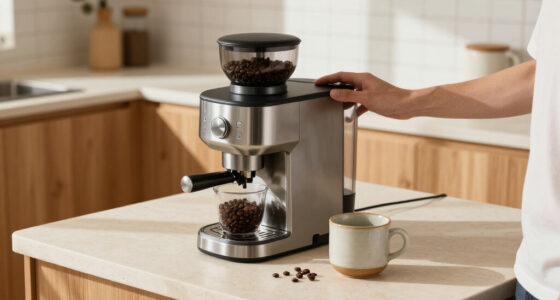
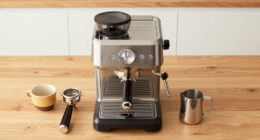
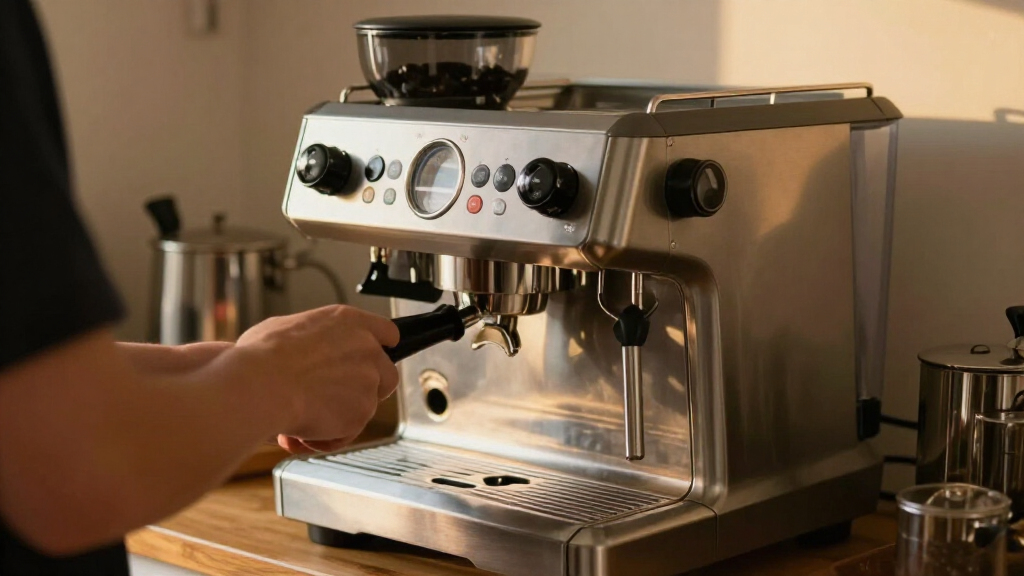
espresso machine with dual boilers
As an affiliate, we earn on qualifying purchases.
As an affiliate, we earn on qualifying purchases.
When a single boiler is enough for your coffee routine
Boiler types explained starts simply with the single boiler: one heated system serves both espresso brewing and steam. Because brewing and steaming need different temperature conditions, many machines switch modes rather than doing both jobs at once. That keeps the design straightforward, but it can add a pause when you move from pulling a shot to frothing milk.
Think of a Saturday coffee for one. You brew an espresso, then wait for the machine to reach a hotter steaming temperature before using the wand; after steaming, it may need to cool or refill before it is ready to brew again. The steps are manageable if you make mostly black coffee or only an occasional cappuccino. They feel more noticeable when three guests are waiting and milk pitchers keep appearing.
A single boiler often appeals to buyers looking for a smaller footprint, a simpler machine, or a lower entry price than a comparable machine with two boilers. But simple does not mean maintenance-free. Follow the manufacturer’s instructions for descaling, water quality, cleaning, and service; mineral buildup can interfere with heating and water flow. Don’t open or repair a machine while it is hot or connected to power.
For instance, if your weekday drink is one double espresso and you only steam milk on weekends, a single boiler may offer a sensible balance. If you routinely make several milk drinks back-to-back, its brew-steam-brew rhythm may become the part of your morning you notice most. Ask yourself how many drinks you actually make in a row, not just what you hope to make once the machine arrives.
As an affiliate, we earn on qualifying purchases.
How a heat exchanger lets you brew and steam together
Boiler types explained includes the heat exchanger, a design that can let you brew espresso and produce steam at the same time. The machine has a main boiler that keeps water hot for steam, while a separate tube carries brewing water through that hot environment. Heat passes into the brewing water without the two water supplies mixing.
That layout makes a difference during a busy breakfast. You can start steaming milk while espresso flows into the cup, then finish the cappuccino without waiting for a single boiler to change modes. The steam boiler acts like a hot reservoir, while the exchanger’s tube picks up heat for brewing. In effect, the machine gives two jobs different routes through one larger heating system.
The tradeoff is that brewing temperature can depend on how hot the machine has been sitting and how the water in the exchanger behaves. Some machines need a cooling flush: you run water briefly before brewing to bring the brew path closer to the desired temperature. The right routine varies by model, so follow the manufacturer’s guidance rather than copying a flush time from a different machine.
Picture a home where you make two flat whites before work. A heat exchanger’s simultaneous brewing and steaming can keep the sequence moving, but you may need to learn its warm-up and flush habits for repeatable shots. This is a good example of why “faster” and “easier” are not always the same. You gain pace, but the machine may ask you to pay attention to technique.
As an affiliate, we earn on qualifying purchases.
When a dual boiler earns its extra space and cost
Boiler types explained also covers dual boilers: one boiler heats water for espresso, while another supplies steam. Separate boilers let the machine control brewing and steaming temperatures independently, and they commonly allow both tasks to happen at once. That makes dual boilers appealing to people who want a steady rhythm across several milk drinks.
For example, if you host brunch and make four lattes, you can pull shots while steaming milk rather than switching the machine between modes. Independent temperature controls can also help you adjust brew water for different coffees, depending on the machine’s features. A light-roasted coffee and a darker blend may taste better with different brew settings, though your grinder, dose, and technique still matter.
There are tradeoffs. Two boilers can mean a larger, heavier, more expensive machine, and more components may call for attention over the life of the appliance. The machine’s stated capacity and controls matter as much as the number of boilers. A dual-boiler label alone doesn’t guarantee fast warm-up, easy repairs, or better espresso in every cup.
A useful test is to compare your actual routine with the extra capability. If you make one espresso each morning, independent boilers may sit underused. If you make repeated milk drinks and value simultaneous work, the added cost and counter space may feel worthwhile. When comparing models, check the manufacturer’s service information, water requirements, warranty, and recommended maintenance schedule—not only the advertised boiler count.
As an affiliate, we earn on qualifying purchases.
Why a thermoblock heats quickly in a compact machine
Boiler types explained includes thermoblocks, compact heating blocks that warm water as it flows through narrow channels. Instead of storing a large volume of hot water in a traditional boiler, the machine heats a smaller amount on demand. That design can reduce bulk and help a machine reach operating temperature quickly, depending on its construction and controls.
Imagine a small kitchen where every inch of counter space matters. A compact thermoblock machine can be ready for a quick espresso without occupying the footprint of a larger café-style unit. Some machines use thermoblocks for brewing, some for steam, and some combine heating components in more complex ways. Read the specific model’s description: “thermoblock” alone does not tell you whether it can brew and steam simultaneously.
Flow-through heating brings its own tradeoffs. Temperature stability depends on the heater, sensors, water flow, and control system, rather than simply on a large tank of hot water. A machine with good temperature control can perform well for its intended use, while a less capable design may show more variation during rapid, repeated use. A thermoblock is not automatically inferior or superior; it is a different way to deliver heat.
For a person who wants one or two coffees and values quick setup, a thermoblock may fit neatly into daily life. For someone pulling a long run of shots and steaming pitcher after pitcher, check independent reviews and the manufacturer’s stated operating limits. If a product page is vague about simultaneous steaming, warm-up, or cleaning, ask the seller before you buy.
Compare the four designs against the way you make coffee
Boiler types explained becomes easier when you compare the job each system does. A single boiler prioritizes a straightforward, shared heating system; a heat exchanger prioritizes simultaneous brew and steam from one main boiler; dual boilers separate those tasks; and a thermoblock prioritizes compact, flow-through heating. Your best fit depends on your drink pattern, available space, and tolerance for learning a machine’s routine.
| Design | How it heats | Often suits | Tradeoff to check |
|---|---|---|---|
| Single boiler | One heated system serves brewing and steaming, usually in separate modes | Espresso-first routines and occasional milk drinks | Waiting between brew and steam modes |
| Heat exchanger | One main boiler heats steam; a separate tube heats brew water | People making milk drinks who want simultaneous brewing and steaming | Model-specific temperature management and possible flush routine |
| Dual boiler | Separate boilers heat brew water and steam | Frequent milk drinks and independent temperature control | Price, size, and additional components |
| Thermoblock | A compact block heats water as it flows through | Space-conscious buyers and quick, smaller routines | Check simultaneous use and repeated-drink performance |
Use the table as a shortlist tool, not a ranking. If you drink straight espresso, a single boiler’s mode changes may hardly matter. If you make cappuccinos for a family, simultaneous steam and brewing may matter more than a few inches of counter space. Compare actual machine specifications, because designs and controls vary by model.
When you read product pages, separate the heating layout from marketing claims about efficiency or speed. A machine can be compact but still need a warm-up period; a machine can have two boilers but still require regular cleaning and servicing. The details that matter are the ones you will feel every morning: time to the first drink, pauses between drinks, ease of temperature control, and upkeep.
Use this five-step check to choose a machine you’ll enjoy
Boiler types explained gives you a useful framework, but your daily routine should make the final decision. Follow these five steps before you compare prices. A clear picture of your habits can prevent you from paying for capacity you rarely use—or buying a machine that slows you down every morning.
- Count your drinks in a row. One espresso a day points toward a simpler system; several milk drinks make simultaneous brewing and steaming more valuable.
- Be honest about milk. If you rarely steam, don’t pay extra just to avoid a short mode change. If you make lattes daily, note how often you want to steam and brew at once.
- Measure your counter. Check the machine’s width, depth, and clearance under cupboards, then leave room to fill the tank and handle a milk pitcher.
- Check temperature controls and workflow. Ask whether the model uses a flush routine, offers separate brew settings, or needs a pause between tasks. Follow its manual for operating instructions.
- Price the care, not just the purchase. Review water guidance, cleaning steps, descaling instructions, warranty terms, and local service options before deciding.
For example, a buyer who makes two cappuccinos every morning may value a heat exchanger or dual boiler more than a compact thermoblock. A buyer with a tiny kitchen who makes a single espresso may prefer the smaller footprint. Neither person needs the same machine, even if both care about good coffee.
Choose the design that removes the most annoying part of your routine. If waiting for steam frustrates you, prioritize simultaneous operation. If clutter frustrates you, prioritize size. If you enjoy dialing in coffee, temperature controls may matter; if you want a quick drink with little fuss, straightforward operation may win.
Keep your espresso machine safe and dependable
Boiler types explained is only part of ownership: every heating design needs the right cleaning and care. Use the water recommended by the manufacturer, empty and clean drip trays, wipe the steam wand after every use, and follow the machine’s schedule for backflushing or descaling where applicable. Mineral deposits can build up inside water paths, while leftover milk can harden on a wand and affect hygiene and performance.
After steaming milk, purge the wand as directed and wipe it with a clean, damp cloth. Don’t leave milk residue until the next morning; it becomes stubborn quickly. For descaling, use only an approved method for your model. Some machines or water systems can be damaged by unsuitable chemicals or procedures, so the manual takes priority over a generic online tip.
Heat and pressure deserve respect. Let the machine cool as directed before cleaning areas that can burn you, and never remove panels or attempt electrical repairs while it is plugged in. If you notice leaks, unusual smells, damaged cords, or unstable operation, stop using the machine and contact qualified service. Espresso machines are appliances, not safe home repair projects for every fault.
Regular maintenance also helps you judge the true cost of a design. A compact thermoblock still needs cleaning, and a dual boiler still needs service. If you make coffee every morning, a five-minute wipe-down and a calendar reminder for the manufacturer’s maintenance schedule can keep care from becoming a weekend rescue mission. Keep the manual and service details where you can find them.
Frequently Asked Questions
What is the main difference between a heat exchanger and a dual boiler?
A heat exchanger uses one main boiler for steam and a separate tube to heat brewing water as it passes through. A dual boiler uses two boilers, with one dedicated to brewing and one to steam. Both designs can support simultaneous brewing and steaming, but the dual-boiler layout separates temperature control more directly.
Is a thermoblock an actual boiler?
A thermoblock is a compact flow-through heater rather than a traditional tank that holds a large volume of hot water. Water heats as it moves through channels in the block. Since manufacturers use different layouts, check whether a particular machine can steam and brew at the same time.
Which espresso machine design is best for milk drinks?
If you regularly make several milk drinks in a row, a heat exchanger or dual boiler can save time because both can commonly brew and steam at once. A dual boiler offers separate heating systems, while a heat exchanger uses one main boiler and a separate brew-water path. The right option depends on your budget, desired controls, and the specific model.
Does a dual boiler always make better espresso?
No. A dual boiler can provide independent temperature control, but espresso quality also depends on the grinder, coffee, water, recipe, and how well you use the machine. If you mainly make one espresso at a time, you may not benefit enough from the extra capacity to justify the additional cost or counter space.
How often should I descale an espresso machine?
Follow the manufacturer’s instructions, because the right schedule depends on the machine and the water you use. Hard water can lead to faster mineral buildup, but some machines and water treatments call for specific care. Use an approved descaling method rather than guessing, and keep the steam wand clean after each use.
Conclusion
Choose your espresso machine by the rhythm you want at home. If you mostly drink espresso, a single boiler or compact thermoblock may be plenty; if milk drinks arrive in a steady parade, a heat exchanger or dual boiler can reduce waiting. Check the exact model’s controls and care instructions before you commit.
The best machine is the one that fits your counter and your morning—not the one with the most impressive label. Let your next cup, not the spec-sheet jargon, make the decision.
Fall Picks
fall essentials
As an affiliate, we earn on qualifying purchases.