TL;DR

Get coffee and tea gear delivered free with Prime
- Fast, free delivery on millions of items
- Prime Video, Amazon Music and more included
- Member-only deals all year
Keep espresso gear predictable by doing quick cleaning after each session, setting a weekly reminder for machine-approved cleaning, and checking water treatment and wear on a longer interval. Follow the machine and grinder manuals, since backflushing, descaling, and part-replacement schedules vary by design and water conditions. Keep a short log and act on leaks, changing flow, or unusual sounds instead of waiting for the next calendar reminder.
A clean-looking espresso machine can still be quietly collecting scale, stale coffee oils, or grinder dust in the places you can’t see. The fix isn’t to scrub everything every night. It’s to match each task to how often you use the gear, what your machine allows, and the water running through it.
This guide gives you a practical calendar for the jobs that matter: quick after-session care, weekly cleaning, monthly inspections, and less frequent service decisions. You’ll also learn why blanket advice like “descale every few months” can backfire, how to keep a simple maintenance log, and which symptoms deserve attention before your next scheduled check.
Think of the calendar as a rhythm, not a rulebook. A home machine pulling two shots each morning has different needs from one serving a busy household all day. The goal is predictable shots and fewer preventable surprises, not a countertop covered in cleaning products.
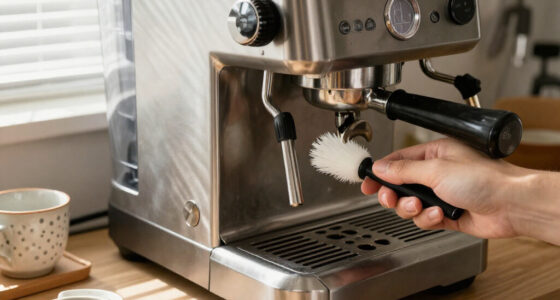
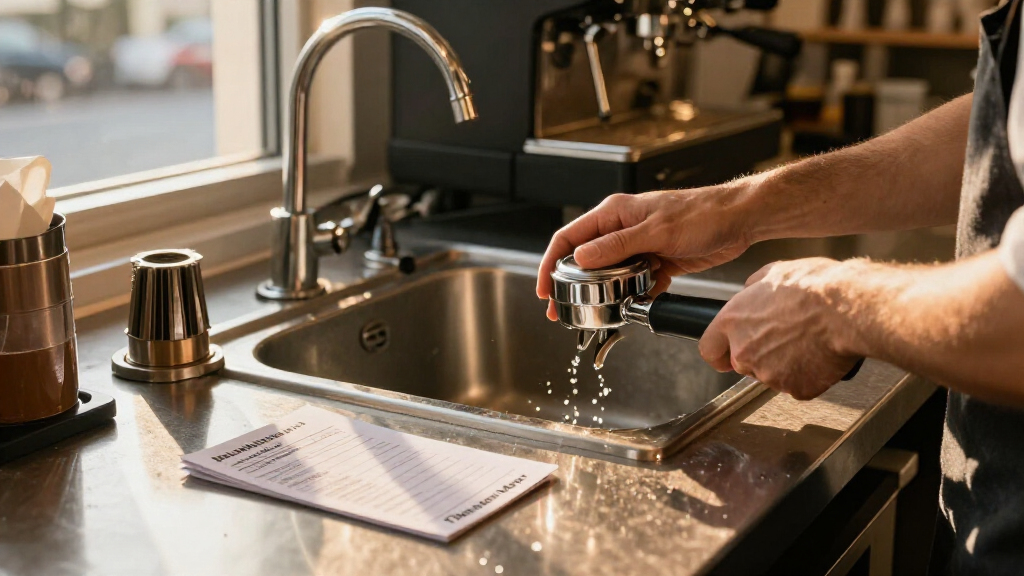
Purge and wipe the steam wand after each session, and rinse the basket and portafilter.
Backflush only if your machine supports it, and follow its manual for water-only and detergent procedures.
Use water that meets your machine’s specifications; filtered or bottled water is not automatically suitable.
Treat descaling as model- and water-specific, not as a universal monthly or seasonal chore.
Keep a short log of dates, filter changes, leaks, flow changes, and unusual grinder or pump sounds.
A Smarter Espresso Care Rhythm Keep Gear Predictable
Match cleaning and checks to use, water conditions, and manufacturer guidance. A calendar should prompt inspection—not override what your machine is telling you.
After each session
Quick cleanup keeps milk residue and loose coffee from drying into stubborn buildup.
Purge and wipe it promptly with a clean cloth.
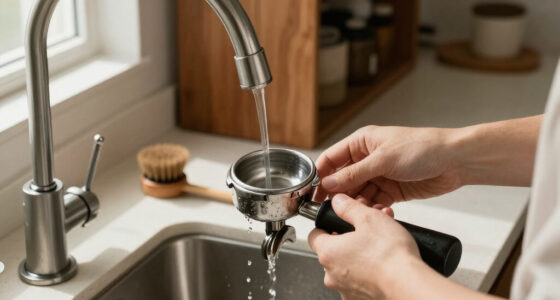
Wipe the portafilter and basket; purge the group head as your machine allows.
Empty and rinse the drip tray when it needs it.
A practical maintenance rhythm
Scale the routine to how often you use the gear, and check your manuals before cleaning.
| When | What to do | Why it matters |
|---|---|---|
| Daily, with frequent use | Wipe surfaces; check water; clear loose grinder grounds. | Keeps the work area and accessible parts in order. |
| Weekly | Wash removable parts; backflush only if supported; brush accessible grinder areas as directed. | Routine cleaning without applying a method your machine may not allow. |
| Monthly or as directed | Inspect visible seals, screens, hoses, connections, and water treatment. | Helps spot wear, leaks, or filter needs. |
| Seasonally or as needed | Consider descaling or service only according to the maker’s guidance and water conditions. | Avoids risky, unnecessary one-size-fits-all maintenance. |
Water and descaling need a closer look
Water chemistry affects scale risk, taste, and what maintenance is appropriate.
- Use water that meets your machine’s specifications.
- Filtered or bottled water is not automatically suitable.
- Record water-source and treatment changes.
- Descaling timing and method depend on the machine and water.
- Do not assume vinegar or a generic descaler is approved.
- Ask the manufacturer or a qualified technician if unsure.
Let symptoms change the schedule
A calendar is a reminder to check—not a reason to wait when performance changes.
Leaks or slow flow
Check for an immediate cleaning issue and investigate rather than waiting for the next inspection.
Unusual pump sounds
Note what changed and seek guidance if the sound persists.
Struggling or changing
Check accessible areas as the grinder maker directs; record performance changes.
Keep a short maintenance log
A simple record helps connect performance changes with care, water, or heavier use.
- Write down dates and tasks.
- Note filter and water-treatment changes.
- Record leaks, flow changes, unusual sounds, or inconsistent shots.
Build a schedule around use, instructions, and warning signs
An espresso maintenance calendar works best when it combines three things: how often you use the equipment, the manufacturer’s instructions, and signs that something has changed. A date on the calendar is a reminder to inspect and act where needed, not proof that every part needs cleaning or replacement. That distinction keeps routine care useful instead of wasteful.
Start with your manual. Backflushing depends on machine design, and the approved cleaner, procedure, and water requirements can vary. Some machines are not designed for conventional backflushing, so copying a routine from a different model can do harm. Warranty terms may also depend on following the maker’s instructions.
Then adjust the rhythm to your household. If you pull two shots before work, you may need to empty the drip tray every few days. If you serve eight drinks on a Saturday, you may need to rinse it that afternoon. A use-based schedule captures that difference better than a generic list.
Watch the gear as you clean. Water leaking around the portafilter, a pump that sounds different, slower flow, or a grinder that suddenly struggles may matter more than the next scheduled task. For example, if a shot that usually runs smoothly starts dribbling despite the same coffee and grind setting, check for an immediate cleaning issue and investigate rather than waiting until month-end.
A calendar should prompt a check, not override what your machine is telling you.
Write down the task, date, and any symptom you notice. That small record can show whether a change began after a filter swap or a run of heavy use. A useful maintenance calendar is less about cleaning everything constantly and more about doing the right task at the right interval.
Products Worth Considering

Breville Bambino Espresso Machine, Brushed Stainless Steel

Breville Barista Express Espresso Machine with Built-In Grinder, Black Sesame

De'Longhi Magnifica Start Fully Automatic Espresso Machine with Milk Frother, Silver
As an affiliate, we earn on qualifying purchases.
Use this after-session and weekly espresso cleaning routine
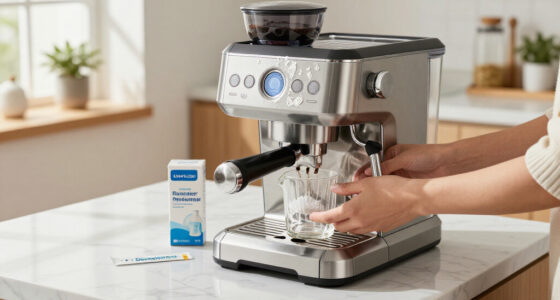
For most owners, the simplest dependable routine is quick care after each session followed by a more thorough weekly clean, with every step checked against the machine manual. Cleaning promptly removes milk residue and loose coffee before they dry into stubborn, sour-smelling buildup. Your exact routine still depends on whether your machine supports the method.
- After each session: Purge and wipe the steam wand right away, clean the portafilter and basket, and purge the group head as appropriate for your machine. Empty and rinse the drip tray when it needs it.
- Daily, if you use the machine often: Wipe the exterior and work surface, check that the reservoir or water supply is clean and adequately filled, and clear loose grounds around the grinder chute.
- Weekly: Wash removable baskets, portafilters, and drip-tray parts. If the machine supports backflushing, follow the manufacturer’s water-only or detergent procedure. Brush accessible grinder areas as its maker directs.
Imagine finishing a cappuccino before work. A quick steam-wand purge and wipe takes only moments, but leaving milk to dry can turn a soft film into a crust that is harder to remove and can affect steaming. Use a clean cloth for the wand, and don’t let it become a shared rag for the counter and portafilter.
Weekly care is about cleaning reachable parts, not taking the machine apart. Keep water and cleaner away from grinder areas that are not designed for wet cleaning. If your manual doesn’t clearly allow a cleaning step, pause and check it before applying a generic routine. Manufacturer-approved methods protect both equipment and warranty coverage.
Check water before you reach for a descaler
Water is part of espresso-machine maintenance because its mineral content affects both flavor and scale risk. Use water that fits the machine maker’s specifications; neither “filtered” nor “bottled” automatically means suitable. A filter can change water, but its presence alone does not tell you whether the resulting mineral content is right.
Hardness and alkalinity can contribute to scale, which may build inside water passages and boilers. At the other end, distilled or very low-mineral water may be unsuitable for some machines and can affect taste or operation. Water conditions vary from one home to another, so a neighbor’s schedule or water recipe may not suit your equipment.
For example, two households can own the same machine but use very different water. One may have a treatment system that keeps its water within the manufacturer’s range; another may fill the reservoir from a hard-water tap. Their filter checks and service needs may differ even if they pull the same number of shots. Record your water source and any treatment changes alongside cleaning dates.
Descaling is not a universal calendar chore. The correct timing and process depend on the machine, water, and maker’s guidance. Incorrect or poorly timed descaling can cause problems, particularly with some boiler designs or water-treatment setups. If you are uncertain, ask the manufacturer or a qualified technician rather than experimenting with a household cleaner.
Don’t assume vinegar, a generic descaler, or a “clean” filter is safe for your machine. Use only products and procedures approved for its specific model.
A filter’s rated capacity is a useful starting point, but actual water conditions matter. Check the system at the manufacturer’s recommended interval and note changes. That keeps espresso water care tied to what the machine receives instead of an arbitrary date.
Make a monthly inspection catch leaks and wear early
A monthly check is a chance to inspect visible wear and water-treatment parts, not a command to replace everything. Look at the group-head gasket, screen, visible hoses, and connections for residue, damage, or leaks, then check filters and treatment systems against their rated capacity and your water conditions. A few minutes can reveal a problem before it becomes a frustrating morning failure.
Use a bright light and look for changes. A gasket that appears cracked, flattened, or brittle may need attention; water leaking around the portafilter or trouble locking it into place can also point to wear. Those signs are clues, not a reason to force the handle or pry at parts without knowing the correct procedure. Check the manual or ask a technician if you are unsure.
For a real-world check, lock in the portafilter as usual and watch during a shot. If water escapes around its edge, note when it happens and whether the basket and rim are clean. A dirty seal area can complicate the picture, while a persistent leak deserves a closer inspection. Record the symptom instead of just writing “machine broken.”
You can clean a grinder more thoroughly at this interval only if its manufacturer permits the method. Brush accessible areas and keep liquids away from components not designed for wet cleaning. Grinder cleaning is not a reason to soak burrs or push cleaner into hidden parts.
Keep the inspection log short: date, parts checked, filter status, and any symptom. If a leak appears three days after a filter change or a grinder sound shifts after a deep clean, that timeline gives you something useful to discuss with support or a service technician.
Let performance—not a generic countdown—set service timing
Routine cleaning, inspection, and repair are different jobs, and they should not share one automatic interval. Use the calendar for repeatable owner tasks, then let the machine’s design, water, and performance determine when less frequent service is needed. A monthly reminder to inspect is sensible; a universal reminder to descale is not.
| Task | Useful timing cue | What to do |
|---|---|---|
| Steam wand and basket care | After each session | Purge and wipe the wand; rinse loose coffee from the basket. |
| Backflushing | Manual and frequency of use | Only use a method the machine supports; distinguish water rinses from detergent cleaning. |
| Filter check | Rated capacity and water conditions | Inspect or replace according to the treatment system’s guidance. |
| Descaling | Machine guidance and water conditions | Use only the approved timing and procedure; ask for help if unsure. |
| Gaskets or grinder burrs | Inspection and performance | Replace when wear or symptoms indicate a need, following maker guidance. |
Grinder burrs have no single replacement interval that fits every home. Burr type, coffee volume, and beans all affect wear. If shots become harder to dial in, grinding slows, or consistency declines, inspect and consult the grinder maker’s guidance rather than changing burrs just because a generic calendar says so.
Seasonally or as needed, consider professional service when the manufacturer’s guidance or symptoms point that way. A machine with unusual pump noise, persistent leaks, or an unresolved flow change may need a qualified technician. Electrical, pressure-system, boiler, and internal repairs are not casual cleaning jobs, especially if your machine is under warranty.
That distinction saves time and reduces risk. Cleaning removes residue; inspection spots changes; service addresses problems that require tools, training, or access to internal components.
Keep a five-line log that makes changes easier to explain
A useful espresso maintenance log can fit in five short fields: date, task, water or filter change, symptom, next action. It is there to help you spot patterns and explain them later, not to create paperwork. A note on your phone or a small card inside a cupboard works fine.
Imagine your shots start running slowly in early spring. Your notes show that you changed water treatment two weeks earlier, cleaned the basket last weekend, and have not changed the grinder setting. That timeline gives you a sensible place to start checking, rather than prompting random changes to every part of your setup. It does not diagnose the machine by itself, but it makes your observations clearer.
Record simple, observable details: “water leaked at portafilter during two shots” is more helpful than “espresso machine acting weird.” Write down a filter replacement and the product or method you used, too. If you contact the manufacturer or a technician, dates and symptoms can help them understand what happened.
Some connected machines and grinders offer app reminders or usage tracking. These can help you remember a weekly cleaning task, but an alert cannot see every leak, confirm that your water suits the machine, or replace the manufacturer’s instructions. Treat it as a nudge, not a diagnosis.
Keep the calendar easy enough to follow on a busy week. If logging takes ten minutes, you probably will not keep doing it. A few honest notes are more useful than a perfect spreadsheet that stops after the first month.
Adjust the calendar to your household without adding busywork
A practical maintenance calendar gives you a dependable rhythm while leaving room for actual use and water conditions. The tradeoff is straightforward: too little care lets residue and problems build, but too many generic chores waste effort and can lead to unnecessary chemical cleaning. The goal is the right task at the right interval, not maximum activity.
If your machine sits unused for several days, your priorities may differ from a household pulling drinks throughout the day. Frequent use can mean more tray rinsing and more regular attention to loose grounds; it does not automatically mean every internal task needs to happen more often. Follow the manual for cleaning steps and adjust ordinary upkeep to what you can see.
Here is a simple way to make the schedule yours: put after-session care near the machine, set one weekly reminder for removable parts and any approved backflush, and add a monthly reminder to inspect wear and check water treatment. Add seasonal or as-needed service only where the maker’s instructions or symptoms support it. A calendar that you follow beats a complicated one you abandon.
For instance, if Monday mornings are rushed, tie weekly cleaning to a slower Sunday routine. If you share the machine, post a small checklist near the grinder so everyone knows to wipe the wand and clear grounds. That practical cue can prevent the familiar surprise of finding dried milk on a wand just before guests arrive.
Maintenance is also a chance to notice change. The routine is not only about cleaning everything; it is about doing the useful checks often enough that a new leak, sound, or shot pattern stands out.
Frequently Asked Questions
How often should I backflush my espresso machine?
Follow your machine’s manual, because not every espresso machine supports conventional backflushing. For machines that do, frequency depends on use, and water-only rinsing may follow a different schedule from detergent cleaning. For example, a household pulling many drinks may need to follow a different routine from one making two shots a day.
Should I descale my espresso machine regularly?
Not automatically. The need, timing, and safe method depend on your machine, water conditions, and manufacturer’s guidance. If your water is hard or you are unsure whether descaling is appropriate for the machine’s boiler and treatment setup, ask the manufacturer or a qualified technician before proceeding.
What water should I use in my espresso machine?
Use water that falls within the mineral-content requirements given by your machine’s maker. Very hard water can contribute to scale, while distilled or very low-mineral water may not suit some machines or may affect taste. A filter or bottled label alone does not prove the water is appropriate.
How can I tell if my group-head gasket needs replacing?
Common clues include water leaking around the portafilter, trouble locking it in, or a gasket that looks cracked, flattened, or brittle. Clean the parts you can reach and check the manual before attempting replacement. If the leak persists or you are unsure how to access the gasket, consult a technician.
How often should I replace grinder burrs?
There is no universal interval. Burr type, coffee volume, and the beans you use all affect wear. Watch for declining grind consistency, slower grinding, or difficulty dialing in, then check the grinder maker’s guidance before replacing parts.
Can I use vinegar or household cleaner to clean my machine?
Do not assume household products are safe for espresso equipment. They may damage materials, leave residues, or be unsuitable for internal parts. Use only cleaners and procedures approved for your specific machine, and keep liquids away from grinder components not designed for wet cleaning.
What maintenance should I leave to a technician?
Routine cleaning and basic visual checks are generally owner tasks when the manual permits them. Electrical, pressure-system, boiler, or other internal repairs may require qualified service, particularly while the machine is under warranty. Persistent leaks, unusual pump sounds, or unresolved flow problems are good reasons to seek help.
Conclusion
Build your calendar around quick after-session care, a manageable weekly clean, and periodic checks that match your machine’s instructions and your water. Use symptoms to move a task forward, and use the manual to decide what methods and products are safe.
A few clear notes can turn a sudden leak or slow shot into a clue instead of a mystery. Keep the routine simple: a clean wand, a checked filter, and a machine whose changes you notice before they interrupt your morning.