TL;DR
Espresso improves when you repeat a sound process, measure the result, and adjust one variable at a time. A simple log of dose, output weight, time, grind setting, bean age, and taste helps you reproduce good shots and understand why others miss.
A new grinder setting can change your espresso in seconds; learning what that change did takes a little longer. If your morning shot swings from bright and sweet to sour and thin, the problem may be less about your machine and more about how many things changed between attempts.

Get coffee and tea gear delivered free with Prime
- Fast, free delivery on millions of items
- Prime Video, Amazon Music and more included
- Member-only deals all year
Repetition is the espresso upgrade nobody sells because it costs nothing beyond a few measured shots and your attention. When you repeat the same preparation, you give yourself a fair comparison: the coffee, dose, yield, and method stay steady while you learn what one adjustment does.
This guide shows you how to build a useful baseline, read taste alongside shot time, make your technique more consistent, and adapt when beans age. You do not need a perfect recipe. You need a process you can repeat, understand, and change with purpose.
Start with a repeatable baseline, such as 18 grams in and about 36 grams out, then adapt it to the coffee and your taste.
Record dose, output weight, shot time, grind setting, coffee age, and a brief flavor note.
Use shot time to understand flow, but use taste to decide whether an adjustment helped.
Change one variable at a time; check preparation and grinder retention if shots vary widely.
A scale and a simple log support learning, while expensive equipment cannot replace a repeatable workflow.
Why Repetition Is the Secret Espresso Upgrade Nobody Sells
A repeatable process makes each shot a fair comparison. Record what you do, taste the result, and change one variable at a time.
Build a baseline you can repeat
A simple log turns “that was better” into a result you can try again.
Record the shot
Note dose, output weight, shot time, grind setting, coffee age, and taste.
Hold steady
Keep your preparation and recipe consistent so each shot is a useful comparison.
Change one thing
Make one small adjustment, then pull another shot and taste it.
Let taste guide the next move
Shot time offers a clue about flow; flavor tells you whether the result worked.
- Try a slightly finer grind.
- A longer beverage ratio may help.
- Try a slightly coarser grind.
- A shorter ratio may help.
Make preparation consistent
A steady routine helps reveal whether variation comes from the recipe or the workflow.
Wipe it clean and use the same dose and method.
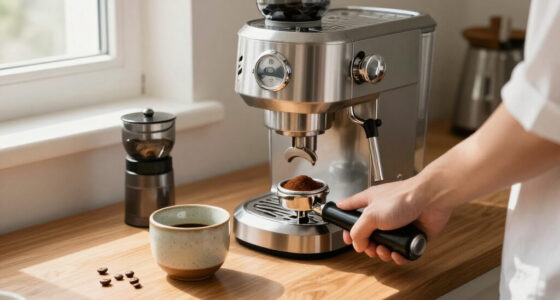
Spread the grounds evenly and tamp level with a steady motion.
If shots vary widely, review preparation and grinder retention first.
Why Repetition Is the Espresso Upgrade That Makes Every Shot More Useful
Why repetition is useful is simple: a repeatable process makes each shot a fair comparison. If you change the dose, grind, tamp, and yield all at once, a better tasting cup tells you very little about which choice helped. Hold most of those steady and adjust one variable, and the result becomes a clue you can use on the next shot.
Think of dialing in espresso like tuning a radio. You keep the station fixed while moving the dial in small steps; turning several controls at once leaves you guessing. On Monday, you might pull 18 grams in and aim for 36 grams out. If that tastes thin, keep the same dose and yield, make the grind slightly finer, and taste again.
Home espresso has more capable machines, grinders, scales, and online lessons than ever. That makes it easier to measure a shot, but the flood of settings and accessories can invite constant tinkering. A stable routine gives those tools a job: they help you observe a change instead of adding another mystery.
Repetition does not mean copying one setting forever. It means giving each adjustment a clear starting point. A sound process and a few deliberate trials help you learn your grinder and machine, then carry that knowledge to the next bag of coffee.
Products Worth Considering

Cuisinart 8-in-1 Air Fryer Toaster Oven with Grill, 1800W, Stainless Steel

Instant Pot Vortex Plus 6-Quart Air Fryer

Le Creuset Signature Enameled Cast Iron Braiser, 3.5 qt., White
As an affiliate, we earn on qualifying purchases.
Build a Baseline You Can Recreate Tomorrow
A useful espresso baseline is a recorded recipe you can repeat well enough to judge changes. Write down dry dose, beverage weight, shot time, grind setting, coffee age, and a short taste note. Those details turn “that one was better” into something you can try again tomorrow.
A 1:2 ratio is a practical starting point: 18 grams of ground coffee in, about 36 grams of espresso out. It does not suit every bean or every palate. Still, it gives you a clear first recipe, much like marking your starting position before setting out on a walk.
Try this short routine when you open a new bag:
- Weigh the dose and use the same basket and preparation method for each trial.
- Weigh the espresso in the cup, stopping near your chosen output rather than relying only on liquid volume.
- Note the time and taste. Record whether the shot seems sour, sweet, bitter, thin, or balanced.
- Repeat before changing much. If the next shot differs sharply, check your workflow and equipment before rewriting the recipe.
Imagine pulling two shots before work. The first runs fast and tastes sharp; the second, made with the same dose and target yield, behaves similarly. That repeatability gives you a reason to test a finer grind. If their times and flavors vary wildly, first check how evenly you distributed the grounds and whether the grinder retained old coffee.
A short, honest log beats a perfect memory. You can jot the details on paper or in a phone note. Your log gives you a map of what happened, while taste tells you whether the destination is worth reaching.
Use Taste to Decide What the Shot Time Means
Shot time is a diagnostic clue; taste is the verdict. Time helps you notice how a shot flowed, but it cannot tell you by itself whether you will enjoy the cup. Two coffees can take similar times and taste different, and a shot outside a familiar time range can still taste pleasing.
If espresso tastes sour, sharp, or thin, a finer grind or a longer beverage ratio may help. If it tastes harsh or bitter, try a slightly coarser grind or a shorter ratio. Change one thing, pull another shot, and taste it while the result is fresh in your mind. Small moves make the cause easier to recognize.
For example, say your 18-gram dose produces 36 grams in a very fast shot that tastes lemony and hollow. You could keep the dose and yield steady, grind a little finer, then compare the flow and flavor. If the next cup tastes sweeter but now lingers with a dry bitterness, you have learned something useful: the finer grind helped, but you may have gone too far.
Keep the numbers in context. A scale can give you a dependable beverage weight, while time flags a possible change in flow. Neither replaces tasting. Your taste note need not sound like a coffee competition: “sweet, smooth, little dry finish” is enough to guide your next move.
When you repeat a measured shot and taste it side by side with another, your palate starts linking changes to results. That learning can feel slower than buying a new tool. It is also the part that lets you adjust a recipe without starting from zero every time.
Make Your Preparation Repeatable Before You Blame the Recipe
Consistent preparation reduces shot-to-shot variation before you start changing the recipe. Distribute the grounds evenly, tamp with a steady motion, keep the basket clean, and follow the same sequence each time. If coffee clumps on one side of the basket or the tamp tilts, water may find an easier route through the puck and leave other areas under-extracted.
Build a small routine and repeat it in the same order. For example, wipe the dry basket, grind your dose, distribute the grounds evenly, tamp level, lock in the portafilter, and start the shot. A calm sequence is like following a familiar recipe in the kitchen: you can notice when something changes because the usual steps are no longer moving around.
If one shot gushes and the next drips, do not immediately blame the coffee. Check whether the dose was the same, whether the basket held old grounds, and whether you prepared the puck in the same way. Also note that grinders can retain coffee, so the first dose after a change may include grounds left from an earlier setting.
Clean equipment helps you judge flavor honestly. Old coffee residue can add stale, bitter notes that mask what the fresh shot is doing. Brush loose grounds from the basket and wipe the portafilter after use; follow your machine’s cleaning guidance for deeper maintenance.
Repetition will not erase every source of variation, and you do not need robotic precision to make good coffee. It gives you a reliable way to spot likely causes. Once your preparation looks and feels steady, recipe adjustments become more meaningful.
Adjust for Aging Beans Without Losing Your Routine
Coffee changes as it ages, so a stable process needs flexible settings. Beans release gas after roasting and can behave differently as time passes. A grind setting that produced a balanced shot last week may now let water pass more quickly, even though your dose and preparation look the same.
Keep your routine steady, but watch for a change in flow or flavor. If the shot suddenly runs faster and tastes thin, a small grind adjustment may bring it closer to your baseline. For example, a bag that gave you a sweet 36-gram shot early in the week might need a slightly finer grind several days later to reach a similar taste.
This is why consistency is a method, not one fixed number. Your notes let you see whether a change tracks with bean age, a new bag, or a changed workflow. They also keep you from chasing a setting that belongs to last week’s coffee.
Use familiar recipes as a starting point, then adapt to the coffee, roast, freshness, and your taste. One bag may taste lively at a shorter ratio; another may become rounder with a little more beverage weight. If you change several parts of the recipe when the beans age, you make it harder to learn what the coffee itself needs.
Think of your recipe as a well-marked path rather than train tracks. You know where you started and which turn you took, but the ground can shift. A repeatable workflow lets you respond to that shift without losing your way.
Know Which Espresso Tools Help and Which One You Can Skip
A scale and a simple log can make espresso easier to learn because they help you repeat dose and output. A costly machine may offer steadier temperature or pressure control, and a distribution tool may help some people prepare grounds more consistently. Those tools can support good technique; they cannot tell you whether the cup tastes balanced.
Picture two home baristas. One uses a modest setup, weighs the coffee, and repeats the same puck preparation. The other has a more expensive machine but changes grind, dose, and yield whenever a shot surprises them. The first person may learn faster because each cup answers a clearer question.
| Tool or habit | What it helps you control | What it cannot do alone |
|---|---|---|
| Scale | Dose and espresso output by weight | Choose a flavor you enjoy |
| Simple log | Track recipe changes and taste notes | Make an inconsistent routine repeatable |
| Distribution tool | Support even grounds preparation | Guarantee an even extraction |
| More capable machine | Offer greater control over brewing conditions | Replace tasting and deliberate practice |
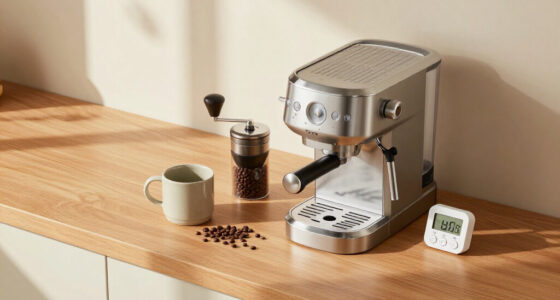
You can start with a scale and a note that reads “18 in, 36 out, 29 seconds, sweet, slight dryness.” If you already own specialized tools, use them to hold a variable steady, not as a promise of automatic improvement. The upgrade nobody sells is the ability to repeat a good shot and understand how you got there.
Turn Side-by-Side Tasting Into a Skill You Can Use
Side-by-side tasting helps you connect a small process change with flavor. Memory fades quickly after a sip, especially when one espresso follows another by several minutes. Tasting two nearby trials together makes differences in sweetness, sharpness, body, and finish easier to notice.
Try a simple kitchen-table comparison. Pull one shot at your usual grind, then a second with a slightly finer setting while keeping dose and yield steady. Let both cool briefly, taste a small sip from each, and write one short note for each. You might find the finer shot feels rounder and sweeter, or that it has turned dry and heavy.
Keep the comparison simple. You do not need to identify a fruit or spice note to learn something. “A tastes brighter; B feels thicker” is useful. If the cups are far apart in time or you changed the dose and yield too, the comparison becomes less clear.
Repetition also builds confidence in your own preferences. A recipe that tastes balanced to your friend may seem too intense to you. Rather than chase a universal ideal, use repeated trials to find the version you want to drink on an ordinary Tuesday morning.
Over a few sessions, your log starts to read like a flavor map: finer grind slowed the flow, longer yield softened the sharpness, or a fresher bag needed a different setting. That is a practical skill you carry to the next coffee, even when the beans and machine change.
Frequently Asked Questions
How many shots should I pull before changing something?
Pull enough shots to see whether your current workflow gives you a repeatable result. If the shots vary widely, check your dose, puck preparation, and grinder retention before changing the recipe. Once the baseline is steady, make one small adjustment and taste again.
Should I follow shot time or taste?
Use time as a clue about how quickly the espresso flowed, and use taste to judge the cup. A fast shot that tastes sharp may call for a finer grind, but the flavor tells you whether that change helped. Time alone cannot tell you whether you will enjoy the result.
What should I write in an espresso log?
Record the coffee and its age, dose, beverage weight, shot time, grind setting, and a short taste note. For example: “18 grams in, 36 grams out, 29 seconds, sweet, slight dry finish.” That gives you enough detail to repeat the recipe and make a useful comparison.
Does a more expensive machine make repetition unnecessary?
No. A more capable machine can give you extra control over brewing conditions, which may help you get consistent results. You still need a repeatable preparation method and a way to judge flavor. Equipment can support your routine, but it cannot choose the shot you like.
Can I use the same espresso recipe for every coffee?
Use a familiar recipe as a starting point, not a rule. Coffee can change with roast, freshness, and age, so the same grind and ratio may not produce the same flow or flavor with every bag. Keep your workflow steady, then make small adjustments based on taste.
Do I need special tools to make espresso more consistent?
A scale and a simple log are useful because they help you repeat the dose and output. More specialized tools are optional; even preparation and steady technique matter more than collecting accessories. Start with what you have and add a tool only when it helps you control a specific variable.
Conclusion
Repeat the process, measure the cup, taste it, and change one thing at a time. That simple loop gives you a reliable baseline, helps you adapt as beans age, and makes each shot teach you something. Start tomorrow with one steady recipe and a brief note beside the grinder.
A good espresso routine is a well-worn path through a changing landscape: familiar enough to follow, flexible enough to take the next turn. Your best upgrade may be the shot you can make again.