
TL;DR

Get coffee and tea gear delivered free with Prime
- Fast, free delivery on millions of items
- Prime Video, Amazon Music and more included
- Member-only deals all year
A home barista morning routine saves time and coffee when you prepare the station the night before, measure a repeatable dose, and follow the same short brewing sequence each day. Keep beans airtight, grind close to brewing when you can, and adjust one variable at a time when a cup tastes off. A small reset after brewing prevents tomorrow’s routine from starting with yesterday’s mess.
Your first coffee of the day should not begin with a scavenger hunt for the filter, a half-empty bean bag, and a grinder that still holds yesterday’s grounds. A few minutes of setup the night before can turn that scramble into a steady sequence: fill the kettle, weigh the beans, brew, and wipe the counter.
This guide shows you how to build a home barista morning routine that saves time without turning good coffee into a speed challenge. You’ll learn what to prepare ahead, how to pick a brewing path that fits your mornings, how to keep taste consistent, and which shortcuts are worth taking. The aim is simple: fewer delays, fewer discarded cups, and a calmer start to your day.
Your routine does not need expensive equipment or a perfect kitchen. It needs a repeatable plan built around your actual morning. If you have five minutes before a commute, your setup should look different from someone who likes to linger over a slow pour. Either way, focusing on important details—dose, water, equipment readiness, and cleanup—can save time and make each cup feel less like guesswork.
Set out dry equipment and measure a repeatable dose the night before; grind close to brewing when you can.
For 250 grams of water at a 1:16 ratio, use about 15.6 grams of coffee as a starting point.
Choose the brewing method that fits your real morning: programmable drip for hands-off batches, pour-over for control, or a compact single-cup method for one s…
When coffee tastes weak or bitter, change one variable at a time and record what you changed.
Rinse equipment after use, descale as directed, store beans sealed and dry, and keep milk refrigerated at or below 40°F (4°C).
Prepare These Five Things the Night Before
A home barista morning routine gets faster when you prepare the station, dose, and water setup before bed. Put out the brewer, filter, cup, and scale; check that you have clean water; and decide which beans you’ll use. That removes several small decisions from the part of the day when you’re least keen to make them.
- Clear the counter and leave only the tools you need.
- Set out the brewer, filter, mug, and scale in the order you’ll use them.
- Check the beans and water so neither runs out halfway through brewing.
- Choose a dose based on your usual recipe; for 250 milliliters of water at a 1:16 ratio, measure about 15.6 grams of coffee.
- Set the kettle or machine according to its instructions, without leaving perishable ingredients out.
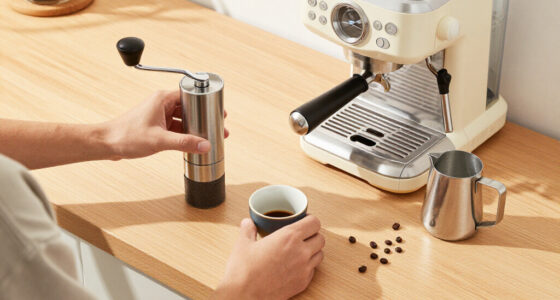
For example, if you use a pour-over, place the dry filter in the dripper and set both on the scale. You can weigh the beans into a small clean container, but keep them whole overnight and grind in the morning for fresher flavor. If you prefer to grind ahead, seal the dose in an airtight container and use it promptly; ground coffee loses aroma faster than whole beans.
Preparation should make mornings easier, not create a food-safety gamble. Don’t leave milk on the counter overnight, and don’t store brewed coffee at room temperature for long stretches. Keep beans in a cool, dry place in a sealed container, away from sunlight, heat, and strong kitchen odors. A five-minute evening reset is a small investment that pays back when the kitchen is quiet and your hands know what comes next.
As an affiliate, we earn on qualifying purchases.
Choose a Brewing Path That Fits Your Actual Morning
A home barista morning routine works best when your brewing method matches the time and attention you have available. A programmable drip machine can handle a hands-off batch, while a pour-over gives you more control but asks you to stay nearby. The right choice is the one you can repeat on an ordinary Tuesday, not only on a relaxed weekend.
| Method | Typical hands-on effort | Good fit when | Tradeoff |
|---|---|---|---|
| Programmable drip | Low | You need several cups ready at once | Less control over each cup’s brew |
| Pour-over | Moderate | You enjoy a focused, single-cup routine | You need to pour and watch the brew |
| AeroPress | Moderate, with quick cleanup | You want one compact serving and a short brew | Requires hands-on pressing and rinsing |
| Espresso machine | Moderate to high | You value espresso and already know your workflow | Grinding, dosing, and cleanup add steps |
Imagine you leave home at 7:30 and need coffee for two people. A programmable drip machine may suit that morning better than pulling two separate espresso shots while packing lunches. On Saturday, you might choose the espresso machine and take time to dial in the grind. Matching method to morning is not giving up on quality; it is choosing where your attention will have the most value.
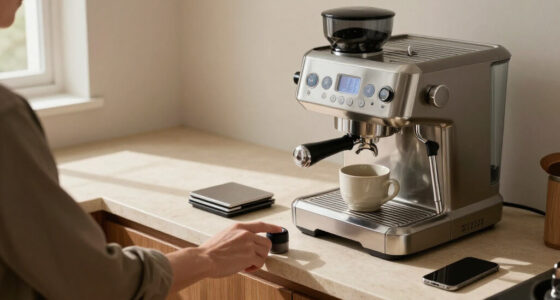
Automation can remove waiting and repeated button presses, but it cannot rescue stale beans or a dirty brew basket. Some modern machines offer scheduled starts, automatic cleaning cycles, or maintenance alerts, and grind-by-weight grinders can shorten dosing. Still, machines differ, and a timer does not guarantee a good cup. Check your appliance’s instructions, use only safe scheduling features, and avoid leaving wet grounds sitting in equipment overnight. A simple brewer you understand often beats a complicated one that makes you troubleshoot before breakfast.
As an affiliate, we earn on qualifying purchases.
Use One Repeatable Recipe to Stop Wasting Beans
A home barista morning routine saves coffee by giving you a reliable starting recipe and changing only one brewing variable at a time. For a straightforward filter cup, try roughly 1 gram of coffee for every 16 grams of water, then adjust to taste. A 250-gram pour of water calls for about 15.6 grams of coffee, a dose that is easy to weigh and repeat.
Here’s a practical example: your usual cup tastes thin, so you add more coffee, pour the same amount of water, and record the change. If the next cup tastes better, keep that dose; if it tastes harsh, return to the original amount before changing grind size or pouring technique. Changing several things at once is like turning every knob on a radio—you may get a clearer sound, but you won’t know which adjustment helped.
A scale makes this routine more dependable than a scoop because beans differ in size and density. If you do not own one, use the same scoop and level it consistently, then treat the result as a house recipe rather than an exact measurement. Keep a short note on your phone: bean name, dose, water amount, and one taste word such as “bright,” “round,” or “bitter.” That note helps you answer questions for your next brew without repeating a disappointing cup.
Grind size matters because it changes how quickly water passes through coffee. If a pour-over drains unusually fast and tastes weak, try a slightly finer grind; if it stalls and tastes dry or bitter, try a slightly coarser one. Make small changes, not dramatic jumps. The goal is not to chase a perfect number from someone else’s recipe, but to find a repeatable cup that suits your beans, brewer, and palate.
As an affiliate, we earn on qualifying purchases.
Build a Five-Minute Workflow Without Rushing the Brew
A five-minute coffee workflow saves time when each action has a place and the brewer does as much unattended work as it safely can. Start the kettle or machine, grind or measure the coffee, prepare the filter, then brew while you make another small morning task fit nearby. The useful shortcut is reducing idle time—not cutting so much time that you end up pouring a bad cup down the sink.
- Start the water or machine. Use the manufacturer’s directions and a safe, stable surface.
- Measure and grind the dose. Keep the grinder setting steady until you have a reason to change it.
- Set up the brewer and cup. Rinse a paper filter if your method benefits from it, and warm the cup with hot water if you like.
- Brew with your usual timing. For pour-over, use a timer as a guide rather than pouring recklessly to beat it.
- Serve, then reset the station. Empty used grounds and rinse reusable parts as soon as they are cool enough to handle.
For instance, while a drip machine brews, you can pack a bag or fill a water bottle. With pour-over, stay close enough to control the pour; trying to butter toast and pour at the same time can leave you with coffee splashed across the counter. The best workflow has a natural pause, not a juggling act.
A morning routine that saves time and coffee also needs a little flexibility. If the kettle takes longer on a cold day, use that minute to rinse the cup or put away the beans. If a machine begins making unusual noises or a brew cycle changes unexpectedly, stop and check the manual rather than forcing it through. Repeating a safe sequence helps you notice problems early, while a hurried, improvised routine can hide them until you waste a full dose.
As an affiliate, we earn on qualifying purchases.
Keep Beans Fresh and Equipment Ready for Tomorrow
Fresh beans and clean brewing equipment protect flavor and prevent avoidable morning delays. Store whole beans in a sealed, dry container away from sunlight, heat, and moisture, and grind close to brewing when practical. Rinse the brewer and remove used grounds after each session so old oils and residue do not add stale, bitter flavors to tomorrow’s cup.
Consider a familiar Monday morning: you pour water into a kettle and find coffee grounds stuck to yesterday’s filter basket. The machine may still work, but you now need to clean before brewing, and leftover oils can make fresh coffee taste flat. A quick rinse after brewing is not glamorous. It is the equivalent of putting your keys in the same bowl every night: a small habit that prevents a predictable morning annoyance.
For daily care, discard grounds, rinse removable parts, and wipe splashes from the counter. Let pieces dry as directed before you store them. Descale equipment according to the manufacturer’s schedule and the hardness of your water; there is no single calendar interval that fits every home. If your coffee maker has a cleaning alert, treat it as a useful prompt, not a substitute for checking the manual and cleaning the parts that touch coffee.
Keep water and coffee separate from anything that can spoil. Store milk at or below 40°F (4°C), return it to the refrigerator promptly, and do not leave it beside the machine while you get ready. Do not drink coffee that has been sitting out for an extended period if it contains milk. Good food handling is part of a smooth routine: a clean cup tastes better, and a safe kitchen is one less thing to worry about while you’re waking up.
Choose Shortcuts That Save Minutes Without Flattening Flavor
The best coffee shortcuts remove unnecessary work while protecting the parts of brewing that shape flavor. Pre-setting your station, using a programmable brewer, or choosing a repeatable dose can save effort with little effect on the cup. Grinding beans well in advance may save a few seconds, but it also lets aroma fade, so it is a better compromise when convenience matters more than peak freshness.
- Usually helpful: setting out dry tools, filling the water reservoir, and using a consistent recipe.
- Helpful for some homes: scheduling a drip brewer or using a single-serve option when one quick cup matters most.
- Worth testing: measuring whole beans the night before, then grinding them in the morning.
- Often a poor trade: leaving coffee exposed to air, using stale grounds, or skipping a rinse when residue affects taste.
Say you share a kitchen with someone who leaves before dawn. A sealed, pre-measured dose of whole beans and a quiet grinder routine may work better than a timed machine that wakes the household. If you drink coffee alone and need to be out the door fast, a well-maintained automatic brewer could be a better match. Your home’s noise, schedule, and coffee preferences are part of the recipe too.
Specialty capsules and pods can cut measuring and cleanup, though they limit your control and create packaging waste unless the system offers a suitable recycling or reuse option. Smart machines may let you schedule brewing or send maintenance alerts, but connected features do not automatically improve extraction. Pick a shortcut by asking two questions: does it remove a step you dislike, and does the coffee still taste good to you? If both answers are yes, it has earned a place in your routine.
Fix the Most Common Morning Coffee Problems Fast
When a morning cup tastes wrong, change one variable at a time instead of rebuilding your whole setup. A weak cup often points to too little coffee, too much water, or a grind that is too coarse for the method; a bitter, dry cup can point toward over-extraction, stale residue, or a grind that is too fine. These are starting clues, not universal rules, because beans and brewers behave differently.
Suppose your pour-over takes two minutes instead of its usual three and tastes watery. First check that you used the usual dose and water amount; then make the grind a little finer on the next brew. If the same beans suddenly taste sour, confirm your water temperature and recipe before adding more coffee. A short note after each adjustment helps you learn which change actually moved the cup in the right direction.
Sometimes the issue is not brewing technique. Beans lose freshness over time, the grinder may need cleaning, and mineral buildup can slow a machine or alter its performance. Check the roast date if available, clean equipment according to its instructions, and descale when the maker recommends it. If a machine leaks, smells burnt, or behaves unusually, turn it off and follow the manufacturer’s safety guidance instead of trying to finish the brew.
Keep a “good enough” fallback for chaotic mornings. You might use a familiar drip recipe rather than experimenting with espresso, or choose a single cup instead of making a full pot that will go stale. This is where the evening setup pays off: your usual beans, tools, and dose are already ready, so you can make a small correction without turning breakfast into a repair project.
Frequently Asked Questions
Can I grind coffee the night before?
Yes, but whole beans usually hold their aroma better overnight. If grinding ahead makes your morning workable, portion the grounds into a clean, airtight container and keep it away from heat, moisture, and strong odors. For the freshest flavor, weigh the beans at night and grind them just before brewing.
What coffee-to-water ratio should I use for a morning cup?
A practical starting point for filter coffee is about 1 gram of coffee to 16 grams of water. That means roughly 15.6 grams of coffee for 250 grams of water. Adjust the ratio to taste, and change one thing at a time so you can tell what improved the cup.
How can I make espresso faster at home?
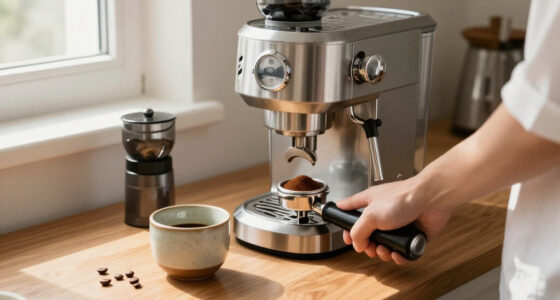
Keep the portafilter, cup, beans, and grinder ready, and use a repeatable dose and grind setting. Clean the basket and wipe the machine after each use so old grounds do not slow the next session. Espresso still needs hands-on preparation, so a programmable drip brewer may suit you better when you need several cups quickly.
Is it safe to leave a coffee machine scheduled to brew?
Use scheduled brewing only if your machine is designed for it, and follow the manufacturer’s instructions. Check that it sits on a stable, clear surface and that the water reservoir and filter basket are set up correctly. Do not leave milk or other perishable ingredients out as part of the setup.
How often should I clean or descale my coffee equipment?
Rinse removable coffee-contact parts after each use and remove used grounds promptly. Descale according to the appliance instructions and your local water conditions; hard water can call for more frequent descaling than soft water. A cleaning alert is useful, but it does not replace the care schedule in your manual.
Conclusion
Build your routine around one reliable recipe, a prepared station, and a quick cleanup—not a race against the clock. Start by setting out your tools tonight and measuring tomorrow’s dose; keep the beans whole until morning if you can. Then notice which step slows you down and remove that bottleneck without sacrificing the part of brewing you enjoy.
Tomorrow’s first cup can begin with a clear counter and the warm smell of freshly ground coffee, not a hunt through yesterday’s clutter. Make the small reset tonight, and let morning feel like morning.
Fall Picks
fall essentials
As an affiliate, we earn on qualifying purchases.