
TL;DR

Get coffee and tea gear delivered free with Prime
- Fast, free delivery on millions of items
- Prime Video, Amazon Music and more included
- Member-only deals all year
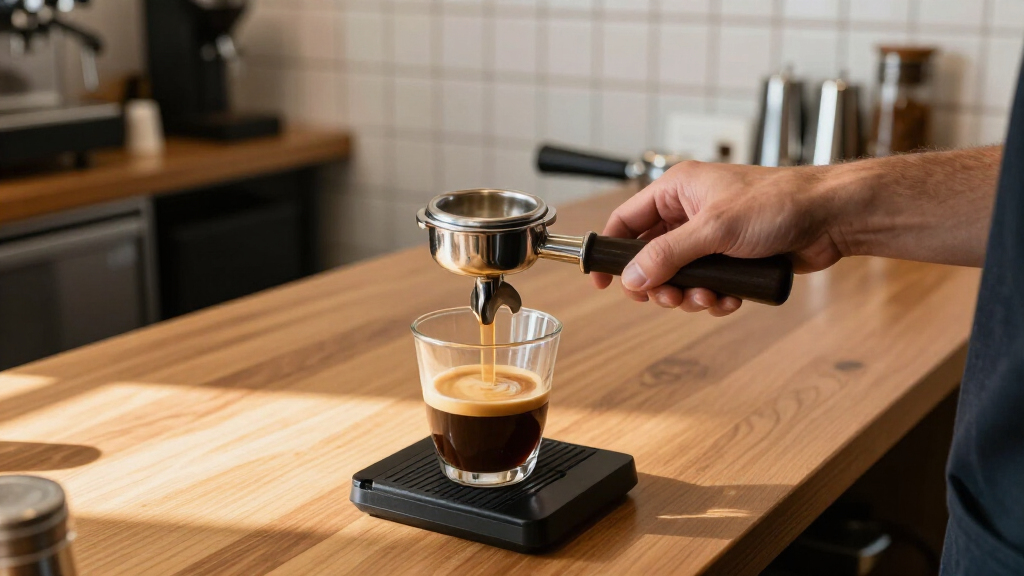
Espresso extraction is about dissolving flavor compounds from coffee. The balance of acids, sweetness, and bitterness depends on variables like grind size, brew time, and water flow. Adjusting these can turn a sour shot into a balanced delight or a harsh one into smooth perfection.
Ever take a sip of espresso and wonder why it can taste like a burst of bright fruit one day and a harsh, bitter mess the next? The secret lies in extraction — the process of pulling flavors out of ground coffee with hot water. How much you extract, and what gets dissolved along the way, shapes every sip. It’s a delicate dance, and small tweaks can turn your shot from sour to sweet or from harsh to smooth.
If you’ve ever adjusted your grind, tamping pressure, or brew time without much change in flavor, you’re not alone. Extraction is an invisible force, but once you understand its basics, you gain control over what’s in your cup. Whether you love a bright, lively shot or a deep, chocolatey one, mastering extraction helps you get there.
Extraction is about dissolving different flavor compounds at different rates, shaping your espresso’s taste.
Small changes in grind size, dose, or brew time can dramatically alter flavor, so adjust one variable at a time.
Taste is the most reliable guide — sourness often signals under-extraction, bitterness over-extraction, but context matters.
Using brew ratios and consistent techniques helps you dial in flavors more predictably.
Patience and practice turn trial-and-error into a finely tuned art.
Coffee science / A practical field guide
Extraction Explained: Why Espresso Can Taste Sweet, Sour, or Harsh
Extraction is how hot, pressurized water dissolves flavor from ground coffee. Learn how grind, flow, and yield shape the cup—and how small, measured adjustments can guide a shot toward balance.
From sharp to balanced to drying
Extraction is only one influence on taste. Coffee variety, roast, freshness, water, and equipment shape the result too.
Sour & thin
Sharp acidity without enough sweetness or body can suggest that more of the coffee’s soluble flavors are needed.
Sweet & rounded
When the cup feels balanced, acidity, sweetness, and bitterness work together. “Sweet” may also mean fruity, floral, or chocolatey.
Bitter & dry
Astringency and lingering bitterness can signal excessive extraction, though dark roast, stale beans, or a dirty machine may contribute.
Small changes alter the flow
A finer grind usually slows water and increases extraction; a coarser grind usually speeds flow and reduces it. Other variables influence how evenly flavors dissolve.
Grind size
Often the simplest first adjustment: finer for more extraction, coarser for less.
Dose & yield
Measure coffee in and espresso out by weight; their ratio gives you a repeatable starting point.
Time & flow
Useful clues, but shot time alone does not define flavor or extraction quality.
Puck preparation
Uneven distribution or channeling can make one shot taste both sour and bitter.
Temperature & pressure
Both affect how quickly and evenly compounds dissolve; tune them for your coffee and machine.
Beans & water
Roast, age, processing, and water chemistry all influence what ends up in the cup.
Diagnose the cup with context
Use taste alongside shot behavior. Acidity can be a pleasing feature, and bitterness can have causes beyond extraction.
Sharp, thin, distinctly sour?
Under-extraction may be part of it. First check for uneven flow or channeling, and consider whether the coffee is naturally bright.
Grind a little finer or increase yield slightly.
Dry, bitter, astringent?
Over-extraction may contribute. Also consider a very dark roast, stale coffee, dirty equipment, or water quality.
Grind a little coarser or reduce yield slightly.
Make each shot teach you something
Consistency makes comparisons useful. Keep the dose steady, taste each result, and record what changed.
Set a baseline
Start with a repeatable dose and measured yield.
Taste the shot
Notice acidity, sweetness, body, bitterness, and finish.
Change one thing
Begin with grind size; make a small adjustment.
Compare & note
Repeat, taste again, and log the result that works.
A common 1:2 starting point: 18 grams of dry coffee to 36 grams of espresso. Treat it as a baseline, then adapt the recipe to your beans, equipment, and preferred flavor.
Three common shortcuts to rethink
Extraction is a helpful framework. It works best when you pair it with careful tasting and consistent technique.
“Sour means under-extracted.”
Often, but a light roast or naturally acidic coffee can taste bright even when well extracted. Look for thinness and imbalance, too.
“Bitter means over-extracted.”
Dark roasting, stale beans, and unclean equipment can also make a shot harsh. Consider the whole picture.
“Longer time means worse.”
Time is a clue, not a flavor target. Grind, puck preparation, and even water flow through the coffee bed matter.
What exactly is extraction — and why does it matter?
Extraction is the process of dissolving flavor compounds from ground coffee into water. Think of it like brewing tea — the hot water pulls out the good stuff from the leaves. In espresso, the water under pressure whisks away acids, sugars, oils, and bitter compounds, all at different speeds.
This matters because the flavors you taste depend on how well or poorly the coffee is extracted. Under-extraction leaves you with sour, thin, and unbalanced notes. Over-extraction pulls out bitter, astringent flavors. The goal? Find the sweet spot where flavors harmonize.
For example, a shot that tastes overly sour might have missed out on the sweetness and body that develop during proper extraction. Conversely, a bitter shot might have been pulled too long, dissolving harsh compounds that overpower the coffee’s natural richness.
espresso grind size adjustment tool
As an affiliate, we earn on qualifying purchases.
As an affiliate, we earn on qualifying purchases.
Why does my espresso taste so different from shot to shot?
Your espresso’s flavor swings because of how you control extraction. Small changes in grind size, dose, water temperature, or tamping can shift the balance. For instance, a slightly finer grind increases resistance, slowing water flow and boosting extraction. A coarser grind speeds things up and reduces extraction.
Imagine trying to brew the same shot twice — but your tamp isn’t quite even, or your coffee is slightly stale. Those tiny differences mean one shot might taste bright and lively, while another turns harsh or flat.
Think of it like tuning a musical instrument. Slight adjustments in tension change the tone. Similarly, tweaking your variables fine-tunes the flavor profile.
As an affiliate, we earn on qualifying purchases.
The flavor spectrum: why espresso can be sweet, sour, or harsh
Extraction pulls out different compounds at different times. Early in the process, acids and fruity notes flood into the cup. As extraction continues, sugars and body develop, giving that smooth, sweet profile. If you overdo it, bitter compounds like tannins and oils dominate, making the shot harsh.
For example, a lightly roasted Ethiopian bean might taste crisp and citrusy if under-extracted, but turn bitter and drying if over-extracted. A dark roast might taste smoky or harsh if overdone, or flat if under-extracted.
Understanding this spectrum helps you diagnose your shot: a bright, sour taste? Likely under-extracted. Bitter, harsh notes? Probably over-extracted or from dark roasting.
As an affiliate, we earn on qualifying purchases.
How to tell if your shot is under- or over-extracted — and what to do about it
Use taste as your guide. If your espresso is too sour, it’s probably under-extracted. If it’s bitter and harsh, it’s over-extracted. But don’t rely on flavor alone — look at your shot’s behavior.
Here’s a simple check:
- Sour, thin, or sharp: Try grinding finer, increasing yield slightly, or checking for channeling. These tweaks help extract more sugars and balance acidity.
- Dry, bitter, or astringent: Try coarser grind, reducing yield, or cleaning your machine. These steps slow down extraction and prevent harsh compounds from dominating.
Remember, small, incremental changes are best. Keep notes so you can replicate what works.
As an affiliate, we earn on qualifying purchases.
Practical tips: dialing in your espresso for perfect flavor
Getting a balanced shot takes practice. Here are some practical steps:
- Start with a consistent dose and yield: For most, 18 grams of coffee to 36 grams of espresso (a 1:2 ratio) is a good starting point.
- Adjust grind size first: Finer for under-extracted, coarser for over-extracted shots.
- Change one variable at a time: Taste after each adjustment, not before.
- Look for visual cues: A steady, even flow with a rich, caramel-colored crema suggests good extraction.
- Use your palate: Focus on the flavor balance — sweetness, acidity, and bitterness.
Practice makes perfect. Keep a log of what works and what doesn’t. Over time, you’ll develop an intuitive sense for dialing in your shot.
Common misunderstandings about extraction — and why they matter
Many believe that longer brew times always mean over-extraction, or that bitter taste is the only sign of a bad shot. Neither is quite true. Extraction is nuanced.
For instance, a shot can be over-extracted but still taste balanced if the roast is dark and rich. Or, a shot may be under-extracted but taste bright and lively if the beans are naturally acidic.
Also, flavor isn’t just about time — it’s about how evenly water flows through the puck, how fresh the beans are, and even the water’s mineral content. These factors all influence the final taste.
Understanding these nuances prevents you from chasing false signs and helps you enjoy a better cup.
The key to perfect espresso: taste, adjust, and repeat
The ultimate tip? Use your palate as your guide. Taste every shot, note what works, and tweak one variable at a time. Over time, you’ll develop an instinct for what your beans need.
Remember, recipes are starting points. Real mastery comes from understanding how each tweak influences flavor — whether it’s a touch finer grind or a slightly longer brew time.
Think of it like tuning a guitar: small adjustments produce the sweetest sound. Your perfect espresso is just a few tweaks away.
Frequently Asked Questions
Does sour espresso always mean under-extraction?
Not necessarily. While sourness often indicates under-extraction, some coffees, especially light roasts or those with high acidity, naturally taste bright and sharp. The key is to distinguish between a lively, balanced acidity and an unbalanced, thin sourness.
Does bitter espresso always mean over-extraction?
No. Dark roasted beans, stale coffee, or dirty equipment can produce bitterness even if the extraction isn’t perfect. It’s best to taste and consider other signs like shot flow and crema quality.
Should I start by adjusting grind size or brew time?
Start with grind size. It’s the easiest way to control flow and extraction. Adjusting brew time can then help refine the flavor, but changing grind first keeps your tweaks more predictable.
What’s a good starting brew ratio?
A common and reliable ratio is 1:2 — for example, 18 grams of coffee to 36 grams of espresso. This gives a balanced extraction foundation, but feel free to experiment based on your beans and taste preferences.
How long should a shot take?
Most recipes target around 25–35 seconds, but it’s flexible. Focus on flavor and consistency rather than a fixed time. Adjust until the shot tastes right to you.
Conclusion
Extraction isn’t magic — it’s a careful balance of variables you control. When you understand how compounds dissolve at different speeds, you can turn a sour shot into a sweet, balanced espresso or tame harshness into smoothness. The secret lies in tasting, tweaking, and learning your machine and beans.
Next time you pull a shot, remember: flavor is a conversation between you and your coffee. With a little patience, you’ll learn to listen — and craft a cup that’s just right.
Fall Picks
fall essentials
As an affiliate, we earn on qualifying purchases.