
TL;DR

Get coffee and tea gear delivered free with Prime
- Fast, free delivery on millions of items
- Prime Video, Amazon Music and more included
- Member-only deals all year
Heat exchanger espresso machines allow simultaneous brewing and steaming, but they sacrifice some temperature control and require management of flushing routines. Knowing these trade-offs helps you choose the right machine for your needs.
Imagine pulling a shot of rich, aromatic espresso and then steaming milk right afterward—without waiting. That’s the promise of a heat exchanger espresso machine. But behind this convenience lies a set of trade-offs that can trip up even seasoned baristas.
If you’re considering an HX machine, understanding its quirks can save you frustration and money. This guide breaks down what makes these machines powerful, where they stumble, and how to decide if they’re right for your coffee routine.
Heat exchanger espresso machines allow simultaneous brewing and steaming, saving time but complicating temperature stability.
Managing the water temperature in an HX machine requires routine flushing after idle periods, which impacts workflow.
Overall performance depends on design elements beyond boiler size, including insulation, group head quality, and pressure control.
Developing consistent technique and routine is essential for getting the best results from an HX machine.
Regular maintenance, especially descaling and part replacement, is crucial for long-term reliability.
Equipment Guide · Espresso 101
Heat Exchanger Espresso Machines: The Trade-Offs Nobody Should Ignore
One boiler, two jobs. HX machines let you brew espresso and steam milk simultaneously — but indirect heating, cooling flushes, and temperature drift demand technique. Here is what you need to know before you buy.
Key Insight
A heat exchanger uses one boiler to do two jobs — brewing and steaming — making it versatile, fast, and technically demanding all at once.
How a Heat Exchanger Actually Works
Boiler
Steam boiler holds water at steam-ready temperature
Heat Exchanger Tube
Fresh brew water travels through a tube inside the boiler
Group Head
Indirectly heated water arrives at the coffee puck
Simultaneous Steam
Steam wand stays ready while you pull the shot
Think of it as a busy kitchen where one stove handles multiple dishes at once — efficient, but requiring skill to balance temperatures. Because brew water is heated indirectly, its temperature can fluctuate with idle time, boiler pressure, and machine design. That variability is the defining trade-off of the entire category.
The Core Trade-Offs
Speed vs. Control
Fast Workflow, Less Precision
Brew and steam simultaneously — ideal for milk drinks and back-to-back service. But indirect heating means brew temperature varies with idle time and boiler pressure.
Ritual Cost
The Cooling Flush
After idle periods, water in the exchanger overheats. A brief flush brings it back to range — but the amount varies by machine, and a fixed routine isn’t universally reliable.
One Boiler, Two Masters
Balanced, Not Independent
The boiler must stay hot enough for steam while brewing wants controlled temperature. HX balances these demands; it doesn’t set them independently like a dual boiler.
Extraction Impact
Temperature = Flavor
Slight deviations cause over-extraction (bitter, burnt) or under-extraction (sour, weak). Without management, shot quality varies throughout a session.
Flushing Balance
Too Little, Too Much
Insufficient flushing means inconsistent shots; excessive flushing wastes water, slows prep, and frustrates during busy hours. PID control reduces — but doesn’t eliminate — the need.
Skill Required
Technique Matters
Displays and controllers help, but none show the exact water temperature hitting the coffee. Learning your machine’s warm-up and flush behavior is essential.
The Hidden Cost
Flushing Isn’t a Chore — It’s a Ritual
A barista might spend an extra 30 seconds flushing before each shot, especially in busy cafés. The right amount depends on insulation, boiler design, and ambient conditions. Mastering when — and how much — to flush is the difference between a great shot and a disappointing one, and it sits at the heart of the HX ownership experience.
HX vs. Other Machine Types
| Machine Type | Simultaneous Brew + Steam | Temp Control | Cost | Complexity |
|---|---|---|---|---|
| Heat Exchanger | ✓ Yes | ~ Managed (flush routine) | $$ Mid | ~ Moderate |
| Single Boiler | ✗ No — switches tasks | ~ Adequate | $ Low | ✓ Simple |
| Dual Boiler | ✓ Yes | ✓ Independent PID | $$$ High | ✗ More complex |
| Thermoblock / Coil | ~ Varies by model | ~ Varies widely | $–$$ Varies | ✓ Generally simple |
Performance Depends on the Whole Machine
Don’t judge an HX machine by boiler size or exchanger length alone. These design elements work together to determine stability, recovery, and shot quality.
Heat Insulation
Well-insulated machines retain heat, reducing flush frequency and duration.
Group Head Design
Thermally massive, sturdy group heads stabilize extraction temperature.
Thermosiphon Circulation
Natural convection keeps brew-path water moving and evenly heated.
Pressure Stability
Consistent boiler pressure means consistent brew water temperature.
PID Temperature Control
Wider adoption steadies boiler temperature, reducing — not removing — flush needs.
Water Quality & Maintenance
Scale, gaskets, valves, and descaling practice drive long-term reliability.
Who Should Choose What
Relative fit by use case (indicative)
HX machines shine where speed and milk drinks dominate. For temperature-critical straight espresso, a dual boiler’s independent control often wins — at a higher price and added complexity.
What Exactly Is a Heat Exchanger Espresso Machine and Why Does It Matter?
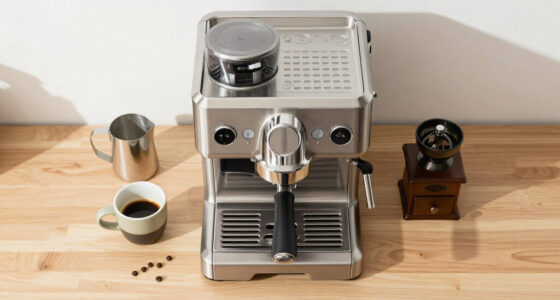
A heat exchanger (HX) espresso machine is a device that uses one boiler to heat water for both brewing espresso and generating steam. Inside, a tube runs through the boiler, heating brew water as it travels to the group head. This design allows you to brew and steam in quick succession or even simultaneously.
Think of it as a busy kitchen where one stove handles multiple dishes at once—efficient but requiring some skill to balance temperatures. For example, a popular top-rated heat exchanger model can produce excellent espresso and silky milk foam, but only if you understand its thermal quirks.
The key is that the water in the brew path is heated indirectly, which introduces unique challenges and opportunities compared to other machine types. This indirect heating means the temperature of the water used for extraction can fluctuate depending on how the machine is used, which impacts shot consistency and flavor. Recognizing these nuances is crucial because they influence how reliably you can produce optimal espresso. In essence, understanding the design helps you leverage its advantages while mitigating its limitations, making the difference between a good shot and a disappointing one.
As an affiliate, we earn on qualifying purchases.
Why Do Heat Exchanger Machines Trade Off Control for Speed?
Heat exchanger machines excel at speed—they let you brew and steam without waiting. But this efficiency comes at a cost: less direct control over brew water temperature. Since the boiler heats water indirectly, fluctuations can occur based on idle time, boiler pressure, and how the machine is used.
These fluctuations matter because espresso extraction is highly sensitive to temperature. Slight deviations can lead to over-extraction, resulting in bitter or burnt flavors, or under-extraction, causing sourness and weak shots. This means that without intervention, the quality of your espresso can vary throughout a session. To counteract this, many baristas perform a quick flushing routine—pushing hot water through the group head—to stabilize temperature before each shot. This routine, while necessary, introduces an extra step that can slow down workflow or require timing adjustments.
The trade-off is clear: you gain the ability to brew and steam rapidly, which is ideal for busy environments or quick service, but you must accept that maintaining consistent temperature requires active management. This balancing act demands a degree of skill and attentiveness, as the machine’s thermal behavior is less predictable than dual boiler systems designed for precise independent control. Essentially, speed comes at the expense of the simplicity and consistency that more advanced temperature regulation provides in other machines.
As an affiliate, we earn on qualifying purchases.
The Hidden Cost of Flushing and Managing Temperature
Flushing after idle periods isn’t just a minor chore—it’s a necessary ritual that can impact your workflow and shot consistency. For example, a barista using an HX machine might spend an extra 30 seconds flushing before each shot, especially in busy cafes. This routine helps bring the brew water to a stable temperature, which is vital because the indirect heating means the water’s temperature can drift, especially after periods of inactivity or heavy use.
This routine isn’t just about timing; it directly influences shot quality. Insufficient flushing can lead to temperature inconsistencies, resulting in sour or under-extracted espresso. Conversely, excessive flushing wastes water, prolongs preparation time, and can cause fatigue or frustration during busy hours. The need to balance flushing routines depends on your machine’s insulation, boiler design, and ambient conditions. For instance, a newer model equipped with a PID controller can significantly reduce the amount of flushing needed by maintaining more stable boiler temperatures, but it doesn’t eliminate the need entirely. Recognizing how and when to flush—and how much—is key to optimizing both shot quality and workflow efficiency.
In essence, managing flushing routines is a trade-off between maintaining consistent results and maintaining efficiency. Developing familiarity with your specific machine’s behavior allows you to fine-tune this balance, ultimately improving your overall brewing experience.
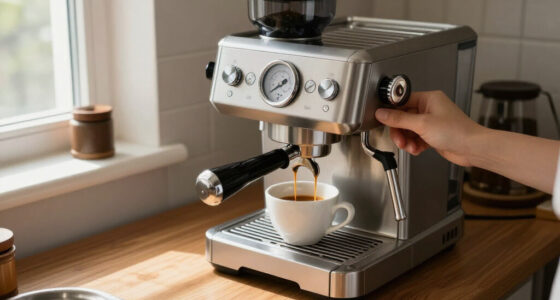
espresso machine with steaming and brewing
As an affiliate, we earn on qualifying purchases.
As an affiliate, we earn on qualifying purchases.
One Boiler to Rule Them All: How HX Balances Steam and Brew Needs
In an HX machine, a single boiler must serve two masters: producing enough steam for milk and maintaining the proper brew water temperature. This dual role creates inherent compromises that influence performance and consistency.
For example, a typical 3-liter boiler might generate ample steam power for most milk-based drinks, but during steaming, the boiler temperature rises, which can cause a slight cooling of the brew water or fluctuations in temperature. This interplay means that the machine’s ability to deliver perfectly stable temperatures for brewing is inherently limited compared to dedicated dual boiler systems.
The core challenge is that the boiler’s temperature needs to be high enough to produce sufficient steam, but not so high that it destabilizes the brew water temperature. Unlike dual boiler machines, which can set independent temperatures for brewing and steaming, HX machines rely on balancing a single boiler’s temperature, often requiring more skill and attention from the user to maintain optimal conditions. This means that achieving a perfect shot consistently demands understanding how your machine reacts during different phases of operation and making adjustments accordingly. In practical terms, this trade-off affects how much control you have over shot quality, especially in high-volume settings where temperature stability is critical.
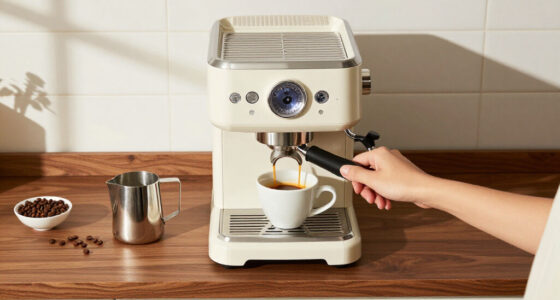
professional heat exchanger coffee machine
As an affiliate, we earn on qualifying purchases.
As an affiliate, we earn on qualifying purchases.
Performance Depends on the Whole Machine, Not Just the Boiler
Don’t judge an HX machine solely on its boiler size or heat exchanger length. Factors like heat insulation, group head design, thermosiphon circulation, and pressure stability all influence how well it performs. These elements work together to maintain stable temperatures, efficient heat transfer, and reliable extraction, which ultimately determine shot quality and machine longevity.
For example, a well-insulated machine retains heat better, reducing the frequency and duration of flushing needed to stabilize temperature. A sturdy, thermally massive group head can buffer against temperature swings, providing more consistent results. High-quality pressure control mechanisms ensure that the water flow and pressure remain steady, preventing fluctuations that could compromise extraction. Think of the entire machine as an integrated system—improvements in one area can significantly enhance overall performance. Ignoring these factors and focusing only on boiler size risks overlooking critical elements that make the difference between an average and a high-performing machine.
In essence, the performance of an HX machine depends on the synergy of its design features. Investing in quality components and thoughtful engineering is what transforms a basic heat exchanger into a reliable, consistent espresso maker.
Are You Ready to Tackle Technique? Mastering Your HX Machine’s quirks
Using an HX machine successfully demands some finesse. You’ll need to learn how it warms up, how much flushing it needs, and how to keep it stable during busy sessions. A digital display or PID controller helps, but doesn’t automatically guarantee perfect shots.
For example, a home enthusiast might spend a few weeks experimenting with pre-heating routines and flush volumes to dial in their ideal shot. It’s like tuning a musical instrument—you get better with practice and patience. Recognizing the machine’s thermal behavior and developing a consistent routine is essential for producing reliable espresso. This process involves understanding how long to preheat, how much water to flush, and how to time shots to minimize temperature fluctuations. The more you learn about your specific machine’s quirks, the more adept you become at managing its limitations, turning what initially seems like a challenge into an advantage. Mastery over these nuances is what separates casual users from seasoned baristas.
Keep Your HX Machine Happy: Maintenance Tips You Can’t Ignore
Regular maintenance is essential for consistent performance. Scale buildup from hard water can clog the heat exchanger and impair temperature stability, leading to erratic shots and longer warm-up times. Gaskets and valves also wear out over time, affecting pressure and flow, which can compromise shot quality and machine longevity.
For example, descaling every 2-3 months with a manufacturer-approved solution can prevent scale accumulation that impairs heat transfer. Using filtered or softened water reduces mineral deposits, extending the intervals between cleaning and minimizing the risk of internal blockages. Additionally, inspecting and replacing worn gaskets and valves ensures that pressure and flow remain consistent, which is crucial for shot extraction. Neglecting routine maintenance can cause a cascade of issues—from inconsistent temperature control to mechanical failures—ultimately costing more in repairs and diminishing your espresso quality. A proactive maintenance schedule preserves the machine’s health, ensuring it continues to perform reliably over years of use.
How Does an HX Compare to Other Espresso Machines?
Here’s a quick comparison table to clarify how HX machines stand against other common types:
| Feature | Heat Exchanger |
|---|---|
| Temperature control | Less independent; relies on flushing and experience, which can lead to variability but offers a learning opportunity for skill development. |
| Speed | Fast; brew and steam simultaneously, ideal for high-volume or time-sensitive environments. |
| Complexity | Moderate; requires user skill for optimal results, but offers more engagement and control than simpler systems. |
| Cost | Usually mid-range; more affordable than dual boiler machines but more than single boiler or thermoblock systems. |
| Best for | Milk-based drinks with quick turnaround, especially in busy cafes or for home enthusiasts willing to learn. |
Compared to dual boiler machines, HX models are more affordable but require more user finesse. Single boiler options are simpler but less flexible, especially for milk drinks. Thermoblock or thermocoil systems heat water on demand but vary in performance and price. The choice depends on your willingness to learn and your specific needs for control versus convenience.
What to Know Before Buying an HX Machine Today
Technology is advancing fast. Many newer HX machines now include features like PID controllers for more stable boiler temperatures and brew-pressure adjustments for fine-tuning shot quality. Some models have digital displays that help monitor temperature and pressure in real time.
Check for good insulation—this reduces thermal fluctuations and minimizes flushing routines. Water treatment options, like softening systems or filters, can extend your machine’s lifespan by preventing scale buildup. Recognizing these features and understanding how they influence your workflow can help you select a machine that aligns with your skill level and needs.
Before buying, ask about warm-up times, flushing routines, and maintenance needs. A well-chosen HX machine with modern features can make your brewing experience more consistent and enjoyable, provided you understand its operational nuances.
Is a Heat Exchanger Machine Right for You?
If you love milk-based drinks and want quick, simultaneous brewing and steaming, an HX machine can be a smart pick. But be prepared for a learning curve. You’ll need to develop a routine for warm-up, flushing, and temperature management. Recognizing the machine’s thermal quirks and adjusting your workflow accordingly is crucial for consistent results.
For example, a home barista who enjoys experimenting might appreciate the flexibility, provided they’re willing to invest time in mastering the quirks. On the other hand, if you want consistent shots with minimal fuss, a dual boiler might be better because it offers independent control and less routine management.
The advantage of an HX is that it offers a good balance: strong steaming, fast workflow, and a lower price point than some dual boilers. However, success depends on your ability to understand and work within its limitations. If you’re willing to learn and adapt, it can be a rewarding choice that enhances your brewing skills.
Frequently Asked Questions
How long does it take for an HX machine to warm up?
Warm-up times vary by model, but generally, it takes about 15-30 minutes for the boiler to reach the right pressure and temperature. The boiler pressure gauge is a good indicator, but always consult your machine’s manual for specific warm-up routines.Can I make consistent shots with an HX machine?
Yes, but it requires learning how your machine behaves—especially regarding flushing routines and temperature fluctuations. Consistency improves with experience, a good thermometer, and sometimes a PID controller that helps stabilize boiler temperature.What water quality should I use for my HX machine?
Use water with low mineral content—ideally, within the manufacturer’s recommended hardness levels. Softened or filtered water reduces scale buildup, which is vital for maintaining temperature stability and prolonging your machine’s lifespan.Are HX machines suitable for beginners?
They can be, especially if you’re eager to learn and enjoy manual control. However, beginners should be prepared for a learning curve involving routine flushing and temperature management. Patience and practice are key.What’s the biggest advantage of an HX machine?
Its ability to brew and steam simultaneously saves time and makes milk-based drinks easier to prepare during busy sessions. But mastering its quirks is essential to get the most out of this versatile setup.Conclusion
Choosing an HX espresso machine means accepting a dance between speed and control. When you understand its routines—flushing, warm-up, and maintenance—you unlock its true potential. It’s a tool that rewards patience and finesse, delivering rich espresso and creamy milk in one smooth flow.
Think of it as a musical instrument—once you learn its quirks, it becomes an extension of your brewing hands. Are you ready to master the art of the heat exchanger?
Halloween Picks
halloween
As an affiliate, we earn on qualifying purchases.