TL;DR

Get coffee and tea gear delivered free with Prime
- Fast, free delivery on millions of items
- Prime Video, Amazon Music and more included
- Member-only deals all year
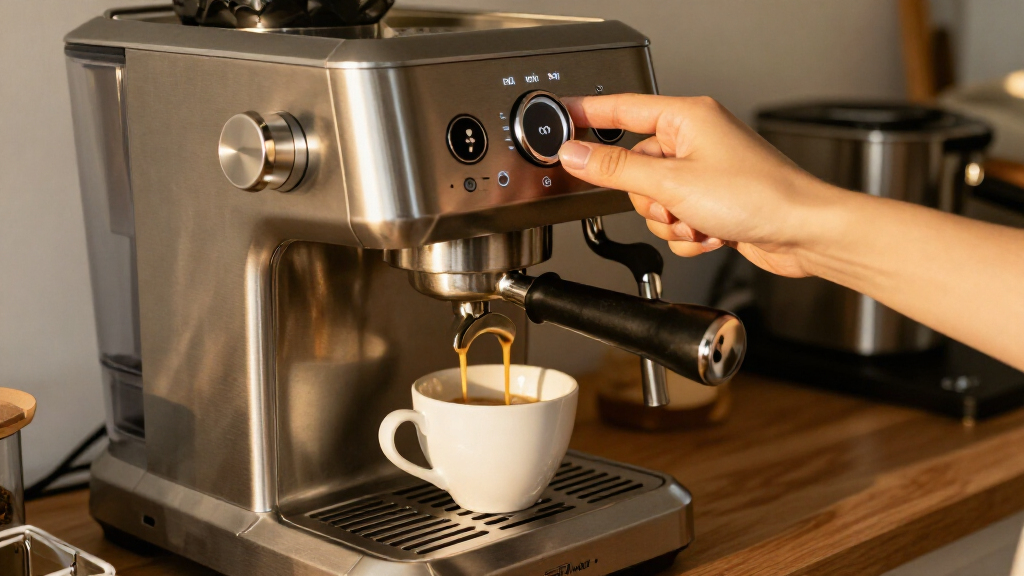
A volumetric espresso machine uses a flow meter to stop a shot after a preset amount of water passes through the brew circuit. That repeatable endpoint can help busy cafés and convenience-minded home users, but it does not guarantee the same beverage weight or flavor each time. You still need to dial in, taste, and adjust the recipe when coffee or preparation changes.
A volumetric button usually stops water delivery at a preset target; it does not usually weigh the finished espresso.
Puck resistance, grind, dose, and preparation can change shot time and beverage yield even when the button setting stays the same.
Buttons can help busy teams standardize a starting workflow and free attention for milk steaming or other drinks.
Check yield, time, and flavor when you change coffee or recipe, and reprogram the preset when checks call for it.
Compare the added cost and service needs with how often automatic stopping will help in your own workflow.
Volumetric Espresso Machines: When Repeatable Buttons Make Sense
A programmed button can make a busy service smoother by stopping water at a preset target. It gives the team a repeatable starting point, while the barista still dials in, tastes, and adjusts the recipe.
A repeatable endpoint, not a guaranteed cup
The machine uses a flow meter to stop water delivery when it reaches a programmed amount. That target is generally water passing through the brew circuit—not the finished espresso weight in your cup.
Why results can vary: A finer grind or different puck preparation changes resistance. The machine may deliver its preset water target accurately while the shot time, cup yield, and flavor shift.
Preset ≠ tasteLet the button carry one beat of the rush
In high-volume service, automatic stopping frees attention for milk steaming, assembling the next drink, and helping newer staff follow a shared starting recipe.
Repeatable starting point
Staff can use the same programmed endpoint across shifts and groups, reducing the need to watch every shot and stop it by eye.
Room for the next task
Start a shot and turn to texture milk or prepare another drink while the machine handles its programmed stop.
Useful, with standards
A button helps new baristas follow the endpoint. Consistent dose, distribution, tamping, and tasting still matter.
Choose the measurement your recipe needs
Volumetric, manual, and scale-based workflows answer different questions. Match the control to how you define and monitor a good shot.
| Workflow | What it targets | What you monitor | Useful when |
|---|---|---|---|
| Volumetric | Preset water delivery | Flavor, time, and occasional yield checks | You want repeatable button operation and fewer manual stops |
| Manual | The barista’s chosen stopping point | Time, taste, or cup weight | You want direct control over each shot |
| Scale-based | Beverage weight in the cup | Yield and flavor, often with a timer | Your recipe specifies a target espresso mass |
Example recipe: 18 g of coffee in and 36 g of espresso out. A scale shows when the cup reaches 36 g; check whether the machine’s water preset still lands near that yield after coffee or grind changes.
18 g → 36 gRecheck the preset when inputs change
Beans, grind, dose, and puck preparation can shift extraction beneath an unchanged button setting. A quick measured shot and a taste check can catch the difference before service builds.
Set a starting recipe
Record dose, target beverage weight, and the time for a balanced shot.
Program and measure
Pull a shot into a cup on a scale; note its yield and time.
Taste and adjust
Change one variable at a time, starting with grind and puck preparation.
Recheck after changes
Test again when coffee or recipe changes; adjust the preset if needed.
Keep a short shot log: coffee, dose, button setting, time, yield, and a few words on taste. Some models add tracking or profiles, but features vary; check manufacturer specifications before assuming beverage-weight measurement.
Taste is the testPay for the workflow you will use
Volumetric controls can suit busy cafés, multiple baristas, frequent staff changes, and convenience-minded home users. Added cost, electronics, and flow-meter maintenance matter more when automatic stopping rarely saves attention.
Good fit
- High drink volume or several baristas
- Shared recipes across shifts or groups
- Convenience while handling another drink task
- A repeatable starting point with routine checks
Weigh the trade-off
- Low-volume use with few unattended shots
- Experimental brewing or manual stopping by taste
- Recipes defined directly by beverage mass
- Extra cost, electronics, calibration, and service needs
A volumetric button stops water at a preset target
A volumetric espresso machine measures water moving through its brew circuit and stops the shot when it reaches a programmed target. You press a button, the machine tracks flow with a flow meter, and the pump stops when the setting is met. The button automates an endpoint; it does not taste the espresso.
That distinction matters because the target is usually water delivered, not the finished drink’s weight or volume in your cup. Some water stays in the coffee puck, and the puck’s resistance affects how much beverage emerges and how quickly it flows. A preset does not directly tell you whether your cup contains the 36 grams of espresso in your recipe.
Imagine you program a double button and then switch to a much finer grind. The puck may resist water more, so the shot takes longer and the beverage yield may differ, even though the machine delivers its preset water amount. The button has repeated its instruction accurately; the coffee has changed the result.
Keep three measurements separate: water volume is what many volumetric controls target, shot time is how long extraction takes, and beverage weight is the mass collected in the cup. A timer or scale can help you check the latter two while you dial in.
As an affiliate, we earn on qualifying purchases.
Repeatable buttons help your team serve a steadier rush
Volumetric espresso machines make the most sense when several people need to follow the same starting recipe during a busy service. A programmed button gives each barista a repeatable water-volume endpoint, which reduces the need to watch every shot and stop it by hand. It can also leave you free to steam milk or set up the next drink.
At 8:15 on a Saturday, one barista might start a shot, turn to texture milk, and still expect the machine to stop at the café’s programmed target. A new team member can use the same button as an experienced colleague, making training less dependent on judging the exact stopping moment by eye. That consistency can be valuable across multiple groups or shifts.
But a button is only one part of a repeatable recipe. If one person doses 18 grams and another doses 20, or one tamps unevenly, the puck can behave differently. Grind, dose, distribution, and tamping all affect extraction. Presets standardize the endpoint the machine controls; they do not standardize every step that comes before it.
Think of the button as a metronome in a band: it helps keep one beat steady, while the musicians still have to listen to one another. You get the most from it when staff also weigh doses consistently, prepare pucks carefully, and taste shots across the shift.
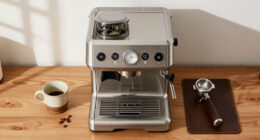
automatic espresso machine with flow meter
As an affiliate, we earn on qualifying purchases.
As an affiliate, we earn on qualifying purchases.
A water target is different from a recipe by cup weight
Volumetric espresso machines target water passing through the machine, while a scale-based workflow can target the weight of espresso collected in the cup. Those controls answer different questions. A preset asks, “How much water has passed through?” A scale asks, “How much beverage have I collected?”
| Workflow | What it targets | What you monitor | Useful when |
|---|---|---|---|
| Volumetric | Preset water delivery | Flavor, time, and occasional yield checks | You want repeatable button operation and fewer manual stops |
| Manual | The barista’s chosen stopping point | Time, taste, or cup weight | You want direct control over each shot |
| Scale-based | Beverage weight in the cup | Yield and flavor, often with a timer | Your recipe specifies a target espresso mass |
For example, if your recipe calls for 18 grams of coffee in and 36 grams of espresso out, a scale shows when you reach the 36-gram yield. A volumetric button may still be useful for speed, but you’ll need to check that its water target continues to produce a cup near that yield as the coffee and grind change.
Some machines offer features beyond a basic volume preset, and implementations vary by model. Check the manufacturer’s specifications before assuming a machine measures beverage weight. If you’re comparing more involved control options, a guide to espresso machines with pressure profiling can help clarify how pressure control differs from a shot-volume button.
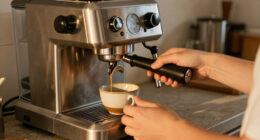
programmable espresso machine buttons
As an affiliate, we earn on qualifying purchases.
As an affiliate, we earn on qualifying purchases.
Recheck the preset whenever coffee or the recipe changes
Volumetric espresso machines need occasional recipe checks because the same preset can produce a different-tasting shot after a change in beans, grind, dose, or puck preparation. Revisit the button whenever you change those inputs, or when shots stop matching the time, yield, and flavor you expect. The button can repeat its setting while the coffee’s behavior shifts underneath it.
- Set a starting recipe. Record the coffee dose, approximate target beverage weight, and shot time for a shot that tastes balanced.
- Program and test the button. Pull a shot into a cup on a scale and note the yield and time. Taste it before deciding the setting is ready for service.
- Adjust one variable at a time. If a new bag tastes sour or the yield changes, check grind and puck preparation before changing the preset.
- Recheck after changes. When the recipe or coffee changes, pull another measured shot and adjust the button if needed.
Say your café moves from a forgiving medium roast to a denser, lighter roast. You may need a finer grind or a different recipe to get the flavor you want, and that change can alter how the programmed water volume behaves. A quick scale check at opening can catch a mismatch before a whole morning of drinks follows it.
Keep a short log near the machine: coffee, dose, button, time, yield, and a few words about taste. Routine checks turn a preset from a forgotten number into a useful starting point that staff can maintain.
As an affiliate, we earn on qualifying purchases.
The extra cost pays off when it frees real attention
Volumetric espresso machines earn their added cost when the time saved and consistency gained matter more than hands-on control of every shot. They can suit high-volume cafés, teams with frequent staff changes, multi-group service, and home users who want a convenient repeatable routine. For occasional espresso or experimental brewing, manual stopping or a scale may be a better fit.
Picture a small café serving 120 drinks during a lunch rush. If staff routinely start shots while preparing milk and cups, automatic stopping can keep the station moving. In a home kitchen where you pull two shots on a quiet morning, you may have little need to automate that part of the process; watching and stopping each shot can be part of the enjoyment.
There are tradeoffs beyond the purchase price. Volumetric machines generally have more electronics than simpler controls, and flow meters or related parts may need inspection, calibration, or service. Maintenance needs vary by model, so check the maker’s cleaning and service instructions and ask what support is available before you buy.
Connected tracking, programmable profiles, and other electronic features appear on some machines, but they are not universal. Compare the actual functions and service requirements of the model you’re considering. A useful buying question is not “Does it have buttons?” but “Will these buttons remove a recurring task from my workflow without hiding a measurement I need?”
Keep tasting; the button cannot judge the cup
Volumetric espresso machines do not guarantee good flavor because a programmed stop cannot tell you whether the espresso tastes balanced. A preset gives you a repeatable water-volume endpoint; your palate and measurements tell you whether that endpoint suits the coffee. Dialing in still means adjusting the grind, dose, and recipe, then tasting the result.
Try a simple comparison when opening a new bag: pull one shot using the current button, weigh the beverage, time the extraction, and taste it. If it runs too fast and tastes thin, the machine’s stop may be consistent while the grind is too coarse. If it tastes harsh, the answer may involve changing the grind or recipe rather than simply reprogramming the button.
Useful checks include dose consistency, cup weight, extraction time, and flavor notes. You don’t need to measure every drink forever, but a few checks at the start of service and after meaningful changes can reveal drift. The sound and color of a shot can be clues, yet neither replaces tasting.
This is where automation and craft work together. A preset handles one repetitive action, much like cruise control holds a car’s speed while you still watch the road. You remain responsible for the coffee, the conditions, and the cup in front of you.
Frequently Asked Questions
What is a volumetric espresso machine?
A volumetric espresso machine uses a flow meter and programmed setting to stop a shot after a target amount of water passes through the brew circuit. The target usually describes water delivered, not the weight of espresso in your cup.
Does a volumetric button give you the same shot every time?
It repeats the programmed water-volume endpoint, but it cannot guarantee identical shot time, cup weight, or flavor. Changes in coffee, grind, dose, or puck preparation can alter how water moves through the grounds and what ends up in the cup.
Does the machine measure espresso in the cup?
Most volumetric systems measure water passing through the machine rather than finished beverage weight. Use a scale if your recipe calls for a specific cup yield, and check the machine’s specifications before assuming it has that feature.
Can I program different buttons for different drinks?
Many machines offer several programmable buttons per group, which can support different starting recipes. Button count and programming options vary, so check the model’s manual and confirm that staff know when each preset applies.
When should I reprogram a button?
Recheck it when you change coffee, dose, grind, or recipe, and whenever measured shots stop matching the result you want. Pull a shot into a cup on a scale, record the time and yield, and taste before changing the setting.
Is a volumetric machine worth the added cost?
It can be worthwhile when several baristas share a station, service is busy, or you want the machine to stop shots while you handle another task. For low-volume use or hands-on experimentation, manual stopping or a scale-based routine may offer more useful control for your money.
Do volumetric machines need special maintenance?
They may need inspection or service for flow meters and electronic controls, with requirements that vary by model. Follow the manufacturer’s cleaning and service guidance, and arrange a check if readings become inconsistent.
Conclusion
Buy volumetric controls when a repeatable water endpoint will remove a real bottleneck from your day, especially during busy service or shared shifts. Then pair each button with sound puck preparation, occasional scale checks, and tasting whenever coffee or recipe changes. A good button keeps time with your workflow; your judgment makes the espresso sing.Columbus Day / Indigenous Peoples' Day Picks
long weekend sales
As an affiliate, we earn on qualifying purchases.