
TL;DR

Get coffee and tea gear delivered free — and shop member deals
- Fast, free delivery on millions of items
- Access to Prime Big Deal Days deals on October 6–7
- Prime Video, Amazon Music and more included
Espresso became the base for so many drinks because pressure brewing produces a small, concentrated serving that holds its flavor in water, steamed milk, and chocolate. Its quick preparation also lets cafés build a varied menu from one brewing method, while changes in coffee, recipe, and technique keep the drinks adaptable.
A café can turn the same small shot into a sharp espresso, a mellow Americano, or a creamy latte in the time it takes to steam milk. That flexibility helps explain how espresso became the starting point for so many drinks.
Espresso is a brewing method, not a special kind of bean. You’ll see how pressure, concentrated flavor, café speed, and changing tastes made it a practical foundation—and what those facts mean when you order or make espresso at home.
Espresso is a brewing method, not a separate species of coffee bean; many coffees can be prepared as espresso.
Its concentrated flavor stays noticeable when you add hot water, steamed milk, or chocolate.
Espresso has more caffeine per ounce than drip coffee, while a typical mug of drip often has more caffeine overall than one shot.
Crema comes from gases and oils released during extraction, but its presence alone does not prove a shot tastes good.
Change one espresso variable at a time at home so you can tell what improved or weakened the flavor.
How Espresso Became the Base for So Many Drinks
Pressure brewing produces a small, concentrated serving that holds its flavor in water, steamed milk, and chocolate. One brewing method, one machine, one shot — a whole café menu. A shot can become a sharp espresso, a mellow Americano, or a creamy latte in the time it takes to steam milk.
The concentrated shot that stands up to milk and water
Hot water passes through finely ground coffee under pressure, creating a compact drink with rich texture and a thin layer of crema. That concentration gives a barista room to change a drink without losing the coffee. Pour a full mug of mild coffee into milk and the coffee fades; a short espresso shot pushes through with roasted, nutty, fruity, or bittersweet notes.
Espresso’s intensity can fool you about caffeine: a single shot has more caffeine per ounce than drip, but a typical mug of drip coffee usually contains more total caffeine — because it is a much larger serving.
A quick history: how espresso found its café role
Espresso developed alongside machines built to brew coffee quickly for individual customers in Italy. The name itself is associated with coffee made expressly for a customer.
Early commercial machines
Machines designed for fast, individual servings appear in Italy.
Spring piston machines
Higher brewing pressure helps create the crema people now associate with espresso.
Espresso bars go global
Cafés adapt the format to local habits; milk drinks find a broad audience.
Specialty era
Single origins, lighter roasts, digital scales, and precise recipes reshape the shot.
Crema: fresh, but not a promise
Crema comes from gases and oils released during extraction. Its presence can signal freshness and good extraction — but it does not prove a shot tastes good.
A customer who found straight espresso too intense could order steamed milk; someone wanting a longer drink could choose hot water. Cafés kept the core method and changed the additions — one machine plus milk, water, and chocolate supported an entire menu.
One shot gives a café several ways to build your drink
The drinks differ in size and feel, but the café can prepare each from espresso and a small set of additions — no separate brewing setup required.
Americano
A larger, less concentrated drink that keeps espresso’s flavor.
Latte
A creamy drink in which milk softens the coffee.
Cappuccino
A smaller-feeling, airy drink; café proportions vary.
Mocha
A sweet, chocolate-forward coffee with espresso underneath.
What gets added — and what to expect
| Drink | Added to espresso | Strength of coffee taste | Texture & body |
|---|---|---|---|
| Espresso | Nothing | Very intense | Compact, syrupy, crema cap |
| Americano | Hot water | Moderate — flavor holds | Larger, lighter body |
| Latte | Steamed milk + light foam | Gentle — milk leads | Creamy, smooth |
| Cappuccino | Steamed milk + thick foam | Moderate | Airy, smaller-feeling |
| Mocha | Chocolate + steamed milk | Underneath sweetness | Rich, dessert-like |
Recipes differ by café, so names don’t guarantee identical sizes or milk ratios. Want a stronger coffee taste? Ask for a smaller milk drink or an extra shot. Prefer a gentler cup? A latte usually gives milk more room to lead.
From one shot to a full menu
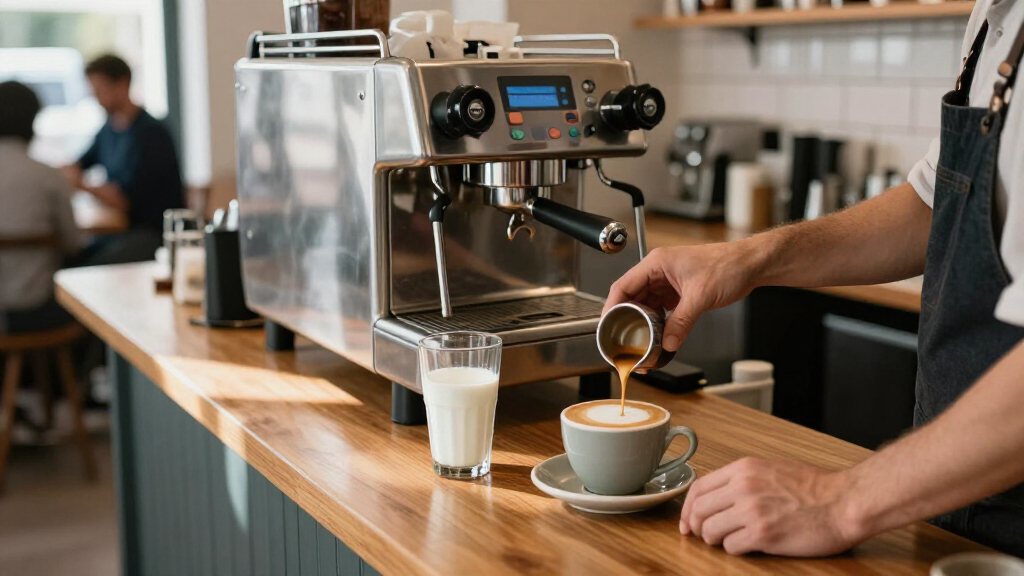
A repeatable recipe keeps the espresso in every cup. The machine pulls a shot; the steam wand heats and textures milk. A compact set of additions creates variety without changing the brewing method.
Dose & grind
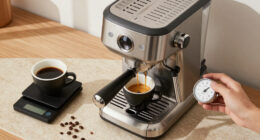
Fine grounds, measured by weight on a digital scale
Pull the shot
Pressure extraction in ~25–30 seconds
Steam the milk
Steam wand heats and textures for lattes, cappuccinos
Add & build
Water, milk, foam, or chocolate — same base, new drink
Five things to remember when you order or brew
Espresso is a brewing method, not a separate species of bean — many coffees can be prepared as espresso.
Its concentrated flavor stays noticeable when you add hot water, steamed milk, or chocolate.
More caffeine per ounce than drip, while a typical mug of drip often has more caffeine overall than one shot.
Crema signals extraction and freshness, but its presence alone does not prove a shot tastes good.
Change one variable at a time at home so you can tell what improved or weakened the flavor.
Modern espresso is adaptable: grind, dose, yield, temperature, and extraction time let the coffee’s origin shape the drink.
Clean the steam wand after each use and refrigerate milk promptly — perishable milk should not sit at room temperature for more than two hours, or one hour above 90°F (32°C). Milk is a common allergen; check menus and labels, and ask how cafés handle shared equipment.
The concentrated shot that can stand up to milk and water
Espresso became the base for so many drinks because it packs a strong, concentrated flavor into a small serving that remains noticeable when you add water, milk, or chocolate. Hot water passes through finely ground coffee under pressure, creating a compact drink with a rich texture and, often, a thin layer of crema.
That concentration gives a barista room to change a drink without losing the coffee. Add hot water and you get an Americano; add steamed milk and you have the starting point for a latte or cappuccino. Chocolate brings espresso into a mocha, where its roasted bitterness keeps the sweetness from taking over.
Imagine pouring a full mug of mild coffee into a glass of milk: the coffee can fade into the background. A short espresso shot pushes through more clearly. It brings roasted, nutty, fruity, or bittersweet notes, depending on the beans and recipe, while each addition changes the drink’s body and strength.
Espresso’s intensity can fool you about caffeine. It generally has more caffeine per ounce than drip coffee, but a typical shot contains less caffeine overall than a standard mug of drip. Serving size, coffee, and preparation all affect the comparison.
A quick history explains how espresso found its café role
Espresso developed alongside machines designed to brew coffee quickly for individual customers in Italy. Commercial machines appeared in the late 19th century, and later improvements made the method more practical in cafés, where speed and a freshly prepared serving mattered.
The name is associated with coffee made expressly for a customer and with quick preparation. After World War II, spring-operated piston machines helped produce higher brewing pressure, contributing to the crema people now associate with espresso. That foamy tan cap can be a sign of freshness and extraction, but it does not promise that a shot will taste good.
As espresso bars spread beyond Italy, cafés adapted the format to local habits. Milk drinks found a broad audience: a small, forceful coffee could become a larger, softer drink without requiring a different brewing method. A customer who found straight espresso too intense could order steamed milk; someone wanting a longer drink could choose hot water.
This history helps explain how espresso became the foundation for so many coffee drinks: cafés could keep the core method and change the additions. In practice, one machine and ingredients such as milk, water, and chocolate could support a menu with very different flavors and textures.
One shot gives a café several ways to build your drink
Espresso is useful behind a café counter because one freshly pulled shot can become the base for several familiar drinks. The barista changes the proportions and texture by adding hot water, steamed milk, foam, or chocolate, while the coffee provides a shared starting point.
Think of a busy morning order: one customer wants a short espresso, another asks for a large latte, and a third prefers an Americano. The drinks differ in size and feel, but the café can prepare each from espresso and a small set of additions. That makes the menu flexible without demanding a separate brewing setup for every drink.
| Drink | What gets added to espresso | What you can expect |
|---|---|---|
| Americano | Hot water | A larger, less concentrated drink with espresso’s flavor |
| Latte | Steamed milk and a light layer of foam | A creamy drink in which milk softens the coffee |
| Cappuccino | Steamed milk and a more noticeable layer of foam | A smaller-feeling, airy drink; café proportions vary |
| Mocha | Chocolate and usually steamed milk | A sweet, chocolate-forward coffee with espresso underneath |
Recipes differ by café, so the names do not guarantee identical serving sizes or exact milk ratios. If you want a stronger coffee taste, ask for a smaller milk drink or an extra shot; if you prefer a gentler cup, a latte usually gives milk more room to lead.
A repeatable recipe keeps the espresso in every cup
A café can offer so many drinks from espresso because baristas can prepare the same base quickly and adjust a few measured ingredients for each order. The machine pulls a shot, and its steam wand heats and textures milk for drinks such as lattes and cappuccinos.
That repeatability matters during a rush. If your barista can make a balanced shot consistently, the latte and Americano both start with coffee that tastes deliberate instead of thin, sour, or harsh. A compact menu of additions then creates variety without changing the basic brewing method.
At home, you can use the same building-block idea, though your equipment and skill affect the result. Start with espresso, then add hot water for an Americano or warmed, textured milk for a latte. If you make milk drinks, clean the steam wand after each use and refrigerate milk promptly; perishable milk should not sit at room temperature for more than two hours, or one hour above 90°F (32°C).
Milk is a common allergen, and chocolate drinks may contain milk or other ingredients that matter to you. Check café menus and ingredient labels when allergens are a concern, and ask staff how they handle shared steam wands or equipment.
Modern espresso lets the coffee’s origin shape the drink
Modern espresso varies because cafés now adjust the coffee and recipe to bring different flavors forward. Baristas may change grind size, dose, yield, water temperature, and extraction time; even small adjustments can change whether a shot tastes bright, sweet, or bitter.
Some specialty cafés highlight single-origin coffees and lighter roasts, which can bring fruit or floral notes into espresso. Blends and darker roasts remain popular too, often offering a more familiar, rounded profile in milk drinks. Neither style is automatically better: a lively shot that tastes good on its own may feel sharp to someone who wants a chocolatey latte.
Digital scales help baristas measure coffee and espresso output by weight rather than relying only on how much liquid fills a cup. For example, if a café changes its dose but keeps the yield consistent, the shot’s balance may shift; careful measurement helps the barista repeat a recipe and make useful adjustments.
Home machines and compact grinders have also made café-style experimentation more accessible, while pod machines and automatic espresso makers trade some control for convenience. You can enjoy an espresso-inspired drink without tuning every variable, though equipment, coffee, and technique all affect flavor.
Three simple checks help you choose or make a better drink
You can make better espresso choices by matching the drink to the flavor and texture you enjoy, then changing one recipe detail at a time. The same espresso base can taste intense, creamy, or mellow depending on what you add and how the shot was prepared.
- Choose your balance. Order straight espresso if you want concentrated coffee, an Americano for a longer black drink, or a latte if you want plenty of milk.
- Ask what “strong” means. A shot tastes concentrated, but a large drip coffee may contain more total caffeine; serving size and recipe matter.
- Adjust one variable at home. If the shot tastes sour, try a finer grind or a slightly longer extraction. If it tastes harshly bitter, check whether the grind is too fine or the extraction runs too long.
These are starting points, not guarantees. The coffee itself, roast, machine, and dose affect the cup, so change one detail and taste again rather than altering everything at once. A quick note—coffee dose, shot yield, and time—can help you repeat a version you like.
Crema can look appealing in the cup, but don’t use it as your only quality test. Taste the espresso: a balanced shot should work on its own and remain present when you add milk or water.
Frequently Asked Questions
Are espresso beans different from regular coffee beans?
No. “Espresso beans” usually describes coffee chosen or roasted for espresso, rather than a special kind of bean. You can brew many coffees as espresso if you adjust the grind and recipe to suit your machine.
Is espresso stronger than drip coffee?
Espresso is more concentrated by volume, so it generally has more caffeine per ounce. A typical shot usually has less total caffeine than a full mug of drip coffee because the mug holds much more liquid.
What is the difference between a latte and a cappuccino?
Both combine espresso and steamed milk. A latte generally has more milk and a thinner foam layer, while a cappuccino traditionally gives foam a larger role; café recipes and serving sizes vary.
What is crema, and does it mean the espresso is good?
Crema is the thin, tan foam that forms on a fresh shot as gases and oils release during extraction. It can offer clues about freshness and extraction, but a good-looking crema cannot tell you whether the espresso tastes balanced.
Why does my espresso taste sour or bitter?
Sourness can come from the coffee itself or from a shot that extracted too little; harsh bitterness can reflect over-extraction, a dark roast, or other brewing factors. At home, adjust grind, dose, yield, or extraction time one at a time and taste the result.
Conclusion
Remember the simple reason espresso became the base for so many drinks: one concentrated shot can take many forms. Add water for space, milk for softness, or chocolate for sweetness, then let the coffee keep its place in the cup.
Next time you order, choose the balance you want—and taste for the espresso underneath.
Fall Picks
fall essentials
As an affiliate, we earn on qualifying purchases.