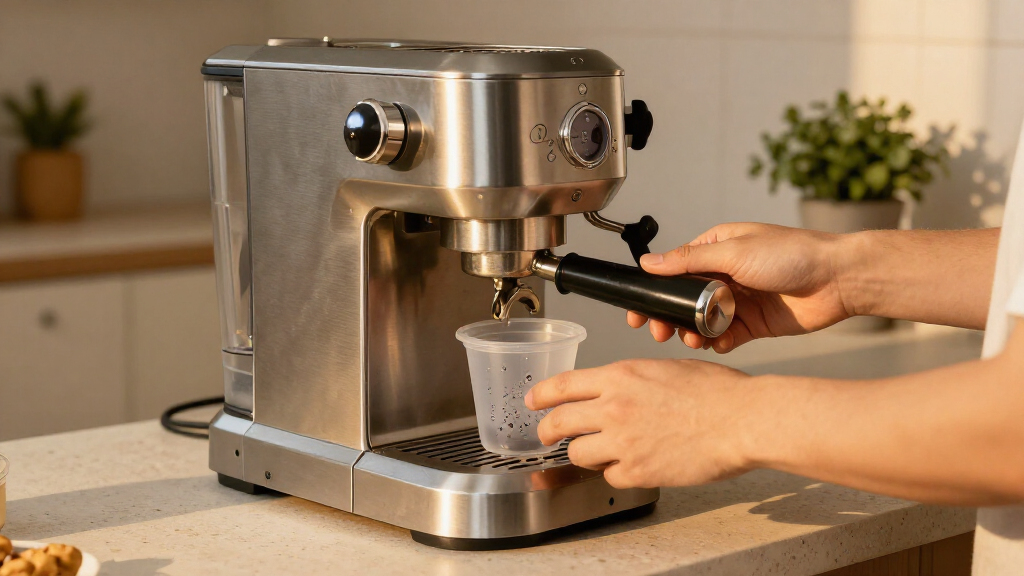

Choosing the right water filtration system is the single most effective way to extend the life of your espresso equipment and improve cup clarity. After evaluating numerous options, the Bunn O Matic EQHP-ESP stands out as the best overall choice for its high capacity and precise mineral balance, while the 3M ESP124-T offers superior flexibility for plumbed setups. The primary tradeoff in this category lies between convenience and capacity: small in-tank filters like the AosBet are easy to install but require frequent replacement, whereas under-sink or high-flow systems demand more setup but deliver months of uninterrupted service. This guide breaks down which system fits your machine type and water hardness to prevent scale buildup effectively.

Get coffee and tea gear delivered free with Prime
- Fast, free delivery on millions of items
- Prime Video, Amazon Music and more included
- Member-only deals all year
Complete the kit


Key Takeaways
- High-flow under-sink systems like the Bunn EQHP-ESP offer significantly longer lifespan than in-tank resin filters, reducing maintenance frequency.
- Breville-compatible filters (Geesta, Molifal, AosBet) vary primarily in resin quality and housing durability, not just price.
- Plumbed machines require specific bypass valves and flow rates; standard pitcher filters cannot be used with direct water lines.
- Scale buildup is the primary failure point for espresso machines, making hardness reduction more important than chlorine removal for longevity.
- Replacement cost per gallon is often higher for branded in-tank filters compared to universal high-capacity systems.


| espresso machine water filtration system | Brand | Material | Model Number | Compatibility |
|---|---|---|---|---|
| AosBet Espresso Machine Water | AosBet | Plastic | — | Most tank-fed home espresso machines |
| Geesta 6-Pack Resin Water Filt | Geesta | Resin | BWF100 | Breville BES920XL, BES980XL, BES900XL, BES860XL, BES870XL, BES840XL, BKC600XL, BKC700XL |
| Molifal 6-Pack Replacement Wat | Molifal | Ion-exchange resin and activated carbon | MO800 | Selected Oracle, Barista, Bambino, and Sage espresso machines |
| Bunn O Matic EQHP-ESP Easy Cle | Bunn | — | 39000 | — |
| 3M High Flow Coffee and Hot Te | — | Carbon, plastic | — | — |
| 3M ESP124-T Espresso Water Fil | 3M | — | ESP124-T | — |
More Details on Our Top Picks
AosBet Espresso Machine Water Softener Filter
This filter serves as a straightforward entry point for owners of standard tank-fed machines who need immediate scale reduction without complex plumbing. Unlike the Geesta 6-Pack, which targets specific Breville models with resin cartridges, the AosBet offers a generic fit for a wider range of generic espresso makers. It excels at quick installation, taking mere seconds to drop into the reservoir, making it ideal for users who prioritize convenience over advanced filtration. However, its lifespan is limited to about three months, requiring more frequent attention than long-lasting under-sink systems like the Bunn O Matic. It does not address water hardness as aggressively as ion-exchange heavy options, so those in extremely hard water areas may find it insufficient for long-term machine protection.Pros:- Installs in seconds without tools
- Compatible with most generic tank-fed machines
- Effectively reduces scale buildup
- Lightweight and unobtrusive design
Cons:- Short lifespan of approximately three months
- Limited to tank-fed machines only
- Single pack requires frequent reordering
Best for: Owners of generic tank-fed espresso machines seeking a simple, low-commitment solution to reduce scale.
Not ideal for: Breville owners needing proprietary fits or users in very hard water areas requiring heavy-duty softening.
- Brand:AosBet
- Material:Plastic
- Weight:1.76 ounces
- Filter Duration:About 3 months
- Compatibility:Most tank-fed home espresso machines
- Pack Quantity:1
Our verdict“A convenient, no-fuss option for generic espresso makers where ease of use outweighs long-term cost savings.”
Geesta 6-Pack Resin Water Filters for Breville BWF100
For those who own Breville espresso machines, this 6-pack offers a significant cost advantage over buying individual OEM replacements. The Geesta filters utilize ion exchange resin to tackle hard water minerals, providing a level of protection comparable to the Molifal pack but often at a lower per-unit cost. The individually sealed packaging is a thoughtful touch, ensuring the resin remains fresh until installation, which is a practical benefit over bulk-poured alternatives. While effective, these filters require replacement every 60 refills, which can feel frequent in hard water regions. Compared to the 3M High Flow system, this is a point-of-use solution that doesn’t require plumbing modifications, keeping it accessible for renters or apartment dwellers who cannot alter their water lines.Pros:- Ion exchange resin prevents scale effectively
- Reduces chlorine, sulfur, and iron
- Individually sealed for freshness
- Wide compatibility with Breville models
Cons:- Frequent replacement needed (every 60 refills)
- Performance drops in very hard water
- Strictly limited to specific Breville/Sage models
Best for: Breville espresso machine owners looking for affordable, bulk replacement filters with easy installation.
Not ideal for: Owners of non-Breville machines or those wanting a permanent under-sink filtration solution.
- Brand:Geesta
- Model Number:BWF100
- Material:Resin
- Unit Count:6
- Item Weight:130 g
- Item Dimensions:2.16″D x 1.37″W x 1.23″H
- Compatibility:Breville BES920XL, BES980XL, BES900XL, BES860XL, BES870XL, BES840XL, BKC600XL, BKC700XL
- Certification:WQA
Our verdict“The most economical way to maintain scale-free brewing if you own a compatible Breville machine.”
Molifal 6-Pack Replacement Water Filters for Breville Espresso Machines
The Molifal pack distinguishes itself by combining ion-exchange resin with activated carbon, a dual-stage approach that aims to soften water while preserving beneficial minerals. This contrasts with the Geesta filters, which focus primarily on resin-based softening. By retaining certain minerals, Molifal may offer a better mouthfeel for coffee, as overly soft water can sometimes result in flat-tasting espresso. The inclusion of activated carbon helps reduce heavy metals like lead and copper, adding a safety layer that some basic softeners lack. However, the requirement to soak the filter for five minutes before use adds a step that the instant-install AosBet avoids. While the 6-pack offers good value, the CE certification is less prominent than the WQA or NSF standards seen in other top-tier options, which might concern strict purists.Pros:- Dual-action carbon and resin filtration
- Retains essential minerals for taste
- BPA-free and lead-free materials
- Reduces heavy metals like lead and copper
Cons:- Requires 5-minute soaking before use
- CE certification may be less recognized than NSF/WQA
- Replacement interval varies by water quality
Best for: Coffee enthusiasts who want to reduce impurities without stripping all minerals that contribute to flavor.
Not ideal for: Users seeking a ‘drop-in’ solution without preparation steps or those requiring NSF-certified components.
- Brand:Molifal
- Model Number:MO800
- Quantity:6 filters
- Material:Ion-exchange resin and activated carbon
- Compatibility:Selected Oracle, Barista, Bambino, and Sage espresso machines
- Preparation:Immerse in tap water for 5 minutes before use
- Replacement interval:Every 3 months or after 100 L
- Dimensions:1.8 × 2 × 4.8 in (D × W × H)
- Item weight:6.56 oz
Our verdict“A balanced choice for flavor-conscious Breville owners willing to perform a brief prep step.”
Bunn O Matic EQHP-ESP Easy Clear High Performance Espresso Water Filtration System
The Bunn O Matic system represents a shift from disposable cartridges to a more robust, high-capacity filtration approach. With a stated capacity of 422 gallons, it far outlasts the short-term solutions like the AosBet or the 60-refill limit of the Geesta pack. This makes it a compelling option for households with multiple espresso drinkers or those who brew frequently. The “Easy Clear” housing allows users to visually monitor the media’s condition, a feature absent in opaque cartridge systems. However, this is not a simple drop-in filter; it requires integration into the water supply line, demanding more technical setup than the plug-and-play nature of the Molifal or Geesta options. It is a commitment to plumbing modification, which may deter casual users.Pros:- High 422-gallon capacity reduces replacement frequency
- Transparent housing allows visual monitoring
- Designed specifically for espresso equipment
- Durable construction for long-term use
Cons:- Requires plumbing installation
- Higher upfront complexity than cartridge filters
- Bulky compared to in-tank solutions
Best for: Serious home baristas or small offices with high water usage who want long-lasting filtration.
Not ideal for: Renters or users who cannot modify their water plumbing lines.
- Model Number:39000
- Brand:Bunn
- Capacity:422 gallons
- Unit Count:1
- Item Type:Coffee products and accessories
- Item Weight:0.27 g
Our verdict“A durable, high-capacity solution for those willing to handle the installation for long-term convenience.”
3M High Flow Coffee and Hot Tea Water Filtration System, BREW125-MS
The 3M BREW125-MS brings commercial-grade engineering to the home or small café setting, featuring a massive 10,000-gallon capacity. This dwarfs the capacity of the Bunn O Matic and makes cartridge replacements rare, reducing long-term maintenance hassle. Its Sanitary Quick Change (SQC) design allows for tool-free cartridge swaps, a significant advantage over systems that require wrenches or complex disassembly. While it is marketed for coffee and hot tea, its scale inhibition capabilities are robust enough for many espresso applications, though it lacks the specific “espresso-only” tuning of the 3M ESP124-T. The tradeoff is its size; it is a substantial under-counter unit compared to the compact Geesta or Molifal filters. This system is ideal for those who want a “set it and forget it” solution with certified performance.Pros:- Massive 10,000-gallon capacity
- NSF certified for safety and performance
- Sanitary Quick Change design for easy swaps
- Effective scale inhibition and sediment reduction
Cons:- Large footprint requires under-counter space
- Primarily designed for coffee/tea, not dedicated espresso
- Higher initial investment than cartridge packs
Best for: Users needing high-volume, certified filtration with minimal maintenance and easy cartridge changes.
Not ideal for: Those with limited under-counter space or who prefer simple in-tank filter solutions.
- Model:BREW125-MS
- Capacity:10,000 gallons
- Dimensions:3.25 x 3.25 x 11 inches
- Weight:16 ounces
- Material:Carbon, plastic
- Certification:NSF
- Cartridge Design:Sanitary Quick Change (SQC), encapsulated
Our verdict“The definitive choice for high-volume users who prioritize certified reliability and low maintenance frequency.”
3M ESP124-T Espresso Water Filter System
This unit stands out for its NSF certification and dedicated design for espresso equipment, offering a level of assurance that generic filters often lack. Unlike the AosBet Espresso Machine Water Softener, which may serve as a more generic softening solution, the 3M ESP124-T is engineered specifically to protect sensitive boiler components in high-end machines. Its 1,100-grain capacity provides substantial softening power for residential setups, effectively tackling scale buildup that ruins pumps over time. However, the 0.5 GPM flow rate is a significant bottleneck for commercial-grade throughput, making it better suited for home baristas than busy cafes. The requirement for 3/8-inch FNPT connections also limits its retrofit potential, meaning it fits best in new installations where plumbing can be configured to match these specific specs.
Pros:- NSF certification provides verified safety and performance standards for drinking water.
- High 1,100-grain capacity offers extended service intervals between replacements.
- Specifically engineered to protect espresso machine boilers from scale damage.
- Effective dual-action removal of hardness minerals and chlorine taste.
Cons:- Low 0.5 GPM flow rate restricts simultaneous brewing or high-volume output.
- Requires specialized 3/8-inch FNPT plumbing, limiting retrofit flexibility.
- Intended primarily for new installations, making it less versatile for upgrades.
Best for: Home baristas installing new espresso machines with compatible 3/8-inch plumbing who prioritize NSF-certified water safety and long-term scale prevention.
Not ideal for: Commercial users needing high flow rates or DIYers with existing standard plumbing who cannot easily adapt to 3/8-inch FNPT fittings.
- Model Number:ESP124-T
- Brand:3M
- Capacity:1,100 grains
- Flow Rate:0.5 GPM
- Connection Size:3/8 in FNPT
- Dimensions:4″D x 4″W x 19″H
- Certification:NSF
- Warranty:5-year limited
Our verdict“Choose this if you are setting up a new home espresso station with compatible plumbing and want certified, long-lasting scale protection.”
How We Picked
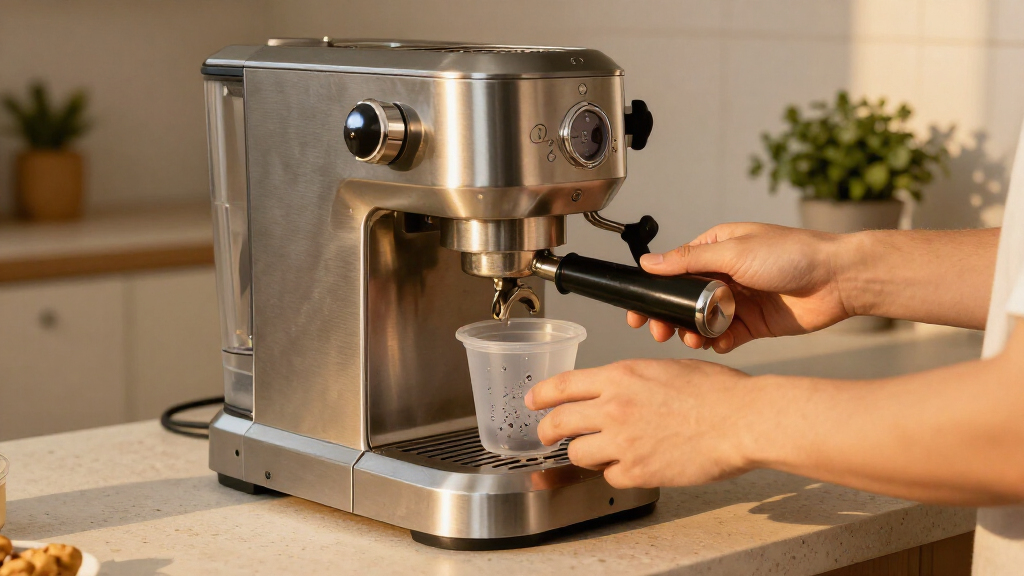
To rank these filtration systems, I evaluated each unit based on filtration capacity, compatibility, and impact on water chemistry. The primary criterion was the system’s ability to reduce calcium and magnesium ions (hardness) without stripping the water of minerals necessary for proper extraction, a common flaw in reverse osmosis systems. I also considered the installation complexity, distinguishing between drop-in tank filters and plumbed-in line filters, as this dictates the user’s technical comfort level.
Value was assessed by calculating the cost per gallon filtered, rather than just the upfront price. Durability of the housing and the availability of replacement cartridges were also weighted heavily, as a system is only as good as its long-term serviceability. Products that lacked clear replacement part availability or compatibility documentation were excluded from this list.
| espresso machine water filtration system | Material | Compatibility | Certification |
|---|---|---|---|
| AosBet Espresso Machine Water | Plastic | Most tank-fed home espresso machines | — |
| Geesta 6-Pack Resin Water Filt | Resin | Breville BES920XL, BES980XL, BES900XL, BES860XL, BES870XL, BES840XL, BKC600XL, BKC700XL | WQA |
| Molifal 6-Pack Replacement Wat | Ion-exchange resin and activated carbon | Selected Oracle, Barista, Bambino, and Sage espresso machines | — |
| Bunn O Matic EQHP-ESP Easy Cle | — | — | — |
| 3M High Flow Coffee and Hot Te | Carbon, plastic | — | NSF |
| 3M ESP124-T Espresso Water Fil | — | — | NSF |
Factors to Consider When Choosing Best Espresso Machine Water Filtration Systems
Selecting a water filtration system for espresso requires balancing machine compatibility with your local water quality. These factors help you determine which technology will protect your investment.In-Tank vs. Plumbed-In Filtration
Most home espresso machines use in-tank filters that drop into the water reservoir, relying on ion-exchange resin to soften water. These are convenient but have limited capacity, often requiring replacement every 60-100 shots. In contrast, plumbed-in systems like the 3M or Bunn models connect directly to the water line, offering much higher capacity and consistent flow pressure. If you have a plumbed machine, an in-tank filter is redundant and potentially harmful to the pump, so matching the filter type to your machine’s water input method is the first step in selection.
Understanding Water Hardness and TDS
Not all filters are created equal; some remove chlorine and sediment, while others specifically target calcium and magnesium ions that cause scale. Scale is the silent killer of espresso machines, insulating heating elements and clogging boilers. A total dissolved solids (TDS) meter is a worthwhile addition to your toolkit, helping you determine if your tap water is too hard (requiring softening) or too soft (requiring remineralization). Choosing a filter that over-softens water can lead to sour, flat-tasting espresso, so look for systems that maintain a balanced mineral profile.
Replacement Cost and Availability
The initial price of a filtration system is often misleading; the long-term cost is driven by replacement cartridges. Branded filters (like Breville BWF100) are convenient but expensive per unit. Third-party options like Geesta or Molifal offer lower upfront costs but require scrutiny regarding resin quality. For high-volume users, high-capacity systems like the Bunn EQHP-ESP have a higher initial investment but a lower cost per gallon over time. Always check if replacement parts are readily available in your region before committing to a proprietary system.
Flow Rate and Pressure Impact
Filtration adds resistance to water flow, which can affect pump performance and extraction time. Low-quality or clogged filters can restrict flow, causing the machine to work harder or produce under-extracted shots. High-flow systems are engineered to minimize pressure drop, ensuring your machine receives water at the correct pressure (typically 9 bars). If you notice your shots pulling too slowly or too fast after installing a filter, check the flow rate specifications of the filter against your machine’s requirements to avoid operational issues.
Installation Complexity and Space
Under-sink systems require plumbing knowledge and adequate space beneath the counter or behind the machine. They often involve cutting water lines and installing bypass valves, which may void warranties if done incorrectly. In-tank filters require zero installation beyond dropping them in. For renters or those with limited under-counter space, the convenience of an in-tank system outweighs the lower long-term cost of plumbed systems. Assess your DIY skills and spatial constraints honestly before choosing a high-capacity unit.
Frequently Asked Questions
Can I use distilled or reverse osmosis water in my espresso machine?
Generally, no. Distilled or reverse osmosis water lacks the minerals necessary to conduct electricity, which can damage the heating element in many machines. More importantly, demineralized water is aggressive and can leach metals from the boiler and group head, leading to off-flavors and potential health risks. If you use RO water, you must add a remineralization cartridge to reintroduce calcium and magnesium for proper extraction and machine safety.
How do I know if my filter is actually working?
The most reliable method is using a TDS (Total Dissolved Solids) meter to compare the reading of your tap water against the filtered water. If the TDS drops significantly (typically by 50-80% for softening filters), the resin is active. Additionally, observe the taste of your espresso; a sudden increase in bitterness or astringency can indicate scale buildup or exhausted resin. Relying solely on time-based replacement schedules is less accurate than monitoring water quality directly.
Are Breville-compatible filters safe to use on other brands?
While the physical size of Breville BWF100-compatible filters (like Geesta or Molifal) may fit other machines, the resin formulation is often tuned specifically for Breville’s water flow rates and temperature profiles. Using them in other brands might result in inconsistent flow or inadequate softening. Always check the manufacturer’s compatibility list; if a filter is not explicitly listed for your machine, you risk poor filtration efficiency or mechanical issues with the reservoir lid seal.
What is the difference between scale and corrosion filters?
Scale filters use ion-exchange resin to swap calcium and magnesium ions with sodium or hydrogen ions, preventing hard mineral deposits. Corrosion filters often use phosphates or polyphosphates to coat the inside of the boiler, preventing metal oxidation and rust. Some high-end systems, like the 3M models, combine both technologies to address water hardness and metallic taste simultaneously. If you have very hard water, a scale filter is priority; if you have older pipes, a corrosion inhibitor may be necessary.
Do I need a filter if I already have a whole-house water system?
Whole-house systems typically protect against sediment, chlorine, and large particles but rarely soften water to the level required for espresso machines. Unless your whole-house system is a dedicated water softener with a bypass valve for drinking water, you likely still need a point-of-use filter. Espresso machines are sensitive to mineral content; even moderately hard water can cause rapid scale accumulation in the small-diameter tubes of a thermoblock or boiler.
Conclusion
Choosing the right filtration system depends heavily on your machine’s configuration and your willingness to perform maintenance. For those with plumbed machines seeking the best long-term value and performance, the Bunn O Matic EQHP-ESP is the superior choice due to its high capacity and precise mineral control. Home users with Breville machines who prefer convenience should stick to Geesta or AosBet in-tank filters, which offer easy installation and adequate softening for moderate usage. If you require a premium, versatile solution for various commercial or high-end home setups, the 3M ESP124-T provides the best balance of flow rate and filtration quality. Beginners should prioritize ease of use with in-tank options, while advanced users will benefit from the consistency of plumbed systems.