TL;DR
To tell whether bad espresso comes from the beans, grinder, machine, or your technique, keep dose and yield steady, note shot time and flow, then change one variable at a time. Fast, sharp shots often need a finer grind; very slow, dry shots often need a coarser grind, while mixed sour and bitter flavors can point to uneven extraction. Check beans, puck preparation, cleanliness, and water before blaming the machine.
A shot can look like dark caramel in the cup and still taste like lemon peel, burnt toast, or watered-down tea. That mismatch does not automatically mean your espresso machine is failing. Beans, grind, puck preparation, water, and expectations can all shape the same sour or bitter taste.

Get coffee and tea gear delivered free with Prime
- Fast, free delivery on millions of items
- Prime Video, Amazon Music and more included
- Member-only deals all year
This guide gives you a practical way to work out how to tell if bad espresso is beans, grinder, machine, or you. You’ll learn to pair taste with flow, make one controlled change at a time, and spot when a flavor is part of the coffee rather than a brewing mistake. For example, a naturally fruity light roast may taste bright even when your recipe is working well.
Use a scale, a simple shot log, and a little patience. A repeatable shot gives you better clues than a flurry of changes to grind, dose, temperature, and tamp all at once. Espresso troubleshooting works best like tuning a radio: adjust one dial, listen, then decide what the next move should be.
Use dose, yield, shot time, taste, and visible flow together; a shot time alone cannot identify the cause.
A 1:2 ratio and roughly 25–35 seconds make a useful starting recipe, not a universal rule.
Fast, sharp shots often call for a finer grind; very slow, dry shots often call for a coarser grind.
Sour and bitter flavors in one cup, especially with spurting flow, can point to uneven puck preparation.
Check bean freshness, coffee residue, water, and machine consistency before replacing equipment.
Diagnose the shot one clue at a time
Sour, bitter, or thin espresso can come from beans, grind, puck preparation, water, or the machine. Pair taste with flow and change one variable at a time.
Read the flow and taste
Keep dose and target yield steady while you make a small grind adjustment.
| What you see | What you taste | First adjustment |
|---|---|---|
| Fast, pale stream | Sharp, weak, or watery | Grind a little finer |
| Slow drips or long shot | Dry, harsh, or heavy | Grind a little coarser |
| Uneven flow or spurting | Sour and bitter together | Check puck preparation |
Check the four likely causes
Beans and roast
Stale beans can taste flat; dark roasts may taste smoky, while lighter roasts can be naturally bright.
Size and consistency
Coarse or inconsistent grounds can make shots race, taste thin, or channel.
Even puck preparation
Break up clumps, distribute grounds evenly, and tamp level. An even puck matters more than extreme force.
Machine and water
Dirty parts, scale, unstable temperature, or water quality can affect flavor and consistency.
Run a controlled check
Note dose, yield, shot time, taste, and visible flow.
Keep the recipe steady and adjust grind first for routine dialing-in.
Pull another shot and judge taste, flow, and repeatability together.
Start with a repeatable shot recipe
Bad espresso is easier to diagnose when you hold the recipe steady and record dose, yield, time, taste, and flow. A practical starting point is a 1:2 ratio: 18 grams of ground coffee in, about 36 grams of espresso out, in roughly 25–35 seconds. That range is a starting guide, not a pass-or-fail test.
- Weigh your dose. Use the same basket and coffee amount for each test.
- Choose a target yield. For 18 grams in, aim for about 36 grams out before changing the ratio.
- Time the shot and watch the stream. Note whether it starts evenly, races, drips, or sprays.
- Taste it before adding milk or sugar. Write down clear impressions, such as sharp, hollow, dry, or chocolatey.
- Change one variable and pull another shot. Keep the other settings as close as you can.
Suppose your 18-gram dose produces 36 grams in 17 seconds, and the cup tastes sharp and thin. That gives you a stronger clue than “bad espresso”: try a finer grind and repeat the same recipe. If you also raise the dose, lower the yield, and raise the temperature, you won’t know which change helped.
Keep a short log beside the grinder: coffee name, roast date if available, dose, yield, time, and one or two taste notes. Repeatability is the diagnostic tool. If the same setup gives wildly different results, look for inconsistent dosing, clumps, channeling, stale coffee, or equipment that isn’t holding steady.
Products Worth Considering

Vitamix 5200 Professional-Grade Blender, 64 oz. Container, Black

Le Creuset Heritage Stoneware Rectangular Baking Dish Set, 3-Piece, Marseille

Cuisinart 14-Cup Food Processor, 720-Watt, Stainless Steel (DFP-14BCNY)
As an affiliate, we earn on qualifying purchases.
Check the beans before blaming the machine
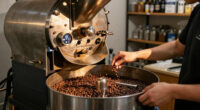
Bad espresso can come from beans that are stale, too fresh to behave consistently, poorly stored, or simply different from the flavor you expect. Flat flavor often points to age, while a smoky bitterness may come from a dark roast even when your extraction is reasonable. A lively, citrus-like cup can be a normal trait of a lighter roast.
Look for beans sold for espresso or coffee with a roast profile you enjoy, then store them sealed and away from heat, light, and moisture. Coffee needs time to rest after roasting because it releases gas; the useful resting period varies with roast, packaging, and coffee. There is no single date that works for every bag. If the beans are very fresh, shots may foam heavily or flow unpredictably; if they have sat open for weeks, the aroma may fade.
For example, you might switch from a familiar chocolatey medium roast to a bright Ethiopian light roast and suddenly call every shot sour. Before changing the machine temperature repeatedly, check the bag’s flavor notes and brew a simple filter cup if you can. That can help reveal whether the coffee itself leans toward berries, citrus, or florals.
Flavor preference matters. Espresso is concentrated, so a naturally tart coffee can seem startling when you expect cocoa and caramel. If the shot is clean and consistent but tastes brighter than you like, try a different roast or blend. If it tastes harsh and hollow, keep troubleshooting the extraction.
Use shot speed to find a grinder problem
The grinder controls how quickly water moves through the coffee bed, so grind size and consistency are among your clearest clues. Coffee that is too coarse often lets water rush through, producing a fast, thin, sharp shot. Coffee that is too fine can slow the flow and leave a dry, bitter taste, though the beans and recipe can change how those symptoms show up.
| What you see | What you taste | First adjustment |
|---|---|---|
| Fast, pale stream; short shot | Sharp, weak, or watery | Grind a little finer |
| Slow drips; shot runs long | Dry, harsh, or heavy | Grind a little coarser |
| Uneven flow or spurting | Sour and bitter together | Check distribution and puck prep |
Imagine your shot reaches 36 grams in 18 seconds and tastes lemony, with little sweetness. Try moving the grinder one small step finer, then pull another shot with the same dose and yield. If the flow slows and sweetness improves, you have useful evidence. If it chokes the machine, move back slightly.
A grinder can also create trouble through clumps, inconsistent particle sizes, or changes in how much coffee it dispenses. Small, repeatable adjustments matter more than a dramatic twist of the dial. A grinder that cannot make fine, consistent adjustments can make espresso hard to dial in; extra machine features can’t correct an uneven grind.
Fix uneven puck preparation before tamping harder
If espresso sprays, runs in several streams, or tastes sour and bitter at once, uneven extraction may be the problem. Water can carve easy channels through poorly distributed coffee, rushing through some areas while overworking others. A level, even puck matters more than pressing down with extreme force.
Think of a garden hose running through a mound of loose sand: it finds the easiest path instead of soaking every part evenly. A coffee puck behaves differently, but channeling offers a useful picture of why one shot can taste both sharp and harsh. You may see the stream twitch or spray from a bottomless portafilter, though that tool only helps you observe the shot; it does not fix the cause on its own.
- Use the same dose each time, and avoid leaving loose grounds on the basket rim.
- Break up visible clumps and distribute grounds evenly across the basket.
- Tamp level with steady pressure; focus on a flat surface rather than maximum force.
- Check that your basket and shower screen are clean.
For instance, if one side of the puck is visibly lower after tamping, water may favor the thinner section. Make your distribution more even and repeat the same recipe before changing the grind. A puck screen or precision basket can change workflow and extraction, but it is an optional experiment. It won’t rescue a lopsided puck or an erratic dose.
Know when taste points to the machine or water
A machine becomes a likely suspect when shots stay inconsistent despite stable beans, grind, dose, and puck preparation. Temperature stability, scale, cleanliness, water, and worn seals can all affect flavor or flow. Pressure by itself does not prove that an espresso setup is working well.
A dirty group head or basket can leave old coffee oils that taste rancid, while scale can interfere with heating and water flow. If the first shot tastes acceptable but the next turns harsh or lukewarm, note whether the machine has had time to heat fully and whether its behavior changes from shot to shot. Clean the basket and group area according to the manufacturer’s instructions, and follow the machine’s guidance for descaling.
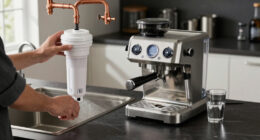
Water changes both flavor and how scale forms. Very mineral-heavy water may contribute to scale, while unsuitable water can taste flat or make coffee seem off. Use water that suits your machine and follow its manufacturer’s recommendations; the right choice depends on the machine’s design and local water.
As a real-world clue, suppose the same beans and recipe taste clean on Monday but oddly metallic after the machine sits unused, and cleaning improves the cup. That points toward residue or maintenance more than a sudden grinder problem. If cleaning and steady preparation don’t help, check the machine’s temperature and service guidance. A single pressure reading or shot time cannot diagnose flavor on its own.
Separate a flavor defect from a flavor you dislike
Espresso tastes intense because a small amount of liquid carries a lot of dissolved coffee. That intensity can make brightness feel like sourness and roast bitterness feel like a brewing flaw. Your expectations and the coffee’s flavor profile belong in the diagnosis alongside time and flow.
Picture two cups: one made with a light roast that has citrus notes, the other with a dark roast that leans toward chocolate and smoke. The first may taste tart to someone who wants a round, sweet shot, while the second may seem burnt to someone sensitive to roast flavors. Neither reaction alone proves the machine or grinder is at fault.
Try tasting the espresso with a small spoon of hot water added. This makes the flavor less concentrated and can reveal whether the cup has pleasant fruit notes or an unpleasant hollow sharpness. You can also compare it with the same coffee brewed another way, while remembering that espresso naturally tastes denser.
Milk changes perception, too: a cappuccino can soften sharpness and bring out sweetness, but it may also hide a shot that is badly unbalanced. If you enjoy the coffee in milk but not straight, that still tells you something about your preference. A good shot is not one fixed flavor; it is a clean, balanced extraction that suits the beans and your palate.
Follow this order when your next shot tastes wrong
When a shot disappoints, troubleshoot from the easiest variables to verify toward the equipment. Check beans, grind, puck preparation, recipe, then machine and water. This order helps you avoid spending an afternoon adjusting several parts at once.
- Confirm the coffee. Note the roast, storage, and how long the bag has been open. If it is stale or far darker or lighter than you enjoy, test a fresh bag you know.
- Lock dose and yield. Weigh your coffee and espresso so the next shot has a fair comparison.
- Read flow and taste together. Fast and sharp often suggests a finer grind; slow and dry often suggests a coarser grind.
- Inspect the puck. Spraying, uneven streams, or mixed sour and bitter notes call for better distribution and a level tamp.
- Clean and check the setup. Look for coffee residue, inconsistent heat, scale, and water that does not suit the machine.
Say you’re using 18 grams of a medium roast, targeting 36 grams out. The shot takes 40 seconds, barely drips, and tastes astringent. Start by grinding a little coarser, not by changing beans, tamping harder, and raising the yield together. If it then runs in 30 seconds and tastes sweeter, you have a clear next step.
Modern tools such as scales, bottomless portafilters, puck screens, precision baskets, and flow profiling can make experiments easier to observe. They are not universal upgrades. Good coffee, a consistent grind, even preparation, clean equipment, and controlled changes remain the dependable foundation.
Frequently Asked Questions
Why does my espresso taste sour?
A sour, sharp shot often comes from under-extraction, especially if it runs fast and tastes thin. Try grinding a little finer while holding dose and yield steady. A light roast can also taste naturally bright, so compare its flavor profile before treating all tartness as a defect.
Why is my espresso bitter or burnt?
A very slow shot, excessive extraction, dark-roast beans, high temperature, or dirty coffee parts can all contribute to bitter or burnt flavors. Note the shot speed and clean the basket and group area. If the flow is very slow, try a slightly coarser grind.
What should I change first: grind or dose?
For routine dialing-in, keep dose and target yield steady and adjust grind size first. That makes it easier to see whether flow and taste improve. Change dose when you have a clear reason, such as matching the basket’s intended capacity.
Is a 25–35 second espresso shot always good?
No. Roughly 25–35 seconds is a useful starting range for a shot near a 1:2 coffee-to-espresso ratio, but beans and recipes vary. Use the time as one clue alongside taste, yield, and flow.
Can water make espresso taste bad or damage my machine?
Yes. Water affects flavor, and its mineral content can contribute to scale buildup. Choose water that suits your specific machine and follow its manufacturer’s recommendations, since needs vary by design and local water.
Can a bottomless portafilter or puck screen fix a bad shot?
A bottomless portafilter can reveal spraying or uneven flow, while a puck screen can change workflow and extraction. Neither replaces a consistent recipe, an even puck, or a clean machine. Treat each as an optional tool for observation or experimentation.
Conclusion
When espresso tastes wrong, keep your dose and yield steady, note what the shot does, and make one small change. Taste plus flow plus repeatability will tell you more than a pressure number or a guess. Start with the beans and grind, prepare the puck evenly, then check cleaning and water if the problem persists.
Your next shot does not need a new machine. It needs one good clue—and the patience to follow it.