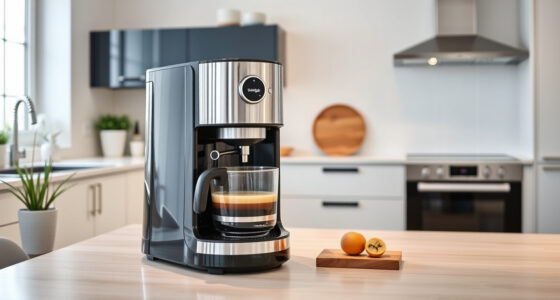
If your Keurig K-Mini Single Serve Coffee Maker isn’t brewing a full cup, it can be frustrating. Often, this issue is caused by mineral buildup, clogs, or water reservoir problems. Fortunately, with some simple troubleshooting steps, you can restore your machine to its full brewing capacity and enjoy your favorite coffee without interruption.

Get coffee and tea gear delivered free with Prime
- Fast, free delivery on millions of items
- Prime Video, Amazon Music and more included
- Member-only deals all year
Below, you’ll find a detailed, safe guide to diagnose and fix the common causes of partial brewing issues in your Keurig.
Key Takeaways
| Regular Descaling is Essential | Mineral deposits can block water flow, causing incomplete brews. |
| Clean the Water Reservoir and Needle | Build-up or clogs here can restrict water flow. |
| Use Proper Cleaning Products | Keurig-approved descaling and cleaning kits prevent damage. |
| Check and Replace Water Filters | Clogged filters can reduce water flow and brew size. |
Step 1: Descale Your Keurig
Mineral buildup inside the machine can cause partial brewing. Use a descaling solution to thoroughly clean the internal components.
- Fill the water reservoir with equal parts water and descaling solution.
- Run a brew cycle without a K-Cup, repeating until the reservoir is empty.
- Follow with 2-3 cycles using only fresh water to rinse.
Step 2: Clean the Needle and Brew Path
Clogs in the needle or brew path can restrict water flow, leading to incomplete cups.
- Turn off and unplug your Keurig.
- Remove the water reservoir and empty it.
- Use a paperclip or Keurig cleaning tool to gently clear the needle.
- Reassemble and run a water-only brew cycle to flush out debris.
Step 3: Check and Clean the Water Reservoir and Filter
A dirty or clogged water reservoir or filter can impede water flow.
- Remove and wash the water reservoir with warm, soapy water. Rinse thoroughly.
- If your model uses a water filter, replace it if it’s clogged.
Step 4: Inspect and Replace the Water Filter (if applicable)
If your Keurig uses a water filter, a clogged filter can restrict water flow. Replace the filter following your model’s instructions.
- Remove the old filter.
- Install a new Keurig-approved water filter.
- Run several brew cycles to prime the new filter.
Additional Tips and Warnings
- Always use fresh, filtered water for optimal brewing.
- Avoid using vinegar or harsh chemicals not recommended by Keurig.
- Regular cleaning and descaling every 3-6 months can prevent this issue.
- Never force open or disassemble the machine beyond recommended parts to avoid damage.
The Products in This Guide
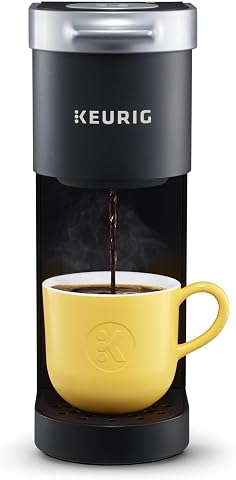
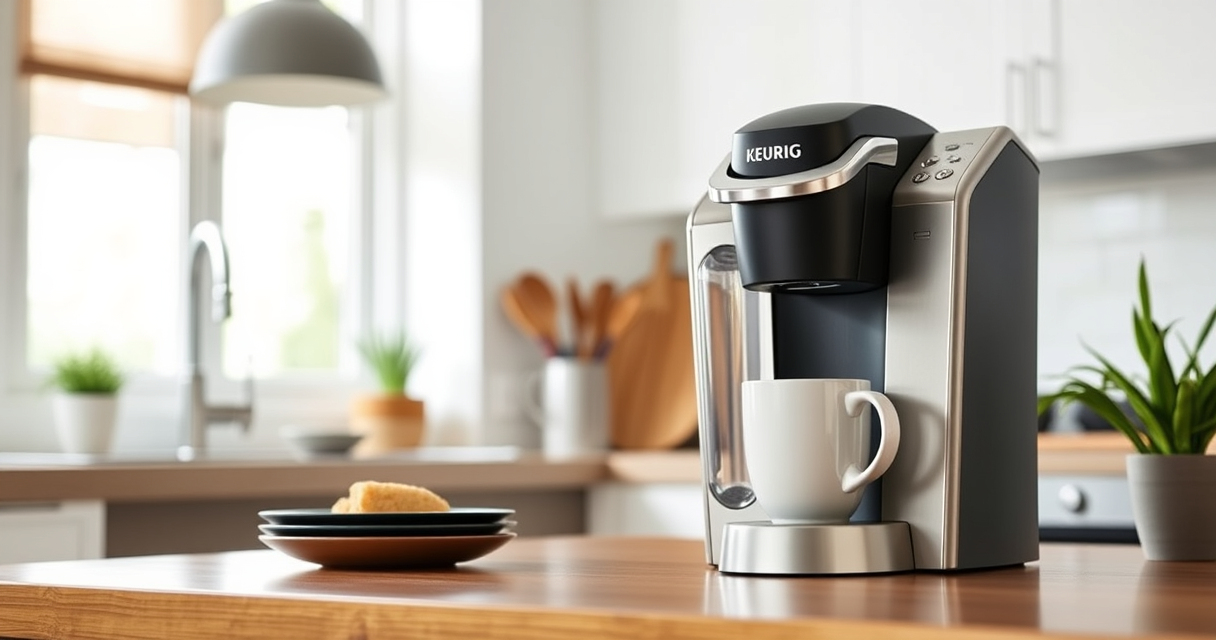
Keurig K-Mini Single Serve K-Cup Pod Coffee Maker
- ✔ weight: 5 lbs
- ✔ power: 120V
- ✔ material: Plastic
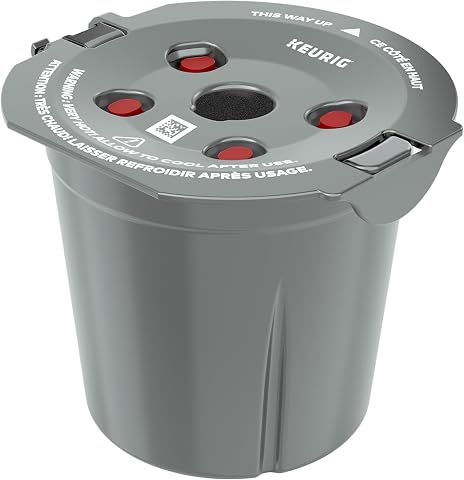
My K-Cup® Reusable Coffee Filter
- ✔ weight: 0.2 lbs
- ✔ dimensions: 3 x 3 x 2 inches
- ✔ material: Plastic
Keurig K-Mini Single Serve K-Cup Pod Coffee Maker
<p>The Keurig K-Mini is a space-saving, efficient single serve coffee maker suitable for small spaces and quick brewing. Its simple design makes troubleshooting easier, and it performs consistently when properly maintained.</p>
Pros:
- Compact size fits small spaces
- Brews quickly in 6-12oz sizes
- Removable drip tray for travel mugs
- Energy-efficient auto-off
Cons:
- No water filter included
- Limited brew size options
- Requires regular descaling
- No advanced features
Best for: Individuals needing a small, reliable coffee maker for quick brews.
Not ideal for: Users looking for advanced brewing options or larger capacity.
Bottom line: A compact, easy-to-maintain coffee maker ideal for small spaces.
My K-Cup® Reusable Coffee Filter
The My K-Cup Reusable Coffee Filter allows you to brew your favorite ground coffee, reducing waste and expanding flavor options. It’s a helpful accessory to ensure your machine operates smoothly and brews full cups efficiently.
Pros:
- Eco-friendly and cost-effective
- Compatible with Keurig K-Mini
- Allows custom coffee blends
- Easy to clean
Cons:
- Requires ground coffee
- Slightly more cleaning effort
- Not as quick as K-Cup pods
Best for: Brewers looking to use ground coffee and reduce waste.
Not ideal for: Users preferring quick K-Cup brewing with minimal cleanup.
Bottom line: A versatile reusable filter for ground coffee lovers.
Frequently Asked Questions
How often should I descale my Keurig K-Mini?
It is recommended to descale every 3-6 months, especially if you notice reduced water flow or brewing issues.
Can I use vinegar instead of descaling solution?
While some use vinegar, Keurig recommends using their approved descaling solutions to avoid damage and ensure proper cleaning.
Why is my Keurig not brewing a full cup?
Common causes include mineral buildup, clogged needles, or issues with the water reservoir. Following the troubleshooting steps can resolve these problems.
Is it safe to open the Keurig for cleaning?
Only disassemble parts as instructed in the user manual. Never attempt to open the internal components beyond the recommended maintenance procedures.
Keep Your Keurig Brewing Perfect Cups
Regular maintenance, proper cleaning, and descaling are key to ensuring your Keurig K-Mini consistently brews full cups. By following these troubleshooting steps, you can enjoy fresh, full-flavor coffee every time without the need for costly repairs or replacements.
Affiliate disclosure: As an Amazon Associate we earn from qualifying purchases. Prices and availability are accurate as of the time of publishing.
Halloween Picks
halloween
As an affiliate, we earn on qualifying purchases.