TL;DR

Get coffee and tea gear delivered free with Prime
- Fast, free delivery on millions of items
- Prime Video, Amazon Music and more included
- Member-only deals all year
Mineral scale is the crusty deposit left when calcium and magnesium in water build up on surfaces, especially where water is heated or evaporates. Look for visible deposits alongside weaker flow, longer heating, or recurring clogs; then test water hardness and inspect accessible parts before paying for treatment or repairs.
A faucet can leave a white chalky ring long before a water heater starts groaning or a shower turns into a weak drizzle. That small crust may be an early clue, but it is not a diagnosis—and treating it as one can lead you to buy equipment you do not need.
Scale means mineral scale: calcium and magnesium dissolved in water that settle onto surfaces. This guide shows you how to spot the first signs around taps and appliances, check whether your water is hard, and tell when a professional should take a look. You will also learn why one deposit is less useful than a pattern of symptoms.
The goal is practical: catch a developing problem while cleaning a removable screen or checking a water test may be enough. A few minutes of careful inspection can help you avoid turning a minor maintenance issue into an expensive repair—or confusing scale with a leak, corrosion, or another fault.
Look for a pattern: visible deposits combined with weaker flow, slower heating, or recurring clogs are more useful clues than one chalky mark.
Test water hardness before buying treatment; a hardness result does not test for drinking-water contaminants.
Check only accessible, manufacturer-approved parts, and record when performance changes.
Low pressure and water-heater noise have several possible causes, so neither symptom proves scale.
Use a softener or descaler only when the evidence and equipment instructions support that choice.
Spot scale early before costs climb
Mineral scale can restrict flow and reduce heat transfer, but a white mark alone is not proof. Look for recurring symptoms, check water conditions, and follow equipment guidance before choosing treatment.
Clues worth tracking
A pattern of symptoms is more useful than one stain or sound.
Hard buildup returns
Chalky white or tan deposits can be a clue, but other residues may look similar.
Water turns uneven
Weak or crooked streams and recurring clogged outlets deserve attention.
Heating takes longer
Declining output or longer heating times may signal equipment performance changes.
More than one device
Similar issues across fixtures or appliances may point to a shared water condition.
A practical check
Compare water conditions with changes in performance over time.
Review a water-quality report or use a suitable test; hardness is commonly reported in gpg or mg/L as calcium carbonate.
Check accessible aerators, showerhead outlets, kettle elements, or appliance filters, following maker instructions.
Record flow, heating time, cleaning frequency, and service visits, then compare them with water results.
Clue or conclusion?
Visible deposits and equipment symptoms can guide an investigation, but they do not identify scale on their own.
- Hard deposits that keep returning
- Weaker flow or longer heating times
- Similar problems across several devices
- One white mark or cloudy ring
- Water taste or appearance
- Water-heater noise, which sediment can also cause
Recognize the first signs before scale reaches hidden parts
To spot scale early, look for pale, hard deposits where water repeatedly splashes, heats, or dries, then check whether performance has changed. The crusty deposit left by mineral-rich water often appears around faucet spouts, aerator screens, shower nozzles, kettle interiors, or humidifier trays. A single mark can be ordinary residue; several signs together deserve a closer look because they connect a visible deposit to a possible effect on equipment.
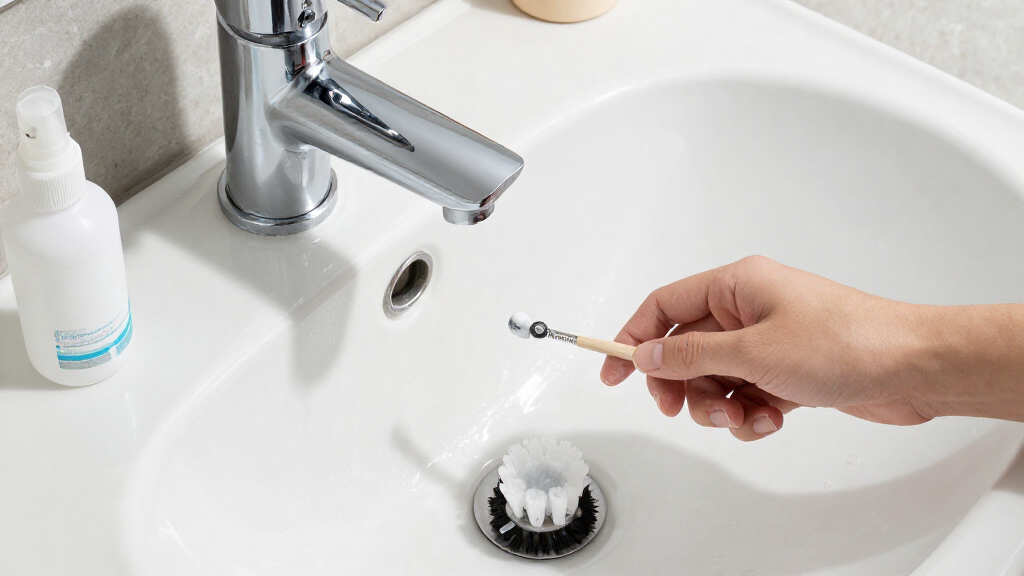
Start with the bathroom sink. If the faucet has a white rim and the stream has become thinner, unscrew the aerator only if you can do so safely and inspect its screen. A screen packed with grit or mineral flakes may reduce flow, but that does not prove the pipe behind the wall is scaled. The distinction matters: cleaning a removable screen is a low-cost, targeted step, while assuming the whole plumbing system needs treatment could lead to unnecessary expense. Rinse and inspect the removable part according to the fixture maker’s instructions.
In the kitchen, check whether glasses come out of the dishwasher with spots or a cloudy film. Hard water can leave mineral marks, while detergent, rinse-aid settings, or a dirty filter can also contribute. If the same film appears on the kettle’s heating surface and on taps, that repeated pattern makes hard water more plausible than one isolated appliance issue. It still does not show how much buildup is inside a heater or pipe: surface residue is easy to see, while hidden deposits and their effect require testing or inspection.
Pay attention to uneven shower spray, recurring screen clogs, and residue that returns soon after cleaning. These are useful clues, not proof. Repeated deposits may mean minerals are continually arriving with the water, so cleaning alone could become a cycle rather than a lasting solution. But a showerhead that sprays sideways may simply have blocked nozzles, while low pressure throughout the house could point to a pressure problem or leak instead. Note what you see before reaching for a descaler; identifying whether the issue is local or widespread helps you choose a proportionate next step.
Products Worth Considering

Breville Bambino Espresso Machine, Brushed Stainless Steel

Instant Pot RIO Wide 7.5-Quart 7-in-1 Electric Pressure Cooker

Instant Pot Pro 6-Quart 10-in-1 Electric Pressure Cooker
As an affiliate, we earn on qualifying purchases.
See why a thin mineral layer can lead to a costly repair
Scale becomes expensive when deposits interfere with water flow, heat transfer, or moving parts. A layer of mineral buildup can act like a thin insulating blanket on a heating surface, so equipment may take longer to heat water or work harder to deliver the same result. Deposits can also narrow small openings and affect screens, valves, and sensors. Where a deposit forms matters: a little residue on an accessible surface may be harmless, while buildup around a small passage or heating element can have a more noticeable effect.
Think of a water heater like a pan on a stove. If something blocks heat from reaching the water efficiently, the appliance has to keep working to do its job. That analogy explains the mechanism, not a guaranteed energy penalty: the real effect depends on the equipment, deposit location, water chemistry, and amount of buildup. There is no single percentage that applies to every home. Longer heating times can be a reason to investigate, but they do not identify the cause by themselves; a failing element, thermostat, or other fault can produce similar changes.
For a real-world example, imagine an electric kettle that used to boil a mug quickly but now takes longer and has a rough, pale layer near its element. That deposit is worth checking. In a storage water heater, popping or rumbling can also signal sediment at the tank bottom, but sound alone cannot identify scale; other deposits and equipment conditions can cause noise. The practical implication is to treat these changes as prompts for diagnosis, not as permission to open or flush equipment without checking the manual.
The cost often comes from the chain of small effects: more frequent cleaning, a clogged component, a service visit, or a part that fails sooner than expected. Early attention limits guesswork. If you only notice crust around a removable aerator, cleaning that part may solve the immediate flow issue; if heating performance and several fixtures change, broader diagnosis makes more sense. Acting too aggressively can also create costs: an unsuitable descaler may damage materials, and a treatment system may not address the actual fault. The most economical response is the one that matches the evidence and the equipment instructions.
Use this simple check to confirm whether scale is likely
Check scale systematically by testing water hardness, inspecting accessible parts, and tracking performance before you choose a fix. Each step answers a different question: hardness testing indicates whether the water can leave calcium-and-magnesium deposits, inspection shows where residue or blockage is present, and a symptom record reveals whether the problem is local or spreading. None proves the whole system is scaled on its own, but together they make a diagnosis more useful and reduce the risk of buying a solution based on one ambiguous clue.
- Test the water. Use a reputable hardness test kit or ask a certified laboratory, water utility, or qualified water-treatment professional about testing. A hardness result can support the scale explanation, but it cannot tell you how much buildup is inside equipment or whether buildup is causing a particular symptom. If your home uses a private well, consider broader water testing; hardness is only one part of water quality.
- Inspect easy-to-reach parts. Check faucet aerators, showerheads, and appliance screens only where the owner’s instructions allow. Look for hard deposits, debris, corrosion, or damage rather than assuming every pale mark is scale. Finding a blockage in a removable part may explain a local flow problem and offer a simple fix; finding residue on one part does not establish that hidden pipes need treatment.
- Record changes. Write down the date and note flow, hot-water recovery, appliance cycles, unusual sounds, and how often you clean or call for service. Timing matters: a gradual change across weeks may suggest recurring buildup or wear, while a sudden change may point to a plumbing or equipment event. A record helps a professional distinguish those possibilities instead of relying on memory.
- Compare the pattern. Check whether symptoms affect one fixture or several. A single slow tap can be a clogged aerator; weaker flow across multiple fixtures calls for a wider check. This comparison helps you avoid two costly errors: treating the entire home for a local blockage, or repeatedly cleaning one fixture when the cause may be shared by the system.
- Follow the equipment manual. Do not flush, descale, or take apart a water heater or appliance unless the manufacturer permits it or a qualified professional advises it. The right procedure varies by equipment and materials, and an improvised cleaning method can damage parts or create a safety risk.
A dated note can make a service visit more useful. For instance, “the upstairs shower weakened over six weeks, and the kitchen tap is now slower too” gives a technician a clearer starting point than “the pressure is bad.” If symptoms persist, a professional can check for scale while also ruling out leaks, a faulty valve, sediment, corrosion, or pressure issues. That broader check may take more than a quick cleaning, but it helps ensure that the recommended repair addresses the cause rather than only the visible symptom.
Tell scale apart from other problems that look similar
Scale is more likely when mineral deposits and declining performance appear together, but no single symptom can confirm it. Low pressure, strange noises, cloudy residue, or white marks can each have several causes. The useful question is not only “Could this be scale?” but also “What else would create the same sign?” Considering alternatives matters because the remedy differs: cleaning or water treatment will not fix a leak, faulty valve, or appliance failure.
For example, low flow at one faucet may come from debris in its aerator, a partially closed valve, or a local fixture problem. If every tap weakens at once, possible causes include a pressure regulator issue, a leak, or municipal work. Scale may contribute in some plumbing conditions, but low pressure alone does not show that pipes are scaled. Comparing fixtures helps locate the problem: a change isolated to one outlet points toward a local component, while a change across the home warrants a broader plumbing or supply check.
Water heater sounds also need a careful read. Popping, rumbling, or crackling can happen when sediment collects near the bottom of a tank; it is a warning sign, not a definitive scale diagnosis. If the heater also takes longer to recover or hot water becomes inconsistent, record those details and follow the manual’s service guidance rather than opening the unit yourself. The combination makes a service assessment more worthwhile, but it still does not distinguish mineral scale from sediment or a failing component without inspection.
White residue is not automatically a health warning, either. Ordinary calcium-and-magnesium deposits are usually a maintenance concern, but appearance cannot identify every substance in water. Hardness testing does not check for contaminants. If your concern is drinking-water safety, use a test designed for the contaminants you want to assess instead of relying on a crusty faucet as a test result. This keeps two separate decisions clear: whether deposits may affect maintenance, and whether the water meets your safety concerns.
Choose a fix that matches the evidence, not the sales pitch
Match the response to what your inspection and water test show: clean small removable parts when permitted, ask for diagnosis when symptoms persist, and compare treatment options with the actual problem. The aim is to limit harmful buildup where it affects equipment, not to remove every mineral from every drop of household water. More treatment is not automatically better: it adds purchase and maintenance costs, and a system that does not address the cause can leave the original problem unsolved.
A removable showerhead with blocked nozzles may need cleaning, but the right method depends on its materials and finish. Vinegar works for some compatible parts and can harm others, including certain metals, coatings, seals, and appliances. Check the manufacturer’s instructions before soaking a part, and do not pour a descaler into equipment unless its manual specifically allows that procedure. A careful, permitted cleaning is inexpensive and targeted; an incompatible chemical method can turn a minor blockage into damaged parts.
A water softener reduces hardness minerals through ion exchange, commonly exchanging calcium and magnesium for sodium. Correct sizing, settings, maintenance, and household water needs matter. A softener can help control new hardness-related deposits, but it does not necessarily remove existing scale; old deposits may need approved cleaning or repair. The tradeoff is that a softener requires installation and ongoing upkeep, and its water and discharge considerations may matter to a household. Discuss those needs and local requirements before choosing one rather than treating a hardness result alone as proof that a softener is the right purchase.
Products described as “salt-free” or “chemical-free” are not automatically equivalent to a softener. Some condition water rather than remove hardness minerals, and their performance depends on the product and application. Ask what the device is designed to do, what independent testing supports the claim, and whether it suits your water. A smart monitor may track unusual flow or help detect leaks, but it generally does not measure scale inside pipes. These products can serve different purposes, so compare their stated function with the problem you are actually trying to solve.
Before buying a whole-house system, compare the test result, affected equipment, and likely maintenance cost. If only one faucet aerator is clogged, an expensive treatment system is a poor match. If hard-water deposits recur across several appliances and a professional confirms the issue, a broader treatment plan may be worth discussing. Weigh the expected reduction in maintenance against installation, upkeep, and any limits on what the system treats; ask for a clear explanation of what improvement you should expect and how it will be measured.
Know when a professional can save you time and money
Call a qualified plumber or water-treatment professional when symptoms persist, several fixtures lose flow, equipment performs poorly, or deposits keep returning despite permitted cleaning. A professional can inspect the affected system and test for competing causes rather than treating every symptom as mineral scale. That diagnosis can prevent both unnecessary purchases and missed repairs. It is especially useful when symptoms span different fixtures, because a shared supply or pressure issue may need a different response from deposits in one appliance.
Consider a homeowner who cleans a faucet screen, sees the flow improve, then finds the shower and kitchen tap still weak. Repeating the same cleaning will not answer whether the cause is a pressure regulator, a supply issue, deposits in another component, or a leak. Give the technician your water test results and notes about when each symptom began. Those details can help focus the inspection, reduce trial-and-error work, and clarify whether a proposed treatment is likely to solve the problem.
Contact a professional promptly for leaks, signs of overheating, or other equipment safety concerns. For a noisy water heater or longer heating times, check the owner’s manual and arrange service if the problem continues; do not remove covers or flush the tank unless the manufacturer or a qualified technician directs you to do so. The cost of a service call should be weighed against the risk of worsening a fault or damaging equipment through an unsuitable DIY procedure.
Water conditions can change after a switch between municipal and well water, a change in utility supply, or installation of a treatment system. Retest after a meaningful change instead of relying on an old result. A utility water report can be useful, but water at your tap may differ because of building plumbing or in-home treatment. Retesting helps establish whether the current water conditions support the scale explanation, while a separate inspection is still needed to determine whether deposits have affected equipment.
Frequently Asked Questions
What does mineral scale look like?
Mineral scale often looks like a white, cream, or gray hard crust around faucets, shower nozzles, kettle interiors, or other places where water dries or heats. Color and texture can vary, and corrosion or other mineral deposits can look similar, so appearance alone cannot confirm the cause.
How do I tell whether my water is hard?
Use a water-hardness test kit or ask a certified laboratory or water utility about testing. A utility report describes the supply, but plumbing and in-home treatment can change what comes out of your tap. If you use a private well, consider a broader water analysis as well.
Does hard water automatically mean my pipes are scaled?
No. Water hardness helps show whether calcium and magnesium are present, but it does not prove that pipes have harmful deposits. Pipe material, water chemistry, temperature, and plumbing history all matter, and low flow alone is not a scale diagnosis.
Can I remove scale with vinegar?
Sometimes, for a removable part whose manufacturer allows vinegar. Vinegar can damage some finishes, metals, seals, and appliances, so check the manual first. Do not pour vinegar or another descaler into equipment unless its instructions permit that method.
Will a water softener remove scale that is already there?
A correctly installed and maintained softener can reduce new hardness-related buildup by reducing calcium and magnesium in the treated water. It does not necessarily remove deposits already present; existing scale may need approved cleaning or professional repair.
Are salt-free water conditioners the same as water softeners?
Not necessarily. Some products described as salt-free condition water rather than remove hardness minerals, so they should not automatically be expected to perform like an ion-exchange softener. Ask for a clear explanation of the method and independent performance evidence for your specific use.
When should I call a professional about possible scale?
Call if flow loss affects multiple fixtures, a water heater performs poorly or makes persistent unusual sounds, or deposits keep returning. Seek prompt help for leaks, signs of overheating, or other safety concerns. Share your test results and dated symptom notes to help narrow the diagnosis.
Conclusion
Remember the most useful early warning: a pattern beats a single deposit. Check the easy-to-reach parts, test hardness, and track whether flow or heating changes across more than one fixture or appliance. Then match the next step to the evidence instead of guessing at a costly fix.
A pale ring on a tap may be only a little housekeeping. Catch the clues early, and you can keep that small crust from becoming a much bigger repair story.