TL;DR
A Good Housekeeping home-care report lists 11 ways to use baking soda for household cleaning, including deodorizing carpets and mattresses, cleaning kettle deposits and scrubbing light grime. The advice is limited to specific surfaces and light buildup; the report recommends spot testing and using other products for some tougher or delicate jobs.
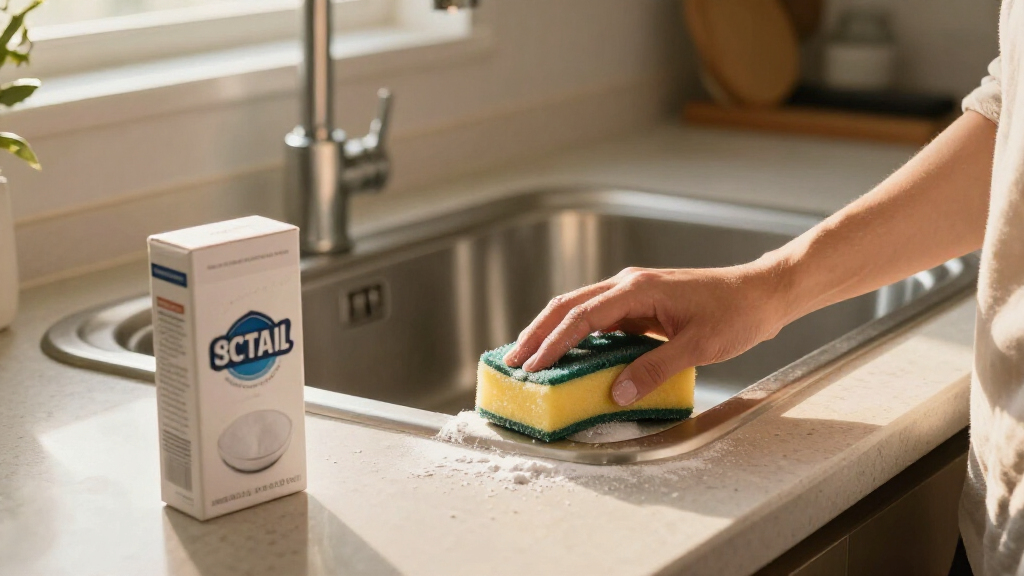
Good Housekeeping’s home-care experts have outlined 11 household uses for baking soda, from freshening mattresses and carpets to scrubbing showerhead nozzles and lifting light residue from appliances. The report describes it as a mildly abrasive cleaner and deodorizer, while advising readers to use gentle pressure, rinse treated areas and test uncertain finishes first.

Get coffee and tea gear delivered free with Prime
- Fast, free delivery on millions of items
- Prime Video, Amazon Music and more included
- Member-only deals all year
For soft furnishings, the guide recommends sprinkling baking soda over a mattress, brushing it lightly, leaving it for 15 to 30 minutes and vacuuming it up. For carpet, it suggests leaving the powder on for up to 30 minutes before vacuuming thoroughly, with the vacuum’s dust cup emptied beforehand. These are presented as ways to address stale smells, not as treatments for stains or other underlying problems.
For an electric kettle with light deposits, the guide says to add 1 to 2 teaspoons of baking soda, fill the kettle at least halfway with water, boil it, switch it off and let the mixture stand for about 20 minutes. It then advises rinsing the kettle thoroughly. For showerhead nozzles, a paste of baking soda and water can be scrubbed on with a sponge and rinsed with hot water; the report says a vinegar soak may help when mineral buildup is deeper.
Other suggestions include gently rubbing stubborn spots on cloudy glassware with a little baking soda, cleaning air-fryer residue with a baking-soda-and-water paste and scrubbing light grime from oven racks. For grout, the report proposes a paste made with baking soda and hydrogen peroxide, left for a few minutes before scrubbing and rinsing. It says heavier oven messes are better suited to oven-cleaning spray, and recommends spot-testing baking soda on small rust marks on stainless steel before wiping and applying stainless steel polish.
Where Baking Soda Can Help
The guide offers readers a set of low-cost cleaning applications for a product many households already keep on hand. Its value is in matching the method to the task: powder can deodorize some soft surfaces, while a damp paste can provide light abrasion on certain hard surfaces. The report does not present baking soda as a universal cleaner, nor does it provide comparative testing of its performance against commercial products.
The boundaries matter because surface finishes vary. The report advises against harsh scrubbing on delicate appliance finishes and says to check manufacturer instructions when uncertain. Its recommendations also distinguish light deposits or grime from heavier messes, for which another cleaner may be more appropriate. Following those limits can help reduce the risk of damaging an item while avoiding expectations that a mild household cleaner will solve every cleaning problem.
Products Worth Considering

Instant Pot Duo Plus 6-Quart 9-in-1 Electric Pressure Cooker, Stainless Steel

Breville Barista Pro Espresso Machine with Built-In Grinder, Brushed Stainless Steel

Cuisinart 14-Cup Food Processor, 720-Watt, Stainless Steel (DFP-14BCNY)
As an affiliate, we earn on qualifying purchases.
The Guide’s Cleaning Methods
The source is a practical home-care article rather than a new product announcement, laboratory study or change in cleaning guidance. It groups the uses by household task and gives basic instructions for each, including waiting times for mattress, carpet and kettle treatments. The report attributes the advice to its home-care experts but the supplied material does not name individual experts or provide test methods.
Across the examples, the recurring approach is to use small amounts, apply light pressure, then rinse or vacuum away the powder. Some recommendations combine baking soda with water to form a paste; the grout method uses hydrogen peroxide, while the disposal suggestion optionally adds vinegar. The article’s instructions are specific to the listed tasks and should not be read as a general endorsement of mixing cleaning products.
““Baking soda is mildly abrasive.””
— Good Housekeeping home-care report
Limits of the Cleaning Advice
The supplied report does not identify the individual experts behind the recommendations, explain whether each method was tested under controlled conditions or compare results with other cleaners. It also does not specify which mattress, carpet or appliance materials may be unsuitable for these methods. Readers should follow product manuals and care labels where available, especially for delicate finishes.
The suggested techniques address particular odors, deposits and light grime; the article does not establish that baking soda disinfects surfaces, removes every stain or resolves the cause of persistent odors. Results may vary by material and how much buildup is present. The report gives no general safety assessment for all possible combinations of household cleaners, so its task-specific instructions should not be extended to unlisted mixtures.
Check Surfaces Before Cleaning
The report does not announce a follow-up test, product release or scheduled update. For readers applying its advice, the next step is to identify the material and check its care instructions before using a powder or paste. Start with a small amount in an inconspicuous spot, scrub gently and rinse or vacuum thoroughly as directed.
For tasks with clear limits in the guide, use the alternative it names rather than escalating the baking-soda treatment: a deeper showerhead mineral problem may call for a vinegar soak, and heavier oven-rack messes may need oven-cleaning spray. The article does not say how often to repeat any method, so persistent buildup or damage concerns may require guidance from the appliance maker or a suitable cleaning professional.
Key Questions
How long should baking soda stay on a mattress or carpet?
The report recommends 15 to 30 minutes on a mattress and up to 30 minutes on carpet, followed by thorough vacuuming.
Can baking soda clean an electric kettle?
For light deposits, the guide suggests boiling 1 to 2 teaspoons of baking soda in a kettle filled at least halfway with water, letting it stand for about 20 minutes, then rinsing thoroughly.
Is baking soda suitable for every surface?
No. The report cautions against harsh scrubbing on delicate finishes and recommends a spot test and checking manufacturer instructions when in doubt.
Does baking soda handle heavy oven buildup?
The guide suggests baking soda for light grime on oven racks, but says oven-cleaning spray is better for heavier messes.
Source: goodhousekeeping.com