TL;DR
To make espresso for two consistently, weigh your coffee dose and espresso yield, keep grind and puck preparation the same, and serve the shots promptly. A single double shot is easy to split into two smaller servings; two separate double shots make fuller drinks but need a repeatable workflow. Treat a 1:2 ratio, such as 18 g in and 36 g out, as a starting point, then adjust by taste.
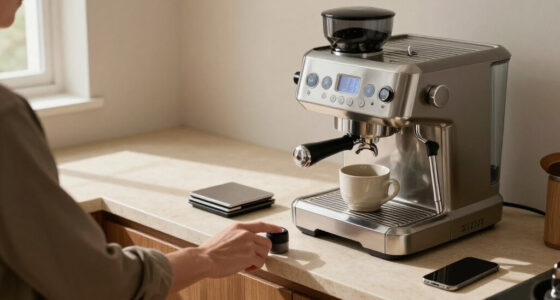
You set two warm cups beneath the portafilter, start the pump, and watch one spout run faster than the other. A moment later, one cup tastes sweeter while the other has a sharper bite. The coffee is the same; the split and the timing changed what each person got.

Get coffee and tea gear delivered free with Prime
- Fast, free delivery on millions of items
- Prime Video, Amazon Music and more included
- Member-only deals all year
To make espresso for two without losing consistency, you need a recipe you can repeat and a plan for serving size. This guide shows you how to measure each shot, prepare the puck evenly, decide between splitting one double shot and pulling two, and coordinate milk so both drinks arrive tasting their best.
You’ll also learn how to read shot time without treating it as a magic number. A 1:2 ratio is a useful place to start, but your coffee, grinder, basket, and taste should shape the final recipe. The goal is simple: two cups made with care, not a rushed race against the clock.
An 18 g dose yielding about 36 g espresso is one double-shot recipe; splitting it gives roughly 18 g of espresso per person.
Pull two measured double shots when each person wants a full double, and repeat dose, grind, puck preparation, and yield.
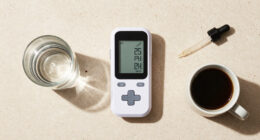
A scale reveals whether two spouts divided a shared shot evenly; stir each portion before tasting if its flavor seems uneven.
Use shot time to compare extractions, but adjust based on taste and change one variable at a time.
Prepare cups and milk before brewing, serve espresso promptly, and store beans sealed away from heat, light, and moisture.
How to Make Espresso for Two Without Losing Consistency
Measure each shot, repeat puck preparation, and choose a serving size that suits both drinks. Consistency comes from steady conditions and tasting, not racing the clock.
Choose the serving size
One double shot can be shared for smaller servings; two measured shots give each person a full double.
| Plan | Coffee and yield | Best for |
|---|---|---|
| Split one double | 18 g in, 36 g out total | Two smaller servings |
| Pull two doubles | 18 g in and 36 g out per shot | A full double in each drink |
Repeat the recipe
Keep the coffee, dose, grind, puck preparation, and target yield the same for both shots.
Weigh 18 g of ground coffee for each double shot.
Distribute the grounds evenly and tamp level using the same routine.
Start near 36 g out, then adjust to taste and repeat the recipe for the next shot.
Make both cups more alike
A shared extraction can still split unevenly between the two spouts.
Check each cup
Place cups close beneath the spouts and weigh each portion. Adjust cup positions if one receives more.
Coordinate the pour
Prepare cups and milk first. Swirl steamed milk and pour promptly before it separates.
Dial in by taste
Shot time helps compare extractions, but it is not a universal target.
- Repeat dose, grind, and puck preparation.
- Use the same target yield for comparison.
- Change one variable at a time.
- Taste before settling on a recipe for that coffee.
Choose one shared double shot or two full shots
To make espresso for two, first decide whether you want two small portions from one double shot or two full espresso servings. One double basket commonly holds a dose such as 18 g and produces roughly 36 g of espresso at a 1:2 ratio. Split evenly, that gives each person about 18 g of liquid espresso—pleasant in a small drink, but less than a full double shot each.
That choice affects more than how much coffee you grind. A shared shot is one extraction, so it saves time and makes sense for tasting pours or small drinks, but each serving has less espresso to stand up to milk. Pulling the recipe twice takes longer and uses more coffee, yet gives each person a complete double-shot base. Decide from the drink size and strength you both expect; otherwise, a quick shared shot can leave two large lattes tasting mostly like milk.
| Plan | Approximate coffee and yield | Works well when |
|---|---|---|
| Split one double shot | 18 g in, 36 g out total; about 18 g per cup if divided evenly | You want two smaller servings from one extraction |
| Pull two double shots | 18 g in and 36 g out per shot; 36 g coffee total | You want a full double shot in each drink |
For example, if two guests ask for espresso after dinner, ask whether they want a short shared portion or a full cup each. A scale helps you portion the result instead of trusting the pour from two spouts to divide evenly. There is no single right plan; matching the serving size to the drink makes both cups feel intentional.
Products Worth Considering

Le Creuset Signature 6.5-Quart Deep Round Dutch Oven with Light Gold Knob, Bleu Riviera

De'Longhi Classic Signature Espresso Machine with Adjustable Milk Frother

Ninja CREAMi Scoop & Swirl 13-in-1 Ice Cream and Soft Serve Maker, NC701
As an affiliate, we earn on qualifying purchases.
Build a recipe you can repeat cup after cup
To make espresso for two consistently, measure the coffee going in and the espresso coming out, then repeat those weights for the second shot. A practical starting recipe is 18 g of ground coffee to about 36 g espresso, often called a 1:2 brew ratio. It gives you a clear baseline, much like marking a recipe card before you start cooking.
Measuring both ends matters because dose and yield answer different questions. Dose sets how much coffee is available to extract; yield sets how much liquid you ask the machine to produce from it. If either changes between shots, the drinks can differ in strength and extraction even when they look similar in the cup. Keeping them steady gives you a fair comparison and makes a small adjustment easier to interpret.
Use the same beans, basket, dose, grind setting, distribution method, tamp, and target yield for both extractions. If the first shot runs too quickly and tastes thin, adjust the grind a little finer for the next attempt; don’t also change the dose and yield at the same time. Changing one variable lets you tell which adjustment helped. The tradeoff is that a perfectly repeated recipe may still taste wrong for a particular coffee, so repeatability is a starting point for dialing in, not a reason to ignore the cup.
Here’s a useful morning example: weigh 18 g into the basket, prepare the puck, and stop the shot when the scale reads around 36 g. If you pull another double for a second person, repeat those same steps. A scale with a timer can show whether the shots differ, but the timer is a clue, not a verdict.
Coffee can call for a different ratio. A lighter roast may taste more balanced with a longer yield, while another bean may turn bitter if you push it too far. Start with a repeatable recipe, taste both servings, and make small changes. Consistency means repeating the conditions, not forcing every coffee to taste best at one fixed number.
Prepare both pucks the same way, without rushing
To keep two shots alike, repeat the same puck-preparation steps for each dose and start brewing soon after tamping. Even grounds give water a more even path; rushed or uneven preparation can leave one shot tasting sour and another harsh. The process is a little like laying two even beds of sand before water flows over them.
- Warm the machine and cups according to the manufacturer’s instructions. A cool cup can drain heat from espresso before the first sip.
- Weigh and grind each dose just before brewing. If your grinder retains coffee, follow its normal routine so the dose in the basket stays close to target.
- Distribute the grounds evenly across the basket. Tap gently or use your usual distribution tool; a WDT tool can help, but it is not required.
- Tamp level with a repeatable motion, then lock in the portafilter and start extraction promptly.
- Repeat the same sequence for the second shot, keeping dose and grind unchanged unless taste tells you to adjust later.
These steps reduce differences in how water meets the coffee. Uneven density can create easier paths through the puck, so some grounds contribute more quickly than others. That can produce a cup with both sharp and dry notes, and it makes the second shot harder to compare with the first. The aim is not elaborate preparation; it is to remove avoidable variation so the recipe itself is easier to judge.
Suppose the first puck sits on the counter while you prepare the second and steam milk. That pause adds a difference between the two workflows and can make service feel disjointed. Have cups, scale, and milk ready first. You want an unhurried preparation and a prompt extraction, not frantic movement once the first shot is already running.
Tools can make repeating the routine easier, but no basket, dosing funnel, or puck tool guarantees a good cup. Clean equipment and a calm, familiar sequence matter more than accumulating accessories.
Split one shot evenly between two cups
When you split one espresso shot, weigh both cups and check how much each receives; the two spouts may not divide the flow evenly. Put the cups close together beneath the spouts, then adjust their positions if one stream consistently favors a side. For a 36 g yield, a near-even split means roughly 18 g in each cup.
Picture an extraction where the left cup reaches 20 g while the right has 15 g, with a few grams still falling. Swap or reposition the cups as needed, and stop at the total yield your recipe calls for. The split can vary because the coffee bed and the streams do not always behave like matching faucets. Your scale turns that invisible difference into something you can correct.
The difference matters because unequal portions can vary in both strength and flavor. A cup that receives more liquid may taste weaker, while the two sides of an extraction can also carry different proportions of early and later flow. Weighing and repositioning help balance the serving size, though they cannot make two spouts behave perfectly. A quick stir in each cup can blend the portion’s flavors, but it will not correct a large difference in volume.
Espresso changes quickly after extraction: its aroma and temperature shift while it sits. Have both cups ready before you brew and serve them promptly. If you’re making a shared shot for two people, a quick stir in each cup can also blend the different portions of the extraction, which may taste more uniform from sip to sip.
One measured double shot is one extraction to share. If each person expects a full double, prepare two doses and pull two shots.
Splitting a shot suits two short drinks or a tasting pour. It may not suit two large milk drinks, where each person expects a stronger espresso base. Think about the cups and the drink order before grinding, and you’ll avoid discovering halfway through that the servings are smaller than expected.
Steam milk once when the pitcher and machine allow it
For two milk drinks, steam enough milk for both in one pitcher if your machine and pitcher can handle the volume, then divide and pour promptly. A single batch means you repeat the steaming technique once instead of trying to texture two tiny amounts under different conditions. Properly textured milk should look glossy, like wet paint, rather than stiff and foamy.
For example, if you’re making two cappuccinos, measure a suitable amount of cold milk into the pitcher with room for expansion. Stretch and swirl it using your usual method, wipe and purge the steam wand as directed by your machine’s care instructions, then swirl the pitcher to bring the milk back together. Pour one drink, give the pitcher another gentle swirl, and serve the second without letting it sit.
Milk separates as it stands: foam rises while the warmer liquid settles below. That means the first pour can be airy and the second thin if you leave the pitcher on the counter to answer a message. Coordinate the espresso and milk so both drinks are assembled close together. If your pitcher is too small to steam enough safely or comfortably, make two batches using the same fill level and technique.
Milk is a common allergen. If you’re serving someone else, ask about dairy allergy or preference before preparing the drinks, and use clean equipment for alternatives. Plant-based milks can foam differently, so follow their package guidance and expect to adjust your technique by brand.
Use shot time as a clue, then let taste lead
Shot time helps you compare extractions, but taste and measured yield tell you whether the recipe works. A shot that runs much faster or slower than its partner can point to a changed grind, dose, puck, or machine condition. Yet there is no universal time target that fits every grinder, coffee, basket, and espresso machine.
Say your first 36 g shot takes 28 seconds and tastes rounded, while the second reaches the same yield in 19 seconds and tastes sharp. Check whether you dosed the same amount, distributed and tamped evenly, and used the same grind setting. If those match, consider grinder retention or temperature recovery according to the machine’s instructions before changing several things at once.
Time is useful as a consistency check because it can reveal a change you might not notice by looking at the cups. But a faster extraction does not automatically mean a bad one: a different coffee or basket may flow at a different pace and still taste balanced. Treat time as a prompt to compare the setup and taste, rather than as a score that overrides what you actually drink.
In making espresso, taste gives you practical feedback: sourness can suggest an extraction that needs more contact or a finer grind; dryness and bitterness may call for a coarser setting or a shorter yield. These are clues rather than strict rules, since roast and coffee character affect flavor. Adjust one thing, pull another shot, and compare.
Back-to-back shots can use the same grind once the coffee is dialed in. Keep dose and preparation steady, and follow the machine maker’s advice on flushing or allowing temperature to recover. The useful question is not “Did I hit a famous number?” but “Did both cups taste balanced, and can I repeat that result?”
Store beans well and match freshness to your routine
Good storage protects the flavor you worked to extract, while stale or poorly stored beans make consistent espresso harder. Keep coffee sealed in an airtight container away from heat, direct light, and moisture. Freshly roasted beans also need time to release gas, so the roast date alone cannot tell you exactly when a bag will taste best in your setup.
Imagine leaving a bag open beside a sunny kitchen window for a week. The beans may lose aroma and take on stale, flat flavors, even if you carefully repeat the same dose and grind. Store the bag in a cool, dry cupboard and close it firmly after each use. If you freeze coffee, divide it into airtight portions and thaw each sealed portion before opening to limit moisture exposure.
For two drinks, use beans from the same bag and avoid topping up a nearly empty hopper with a different coffee mid-session. Different beans can need different grind settings, so mixing them makes it harder to understand why the second cup changed. A small note with the coffee name, dose, yield, and a taste description can help you repeat a good result tomorrow.
Precision scales, grinders with fine adjustment, and temperature control can reduce variation, but none can repair beans that have lost their character. Build a simple storage habit first. Your nose should meet a clear, sweet coffee aroma when you open the bag, not the dusty smell of grounds left exposed on the counter.
Frequently Asked Questions
Should I split one double shot or pull two separate shots?
Split one double shot when two smaller portions are enough; pull two shots when each person wants a full double. An 18 g dose yielding 36 g espresso gives about 18 g per cup if divided evenly, while two full servings use that recipe twice.
How much coffee do I need for two people?
For two small portions from one shared double, a starting point is 18 g of coffee and about 36 g espresso total. For two full double shots, repeat that recipe for roughly 36 g coffee and 72 g espresso total, adjusting the ratio to your coffee and taste.
Why do my two cups taste different when I split a shot?
The two spouts can divide the flow unevenly, and portions of the extraction can taste different. Weigh each cup, adjust their placement under the spouts, and stir each serving before tasting to blend it.
What grind size and shot time should I aim for?
There is no universal grind setting or shot time because beans, grinders, baskets, and machines differ. Start near an 18 g dose to 36 g yield, note the time, then adjust the grind based on whether the espresso tastes balanced, sharp, or bitter.
Can I pull two shots back-to-back without changing the grind?
Usually, yes, once the coffee is dialed in. Keep the dose and puck preparation steady, and follow your machine’s guidance on flushing or temperature recovery between extractions.
How do I make two cappuccinos or lattes at once?
Pull the espresso first, then steam enough milk for both in one pitcher if it has room and your machine can handle the amount. Swirl the milk, divide it promptly, and make two batches with the same technique if the pitcher is too small.
Conclusion
For two consistent espressos, pick the serving size first, then repeat a measured recipe: weigh the dose, prepare the puck the same way, and stop at the same target yield. Split one double for two smaller pours or pull the recipe twice for two full servings. Taste before changing your settings.
Set out the cups, warm and waiting, before the grinder starts. Then both people get a drink made with the same care—and the first sip still carries that bright, fragrant lift from the machine.